In today’s oral-care market, consumers are more ingredient-conscious than ever. “Natural” has become a powerful selling point—but it has also given rise to a wave of natural teeth whitening myths that can mislead shoppers and complicate product development for oral-care brands. For companies seeking reliable partners for OEM teeth whitening manufacturing, understanding the truth behind these myths is essential for creating products that are both marketable and scientifically sound.
Below, we debunk three common misconceptions and share six takeaways to help brands choose safe whitening solutions supported by evidence-based whitening science.
Many consumers believe that lemon juice, baking soda, or fruit-enzyme pastes can deliver quick whitening results. In reality, most natural ingredients are mild and require consistent, long-term use to show visible improvement. Instant results typically come from clinically validated whitening agents—something your OEM partner should help you evaluate.
Key Takeaway #1: Set realistic claims based on test-supported whitening performance.
“Natural” does not always mean “gentle.” Acidic or abrasive home remedies can damage enamel, increase sensitivity, and irritate gums. Brands must differentiate between trendy DIY tips and truly safe whitening solutions that protect enamel integrity.
Key Takeaway #2: Ensure all natural ingredients undergo enamel-safety and biocompatibility testing.
Key Takeaway #3: Avoid positioning your products around harmful DIY hacks consumers find online.
Some believe natural ingredients can completely replace peroxide-based or PAP-based whitening systems. While natural formulas are appealing, the most reliable brightening typically comes from evidence-based whitening technologies—often enhanced with natural actives for a balanced approach.
Key Takeaway #4: Choose an OEM partner that can blend natural claims with scientifically validated whitening systems.
Finding the right OEM teeth whitening manufacturer is about more than cost. Brands need partners who combine R&D capabilities, compliance support, and flexible formulation expertise.
Key Takeaway #5: Ask potential manufacturers for lab data, stability tests, and global compliance documentation.
Key Takeaway #6: Select a factory that offers both natural-ingredient know-how and advanced whitening technologies—so you can build a differentiated and scalable product line.
Natural whitening is a powerful market trend—but only when approached with science, safety, and credible manufacturing support. By understanding these common myths and choosing an OEM partner who prioritizes evidence and innovation, your brand can deliver whitening products consumers trust—without compromising health or claims integrity.
How does dental suction enhance infection control?
.jpg)
How to support dental charity? Free clinics in Kirkland
.jpg)
Is Dental tourism viable for Kirkland services?
Whether the LCD Screen on Water Flosser Is a Useful Feature or Just a Gimmick
Can sensitive toothpaste reverse gum recession?
Time for a clinic upgrade? Why invest in a smart Dental chair?
.jpg)
Professional Replaceable Brush Head Supplier for Global Buyers
Dental Practice Gift Toothbrush Supplier | Patient Care Solutions
.jpg)
How Does Water Flosser Prototype Development Benefit from Water Flosser Technology Partners?
7 Dentist-Approved Tips to Safely Whiten Your Teeth — and How They Can Help You Create Your Own Teeth Whitening Brand
Professional IPX7 Toothbrush Supplier for Global Importers
.jpg)
How Does a Servo Motor System Ensure Precision in a Brush Head Attachment Mechanism for B2B Toothbrush OEMs?
Ideas for Gifts Given by Dental Clinics – Custom Patient Care Packages
A Comparison of Different At-Home Teeth Whitening Options for OEM Product Development
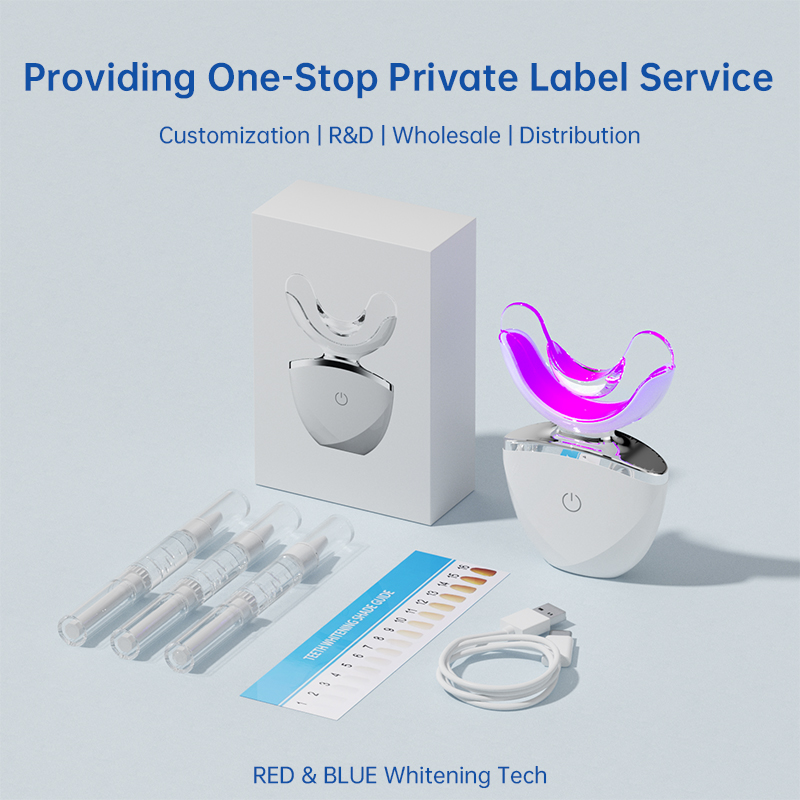
Impact of Using Teeth Whitening Equipment and Gel Together – OEM System Design


.jpg)
.jpg)
.jpg)
.jpg)
.jpg)




.jpg)