One of the most promising innovations today is the integration of red and blue light-activated technology with an optimized whitening gel formulas. Through close collaboration between a teeth whitening device manufacturer and gel chemists, it is now possible to triple the whitening efficiency compared to traditional at-home kits. In this article, we’ll uncover the science and strategy behind this collaboration—and how it can reshape product offerings for global oral care brands.
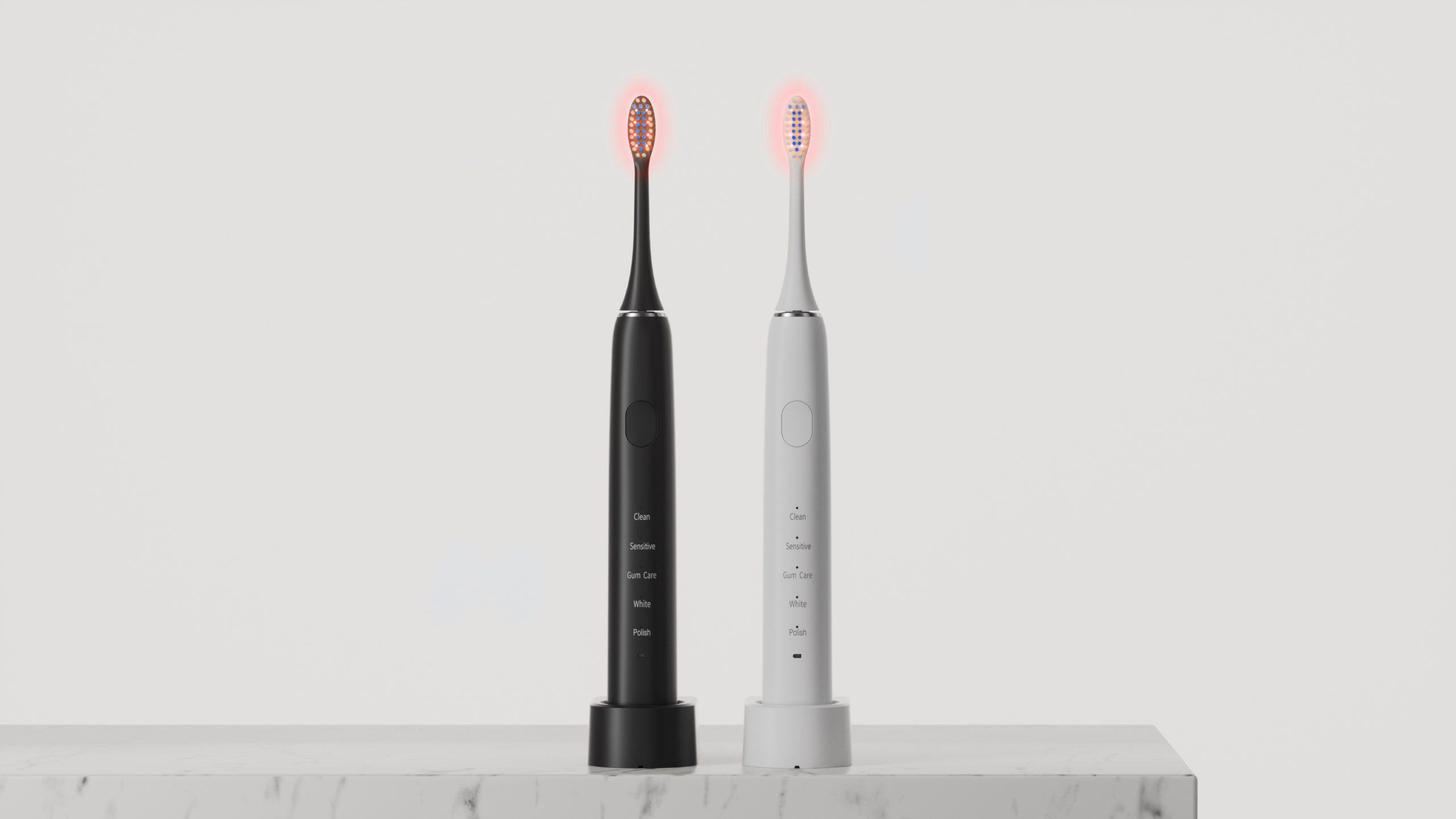
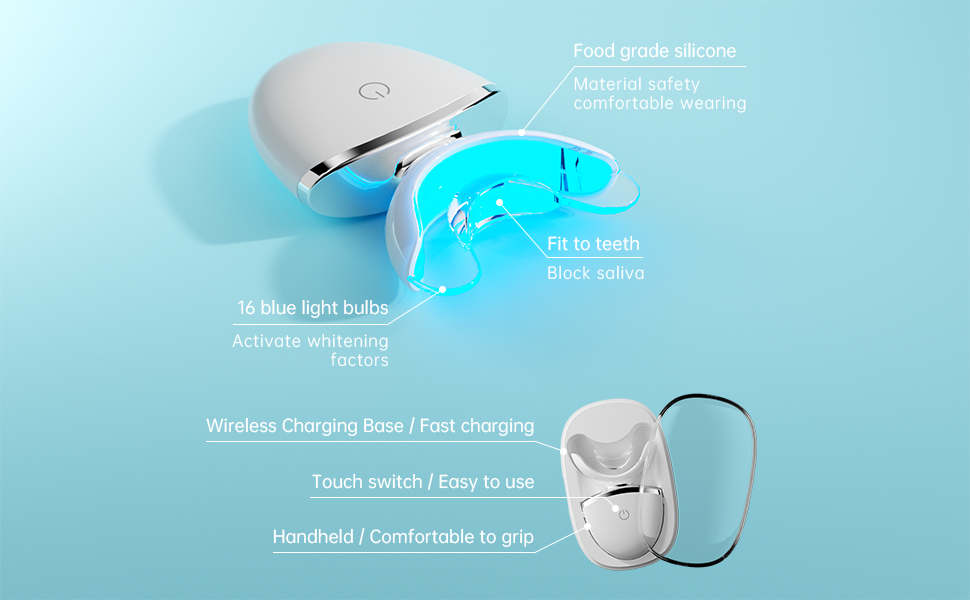
While blue light has long been used in teeth whitening devices to accelerate peroxide-based reactions, red light is gaining attention for its unique benefits. Red light penetrates deeper into enamel and supports gum health by stimulating circulation. When combined, the dual-light system doesn’t just enhance the whitening process—it also improves overall oral comfort.
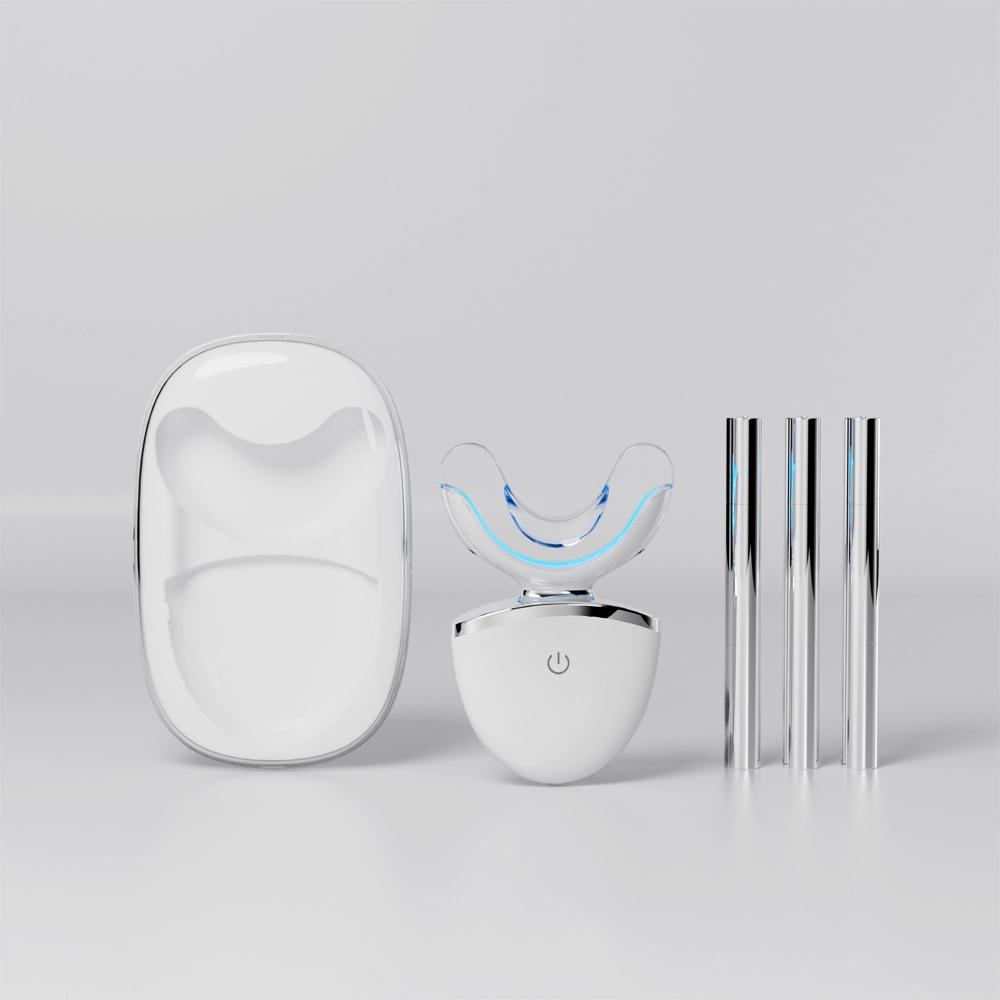
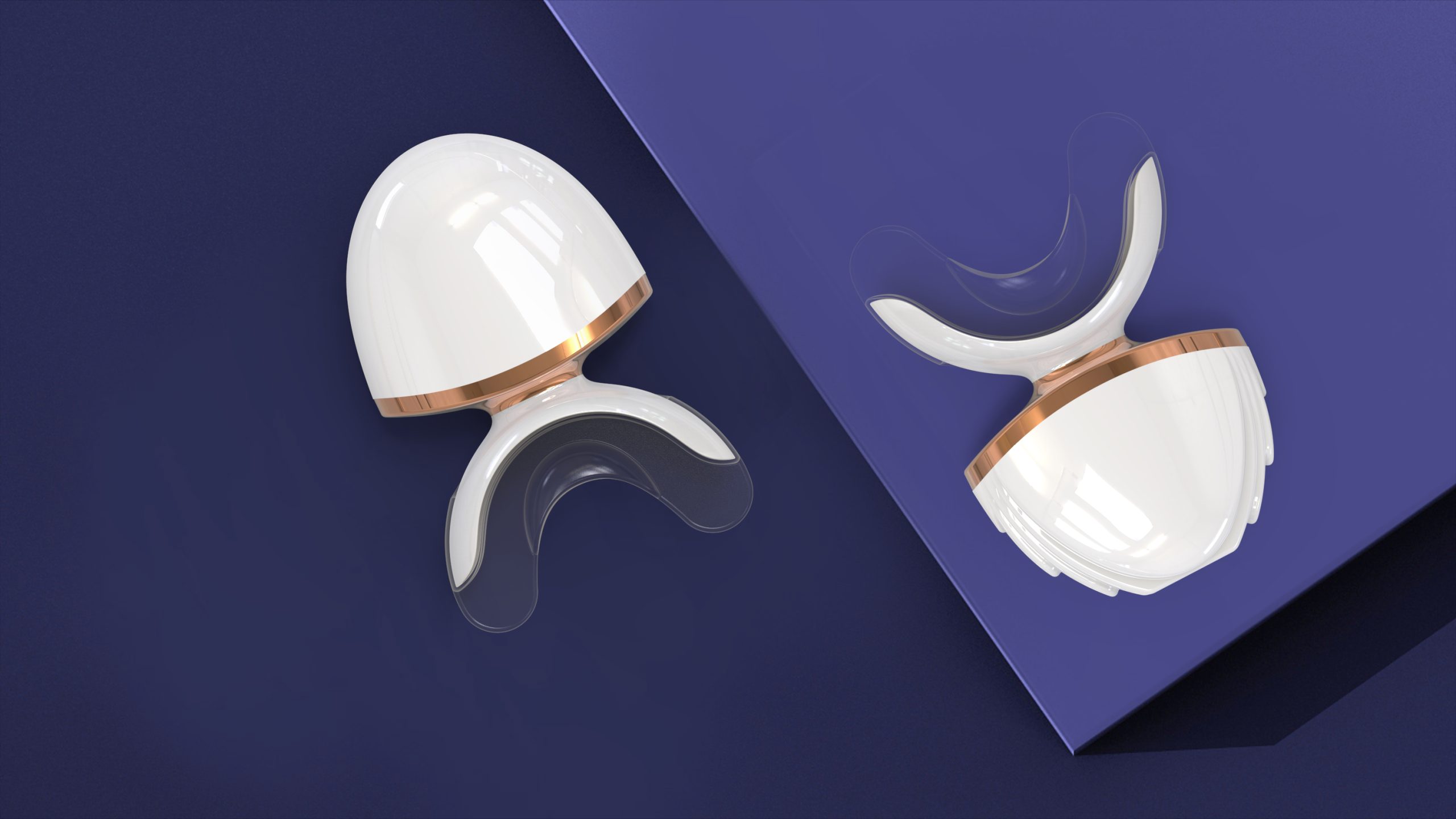
Teeth whitening device manufacturers have developed light modules that emit precise wavelengths (typically around 405nm for blue and 630nm for red) to trigger the gel’s active ingredients more efficiently. This light-activated technology ensures better stain breakdown, reaching both surface and intrinsic discoloration.
The breakthrough doesn’t stop at the device. Success hinges equally on the whitening gel formula. In co-development projects, R&D teams from gel formulators and device engineers adjust pH, viscosity, and peroxide concentration to align with light emission characteristics.
For example, photo-sensitizers are now being added to gel formulations to enhance light absorption and accelerate chemical reactions. This creates a synergistic effect, activating the formula within seconds and shortening treatment times to as little as 10–15 minutes per session—without compromising on safety or effectiveness.
By integrating device design and formula chemistry from the early development stages, brands are seeing up to 3X improvement in whitening results. Clinical comparisons show:
These results are particularly compelling for brands targeting fast-result beauty markets or time-sensitive consumers.
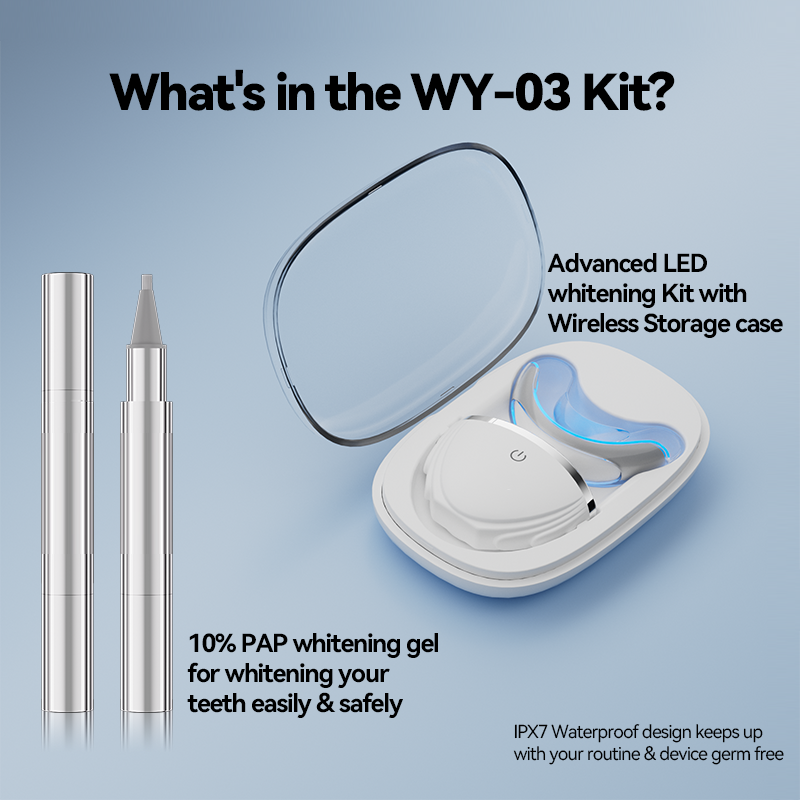
The traditional siloed approach—purchasing a generic device and separate gel formula—often leads to mismatched performance. Smart brands now co-develop products with a single, experienced teeth whitening device manufacturer that offers end-to-end ODM capabilities. This allows iterative testing, precise calibration, and seamless integration between the light source and the gel formula.
Working with integrated suppliers also helps streamline compliance with FDA, CE, and ISO regulations. When both the teeth whitening device and the gel formulas are developed under one umbrella, documentation is unified and biocompatibility risks are minimized—critical for launching in regulated markets like the EU and North America.
Looking ahead, the next frontier is personalization. With app-connected devices and AI-controlled light modes, users will be able to tailor whitening intensity and duration to their tooth shade and sensitivity level. This opens up opportunities for subscription-based models and data-driven improvements.
In summary, boosting whitening efficiency by three times isn’t just about better ingredients or stronger lights—it’s about intelligent collaboration. By integrating red and blue light-activated technology with a custom-developed whitening gel formulas, brands can launch highly differentiated products that delight consumers and drive faster ROI. Partnering with a qualified teeth whitening device manufacturer is the first step toward building that competitive edge.
How Does Advanced Whitening Gel Formulation Cater to Sensitive Teeth Whitening Needs?
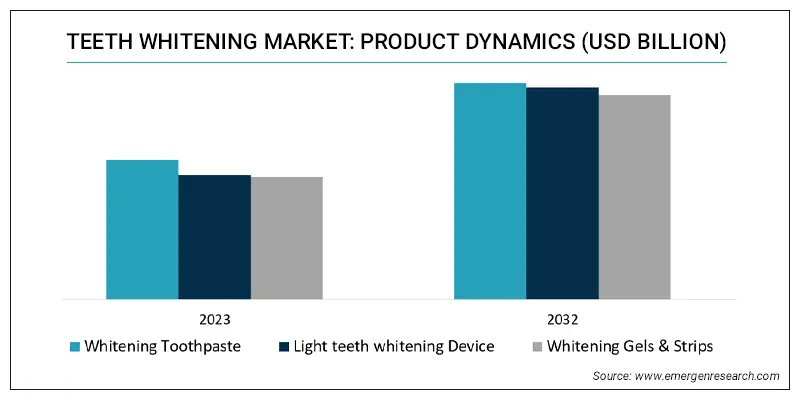
Analysis of Teeth Whitening Device Market Trends: The Functions and Designs That Consumers Will Pay Most Attention to in 2025
sonic toothbrush factory
Clinical Results: Effectiveness of Home Teeth Whitening Device results
R&D innovation and technological upgrading of dental appliances
.jpg)
powsmart electric toothbrush factory
LED Teeth Whitening: Science or Gimmick? An OEM Perspective for Smart Brands
Affordable Innovation: Unlocking OEM LED Teeth Whitening Kit Costs for Your Brand
electric toothbrush manufacturers
Things you should know about LED teeth whitening devices
Reasons why brands should start teeth whitening kit business

As Young People Pay More Attention to Their Teeth, What New Trends Are Emerging in Oral Care?
Case Study of Intelligent Upgrading of Dental Instrument Factory
Child Compatibility Meets Cold Light Sensitivity: Safe?
Portable LED Teeth Whitening Device Supplier
Is Blue Light Under 480nm Safe for Teeth Whitening Devices?


.jpg)
.jpg)
.jpg)
.jpg)
.jpg)