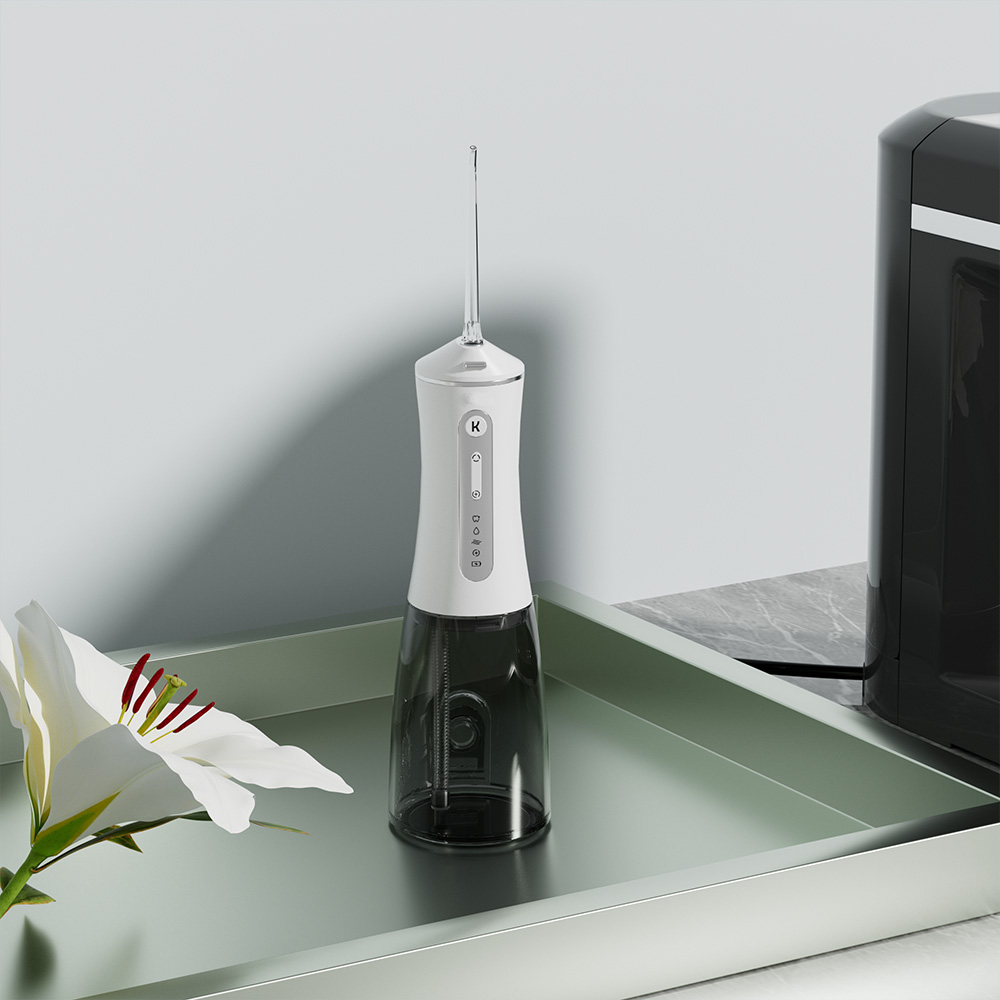
Water flosser is an effective alternative to traditional flossing, offering a deeper cleaning experience that removes plaque and debris more efficiently. But how often should you use one? The answer depends on individual oral condition—let’s explore the best practices for different needs.
1. General Recommendation: Daily Use for Optimal Oral Health
For most people, using a water flosser once per day (preferably at night) is ideal. This helps remove food particles and plaque buildup that brushing alone can’t eliminate, reducing the risk of dental caries and gum disease.

2. If You Have Dental Braces
Braces trap food easily, making oral hygiene more challenging. If you have dental braces, consider using a water flosser after every meal to dislodge debris around brackets and wires, preventing plaque accumulation.
3. For Those with Periodontal Disease
Gum inflammation and periodontal disease require extra care. Dentists often recommend using a water flosser twice daily (morning and night) to flush out bacteria from deep gum pockets and promote healing.
4. If Prone to Cavities or Dental Caries
People susceptible to dental caries benefit from daily water flossing to remove hidden plaque between teeth. Pairing it with fluoride mouthwash enhances protection against decay.
5. Adjust Based on Sensitivity
If gums are sensitive, start with a low-pressure setting and use the water flosser every other day, gradually increasing frequency as tolerance improves.
6. Post-Dental Procedures: Follow Professional Advice
After procedures like implants or deep cleanings, your dentist may recommend temporary adjustments—such as reduced pressure or frequency—to avoid irritation.
Final Tip: Consistency Matters More Than Frequency
While the ideal usage depends on individual oral condition, consistency is key. Whether you use it daily or multiple times a day, regular water flossing ensures deeper cleaning and long-term oral health benefits.
For professional-grade water flossers tailored to different needs, explore our [https://www.powsmart.com/] today!

.jpg)
