
Maintaining oral hygiene goes beyond daily brushing—it involves knowing when to replace a toothbrush head and how to keep it clean in the meantime. In the world of smart hygiene routines, brush head replacement and efforts to sanitize toothbrush head surfaces are often treated separately. But for manufacturers and brands, syncing these two habits is key to delivering a complete oral care solution.
In this blog, we explore the strategic timing and technical considerations for aligning brush head replacement cycles with effective sanitation protocols.
Toothbrush heads—especially those used with electric models—undergo gradual wear due to:
Most dental professionals recommend a brush head replacement every 3 months. However, environmental and usage factors (e.g. brushing pressure, frequency) can shorten this cycle. The B2B opportunity lies in designing indicator systems (faded bristle color, app alerts) to signal end-of-life.
Between replacements, the hygiene status of the brush head can deteriorate significantly. That’s where sanitize toothbrush head routines play a critical role. UV sanitizers, ozone chambers, and antimicrobial brush holders can help reduce:
Frequent sanitation—ideally after each use—extends the safe usability of the brush head and reduces oral contamination risks.
A sanitized brush head is not necessarily an effective one. After prolonged use, even a “clean” brush head may show:
At this point, even if users continue to sanitize toothbrush head surfaces, the cleaning performance drops. That’s the ideal moment to prompt brush head replacement.
Smart toothbrush brands are increasingly integrating:
To encourage synced hygiene habits, manufacturers should consider:
These bundled solutions promote long-term use and increase average order value while helping users stay compliant with hygiene guidelines. Company web: https://www.powsmart.com/product/electric-toothbrush/
Finally, syncing brush head replacement and sanitize toothbrush head routines requires clear user education. B2B brands should empower distributors and retailers with:
Educated users are more likely to adhere to hygiene best practices—and stick with brands that help them do so.
To summarize: while sanitize toothbrush head routines help maintain day-to-day hygiene, they are not a substitute for timely brush head replacement. Instead, they should work hand in hand—creating a lifecycle of hygiene that is proactive, measurable, and user-friendly. For manufacturers, synchronizing both aspects into product design and packaging represents a powerful competitive advantage in the modern oral care market. Contact us
How Does Quad-brush Synchronization Technology Enhance Laminar Flow Nozzle Performance in Water Flossers?
sonic electric toothbrush San Jose
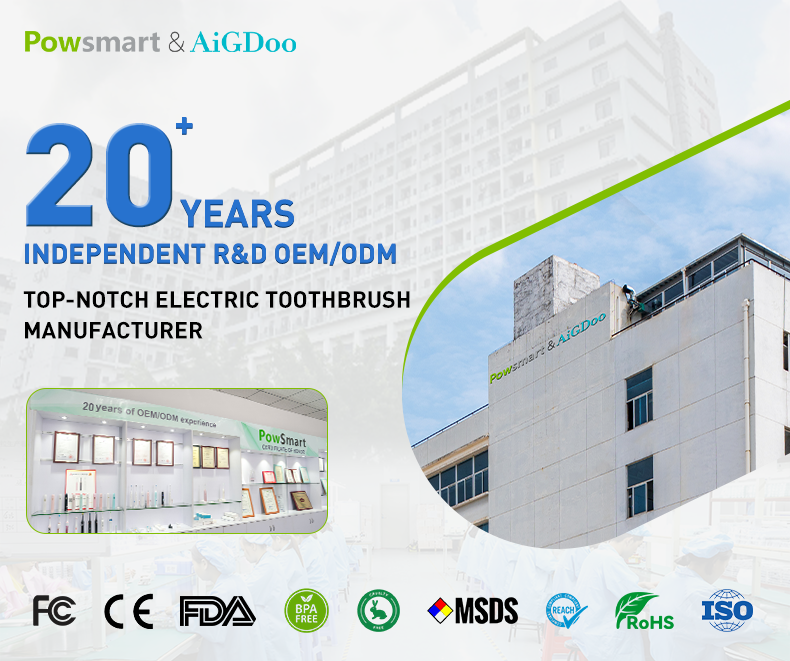
How Does a Whitening Pen Embody the Ultimate Portable Design for On-the-Go Care?
Planet-Friendly Oral Care: Sustainable Manufacturing Solutions for Modern Brands
.jpg)
3-in-1 Teeth Whitening Device Wholesale | Multi-Mode LED Whitening System Supplier
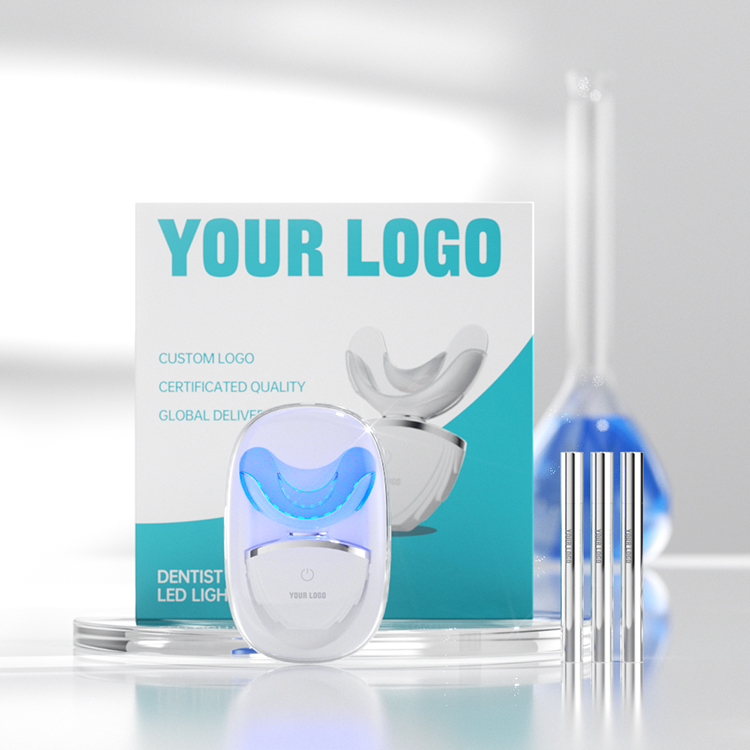
Can a Percussive Hydraulic Mechanism Be Combined With an Anti-microbial Reservoir for Safer Oral Irrigation?
.jpg)
Electric Toothbrush Noise Level Test: Powsmart vs. Philips & Oral-B
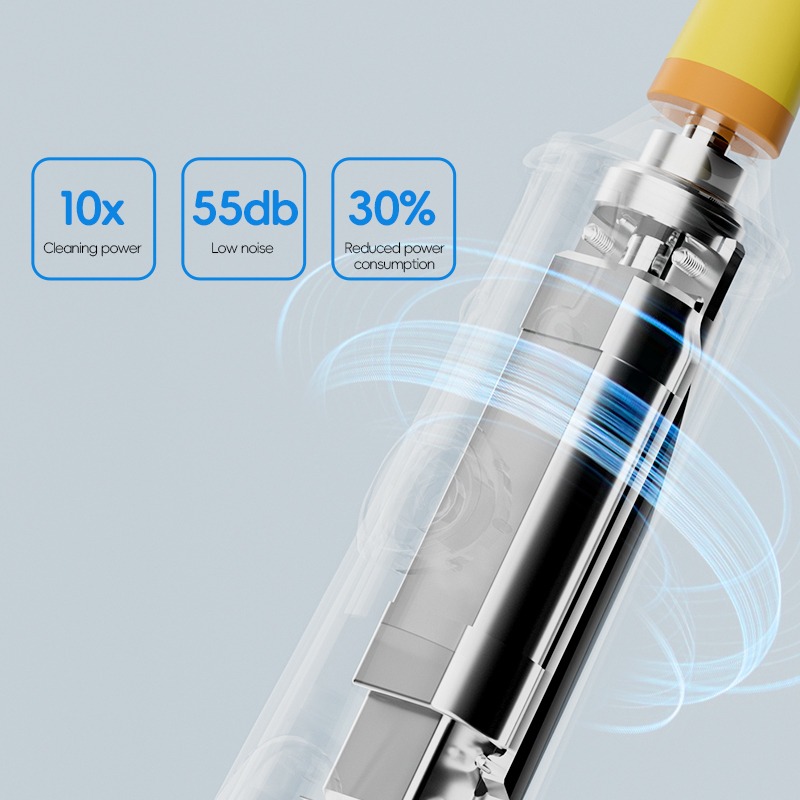
How Does This Quiet Electric Toothbrush Score in Noise Comparison Test?
Sonic Toothbrush ODM Service for Brand Development | From Concept to Mass Production
Dallas Electric Toothbrush Supplier
Electric Toothbrush OEM/ODM Solutions for Small Batch Customization
As a Micro Motor Supplier, Do You Guarantee Brush Head Compatibility?
How does Pulse Water Technology enhance the effectiveness of an Orthodontic Jet Tip?
Why Should a Cosmetic Grade Whitening Gel Come with a Precision Gel Applicator?
Are At-Home Teeth Whitening Kits Safe for Long-Term Use? An OEM Analysis
Small Batch Electric Toothbrush OEM Manufacturing for Emerging Brands


.jpg)
.jpg)
.jpg)
.jpg)
.jpg)






.jpg)