Oral hygiene is a critical aspect of personal care, and flossing plays a key role in maintaining healthy teeth and gums. Traditionally, dental floss has been the go-to method for removing food particles and plaque between teeth. However, with technological advancements, water flossers have emerged as an innovative alternative. From a manufacturing perspective https://www.powsmart.com/, both water flosser dental floss have unique production processes, cost structures, and material requirements. In this blog, we will conduct a Water Flosser vs. Traditional Dental Floss comparison, analyzing their differences in design, functionality, and production challenges.
Traditional dental floss is typically made from nylon or Teflon, coated with wax or fluoride for improved performance. The manufacturing process involves:
Extrusion and Stretching: Nylon or PTFE fibers are stretched to achieve the right thickness and durability.
Coating and Cutting: The floss is coated with wax, flavoring, or antibacterial agents and then cut into appropriate lengths.
Packaging: The floss is spooled and placed into plastic or cardboard containers with built-in cutters.
Low production cost: Raw materials are inexpensive, and the production process is highly automated.
Compact design: Easy to store and transport.
Eco-friendliness: Many brands now offer biodegradable floss options, reducing plastic waste.
Manual effort required: Users must guide the floss between teeth, which can be challenging.
Gum irritation risk: Improper technique can cause gum damage.
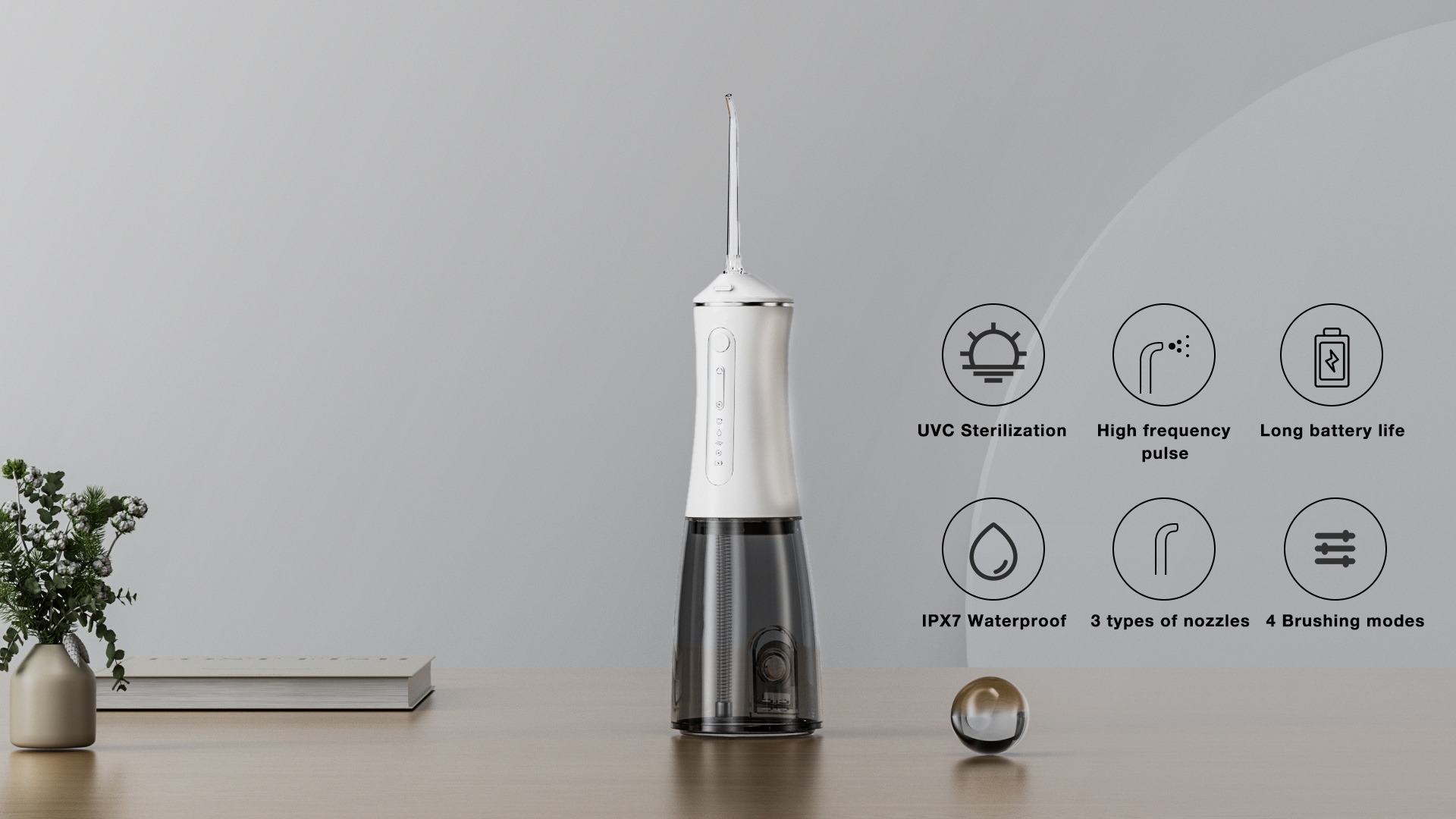
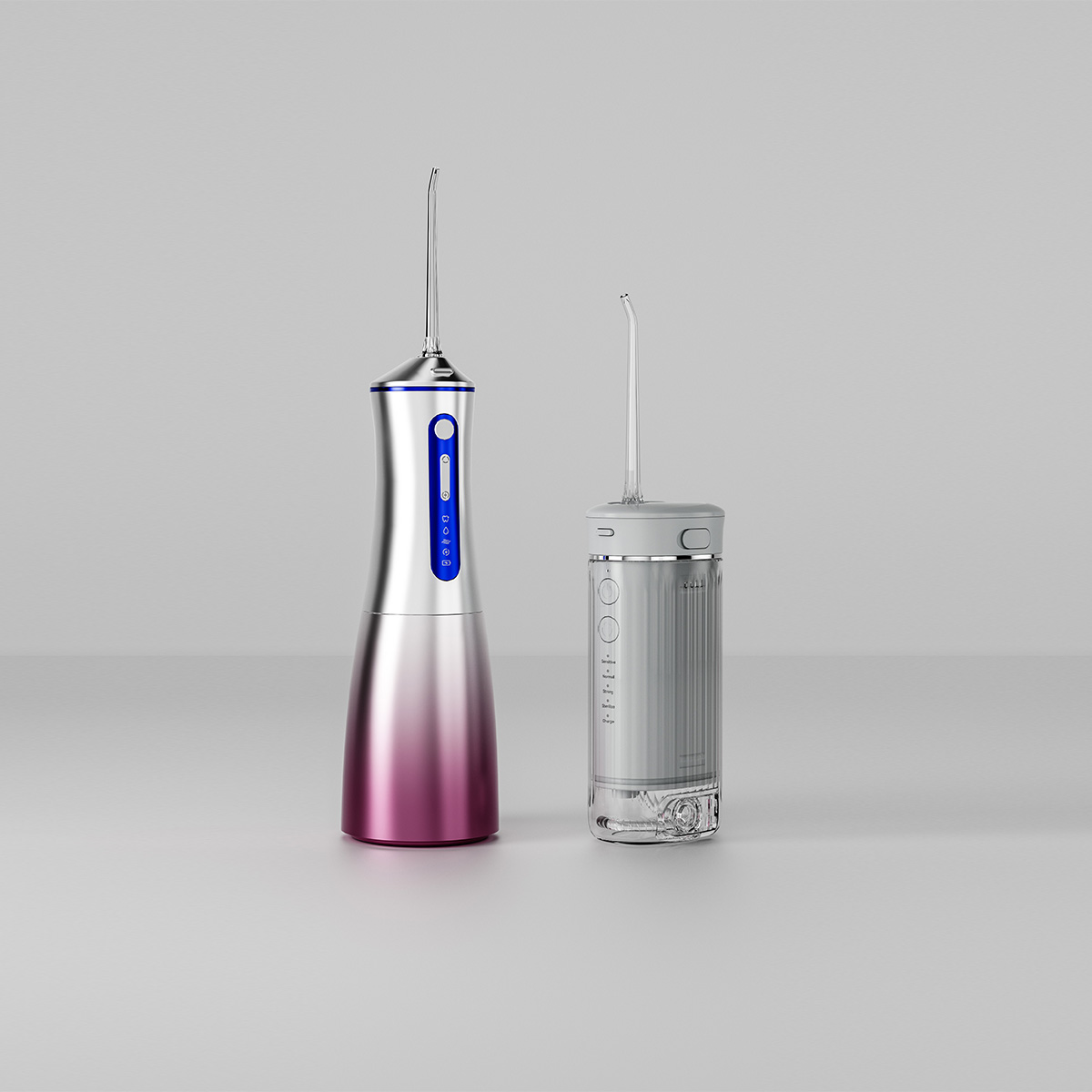
Unlike simple string floss, water flossers are smart electronic devices that require precision engineering. The key manufacturing steps include:
Injection Molding: Plastic components such as water reservoirs, nozzles, and handles.
Motor and Pump Assembly: The core technology of a water flosser involves a high-speed pump that generates pulsating water streams.
Electronic Integration: Circuit boards and rechargeable batteries are for adjustable pressure settings.
Quality Control: Testing ensures water pressure consistency and product durability.
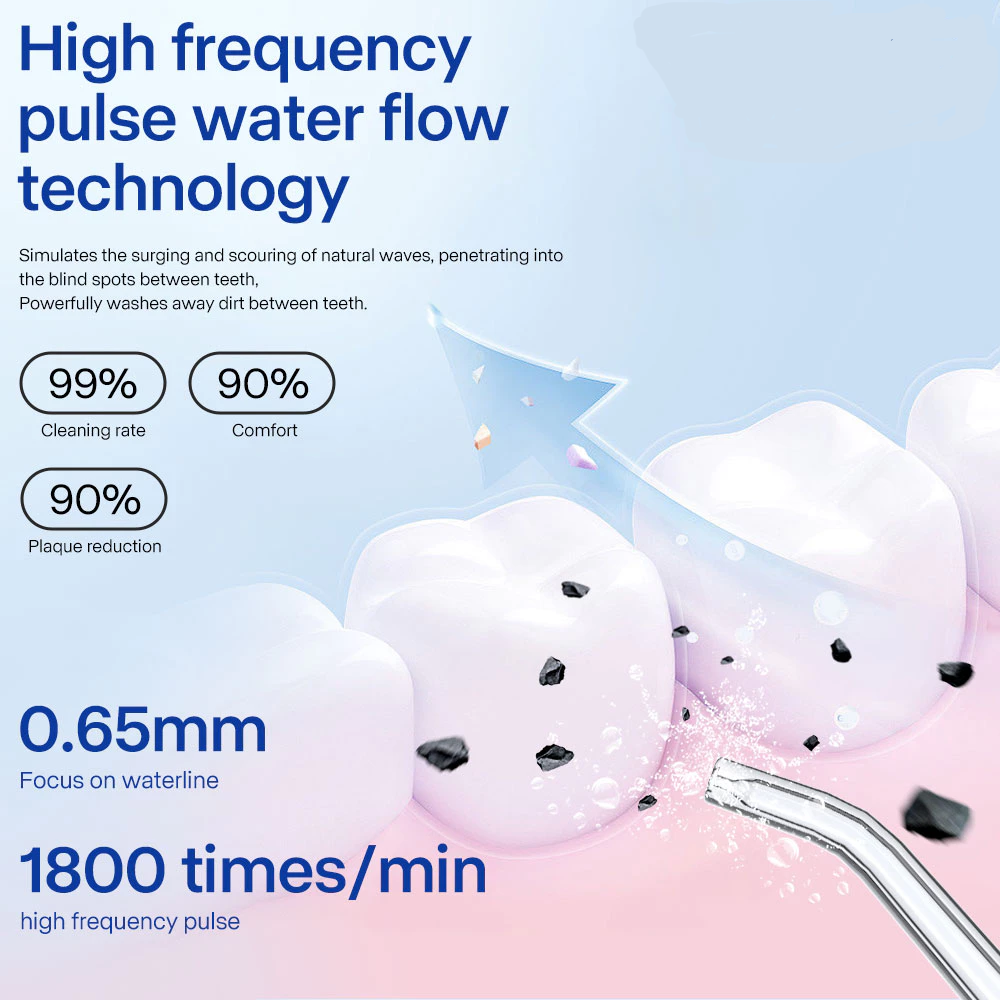
Superior cleaning efficiency: Water flossers use pressurized water to clean deep between teeth and along the gum line.
User-friendly design: Easier to use, especially for individuals with braces or sensitive gums.
Customization: Various pressure settings and nozzle designs cater to different user needs.
Higher production cost: Multiple components and electronic parts increase manufacturing expenses.
Regulatory compliance: Water flossers must meet electrical and safety standards in different markets.
Bulkier design: Requires more packaging and storage space compared to traditional floss.
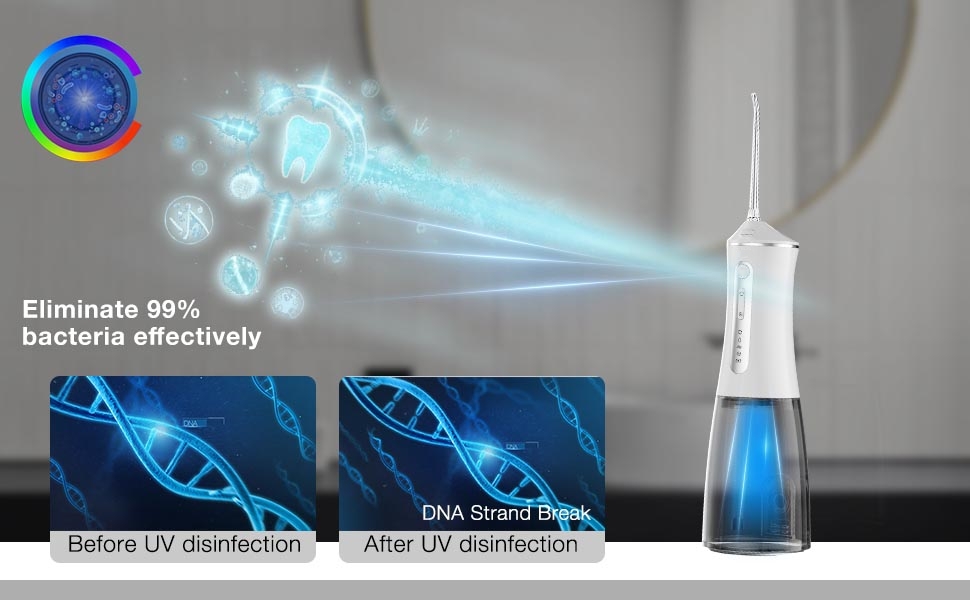
| Factor | Traditional Dental Floss | Water Flosser |
| Raw Material Cost | Low | High (Plastic, Electronics) |
| Production Complexity | Simple | Advanced (Multiple Components) |
| Retail Price | Low | High (Premium Pricing) |
| Durability | Single-use | Long-lasting (Rechargeable) |
With increasing awareness of oral health, the demand for water flossers is growing rapidly. The global market for water flossers is expected to expand significantly, driven by:
Technological advancements: Smart water flossers with app connectivity and AI-driven pressure adjustment.
Hygiene-conscious consumers: More people prefer touch-free, automated oral care solutions.
Professional endorsements: Dentists increasingly recommend water flossers for patients with orthodontic work or gum issues.
As environmental concerns grow, both traditional floss and water flossers are being redesigned with sustainability in mind:
Eco-friendly floss materials: Biodegradable silk floss and reusable floss handles are gaining popularity.
Sustainable water flosser production: Brands are focusing on recyclable plastics and energy-efficient designs to reduce environmental impact.
Reduced packaging waste: Both products are shifting toward minimal and recyclable packaging.
From a manufacturing perspective, both water flossers and traditional dental floss have distinct advantages and challenges:
Traditional floss remains a cost-effective and widely accessible option.
Water flossers offer superior cleaning and convenience but require more complex production and a higher retail price.
For manufacturers, the decision to produce either product depends on market demand, cost efficiency, and technological capabilities. As the oral care industry evolves, Powsmart anticipate continued innovation in both categories, ensuring consumers have access to the best oral hygiene solutions. https://www.powsmart.com/about-powsmart/
.jpg)
Why an oil worker toothbrush is an essential part of Texas worker dental safety?
.jpg)
Teeth Whitening Device Safety Compliance for OEM and Private Label Brands
Electric Toothbrush OEM Customization Process
IPX7 Electric Toothbrush OEM
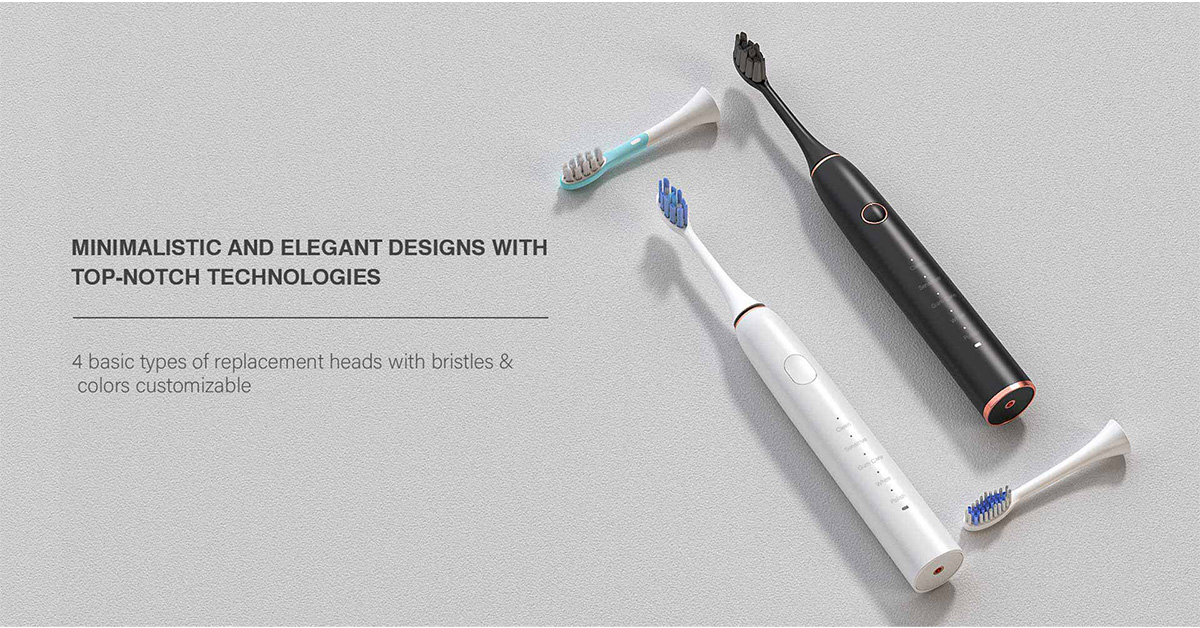
Market Trends and Competitiveness of Electric Toothbrushes
Is a Dentist approved Mumbai seal valid for an antibacterial brush head?
Is the cowboy style brush the ultimate symbol of Texas pride brush?
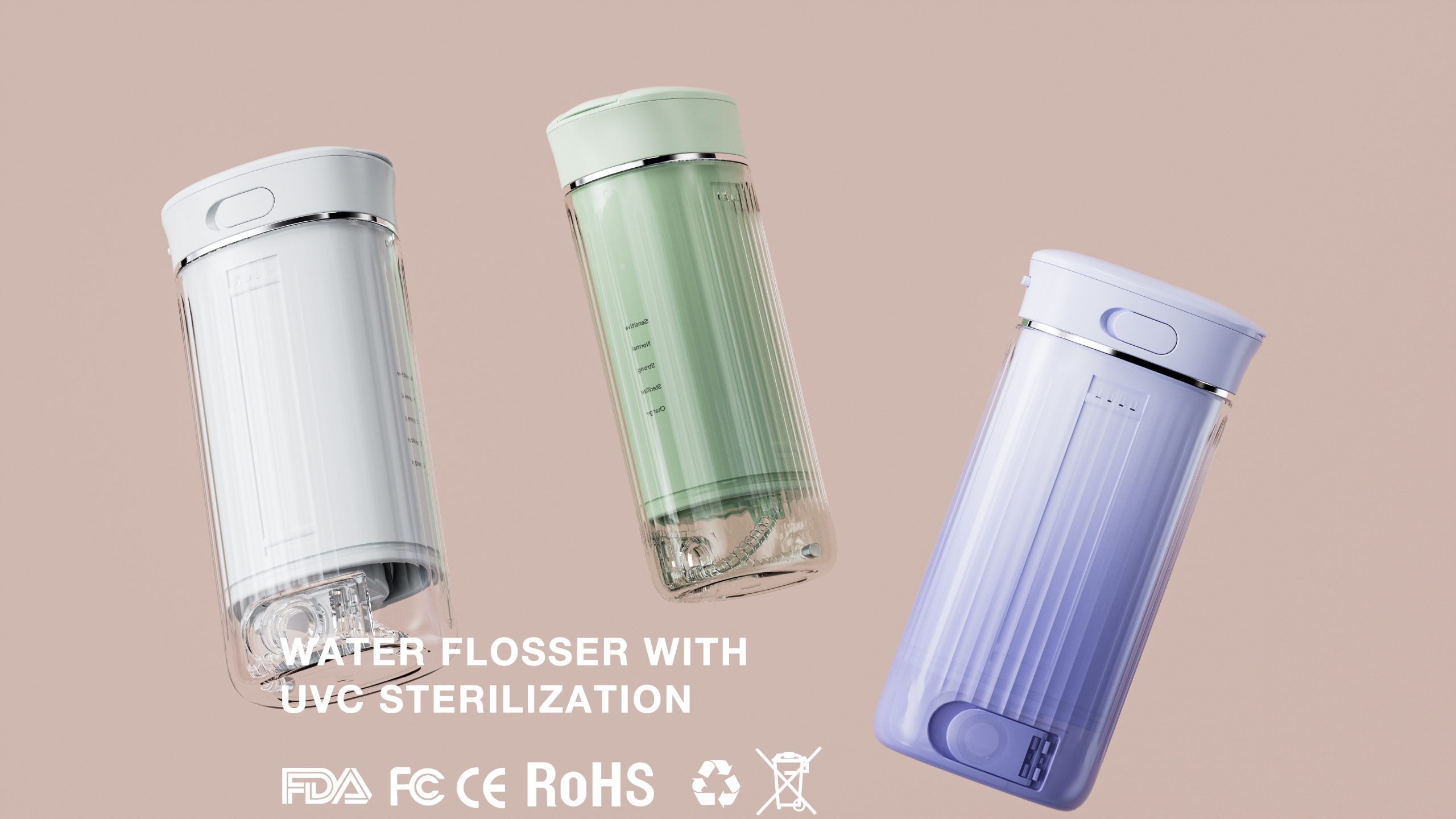
Challenges and opportunities currently facing the oral irrigator industry
Prospects of Dental Instruments in the Oral Care Industry
.jpg)
Why choose dental equipment suppliers in Lakebay WA for clinic-grade tools?
How Can Oral Care Product Distributors Optimize Product Details to Increase Sales?
Do the Various Brushing Modes Suit Users with Sensitive Gums and Those Wearing Dentures?
FAQ for New Water Flosser Brands: Avoiding Costly OEM Mistakes
Sonic Toothbrush OEM Partner for Global Oral Care Brands
Customizable Sonic Toothbrush OEM – Personalized High-Performance Designs for Global Brands
Austin Electric Toothbrush Supplier


.jpg)
.jpg)
.jpg)
.jpg)
.jpg)