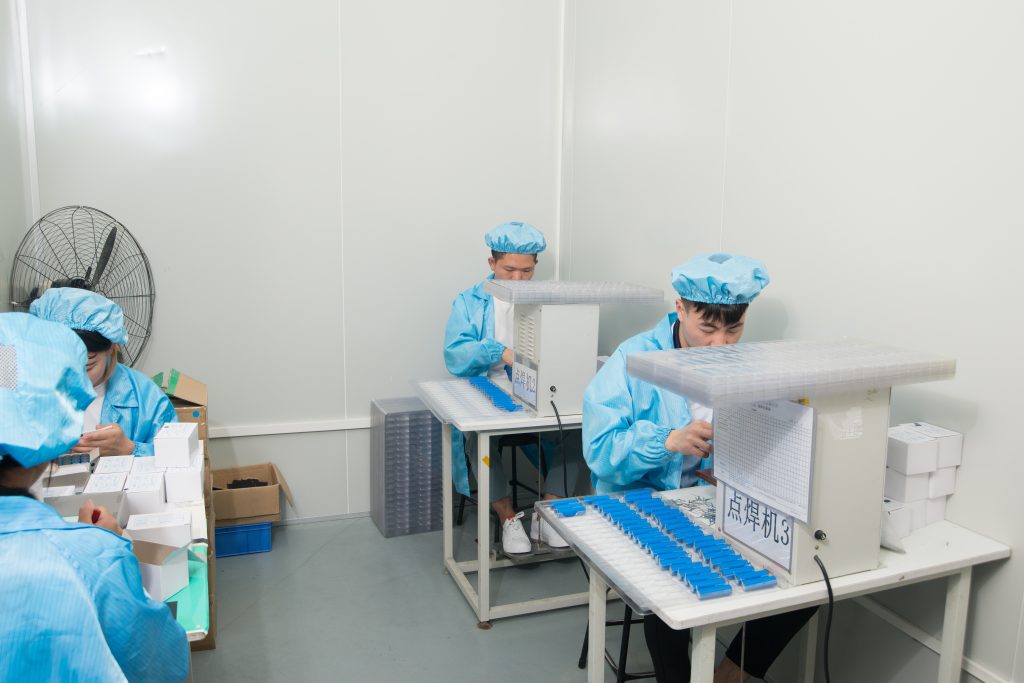
As demand rises, high-quality tooth flosser manufacturers must focus on both high efficiency and quality in production to stay competitive.This blog provides an in-depth analysis of the whole process of water flosser manufacturing, explaining how professional manufacturers optimize efficiency, ensure durability, and conduct reliability testing to deliver top-tier products.
Design and R&D: Laying the Foundation for Quality
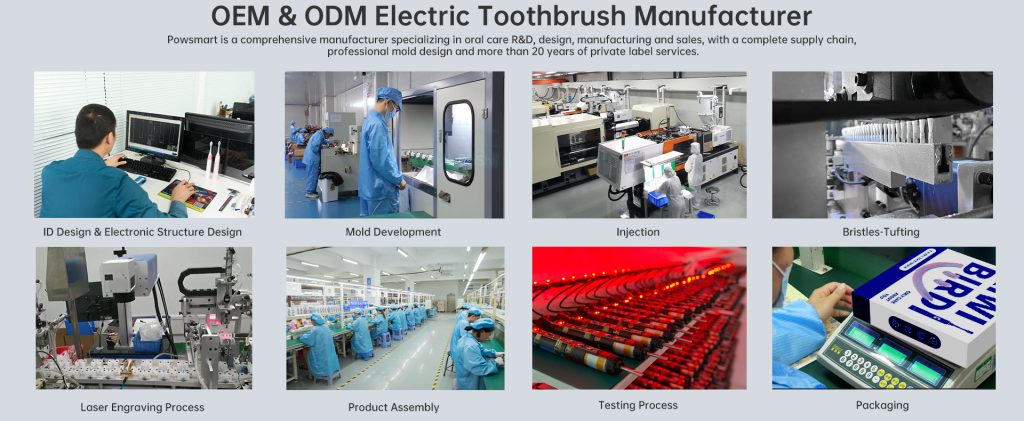
The first step in water flosser manufacturing is a well-planned research and development (R&D) process. This stage involves:
Market research to understand consumer needs
Prototype development to test product feasibility
Ergonomic and functional design to ensure ease of use
During this phase, manufacturers work closely with engineers and designers to create a product that meets both user expectations and industry standards.
Material Selection: Ensuring Durability and Safety
Choosing the right materials is essential for both high efficiency and quality in production. Common materials used include:
ABS and PP plastics for strong and lightweight housing
Stainless steel or medical-grade silicone nozzles for hygiene and durability
BPA-free water reservoirs to ensure safety
Selecting high-quality materials enhances the water flosser’s lifespan and performance, ensuring it withstands daily use.
Precision Manufacturing and Assembly: Optimizing Efficiency
Professional high-quality tooth flosser manufacturers use advanced manufacturing techniques to achieve precision and efficiency. The production process includes:
Injection molding for precise component shaping
Automated assembly lines to increase speed and consistency
Ultrasonic welding to create leak-proof water reservoirs
Automation and precision engineering significantly reduce production errors, improving overall efficiency.
Reliability Testing: Ensuring Long-Term Performance
Before reaching consumers, every water flosser undergoes rigorous reliability testing to ensure durability and safety. This includes:
Water pressure stability tests to maintain optimal cleaning power
Drop and impact tests to assess durability
Leak-proof and waterproof testing to guarantee long-term use
These tests ensure that each unit meets the required high efficiency and quality standards before being shipped.
Quality Control and Compliance: Meeting Industry Standards
High-end water flosser manufacturing must comply with global safety and quality standards. Manufacturers implement:
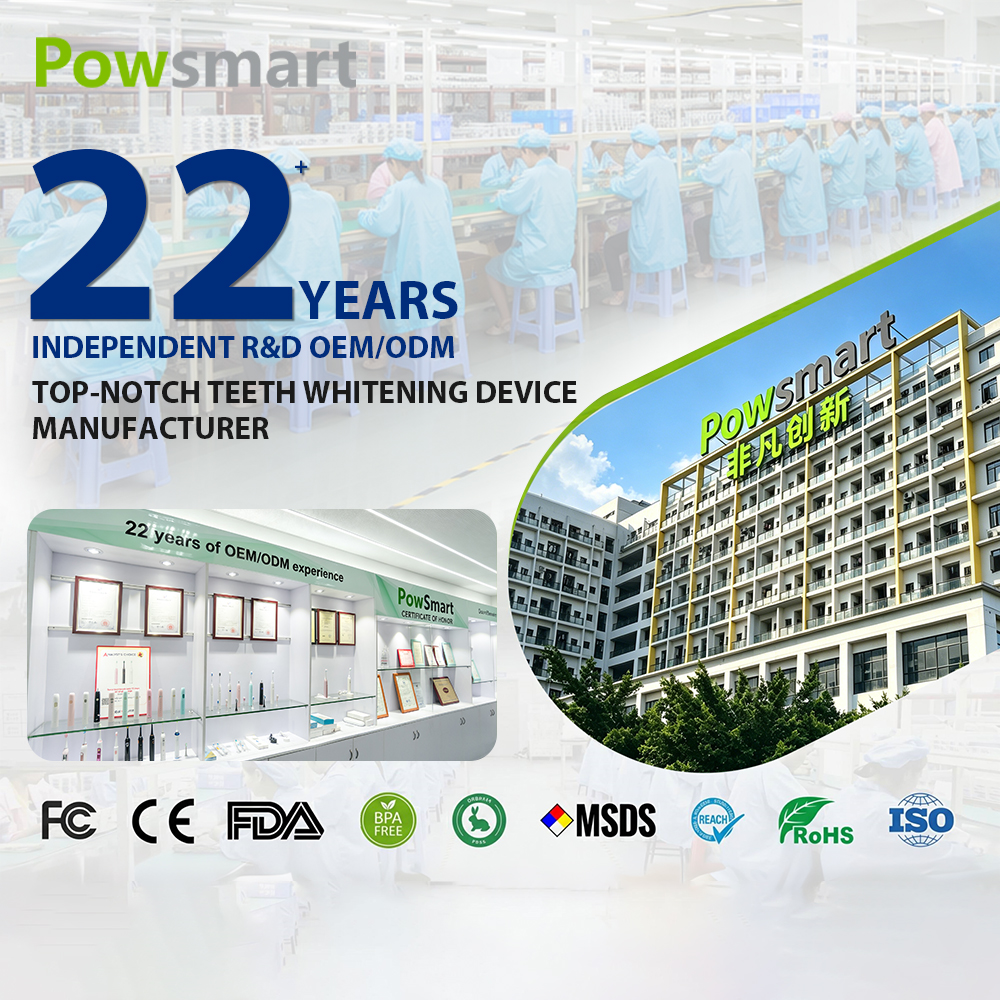
ISO-certified quality control systems
FDA, CE, and RoHS compliance for international markets
Strict final inspections before packaging
By adhering to these regulations, manufacturers ensure product reliability and consumer trust.
Conclusion: Delivering High-Quality Water Flossers with Efficiency
The success of high-quality tooth flosser manufacturers depends on:
Strong R&D and design processes
Careful material selection for safety and durability
Advanced manufacturing to boost efficiency
Comprehensive reliability testing to ensure quality
Strict quality control measures for market compliance
By mastering these processes, manufacturers can guarantee high efficiency and quality, delivering durable and effective water flossers to global markets.
Looking for a reliable water flosser manufacturing partner? Contact us today to explore how our expertise can help you develop premium oral care products!
.jpg)
