In the development of oral care devices and formulations, taste distortion and pH imbalance are often treated as isolated quality control challenges. However, in recent field analyses, a worrying trend emerges: these two phenomena frequently coexist, forming a feedback loop that exacerbates both user discomfort and product performance risks. Is this merely coincidence—or an indication of a deeper design flaw that could harm end-user perception and safety?
pH imbalance occurs when the acidity or alkalinity of a device’s interface—whether in its cleaning solution, water flow, or even surface coating—deviates from the neutral levels compatible with the oral environment (typically pH 6.5–7.5). Such imbalance can arise from:
When left unchecked, this imbalance can disturb the natural equilibrium of the user’s oral biome, leading to irritation, biofilm disruption, or increased sensitivity.
Taste distortion refers to a perceived alteration or metallic taste during or after use of a device. This may be caused by:
While it may seem a minor issue, sustained taste alteration can significantly reduce compliance and customer satisfaction—especially in therapeutic or daily-use devices.
Here lies the real concern: pH imbalance and taste distortion can create a vicious cycle. For example:
Manufacturers must view these not as separate quality metrics, but as interdependent indicators of system integrity.
To break the cycle between taste distortion and pH imbalance, OEM developers should consider:
Design strategies must prioritize user interface zones, where even minor pH shifts can be magnified by direct mucosal exposure.
While lab data may show acceptable thresholds, real-world use often reveals compounded effects. Thus, testing protocols should include:
OEMs working with ODM partners should demand comprehensive sensory and chemical evaluations—especially for new material introductions or formula upgrades.
Beyond technical issues, unresolved taste distortion or recurring pH imbalance can raise:
Prevention, therefore, is not just a quality concern—it is a brand protection strategy.
Taste distortion and pH imbalance are more than mere sensory inconveniences. Together, they represent a systemic flaw that can compromise product quality, user health, and long-term trust. By prioritizing robust design validation, selecting the right materials, and implementing dynamic testing, manufacturers can disrupt this cycle—before it damages their product reputation or the user experience. Contact Kiwibird
-300x300.jpg)
-300x300.jpg)
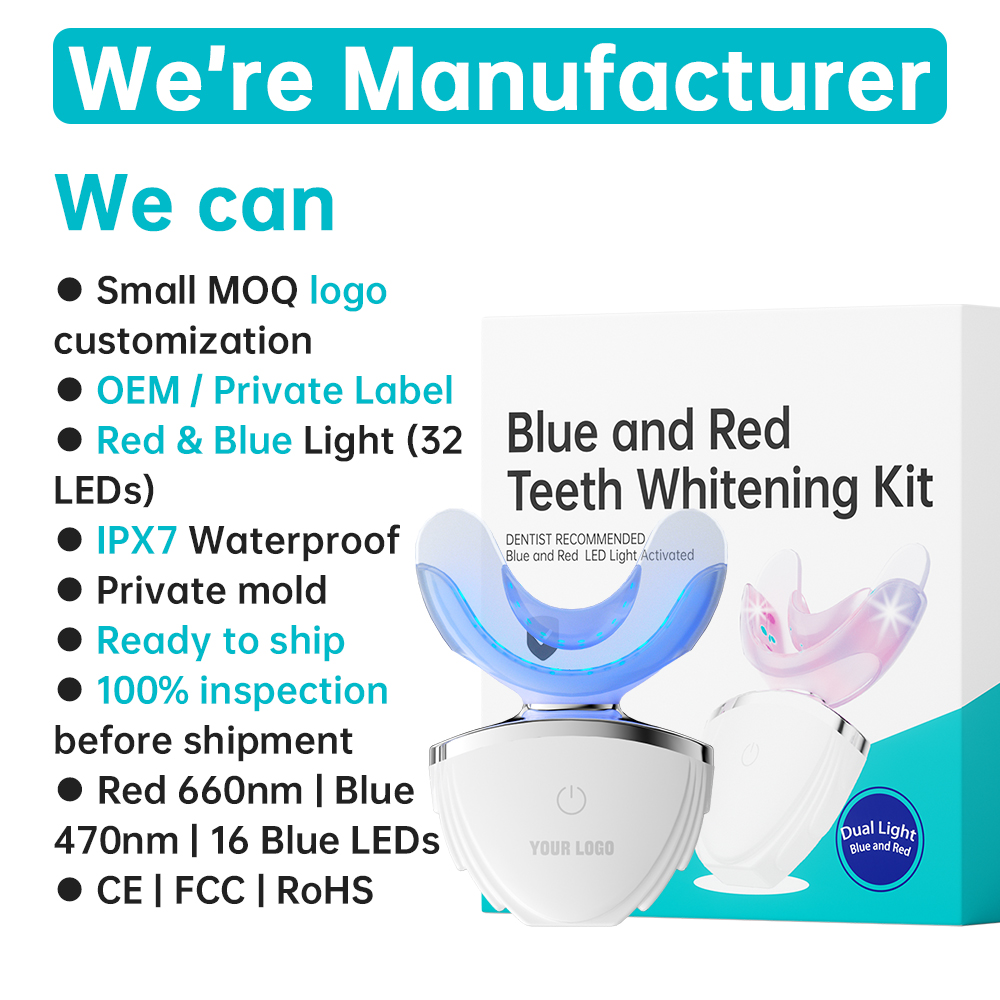
How Does Your LED Whitening Lamp Activate Our Whitening Gel Formulation?
.jpg)
Electric Toothbrush Gujarat | Modern Family Care
OEM Smart Toothbrush Manufacturer | Custom B2B Solutions for Global Brands
Does Continuous Bluetooth Connectivity Significantly Affect Overall Battery Life of Electric Toothbrushes?
Electric Toothbrush Private Label Supplier | Build Your Custom Brand Line
Corporate Gift Electric Toothbrush Wholesale | Premium Business Gifts
-2-scaled.png)
Small Business – Health & Household Oral Care Products
Rechargeable Whitening Device OEM for Global B2B Brands
How Does Integrated Water Flosser Accessory Production Optimize Your Oral Irrigator Bulk Pricing?
Split Bristles Linked to Enamel Cracks? 90% of Users Ignore This Danger!
Looking for Servo Motor Customization to Achieve a Superior Bidirectional Vibration Motor Effect?
premium metal body electric toothbrush OEM | Luxury Design Manufacturer
low noise sonic toothbrush supplier | Quiet Sonic Toothbrush OEM Manufacturer
.jpg)
Powsmart Electric toothbrush Factory Birmingham Alabama
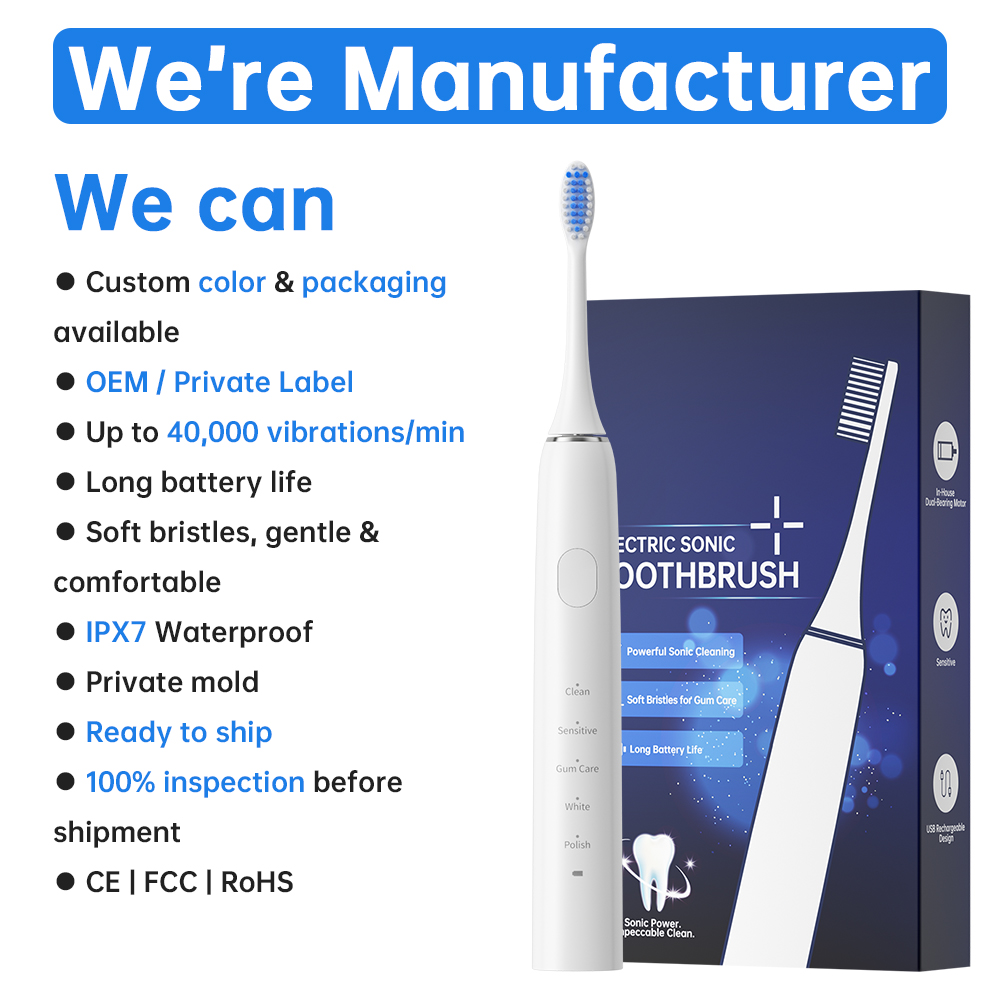
Why is Quality Certification Support integral to a successful Contract Manufacturing agreement?
Electric Toothbrush Parts & Accessories Supplier


.jpg)
.jpg)
.jpg)
.jpg)
.jpg)