In today’s manufacturing industry, Conflict Mineral Reporting and Carbon Neutral Manufacturing are increasingly important. Companies are being held accountable for the materials they use and the environmental impact they leave behind. These two concepts must be aligned to create a transparent and sustainable supply chain. This blog explores the connection between Conflict Mineral Reporting and Carbon Neutral Manufacturing, and why their alignment is essential for long-term success.
Conflict Mineral Reporting refers to the disclosure of the origin of minerals used in manufacturing. This practice aims to prevent the use of minerals that fund armed conflicts, particularly in regions like the Democratic Republic of Congo (DRC). Companies must trace the supply chain and report the sources of tin, tungsten, tantalum, and gold, known as the “3TGs.”
By ensuring transparent sourcing, companies can contribute to peace and stability in affected regions. They also meet regulatory requirements and demonstrate their commitment to ethical practices.
Carbon Neutral Manufacturing involves balancing the amount of carbon dioxide emitted during production with an equivalent amount of offset or reduction. Companies achieve carbon neutrality by reducing emissions through energy efficiency, sustainable materials, and using renewable energy. They then offset any remaining emissions through carbon credits or investments in carbon-reducing projects.
This approach helps mitigate climate change and shows a company’s commitment to environmental responsibility. Achieving carbon neutrality is crucial for businesses aiming to meet global sustainability goals.
At first glance, Conflict Mineral Reporting and Carbon Neutral Manufacturing may seem unrelated. However, both involve ensuring that business practices do not cause harm—whether to people or the planet. By promoting ethical sourcing and minimizing environmental impact, companies can foster a positive reputation and improve stakeholder trust.
A company that commits to both areas demonstrates a holistic approach to corporate responsibility. Ethical sourcing practices, like conflict-free minerals, support environmental sustainability goals by ensuring that resources are responsibly extracted with minimal harm.
Aligning Conflict Mineral Reporting and Carbon Neutral Manufacturing requires comprehensive strategies. Companies must:
By combining these efforts, businesses can create a more resilient and ethical supply chain that not only meets legal requirements but also contributes to long-term sustainability.
Aligning Conflict Mineral Reporting and Carbon Neutral Manufacturing poses challenges. Companies must gather extensive data from their supply chain, which can be complex and geographically diverse. Ensuring suppliers adhere to both environmental and ethical standards requires ongoing monitoring and auditing. Furthermore, implementing carbon-neutral processes across the entire supply chain often requires significant investments in technology and infrastructure.
Despite these challenges, the long-term benefits far outweigh the initial costs. Companies that align these practices will stand out as leaders in sustainability and corporate responsibility.
Conflict Mineral Reporting and Carbon Neutral Manufacturing are two crucial aspects of modern business practices. Companies that align these efforts show a commitment to ethical sourcing and environmental responsibility. By ensuring that both practices are in place, businesses can build a more sustainable and ethical supply chain, leading to long-term success and stakeholder trust.
In a rapidly changing world, it is essential for companies to address both environmental and social concerns. By doing so, they can make a positive impact on the world while thriving in a competitive market. Contact us
.jpg)
nicotine teeth whitening guide: smoker solutions
Runtime Shortening with Battery Memory – Related?
Dental Veneers Whitening Guide: Maintain Brightness for Your Veneers

Does Your Dental Hygienist Recommendation Program Include a Patient Education Materials Package?
Waterproof Electric Toothbrush Supplier
Electric Toothbrush Design and Tooling Factory
Dad Teeth Whitening Guide | Pre-Father’s Day Smile Prep
Gel Leakage Plus Enamel Erosion – Double Damage?
Denture Sore Mouth Toothbrush | Stomatitis
Taste Alteration After Tray Misalignment – Coincidence?

Is Frictionless User Onboarding the First Hedonic Adaptation Countermeasure for Smart Toothbrushes?
Nozzle Clogging Plus Tray Deformation – Design Flaw?
Electric Toothbrush Durability Design OEM: Long-Term Performance Solutions
vitamin deficiency teeth whitening: realistic goals
Advanced LED Sonic Toothbrush Manufacturer
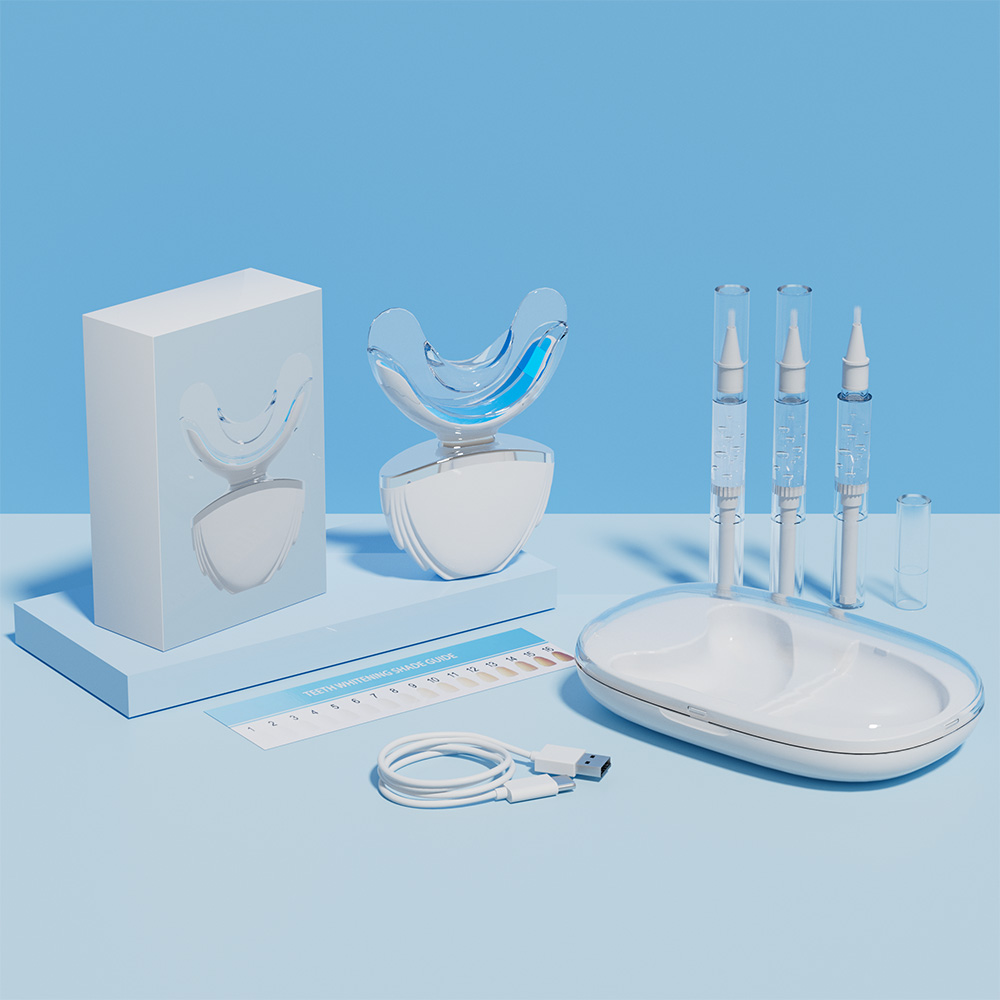
Prospects of Dental Instruments in the Oral Care Industry


.jpg)
.jpg)
.jpg)
.jpg)
.jpg)






.jpg)