When choosing an electric toothbrush, the charging method is a critical consideration, with options like Type-C , wireless or magnetic charging, each method offers unique benefits and potential drawbacks. As an experienced OEM electric toothbrush manufacture, Powsmart will help you evaluate which charging type best suits your needs or aligns with your business objectives.
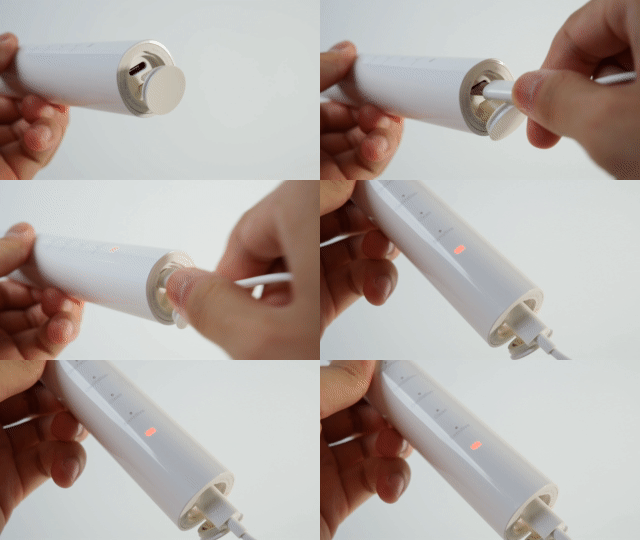
Type-C charging has become a popular choice due to its speed, reliability, and universal compatibility. Many modern devices use Type-C, making it convenient for users who prefer a single cable for multiple gadgets. For electric toothbrushes, Type-C charging ensures rapid power delivery and efficient energy usage.
Advantages:
However, the reliance on physical ports can make this method vulnerable to wear and tear, especially in humid bathroom environments.
Wireless charging has revolutionized how users interact with electric toothbrushes. By simply placing the toothbrush on a charging base, users can avoid the hassle of cables entirely. This option is particularly appealing for its sleek design and ease of use.
Advantages:
However, wireless charging often comes with slower charging speeds compared to Type-C charging. Additionally, it typically requires more energy, which may not align with eco-conscious preferences.
Magnetic charging combines some of the best features of Type-C and wireless charging. It uses magnetic connectors to secure the toothbrush to the charger, ensuring a stable and efficient energy transfer.
Advantages:
While magnetic charging offers a reliable solution, its adoption in electric toothbrushes is less widespread, which might limit the availability of replacement parts or accessories.
The choice between Type-C charging, wireless charging, and magnetic charging depends on your priorities:
For businesses in the electric toothbrush market, diversifying charging options can cater to different consumer segments. For instance, offering a Type-C charging option for budget-friendly models and wireless or magnetic charging for premium designs can expand market appeal.
Each charging method—Type-C charging, wireless charging, and magnetic charging—has its distinct advantages. The best choice ultimately depends on your preferences or business strategy. After figuring out the pros and cons of these charging options, you can make an informed decision to enhance user experience and satisfaction. Powsmart is producing and supplying 90-day battery life electric toothbrushes for OEM/ODM and brand customization service. Contact us if you’re interested in or still have questions in starting your private label electric toothbrush business.https://www.powsmart.com/contact-us/
Why Is Cavitation Cleaning Technology More Effective With a Micro-Perforated Brush Head?
.jpg)
OEM smart toothbrush manufacturer
Waterproof Travel Electric Toothbrush OEM | Portable Oral Care
Three Tips on Starting Your Teeth Whitening Business with the Right OEM Partners
Timer Malfunction with Whitening Reversal – Wasted Effort?
.jpg)
Looking for Electric Toothbrush for Travel Wholesale as an Oral-B Electric Toothbrush Distributor?
.jpg)
Why an oil worker toothbrush is an essential part of Texas worker dental safety?
Charger Mismatch Causing Battery Incompatibility?
.jpg)
Proven Strategies to Unlock Premium Water Flosser Brands Positioning
Low MOQ Sonic Toothbrush Supplier for Emerging Oral Care Brands
Teeth Whitening Device Compliance EU — A Practical Guide for B2B Brands
How to Enhance Cleaning Power and Protect Teeth Through Technological Innovation
Grape Juice Teeth Stains | Kid-Safe Whitening
.jpg)
What Should Be Noted When Children Use Water Flosser?
Replaceable Head Sonic Toothbrush for OEM | Sustainable & Cost-Effective Oral-Care Solutions
Professional vs. Home Use: Key Technical Differences in Teeth Whitening Blue Lights


.jpg)
.jpg)
.jpg)
.jpg)
.jpg)






.jpg)