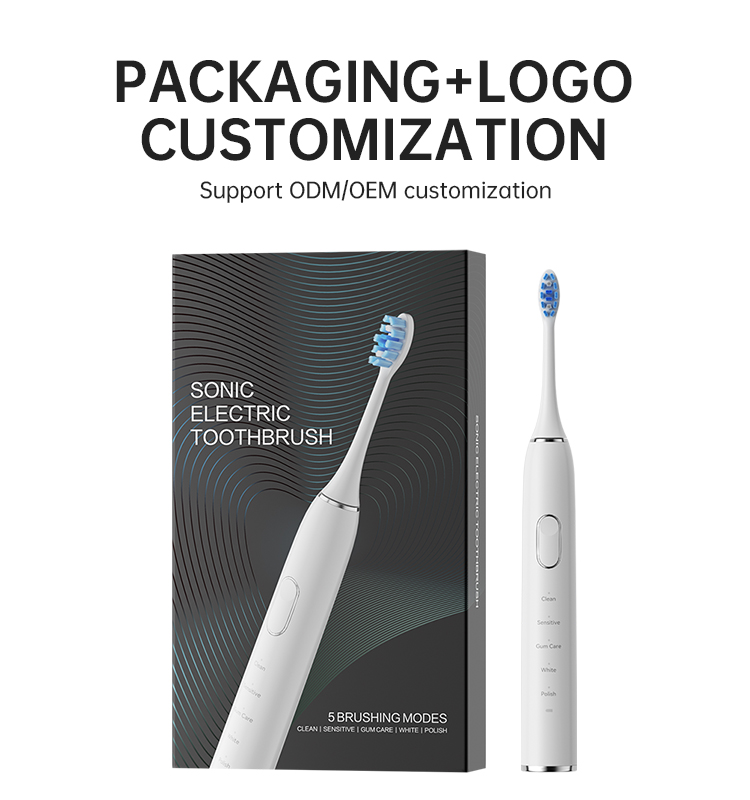
Despite decades of oral health education, poor brushing habits remain a global issue. Many people brush for too short a time, often skipping key areas of the mouth. That’s where the 2-minute brushing rule—endorsed by dental professionals worldwide—comes in. Yet knowing what’s “right” doesn’t always translate into action.This is why smart timer features are becoming essential in the next generation of oral care tools. For private label toothbrush brands looking to launch or enhance product lines, smart timers are not just an added function—they are a key differentiator that directly influences consumer behavior and long-term oral care habits. What Is a Smart Timer and How Does It Work? A smart timer is a built-in function that tracks the duration of each brushing session. Most commonly, it’s pre-set to 2 minutes, and often paired with quadrant alerts (30 seconds for each part of the mouth). Some advanced timers even pause or change vibration modes to signal when it's time to move on. Incorporating this feature into a private label toothbrush encourages users to follow dentist-recommended routines. In many cases, this small addition leads to significantly better oral hygiene outcomes—especially for children, teens, and users with inconsistent brushing patterns. The Psychology Behind…
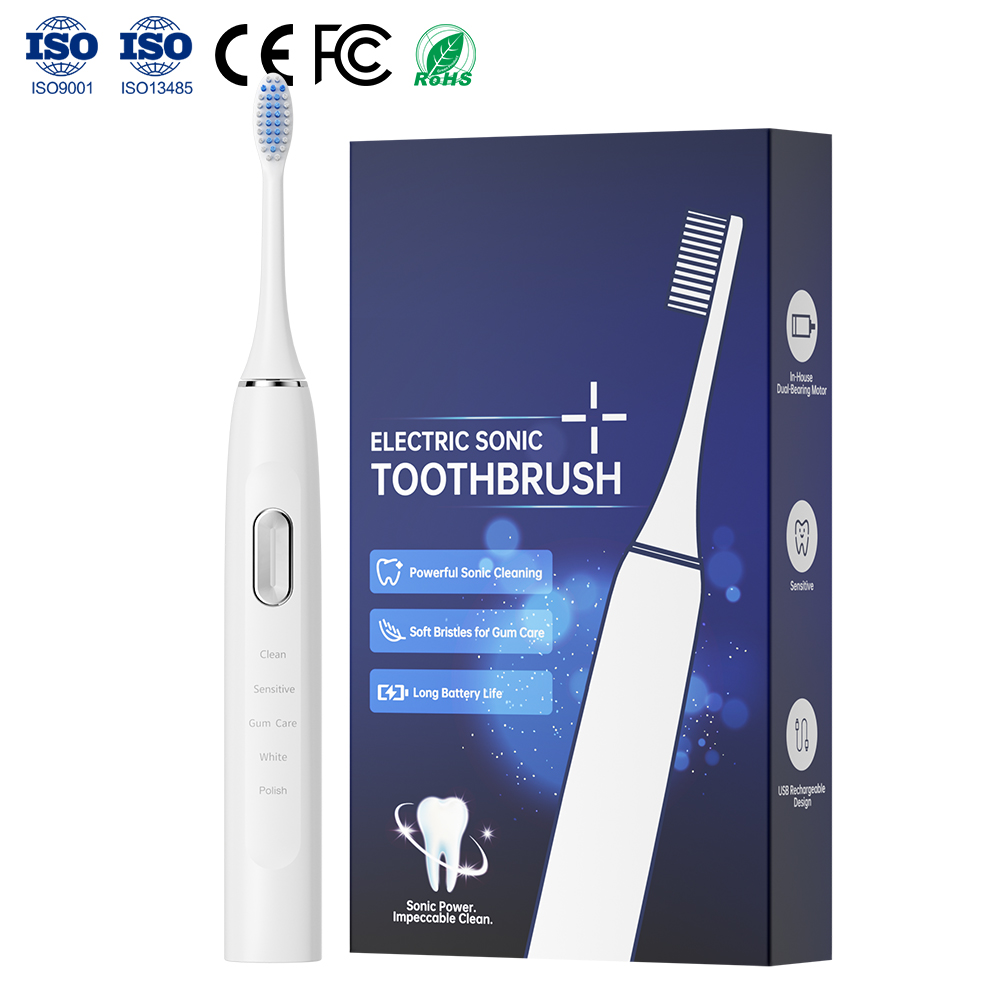
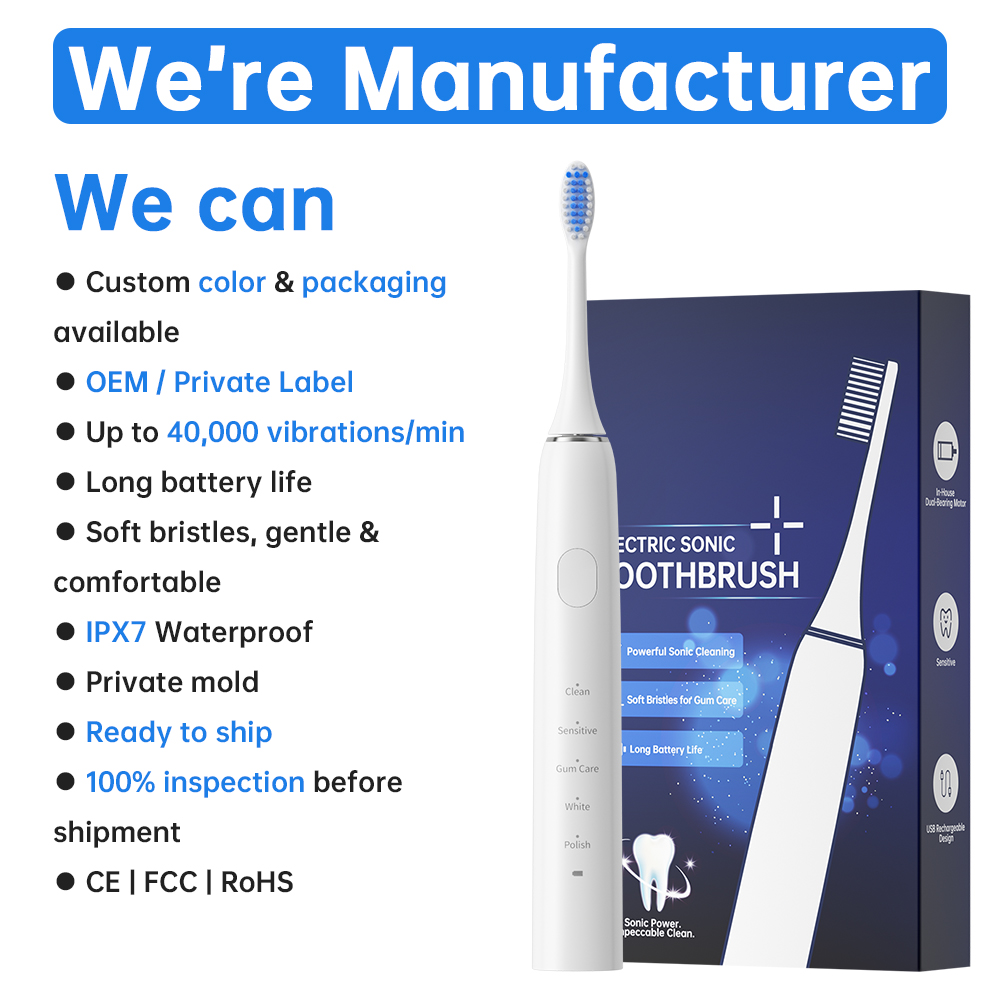
Introduction: Understanding High-Frequency Vibration in Electric Toothbrushes For brands exploring an OEM electric toothbrush, one question comes up often: Is high-frequency vibration safe for sensitive gums and teeth? In fact, many modern toothbrushes now use 40,000 vibrations per minute to improve plaque removal and brushing efficiency. However, this level of power can raise concerns—especially for users with sensitive teeth. Therefore, for oral care brands targeting comfort-conscious consumers, balancing cleaning performance and gentle brushing is essential. The Science Behind 40,000 VPM At first, 40,000 vibrations per minute may sound aggressive. Yet, this frequency is widely used in leading toothbrush designs. Why? Because it helps remove plaque more effectively, particularly along the gum line and between teeth. Moreover, with the right bristle design and motor control, this speed can still feel gentle. For example, soft bristles combined with rounded brush heads reduce irritation. Therefore, high-frequency vibration doesn’t always mean harsh brushing—it depends on how it’s implemented. Sensitive Teeth Require Smart Design Not every user tolerates intense vibration well. For those with sensitive teeth or gums, discomfort may arise if the brush lacks customization. Fortunately, many OEM electric toothbrush designs now include multiple brushing modes. Users can switch between settings like “Clean,” “Sensitive,”…
As consumers increasingly prioritize smart, effective, and health-focused technologies, demand for cutting-edge magnetic levitation motor toothbrushes is rapidly growing. Brands seeking to enter or expand in this space need a reliable Magnetic Levitation Toothbrush Factory with proven experience in both innovation and large-scale manufacturing. This article outlines what to look for in a top-tier manufacturing partner offering premium dental OEM services. What Is a Magnetic Levitation Toothbrush? Magnetic levitation (maglev) toothbrushes use advanced brush motors driven by magnetic fields, enabling ultra-high-speed vibrations with minimal noise and friction. Compared to traditional sonic motors, maglev motors deliver smoother performance, higher cleaning efficiency, and longer product lifespan. Key advantages include: High-frequency vibration (31,000–40,000 rpm) for superior plaque removal Quieter operation due to frictionless motor design Energy efficiency and longer battery life Improved durability, ideal for long-term consumer use For brands seeking innovative oral care products, maglev motor technology offers a premium experience that appeals to tech-savvy and health-conscious consumers alike. What Makes a Reliable Maglev Toothbrush Factory? When selecting a maglev toothbrush factory, it’s critical to evaluate the following factors: Engineering and R&D capabilities: Can the factory develop proprietary brush motor systems or adapt designs to your brand’s needs? Production scalability: Can they meet your volume needs without sacrificing…
As the demand for smarter, quieter, and more effective oral care devices grows, magnetic levitation motor toothbrushes are emerging as the next big innovation. This advanced dental tech offers high-performance brushing, ultra-low noise, and minimal mechanical wear—key selling points in today’s competitive personal care market. For brands seeking innovative oral care products, understanding this breakthrough technology is essential. Whether you're a startup entering the market or an established brand looking to upgrade your lineup, partnering with an oral care products supplier specializing in levitation motor integration could be the key to staying ahead. What Is a Magnetic Levitation Motor Toothbrush? A magnetic levitation motor toothbrush utilizes a linear magnetic drive system, replacing traditional mechanical components with electromagnetic force to create high-frequency oscillations. Key Advantages: High-speed vibration (31,000–48,000 RPM) for superior plaque removal Quieter operation due to reduced mechanical friction Longer motor lifespan with minimal wear-and-tear Smooth, consistent performance even after prolonged use This cutting-edge magnetic levitation motor toothbrush technology has set new standards for performance and durability in electric oral care devices. Why Magnetic Levitation Motors Outperform Traditional Motors Traditional motors rely on gear systems or rotor-based designs. While effective, they create: More vibration noise Greater energy loss through friction Faster wear on internal parts In contrast, levitation motors use magnetic…
As demand rises for advanced oral care, many OEM/ODM buyers are turning to the Stain Removal Rotating Brush for its enhanced whitening effect and plaque removal. However, some manufacturers are now questioning whether its long-term use could be contributing to an overlooked issue: motor corrosion. Is this a hidden problem lurking behind surface-level cleaning power? The Appeal of Stain Removal Rotating Brushes The Stain Removal Rotating Brush is engineered to rotate at high speeds, often in combination with pressure-based polishing features. It targets: Coffee, tea, and wine stains Plaque accumulation near the gumline Surface discoloration caused by smoking or acidic diets Its robust rotation mechanism delivers noticeable aesthetic results, making it a favorite in whitening-focused product lines. However, this same mechanism introduces moisture and particulate exposure risks for internal components. How Motor Corrosion Begins At the heart of every rotating brush lies a compact electric motor. Over time, especially in high-humidity environments like bathrooms, the following factors can lead to motor corrosion: Seal failure or degradation around the motor housing Condensation build-up during or after use Ingress of toothpaste residue, mouthwash, or saliva Electrochemical reactions between metal components and cleaning agents Once corrosion begins, it weakens electrical conductivity, introduces friction,…
As innovation advances in personal oral care, the 3D Rotation Oscillation Brush has become a popular feature in electric toothbrush models across global OEM/ODM supply chains. However, concerns are emerging about potential sensor failure caused by mechanical complexity and long-term use. Could the very feature that enhances cleaning performance compromise the device’s reliability? What Is a 3D Rotation Oscillation Brush? The 3D rotation oscillation mechanism combines three distinct movements: circular rotation, oscillation, and pulsation. This tri-directional action is designed to: Remove plaque more efficiently Improve gum line cleaning Simulate dentist-grade brushing motion For OEMs, it offers a performance-driven selling point. But with complexity comes increased mechanical interaction—and potential stress on internal components, particularly embedded sensors. Role of Sensors in Smart Toothbrushes Modern electric toothbrushes often include multiple sensors such as: Pressure sensors to prevent gum damage Motion sensors for brushing guidance and app tracking Position detection for quadrant timing Temperature sensors in some high-end models These components rely on stability and minimal vibration to function correctly—both of which may be affected by aggressive brush head movement over time. Can 3D Motion Cause Sensor Failure? While 3D rotation oscillation provides superior cleaning, its mechanical design can create: Increased vibration and torque…
In the world of oral care innovation, the Wireless Charging Toothbrush IPX7 has become a popular offering for its waterproof integrity and user convenience. However, an increasing number of OEM/ODM buyers are raising concerns about material toxicity, especially during long-term use or under high-temperature exposure conditions. Is this a manageable risk—or a hidden compliance issue waiting to surface? Understanding Wireless Charging Toothbrush IPX7 Ratings An IPX7-rated wireless charging toothbrush is designed to withstand immersion in water up to 1 meter for 30 minutes. It offers: Seamless waterproof housing for bathroom safety Wireless charging base integration without metal contact ports Enhanced durability in wet environments While this rating ensures water protection, it doesn't automatically certify chemical safety or material stability under prolonged exposure to moisture and heat. What Is “Material Toxicity” in Toothbrush Manufacturing? Material toxicity refers to the potential release of harmful substances from product components such as: Plastic casings (e.g., BPA, phthalates) Silicone seals (e.g., untested additives, plasticizers) Battery enclosures (leaching of lithium compounds or epoxy sealants) Paint or coatings (heavy metals, volatile compounds) In the context of electric toothbrushes, toxicity concerns rise when these materials degrade under temperature changes, UV exposure, or mechanical stress—conditions frequently present in bathrooms.…
The POWSMART Multi-Function Toothbrush has become a favorite in OEM/ODM procurement circles due to its feature-rich design. However, with advanced brushing modes, smart tracking, and integrated flossing options, some end users report user adaptation difficulties—especially in initial stages. Is the product too advanced for its own good? This blog explores the design, UX, and learning curve behind the multifunction trend. The Rise of Multi-Functionality in Electric Toothbrushes Driven by market differentiation and user demands for convenience, manufacturers now pack more into each unit. The POWSMART Multi-Function Toothbrush, for example, may feature: Multiple brushing modes (whitening, polishing, gum care, etc.) Integrated tongue cleaning or water flossing Bluetooth-connected brushing reports Real-time pressure sensing alerts Child lock or travel-safe functions While these features are valuable, they may increase cognitive load during first use. What Exactly Is “User Adaptation” in This Context? User adaptation refers to how quickly and comfortably a user learns to interact with a device to achieve intended results. In electric toothbrushes, poor adaptation manifests in: Using the wrong brushing mode for one's dental needs Failing to activate or understand smart features Disabling pressure sensors or timers out of frustration Underusing multifunction capabilities (e.g., ignoring floss or tongue-clean features) These behaviors…
As modern consumers increasingly value portability and minimalist design, space-saving oral care solutions are becoming a core trend in the personal care industry. Among them, compact electric toothbrush models are gaining strong traction—especially among travelers, urban professionals, and younger demographics. This surge has led to growing market demand for travel-sized products, creating new opportunities for brand owners and private label businesses. This blog explores the innovation behind compact electric toothbrush designs, their role in space-saving dental care, and what brand owners should consider when sourcing from a reliable travel-sized oral care products supplier. Why Compact Matters: Consumer Shifts Toward Portability Consumers are demanding functionality in smaller formats. Whether it's for carry-on luggage, gym bags, or limited bathroom counter space, space-saving dental care has become a high-priority feature. Key drivers of this trend include: Growth of travel and remote work lifestyles Increasing adoption of health-conscious habits on the go Aesthetic preferences for clean, minimalistic personal items This shift toward travel oral care makes it essential for brands to offer smaller, more portable versions of core oral hygiene products—without compromising performance. Features of Compact Electric Toothbrush Designs Modern compact electric toothbrush designs are engineered for efficiency, style, and convenience. Leading features include: Slim body profiles and foldable or…
As consumer demand for convenience and efficiency continues to rise, 2-in-1 dental care devices are becoming a major trend in the oral hygiene market. Among them, the Water Flosser Toothbrush Combo stands out as a smart, space-saving, and effective solution. For brands looking to expand or differentiate their product lines, this 2-in-1 oral care solution offers tremendous potential. In this blog, we explore the benefits, key product considerations, and what to look for in a manufacturing partner. What is a Water Flosser Toothbrush Combo? A water flosser toothbrush combo integrates two essential oral hygiene functions into a single device: Electric toothbrush: For high-efficiency brushing and plaque removal. Water flosser: For deep interdental cleaning and improved gum health. This combo oral hygiene device allows users to switch seamlessly between brushing and flossing—offering a complete oral care routine with minimal countertop clutter. It’s ideal for consumers who want all-in-one convenience and enhanced dental care performance.3. Market Demand and Growth Potential The global oral care market is experiencing a shift toward smart, multifunctional products. According to market trend reports, the 2-in-1 dental care segment is expected to grow significantly over the next 5 years, driven by: Growing awareness of gum health Increasing consumer preference for compact, multi-use devices Demand…
While the Bacteria Killing Ultrasonic Brush is praised for its sterilization performance and oral hygiene benefits, questions are rising around a less-discussed issue: Reservoir mold. Despite its antimicrobial function at the brush head, improper internal moisture management may trigger unwanted microbial growth in the water reservoir. For OEM/ODM clients and dental care brands, this raises significant design, safety, and user trust concerns. The Contradiction: Sterilization Above, Mold Below? Ultrasonic brushes with bacteria-killing claims often use UV, blue light, or high-frequency sonic vibration to reduce microbial activity on bristles and contact surfaces. However, water reservoirs—especially in models with integrated flossing or rinsing systems—remain largely stagnant environments if not properly drained or aerated. This creates a breeding ground for reservoir mold, undermining the product’s hygiene promise. Key Risk Factors Behind Reservoir Mold Growth Even in premium Bacteria Killing Ultrasonic Brushes, the following design or usage flaws can lead to mold formation: Inadequate drainage structure or slope inside the tank Absence of anti-bacterial lining in the reservoir walls Poor airflow or lack of venting design Excessive humidity retained after each use Users not emptying and cleaning the reservoir regularly These overlooked details can accumulate over weeks, leading to mold patches and unpleasant odors.…
When toothbrush manufacturers emphasize durability and cleaning efficiency, one overlooked but critical problem can emerge: Bristle Hardening leading to Gum Recession. While consumers seek long-lasting brushes, stiffening bristles can pose serious risks to oral health, transforming the daily habit of brushing into a potential cause of gum damage. But how does this happen—and what can manufacturers do to prevent it? Why Bristle Hardening Occurs Over Time Toothbrush bristles are designed to maintain elasticity and flexibility for gentle cleaning. However, after prolonged use or exposure to moisture, heat, and chemical agents (like toothpaste abrasives), the bristles may undergo Bristle Hardening. This process reduces their ability to flex properly, causing them to behave like stiff, abrasive tools rather than gentle cleaning filaments. For B2B manufacturers, understanding the material fatigue of nylon or other synthetic bristle types is crucial in preventing premature hardening. How Hardened Bristles Trigger Gum Recession Once Bristle Hardening occurs, the brush’s interaction with the gums changes drastically. Instead of massaging and cleaning gently, the hardened bristles scrape the gingival margin, leading to microtrauma. Repeated trauma causes the gums to retract—a condition known as Gum Recession. This not only exposes the tooth roots, increasing sensitivity but also raises the risk…
In today’s highly competitive personal care market, consumer expectations are evolving rapidly. Hygiene, technology, and convenience have become top priorities in product selection. Among oral care devices, the Ultraviolet sterilizing oral irrigator has emerged as a new category leader, combining traditional water flossing functions with advanced sterilization technology. This article explores why this innovation is gaining traction and what opportunities it presents for oral care brands looking for a reliable water flosser factory or OEM manufacturer. Why Ultraviolet Sterilization is a Game-Changer The integration of UV-C light into water flossers addresses a growing consumer concern: device hygiene. Unlike traditional water flossers, which may harbor bacteria in the nozzle or water tank over time, the ultraviolet sterilizing water flosser can automatically sanitize components after each use. Key Benefits: Enhanced user confidence in cleanliness and safety Extended product lifecycle by reducing microbial buildup Strong differentiation in a saturated product category As a result, UV sterilization has become one of the most popular innovative features of the water flosser, pushing brands to seek factories capable of delivering this level of technology integration. The Role of OEMs and Water Flosser Factories in Supporting Innovation For brands aiming to enter or expand in this growing segment, working with the right water…
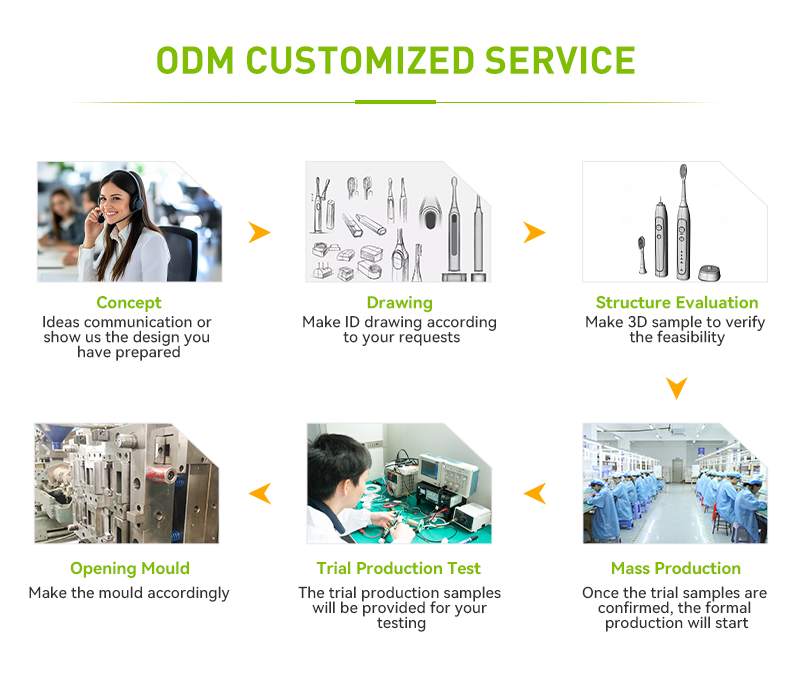
The transformation of oral care is happening at unprecedented speed. With consumers demanding smarter, more effective, and more personalized solutions, brands are under pressure to innovate fast and scale efficiently. For both emerging startups and established players in the oral health market, one key to growth lies in a strategic partnership with experienced manufacturers. By fully utilizing factory resources, oral care enterprises can significantly accelerate product development, optimize operations, and enhance brand competitiveness. Accelerating Innovation through Manufacturer Collaboration Today’s competitive oral care market requires continuous innovation—especially in high-demand categories such as electric toothbrushes and water flossers. Factories with strong R&D and OEM/ODM capabilities allow brands to rapidly introduce new technologies and product variations without the overhead of in-house engineering. Key advantages of working with experienced manufacturers include: Access to mature R&D teams and industrial designers Ready-to-adapt solutions for AI-enabled electric toothbrushes Customization capabilities for features, packaging, and branding This model reduces time-to-market and ensures brands stay ahead of trends during the transformation of oral care. Strengthening the Supply Chain of Oral Care Products A robust and flexible supply chain of oral care products is crucial to long-term growth. By leveraging factory relationships, brands can benefit from: Transparent production scheduling and inventory forecasting Scalability…
In today’s competitive oral care market, user confidence is a decisive factor in brand loyalty and long-term growth. With consumers becoming increasingly educated and selective about health and hygiene products, oral care brands must go beyond basic offerings. Strategic brand Product Upgrades and Expansion, well-planned oral care products combinations, and strong manufacturing partnerships are key to delivering quality and innovation that build trust. This article explores how oral care brands can enhance consumer confidence by leveraging OEM cooperation, innovating product portfolios, and cooperating with reliable factories for sustainable growth. Upgrade to Compete: Why Brand Product Upgrades Matter A stagnant product lineup can erode consumer interest. Modern users look for innovation—be it smarter electric toothbrushes, more efficient oral irrigators, or integrated care solutions. Regular brand Product Upgrades and Expansion signal that the brand is evolving with user needs. Smart features like pressure sensors or Bluetooth connectivity add value. Aesthetic improvements such as minimalist design or sustainable packaging can influence perception. Functionality upgrades like quieter motors or improved battery life directly impact user experience. By consistently improving performance and design, brands can significantly enhance user confidence and distinguish themselves in a saturated market. Expand Strategically: Combining Oral Care Products for Complete Solutions Consumers no longer want isolated products;…
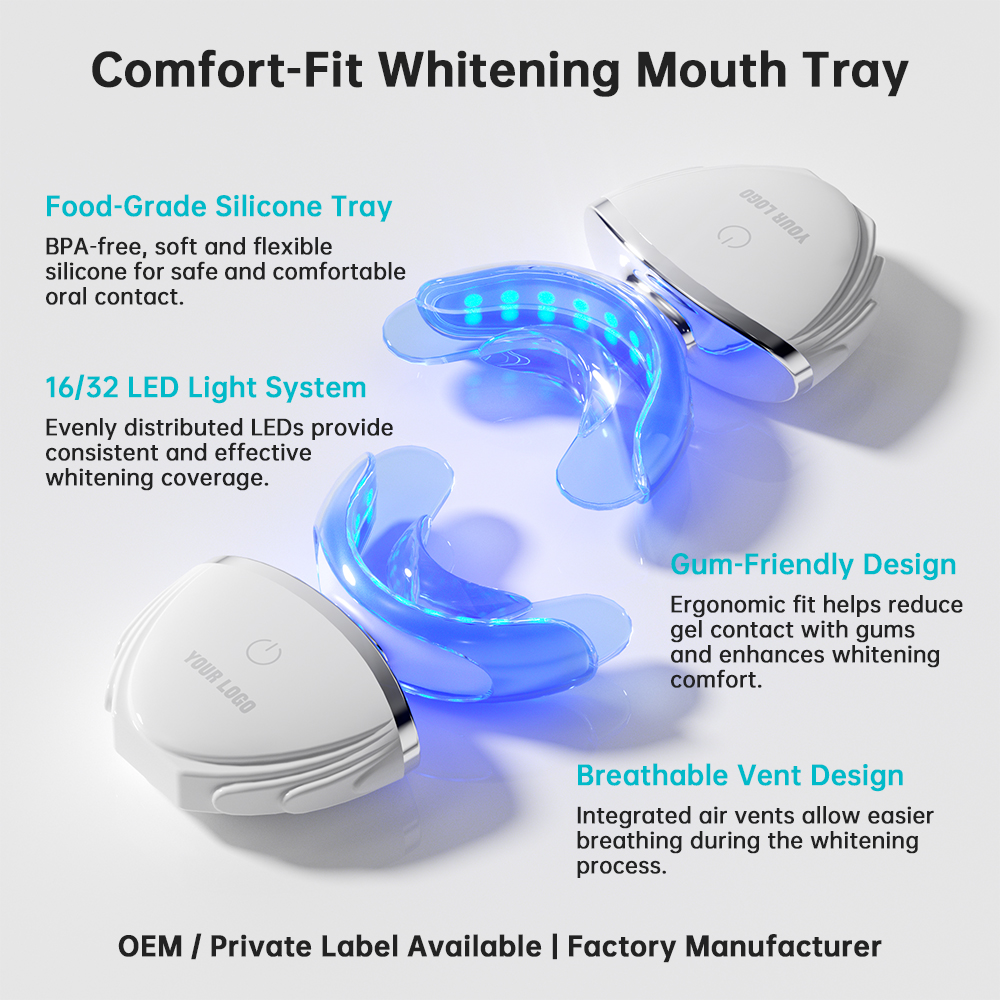
As teeth whitening devices and products become increasingly popular among global consumers, a less-discussed but critical concern emerges—Allergic Reactions and Taste Alteration associated with their use. These potential side effects, often underestimated during design or formulation phases, can significantly impact user satisfaction and product perception. Are these merely occasional inconveniences, or hidden costs manufacturers must proactively address? The Overlooked Impact of Chemical Sensitivities A primary cause of Allergic Reactions in whitening treatments stems from the active ingredients, typically hydrogen peroxide or carbamide peroxide. While effective in removing stains, these chemicals can trigger adverse responses in sensitive users, such as gum irritation, lip swelling, or mucosal discomfort. For manufacturers, understanding allergenic triggers and offering low-sensitivity alternatives is essential to reducing consumer risk while preserving whitening efficacy. Device Materials Can Be Hidden Culprits Beyond gel formulations, materials used in whitening trays or applicators can also cause Allergic Reactions. Low-quality plastics, softeners, or silicone additives may release substances that irritate oral tissues. This raises the bar for B2B suppliers to select hypoallergenic, medical-grade materials to minimize such risks and build end-user trust. Material certification and biocompatibility testing should therefore be integral to product development. Taste Alteration: A Subtle but Serious Problem Many users…
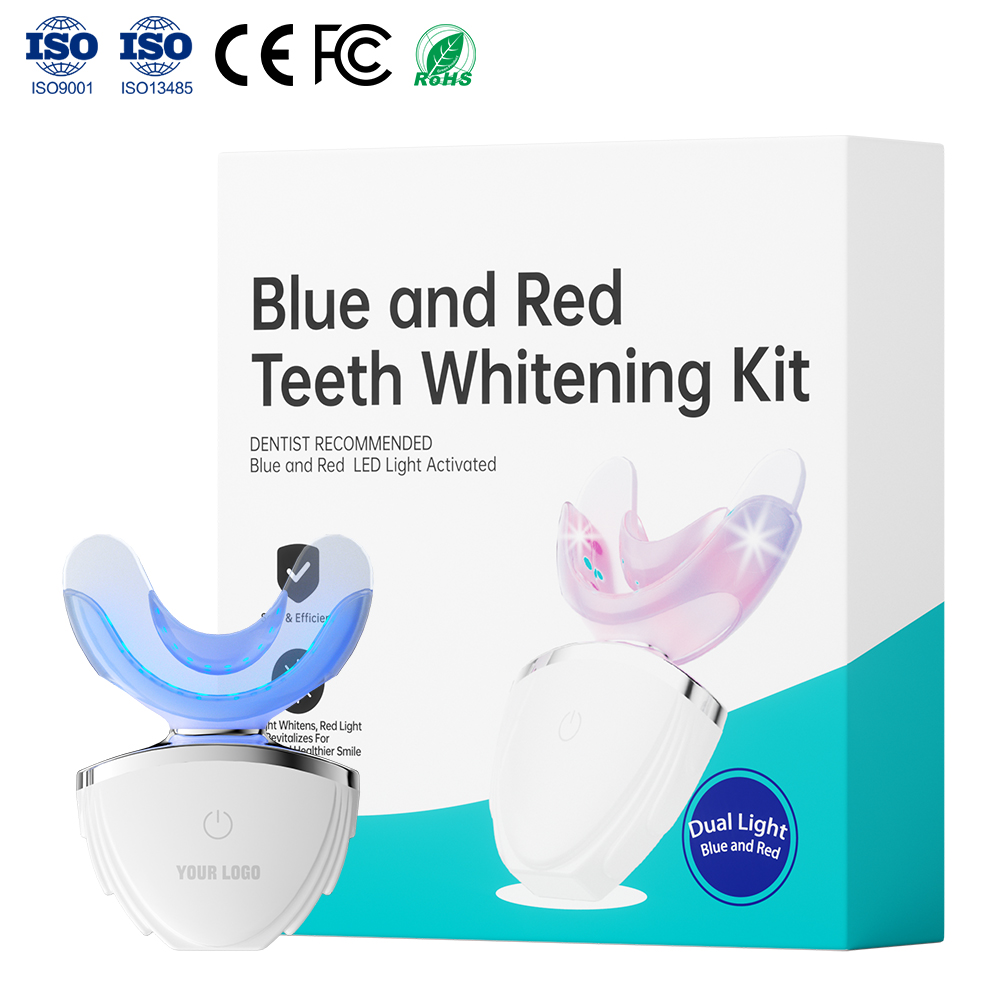
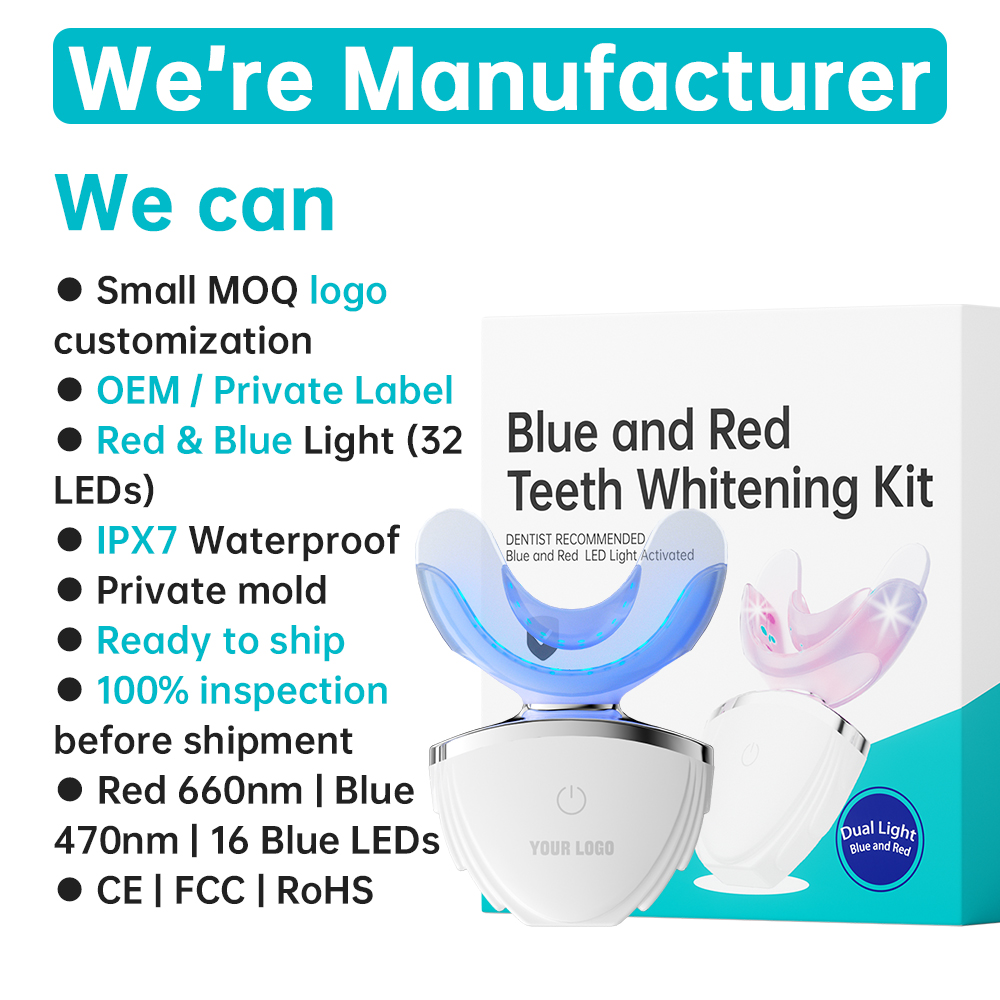
In the world of professional and consumer teeth whitening devices, consistent performance is crucial for user satisfaction. However, many complaints arise from Light Failure, which directly leads to Uneven Whitening results. But is this phenomenon acceptable from a manufacturing perspective—or is it a sign of underlying design or quality flaws that must be addressed? For B2B producers, the answer to this question determines product credibility and market competitiveness. The Importance of Stable Light Output Teeth whitening effectiveness depends heavily on stable, uniform light emission. Any instance of Light Failure—whether due to LED malfunction, inconsistent power delivery, or degraded light source—can result in patchy exposure of whitening gel to tooth surfaces, causing Uneven Whitening. This not only undermines whitening performance but also leads to customer dissatisfaction and increased product returns. Manufacturers must ensure strict quality control in LED selection, light distribution design, and electrical reliability to minimize this risk. Causes Behind Light Failure in Whitening Devices Several factors contribute to Light Failure in oral whitening products: Poor Soldering Quality: Weak electrical connections cause intermittent LED activity. Inadequate Heat Dissipation: Overheating damages light components, reducing brightness. Battery Instability: Power fluctuation can prevent LEDs from maintaining consistent output. Each of these issues, if…
In today’s global oral care market, product safety, quality, and regulatory compliance are top priorities for brands looking to establish long-term consumer trust. One critical factor in identifying the right manufacturing partner is evaluating whether the factory holds FDA certification. Understanding the importance of FDA certification can help oral care brands mitigate compliance risks, ensure product quality, and build a competitive advantage in regulated markets like the U.S. In this blog, we explore the top advantages of cooperating with FDA certificated factories, and how this strategic decision can drive product success and brand credibility. Ensured Product Safety and Regulatory Compliance The importance of FDA certification lies in its role as a global benchmark for health and safety. Factories with FDA certification comply with the U.S. Food and Drug Administration’s rigorous standards for manufacturing practices, facility cleanliness, material traceability, and product testing. This means: Products are manufactured in a hygienic, controlled environment. Materials used are verified to be safe and non-toxic. Processes are traceable and accountable, reducing the risk of recalls or non-compliance. When partnering with an FDA certificated oral care factory, brands can confidently market products in the U.S. and other regulatory-intensive markets without the fear of legal complications or quality failures.…
As oral care becomes increasingly premium and technology-driven, water flossers have rapidly gained traction as an essential part of modern oral hygiene routines. For brand owners, choosing competitive water flossers goes beyond aesthetics—it directly impacts market positioning, consumer trust, and long-term brand success. With numerous suppliers available, it’s crucial to understand the critical factors that differentiate a high-end oral irrigator from a low-performing alternative. This blog provides a clear framework for evaluating your options, guiding you through four core factors every brand should consider when selecting an oral irrigator manufacturer. Product Quality: The Foundation of Market Competitiveness The first and most important factor is product quality. The quality differences of water flossers at different prices are often stark. High-end models typically offer: Consistent water pressure and precision pulsing Durable pump components and leak-proof design Medical-grade materials (BPA-free, FDA-approved plastics) Waterproof certifications (e.g., IPX7) Consumers in the premium segment expect not only efficacy but also longevity and safety. To stay competitive, brand owners must demand rigorous QC procedures, certifications, and component traceability from their manufacturing partners. Differentiated Design and Features: Stand Out with Unique Selling Points A saturated market demands differentiation. When evaluating suppliers, consider whether they can offer flexible customization and advanced…
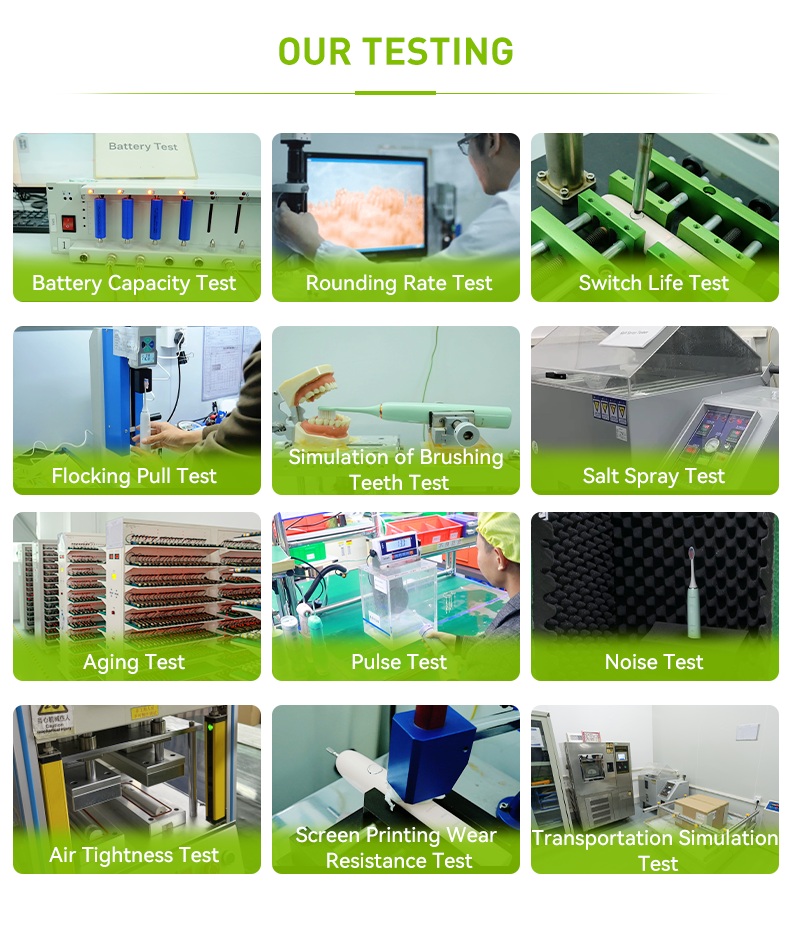
For oral care brands seeking long-term growth and product credibility, finding the right electric toothbrush factory is critical. In today’s competitive market, quality, consistency, and regulatory compliance are essential. This blog serves as a practical guide for brand owners to conduct a structured electric toothbrush factory evaluation, covering the key factors that ensure your product meets both market expectations and global toothbrush production standards. Below are 5 must-read criteria to help you identify a reliable manufacturing partner. Manufacturing Capabilities & Facility Infrastructure When evaluating a potential partner in oral care manufacturing, begin by examining their production scale and technical infrastructure. Key areas to consider include: In-house mold development for brush heads and motor components Automated production lines to ensure precision and consistency Capacity to handle large OEM/ODM orders without quality compromise A high-quality electric toothbrush factory will be able to demonstrate robust capabilities across all production stages, from injection molding to final assembly and packaging. Compliance with Toothbrush Production Standards Global markets demand strict adherence to safety and quality regulations. A factory’s ability to comply with international toothbrush production standards is a non-negotiable factor. Look for compliance with: ISO 13485 (for medical-grade manufacturing) CE, FCC, FDA certifications depending on target markets RoHS and REACH environmental…