In the world of oral care devices, few issues frustrate users more than experiencing sudden sensitivity spikes caused by pressure overkill. While these symptoms are often dismissed as user error, they frequently stem from subtle design flaws or inadequate calibration. If left uncorrected, this combination can result in unnecessary discomfort, product returns, and brand damage. This blog will explain why excessive pressure is more than just an annoyance, how it leads to sharp sensitivity, and what manufacturers can do to engineer solutions that protect the end user. What Is Pressure Overkill? Pressure overkill refers to the application of force beyond the recommended threshold during brushing or cleaning cycles. For example: Motorized brushes delivering torque above safe enamel limits Irrigators generating excessive water pressure Devices lacking intelligent feedback when users press too hard Even brief episodes of excessive force can create microscopic damage in enamel or gums. Recognizing Sensitivity Spikes Sensitivity spikes are sudden, intense discomfort triggered by heat, cold, sweetness, or touch. Customers often report: Sharp zinging pain when drinking cold water Lingering soreness after brushing Avoidance of certain foods due to fear of triggering sensitivity These symptoms can persist long after the pressure event, undermining user confidence. Why Pressure…
As global consumers become more health-conscious and sophisticated, the oral care sector is undergoing a major transformation. This Consumer Upgrade trend is pushing demand for advanced, effective, and aesthetically refined products. For brands and sourcing managers, understanding how to approach oral care Product Selection Strategies in this new context is essential. The shift toward oral care premiumization is not just about price; it's about delivering value through innovation, materials, user experience, and brand positioning. This blog outlines six key strategies for brands to successfully navigate the premiumization trend and find reliable manufacturers to meet evolving consumer expectations. Identify Emerging Market Trends and Functional Demands Successful product development begins with a deep understanding of market trends. In the era of consumer upgrade, buyers are looking for products that offer more than basic cleaning—features such as: Smart technology integration (e.g. AI-driven brushing feedback) Multi-functionality (e.g. brush + tongue cleaner or flosser combo) Enhanced aesthetic design and user comfort Health tracking and app synchronization Brands should partner with manufacturers who actively follow global oral care product Selection Strategies trends and are capable of agile product innovation based on shifting consumer needs. Define Premium Differentiation: Materials, Technology, and Experience In premium segments, differentiation is key. The upgraded consumer…
The global oral care market is growing rapidly, with new entrants and evolving consumer expectations shaping the landscape. For oral care brand owners, identifying and focusing on the right Critical Success Factors is key to building a sustainable business. Whether launching electric toothbrushes, water flossers, or complete oral hygiene kits, brands must prioritize market positioning, product differentiation, and operational scalability. This article outlines six core Oral Care Brands Success Factors that define long-term success and can help guide strategic partnerships — especially with manufacturers and OEM/ODM suppliers. Clear Market Positioning: Define Your Niche One of the most vital Critical Success Factors is clear and consistent market positioning. A brand that understands its audience — whether it's premium, value-driven, pediatric, or eco-conscious — can craft targeted messages, select the right channels, and tailor product offerings accordingly. Ask: Are you serving tech-savvy users looking for smart toothbrushes? Or wellness-focused users seeking natural materials and sustainability? Tip: Align your manufacturer’s capabilities with your brand’s identity from the outset. Keyword Used: market positioning, Oral Care Brands Success Factors Product Differentiation: Stand Out in a Saturated Market To capture consumer attention, brands must invest in product differentiation — either through features, design, technology, packaging, or values. In a market flooded…
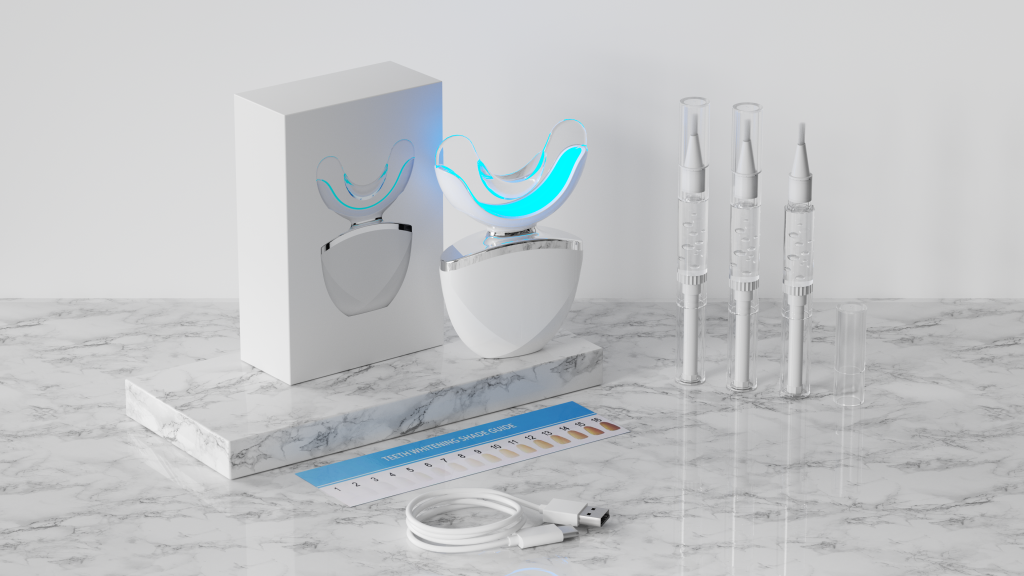
The global demand for teeth whitening devices continues to surge. It's driven by consumer desire for at-home cosmetic treatments that are both effective and convenient. As competition intensifies, brands are seeking differentiators that elevate their products to premium status. One such innovation is wireless charging—a feature that not only enhances the user experience but also serves as a strong marker of quality and modern design. In this blog, we’ll explore how wireless charging is shaping the future of wireless charging teeth whitening device. And why this feature is a game-changer in the search for quality manufacturing partnerships. Wireless Charging: A Premium Feature That Signals Innovation Today’s consumers associate wireless charging with innovation, luxury, and convenience. Once a rare high-tech feature, it’s now becoming a standard in premium categories—from smartphones to personal care products. For teeth whitening devices, this feature offers multiple advantages: A sleek, button-free design that improves aesthetic appeal Waterproof sealing, as no charging port is required Enhanced portability and ease-of-use for consumersIncorporating wireless charging sets your product apart, positioning it in the premium segment of whitening devices—a strategic move in competitive retail and DTC markets. Consumer Demand for Cordless and Hassle-Free Solutions Today’s users want simplicity. The shift toward cordless teeth whitening devices is…
When customers report persistent charge failure along with puzzling display glitches, manufacturers often dismiss these as isolated incidents. However, evidence shows these two issues are frequently interconnected symptoms of deeper product vulnerabilities. If left unaddressed, they can lead to premature failure, safety hazards, and costly warranty claims. In this article, we’ll examine why charge failure and display glitches oft How Charge Failure Manifests Charge failure refers to a device’s inability to replenish its battery properly. Typical signs include: Refusing to charge even when connected to a working adapter Random interruptions while charging Overheating during charging cycles Extremely slow charge rates that prevent regular use While end users often suspect a defective cable or adapter, the underlying causes are usually deeper. Recognizing Display Glitches Display glitches can take several frms, such as: Flickering icons or unreadable characters on the screen Inaccurate battery indicators Frozen status updates during operation Sudden backlight failure or dimming Even if the device still performs its core functions, these errors reduce usability and erode customer confidence. Company web: https://www.powsmart.com/product/electric-toothbrush/ Why Charge Failure and Display Glitches Are Linked Although these problems seem unrelated—power delivery versus user interface—they are frequently connected due to shared circuitry. Specifically: Voltage Fluctuations: When the…
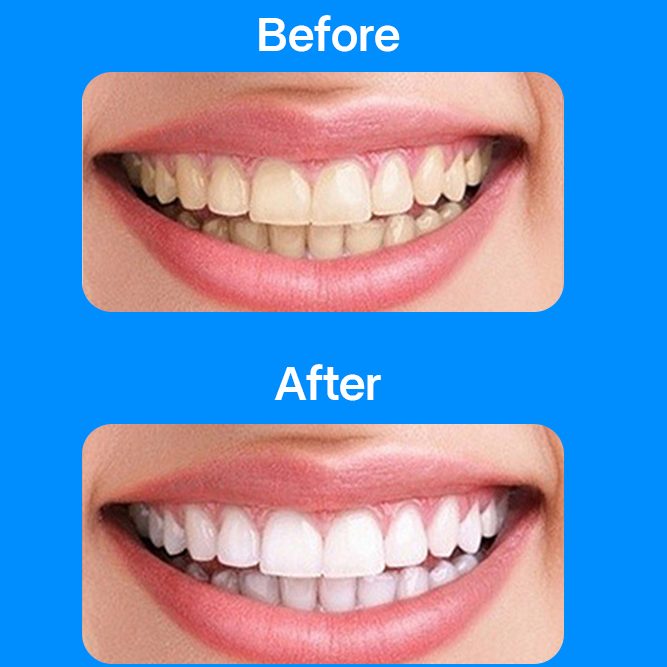
In recent years, Home Teeth Whitening Devices have surged in popularity as consumers seek convenient and affordable solutions for a brighter smile. As the demand grows, so does the need for scientifically backed, high-performing products. For oral care brands aiming to launch or expand their whitening product lines, understanding the home teeth whitening device results behind these devices is crucial. This blog explores the effectiveness of home teeth whitening devices and highlights what brands should consider when selecting a manufacturing partner. Clinical Results: What the Research Shows The most credible way to evaluate any whitening solution is through clinical trials. Recent clinical results on various home teeth whitening devices—from LED light systems to peroxide-based gel kits—demonstrate significant improvement in shade whitening over 7 to 14 days of consistent use. Key findings include: Up to 6 shades of improvement after 10 days of use. 85% of users reported visible results within the first week. Minimal to no tooth sensitivity in products using low-concentration hydrogen peroxide (≤6%). These whitening device results provide compelling data for brands seeking to enter the market with products that deliver both safety and results. Effectiveness of Home Teeth Whitening Devices: Key Factors The effectiveness of home teeth whitening devices depends on a combination…
It’s no secret that vibration decay and timer malfunction are two of the most frustrating performance issues users face with modern oral care devices. While each problem can compromise brushing effectiveness on its own, together they often signal that your product may be nearing the end of its usable life—or worse, that it was never engineered for consistent reliability in the first place. In this article, we’ll break down what causes these issues, why they frequently occur in tandem, and how manufacturers can tackle them before customers decide it’s time to retire their devices. What Is Vibration Decay? Vibration decay is the progressive weakening of the device’s motor output over time. Instead of maintaining a steady, high-frequency motion, the device begins to: Lose intensity during a single brushing session Produce uneven oscillations Take longer to reach peak speed after activation Common causes include motor fatigue, battery degradation, or internal friction due to component wear. Understanding Timer Malfunction The timer malfunction issue occurs when the device’s programmed cycle timer becomes unreliable. Symptoms often include: Premature shutdown before the full cycle completes Random resets during use Failure to signal intervals for quadrant changes Continuous operation without auto-stop Although this may seem minor…
In the evolving oral hygiene industry, consumers are becoming more educated and health-conscious. Rather than seeking isolated solutions, they are now prioritizing Complete Oral Care routine products that deliver holistic, long-term benefits. For oral care brands, this shift presents an exciting opportunity to develop and promote comprehensive oral care systems that meet the full range of customer needs—while driving brand loyalty and increased profit margins. Consumer Demand for Comprehensive Solutions Today’s customers don’t want to guess which products work best together. Instead, they expect brands to deliver thoughtfully curated oral care combos—such as electric toothbrushes paired with oral irrigators or toothpaste matched with whitening kits—that provide clear, synergistic benefits. Offering complete sets reduces decision fatigue and builds trust by simplifying the path to improved oral health. Key benefits of responding to this demand include: Higher perceived value Easier upselling and cross-selling opportunities Enhanced user experience and satisfaction Building Stronger Brand Loyalty Through Oral Care Systems When brands sell oral care systems instead of standalone items, they position themselves as providers of expertise—not just products. This approach transforms a transactional purchase into a long-term relationship. Consumers are more likely to return to brands that offer full regimens they can depend on, especially when those…
In today’s competitive personal care market, consumers are increasingly drawn to solutions that offer both effectiveness and convenience. For oral care brands, bundling products like teeth whiteners and high-quality toothbrushes into thoughtfully curated oral care combos represents a powerful strategy to deliver higher-value offerings. Not only does this approach increase consumer satisfaction, but it also opens new growth avenues for brand owners—especially when working with experienced, scalable manufacturers.This blog explores why toothbrush product bundles that include whitening kits are on the rise, and how oral care brands can leverage these bundles to gain market share and maximize customer lifetime value. Market Demand: The Rise of Whitening and Value-Driven Oral Care The global demand for teeth whitener products continues to rise, driven by consumers’ desire for a brighter smile and self-confidence. Simultaneously, users seek more comprehensive and time-efficient oral care routines. Whitening is no longer a luxury; it’s part of many consumers’ daily hygiene. Consumers prefer whitening kits that pair easily with their brushing habits. The popularity of subscription-based or e-commerce oral care brands further drives the need for oral care combos that offer visible results and routine integration. Benefits of Product Bundles: More Than Just Convenience Bundling a toothbrush with a teeth whitener delivers value on multiple levels:…
In the competitive landscape of oral hygiene, consumers are no longer satisfied with single-function products. Today’s market demands higher-value offerings that combine effectiveness, convenience, and premium appeal. This has led to a sharp increase in the popularity of oral care bundles, particularly Electric Toothbrush & Water Flosser Bundles. For oral care brands, understanding why these product sets outperform standalone items is critical when working with manufacturers to design competitive, scalable product lines. Meeting Consumer Expectations for Comprehensive Oral Care Modern consumers are increasingly informed and demand a more holistic approach to oral hygiene. A toothbrush alone doesn’t always satisfy the desire for a dentist-level clean at home. By bundling an electric toothbrush with a water flosser, brands offer a comprehensive oral care solution that addresses both tooth surface cleaning and interdental care. This bundling strategy directly meets consumer expectations, making it easier for them to commit to a complete routine. Higher Perceived Value = Better Sales Performance One of the main reasons Electric Toothbrush & Water Flosser Bundles sell better is their perceived value. When marketed as a premium package, the bundle appears to offer more for the money, even if the actual cost difference is small. This psychological advantage leads to:\n- Higher average order…
In the field of oral care device manufacturing, cleaning residue and bristle hardening are frequently dismissed as minor maintenance issues. However, when both occur together, they can quickly escalate into a serious quality and safety concern for users. Left unaddressed, this combination not only undermines product performance but also increases the likelihood of gum irritation, enamel damage, and customer dissatisfaction. In this article, we’ll explore why cleaning residue and bristle hardening often go hand in hand, the specific risks they create, and how manufacturers can prevent this “double trouble” scenario. Understanding Cleaning Residue Cleaning residue typically forms when toothpaste, whitening gels, or disinfectants are not fully rinsed away. Over time, these substances: Build up between bristle clusters Harden into sticky films Serve as breeding grounds for bacteria This residue compromises hygiene and creates friction points that accelerate bristle wear. Company web: https://www.powsmart.com/product/electric-toothbrush/ Why Bristle Hardening Occurs While bristle hardening can occur independently due to material fatigue or repeated heat exposure, cleaning residue often makes it worse: Residual chemicals attack the polymer structure of bristles Dry films cause the bristles to lose flexibility faster Accumulated debris locks bristles in rigid formations As a result, a brush head that should remain soft…
In an increasingly connected landscape of smart oral care devices, sync errors have emerged as an unexpected contributor to taste distortion complaints. What may sound like an improbable connection—digital synchronization failures affecting sensory perception—has become a real issue for manufacturers seeking to deliver consistent, safe user experiences. If your customers are reporting metallic, bitter, or otherwise unusual tastes while using your products, it may be time to look beyond surface-level causes and scrutinize the underlying technology infrastructure. This article explores why sync errors can impact taste perception, what technical factors are involved, and how manufacturers can design more reliable solutions. Understanding the Role of Sync Errors Sync errors occur when internal systems or modules fail to communicate or update in a timely and accurate manner. In modern devices such as smart toothbrushes and whitening systems, synchronization governs: Motor speed modulation Pulsation frequency timing LED activation and intensity Automated session duration When synchronization drifts or fails outright, it can create unpredictable operational patterns. For instance, a misaligned motor pulse can alter the delivery of active ingredients, leading to taste distortion. How Sync Errors Alter Taste Perception Taste distortion often arises indirectly as a consequence of sync errors: Ingredient Dispensing Timing: If…
In professional oral care devices, grip fatigue combined with noise pollution isn’t just an inconvenience; it can be a clear signal that your design approach requires reevaluation. Many manufacturers focus on performance metrics—motor power, battery runtime, spray pressure—while overlooking how ergonomics and acoustics directly shape the user experience. Yet, when customers report hand strain and excessive operating noise, the consequences can include reduced compliance, negative reviews, and long-term brand erosion. This article explores why these two issues often appear together, what underlying design choices contribute, and how you can address them effectively. What Causes Grip Fatigue in Oral Devices? Grip fatigue refers to muscle strain in the hand and wrist during repeated use. In dental water flossers and electric toothbrushes, it often stems from: Excessive device weight without counterbalance. Large handle diameters that require constant tension. Slippery surfaces causing involuntary squeezing to maintain control. Continuous operation cycles exceeding recommended usage intervals. Importantly, fatigue is not merely a comfort concern—it can also impact brushing consistency and adherence to oral hygiene routines. Why Does Noise Pollution Occur Simultaneously? Noise pollution in this context describes high-decibel motor sounds, vibration resonance, and intermittent whining. Common causes include: Poor acoustic dampening in the motor housing.…
When customers experience mouth ulcers following allergic rashes, many manufacturers initially dismiss this as unrelated irritation. However, growing evidence suggests that oral ulceration and dermatologic hypersensitivity may share common triggers or reflect systemic reactions. Understanding this connection is essential for brands that prioritize safety and user satisfaction. This article will explore why these symptoms often occur together, what mechanisms may be responsible, and how manufacturers can proactively reduce the risk. Understanding Allergic Rashes in Oral Care Allergic rashes typically arise due to: Contact sensitivity to flavoring agents, preservatives, or bleaching gels. Reactions to latex, adhesives, or plasticizers in trays and devices. Cumulative irritation from prolonged exposure or inadequate rinsing. These rashes frequently manifest as erythematous patches, itching, and localized swelling on the lips, perioral skin, or cheeks. How Mouth Ulcers Develop Mouth ulcers—also called aphthous ulcers—are painful lesions that affect the mucosal lining. They can result from: Mechanical trauma (e.g., ill-fitting trays or sharp edges). Chemical burns from peroxide or acidic solutions. Immune reactions triggered by allergens. Unlike superficial redness, ulcers often penetrate deeper layers and take 7–14 days to heal, impacting user comfort and compliance. The Connection Between Rashes and Ulcers Although they appear distinct, allergic rashes and ulcers…
When customers report tooth chipping paired with root darkening, it signals a deeper problem than simple cosmetic damage. These two conditions often indicate structural compromise and internal deterioration, which can be difficult—or impossible—to reverse without invasive treatment. In this blog, we’ll explore why this combination occurs, what it means for product safety and performance, and how manufacturers can proactively prevent it. Understanding Tooth Chipping in Modern Oral Devices Tooth chipping frequently happens when excessive mechanical forces act on enamel during cleaning or whitening. Poorly calibrated motors, abrasive brush heads, or overly rigid trays can: Create microfractures in already weakened enamel. Accelerate wear, especially along incisal edges. Lead to cumulative chipping over repeated use. While minor chips might seem harmless, they often compromise the tooth’s ability to resist bacterial infiltration and chemical exposure. How Root Darkening Develops Root darkening is a more insidious process, usually caused by: Pulp necrosis following repeated trauma. Microleakage from poorly sealed whitening trays. Oxidative damage when high-concentration gels penetrate dentin. Unlike superficial discoloration, root darkening signals loss of vitality, making teeth more prone to fractures, sensitivity, and infection. Why Chipping and Darkening Often Occur Together Although these issues can appear separately, their coexistence usually points to:…
When gum bleaching appears alongside a heightened pulpitis risk, it’s time for manufacturers and dental professionals to ask whether whitening treatments have crossed the line from cosmetic enhancement to clinical hazard. While tooth whitening remains one of the most popular aesthetic procedures, inappropriate product formulations, poor application technique, and inadequate safeguards can trigger irreversible damage to both soft tissues and the pulp. This article explains why these problems occur, how they’re linked, and what steps companies can take to protect users—and their own reputations. Why Gum Bleaching Happens During Whitening Gum bleaching typically results from peroxide-based gels spreading beyond the tooth surface and contacting gingival tissue. Factors contributing to this include: Overfilled trays or syringes that leak excess gel. Ill-fitting whitening trays that fail to create a precise seal. High-concentration formulas applied without proper isolation. Although mild bleaching can be reversible, repeated exposure increases tissue irritation and sets the stage for more severe complications. How Pulpitis Risk Enters the Picture Pulpitis—inflammation of the tooth pulp—develops when peroxide penetrates enamel micro-cracks or dentin tubules, irritating the pulp chamber. In many cases, users initially notice transient sensitivity. However, if peroxide exposure persists, inflammation can escalate to irreversible pulpitis requiring endodontic treatment or…
When tray warping combines with switch corrosion, many companies fail to recognize just how quickly these issues can compromise device safety and functionality. Although each defect alone can be problematic, together they often signal deeper structural and electrical deterioration that may warrant immediate replacement. In this blog, we explore why these failures occur, how they interact, and when replacement becomes the best course of action. Why Tray Warping Shouldn’t Be Ignored Tray warping usually starts as subtle distortion, often due to: Excessive heat exposure during charging or sterilization. Low-grade polymers that can’t maintain their shape under stress. Improper mechanical loads during operation. Even minor warping can result in poor sealing, uneven pressure on internal components, or misalignment of moving parts—all of which increase the risk of performance failures over time. How Switch Corrosion Develops Alongside Warping While tray deformation compromises mechanical integrity, switch corrosion attacks the electrical system. Moisture and cleaning chemicals can infiltrate gaps created by warped trays, accelerating corrosion at contacts and terminals. Over time, this can lead to: Intermittent power failures. Unresponsive control inputs. Complete switch breakdown. When corrosion is advanced enough to affect continuity, replacement is often unavoidable. The Connection Between These Two Failures At first…
When LED flickering and adapter fires appear together, many manufacturers and distributors underestimate how dangerous this combination can be. What may start as minor performance inconsistencies can rapidly escalate into severe electrical hazards and product recalls. This article breaks down why these issues arise, how they are connected, and what proactive steps brands can take to protect end-users and maintain product integrity. How LED Flickering Signals Deeper Electrical Instability While occasional LED flickering is often dismissed as harmless, it frequently indicates: Voltage fluctuations caused by unstable power supplies. Loose or degraded solder joints. Deterioration of internal capacitors or driver circuits. These inconsistencies not only disrupt the user experience but also strain the components, increasing the chance of thermal stress and electrical shorts. Why Adapter Fires Often Follow Flickering In some cases, adapter fires are the direct consequence of ignoring flickering symptoms. Here’s why: Prolonged flickering stresses the adapter’s rectifiers and transformers. Heat accumulates in the adapter casing due to inefficient power conversion. Over time, the insulation around wires can degrade, leading to sparks or flames. Especially in high-demand environments—like professional clinics or large-scale retail displays—this chain reaction can trigger extensive damage. Company web: https://www.powsmart.com/product/electric-toothbrush/ Common Triggers of This Dangerous Duo Manufacturers…
In the rapidly evolving oral care market, standing out as a brand requires more than just a good product. Today’s successful oral care brands must implement well-rounded sales-boosting strategies that address both product innovation and market execution. Whether selling in retail outlets or via online platforms, aligning with the right manufacturing partner and optimizing your oral care marketing and ecommerce sales funnel are essential to achieving sustained growth. This blog explores six actionable strategies to help oral care brands thrive in a competitive environment. Partner with Scalable, Quality-Driven Manufacturers For any oral care brand looking to scale, the choice of manufacturing partner is critical. A reliable factory not only ensures product quality but also supports innovation and volume growth. Look for manufacturers with expertise in electric toothbrushes, water flossers, and custom product development. Ensure they follow international certifications (ISO, CE, FDA) to appeal to global markets. Prioritize factories that offer fast prototyping and white-label capabilities. A strong manufacturing relationship lays the groundwork for consistent product supply, faster time-to-market, and competitive pricing—key pillars of any effective sales-boosting strategy. Develop a Differentiated Product Portfolio To stand out in crowded shelves and search results, your product line must offer unique value. Product differentiation can significantly improve retail…
Many manufacturers underestimate how quickly water ingress can lead to motor rust and cascade into costly performance failures. When moisture penetrates seals or housing, it does more than cause superficial corrosion—it actively damages the core electrical and mechanical components that drive your device. In this article, we’ll explore the mechanisms behind water ingress and motor rust, why this issue is often overlooked, and what manufacturers can do to prevent long-term damage. How Water Ingress Starts Water ingress describes any unintended infiltration of moisture into a device’s interior. This can occur through: Micro-cracks in the casing Worn-out gaskets Improper assembly Capillary action along wiringEven small amounts of condensation or splashes can gradually accumulate inside enclosed spaces, creating a humid microenvironment ideal for corrosion. Why Water Ingress Accelerates Motor Rust When moisture reaches the motor assembly, several problems emerge: Oxygen and water react with metal surfaces, forming rust on motor shafts, bearings, and laminations. Rust disrupts smooth rotation, increasing friction and energy consumption. Corrosion can also lead to pitting and structural weakening.Once motor rust has started, it’s difficult to reverse without replacing parts entirely. Early Warning Signs of Moisture Damage Recognizing the symptoms before failure occurs is critical. Watch for: A grinding…