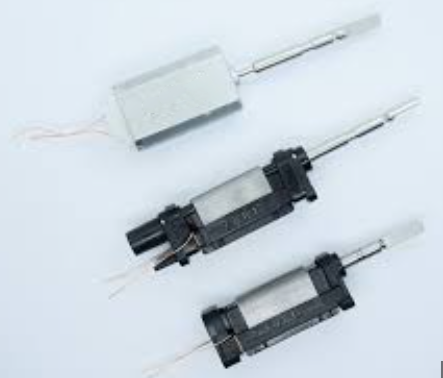
When tray warping combines with switch corrosion, many companies fail to recognize just how quickly these issues can compromise device safety and functionality. Although each defect alone can be problematic, together they often signal deeper structural and electrical deterioration that may warrant immediate replacement. In this blog, we explore why these failures occur, how they interact, and when replacement becomes the best course of action.
Tray warping usually starts as subtle distortion, often due to:
Even minor warping can result in poor sealing, uneven pressure on internal components, or misalignment of moving parts—all of which increase the risk of performance failures over time.
While tray deformation compromises mechanical integrity, switch corrosion attacks the electrical system. Moisture and cleaning chemicals can infiltrate gaps created by warped trays, accelerating corrosion at contacts and terminals. Over time, this can lead to:
When corrosion is advanced enough to affect continuity, replacement is often unavoidable.
At first glance, tray warping and switch corrosion may look like unrelated problems. In reality, they often stem from the same root causes:
Because each failure accelerates the other, it’s critical to address them together rather than in isolation. Company web: https://www.powsmart.com/product/electric-toothbrush/
Operating equipment with compromised structural and electrical integrity can have serious consequences:
For B2B buyers, these issues can quickly escalate into product recalls, regulatory penalties, and loss of customer trust.
Not every incident of tray warping or switch corrosion means immediate disposal. However, replacement becomes necessary if:
In borderline cases, professional inspection and electrical testing can confirm whether continued use is safe.
If you are sourcing or manufacturing equipment, consider these measures:
These preventive steps can significantly reduce warranty claims and increase customer satisfaction.
When tray warping and switch corrosion occur together, it’s rarely a coincidence—and almost always a red flag for deeper structural and environmental problems. Evaluating damage promptly and replacing compromised units can protect both users and your brand reputation. In the long term, investing in robust materials and design safeguards is the most effective way to avoid costly replacements and reinforce trust in your products. Contact us

How Consumption Upgrading Is Redefining Oral Care Product Development
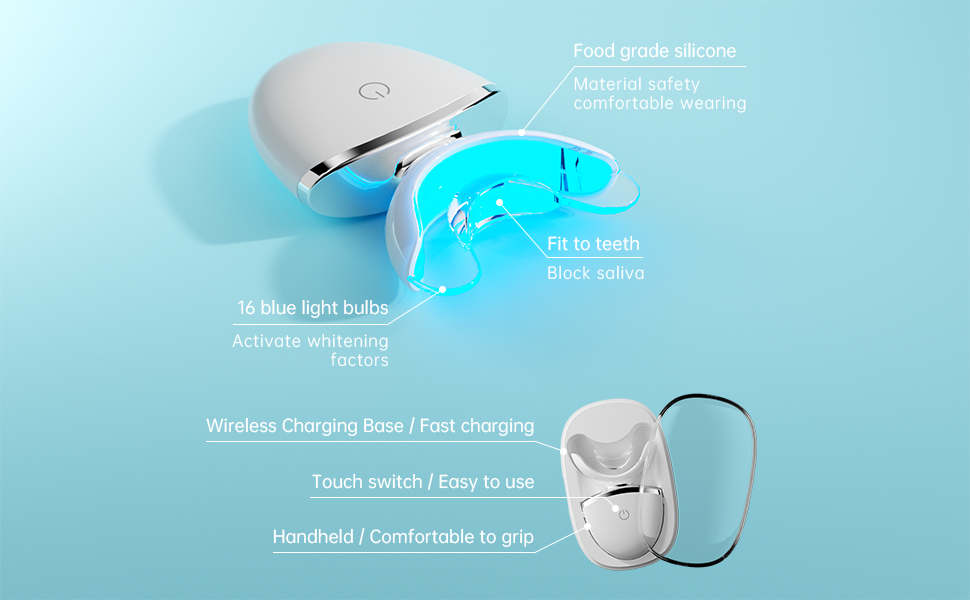
Is a Teeth Whitening Pen the Ultimate On-the-Go Beauty Solution?
.jpg)
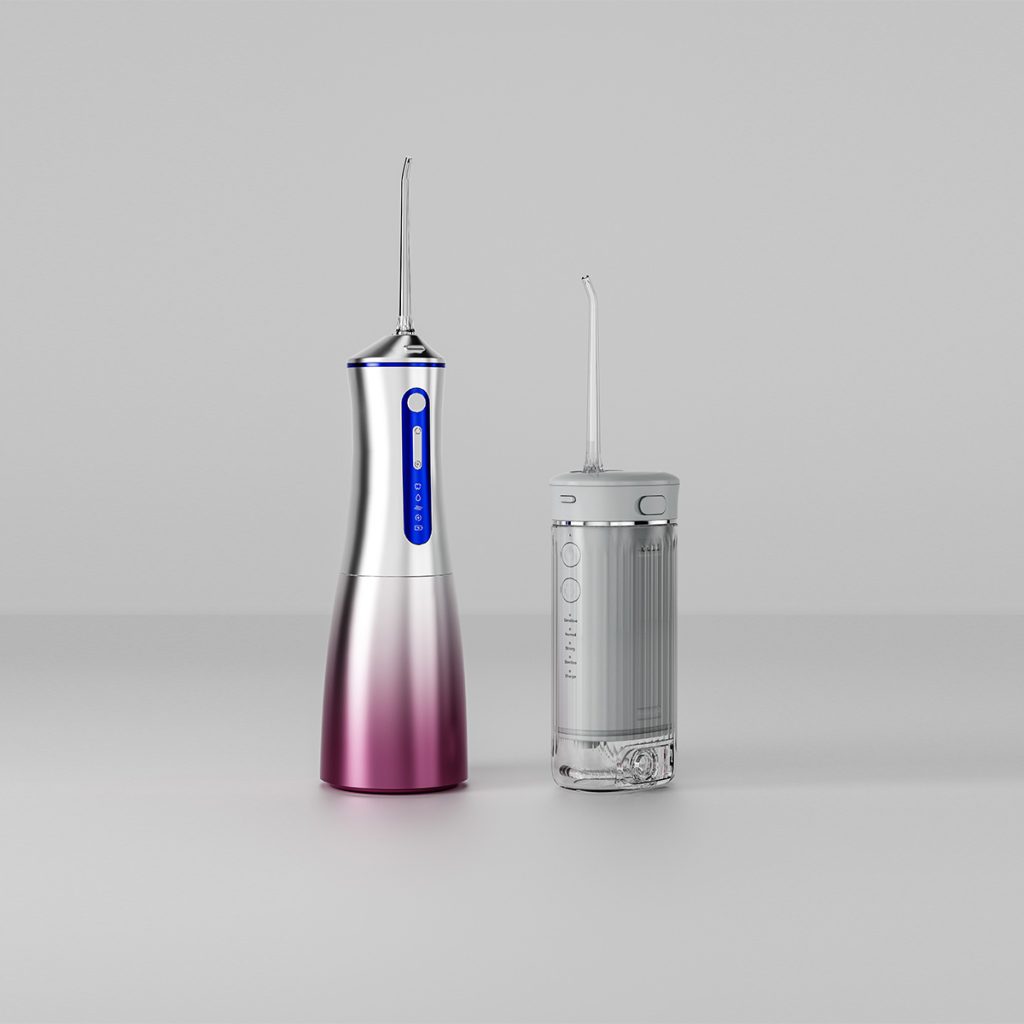
Cordless Oral Irrigator Wholesale
.jpg)
How Does a Linear Resonant Actuator Enhance the Precision of a Brush Head Attachment Mechanism?
Why Is Cavitation Cleaning Technology More Effective With a Micro-Perforated Brush Head?
What Safety Precautions Should Be Taken When Installing the Electric Toothbrush Head?
LED Flickering Plus Adapter Fires—A Hidden Safety Hazard?
.jpg)
How Can Water Flosser Manufacturing Process Create a Truly Eco-Friendly Oral Product?
Charger Mismatch Causing Battery Incompatibility?
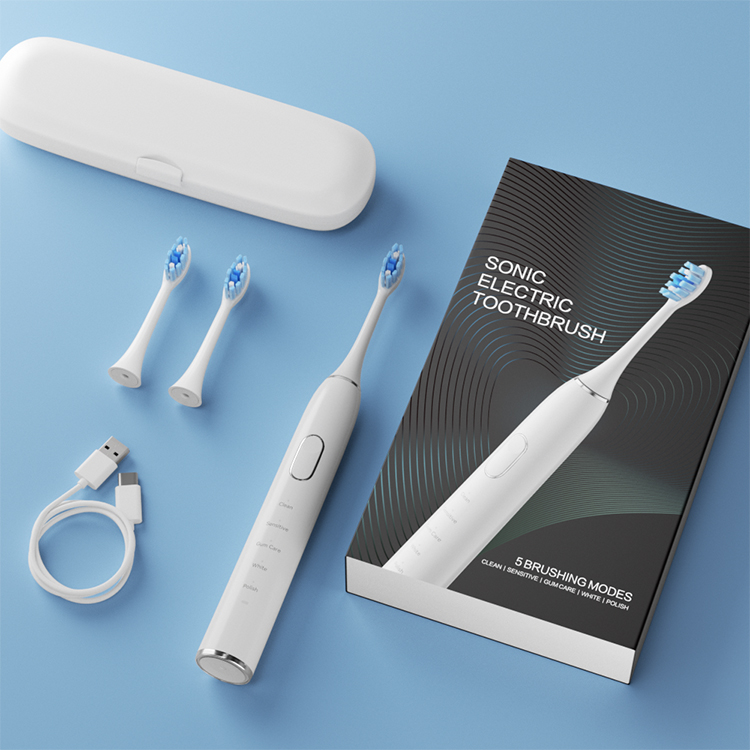
4 Common Electric Toothbrush Mistakes and the OEM Features That Fix Them
As a Micro Motor Supplier, Do You Guarantee Brush Head Compatibility?
Pulse Lag Plus Incomplete Flushing—Frustration for Users and Manufacturers?
.jpg)
Why Choose a Water Flosser for Sensitive Gums as a Core Gentle Oral Care Product?
.jpg)
Is Your Toothbrush Head Manufacturer Aligned with the Sustainable Toothbrush Movement?
water flosser OEM factory
1-scaled.jpg)
The Growing Demand for At-Home Teeth Whitening & What It Means for Brands


.jpg)
.jpg)
.jpg)
.jpg)
.jpg)







.jpg)