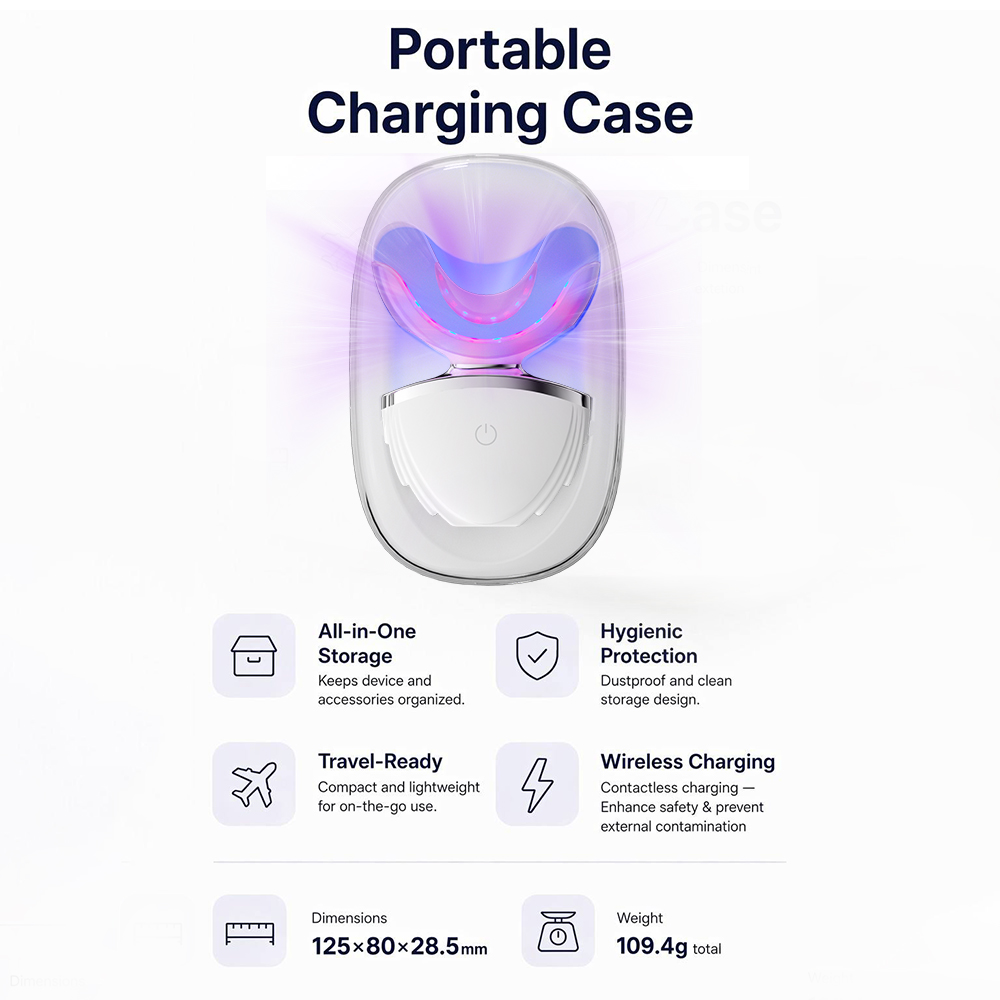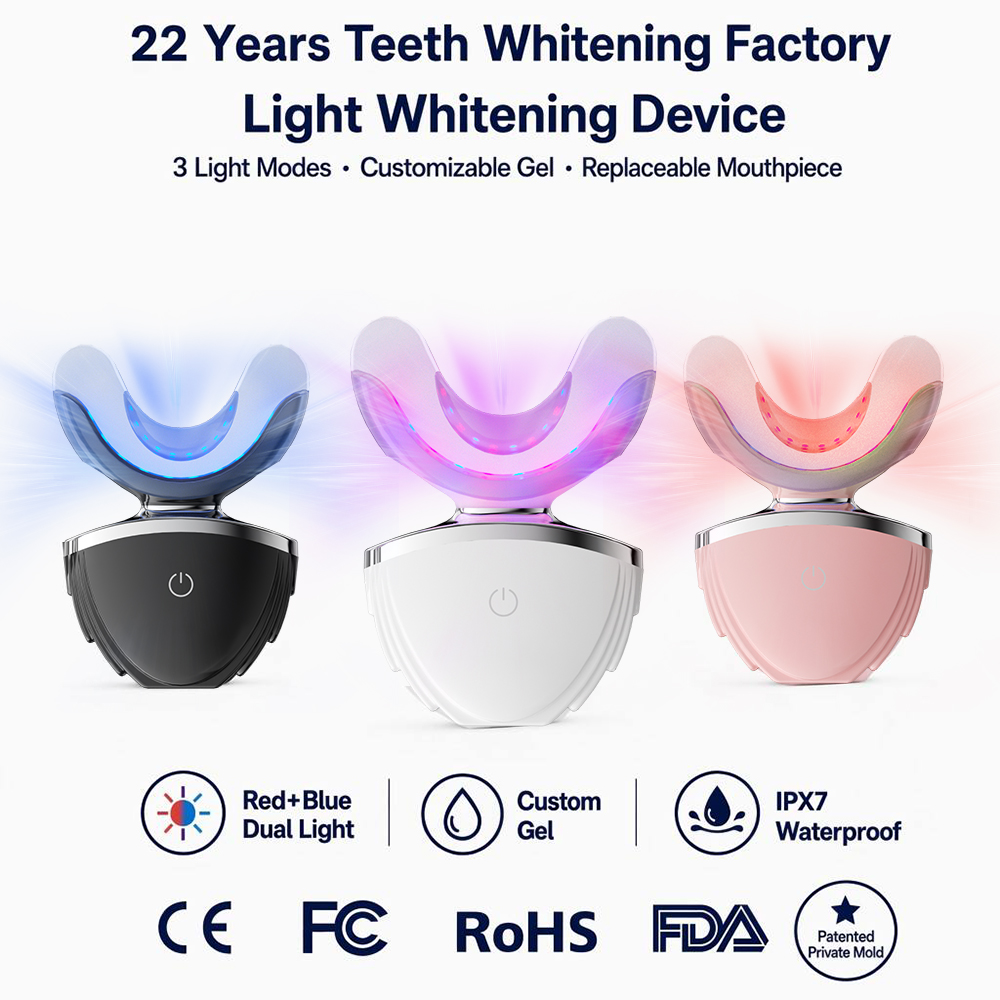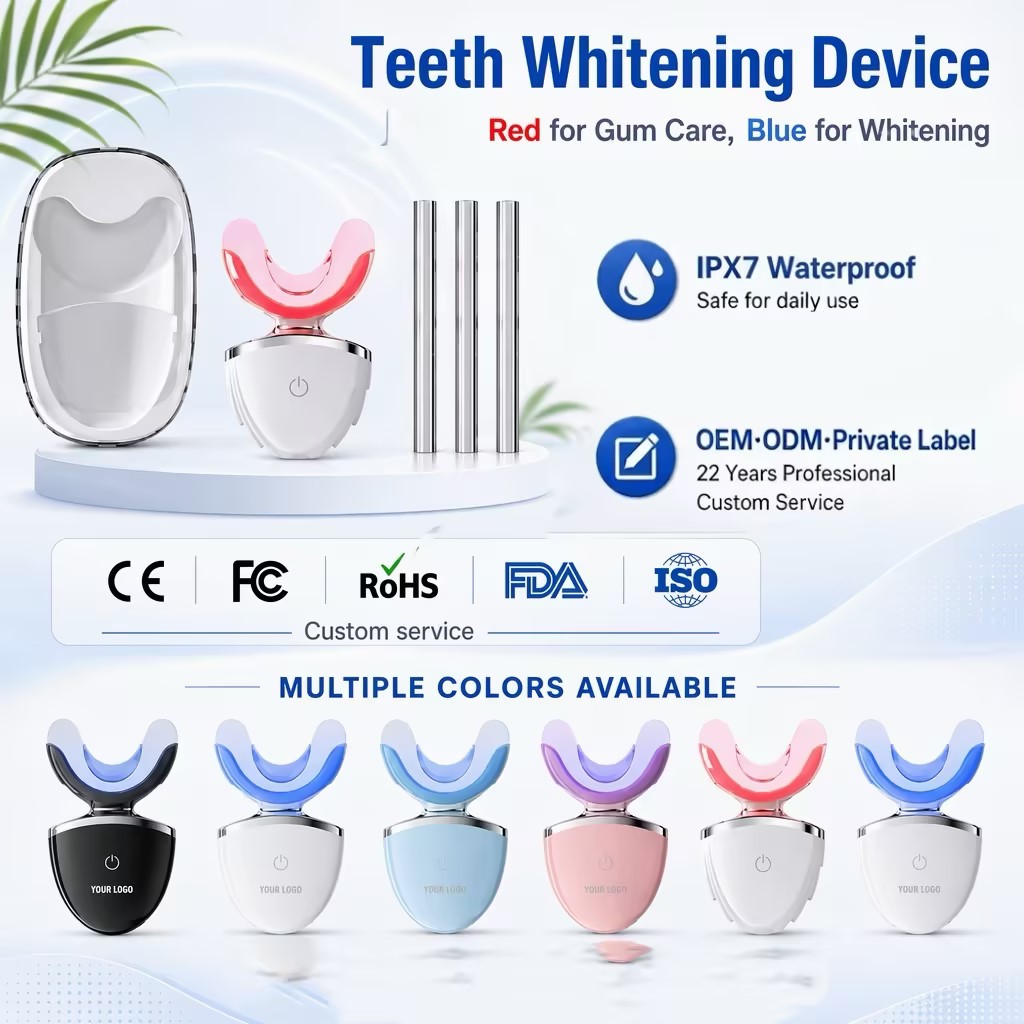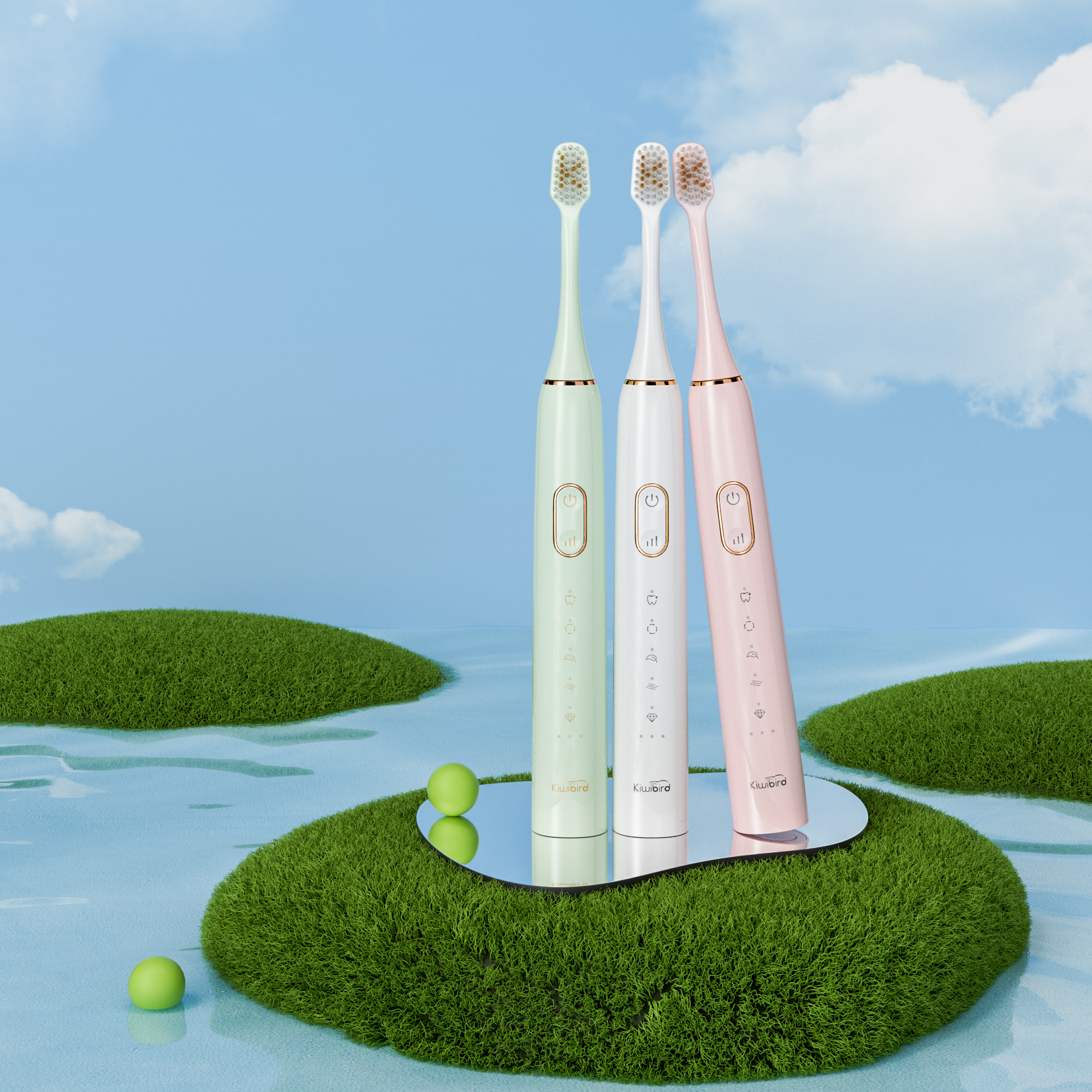
LED teeth whitening OEM factory selection has become a strategic priority for global oral beauty brands that want consistent quality, reliable supply, and long-term cost control. Since competition in the whitening device market grows every year, buyers need partners that understand engineering, regulatory compliance, and consumer expectations at the same time. Moreover, strong factories support brands with design input instead of only basic assembly. As a result, the cooperation model becomes a real value driver rather than a simple sourcing transaction. When evaluating potential partners, the first step is capability mapping. Therefore, buyers should look beyond glossy sales presentations and verify the manufacturing process directly. For example, the factory should manage PCB assembly, LED layout validation, battery safety testing, and cosmetic housing finishing under strict controls. Moreover, traceability and process documentation matter because international retailers and authorities may audit production at any time. However, smaller workshops often lack this discipline, which increases risk for importers and private label brands. In addition, the ideal whitening device manufacturer invests in R&D. As a result, they can help optimize optical output, thermal management, and ergonomic design. Moreover, engineering teams that understand different whitening gels can help prevent compatibility complaints in the market. Since…
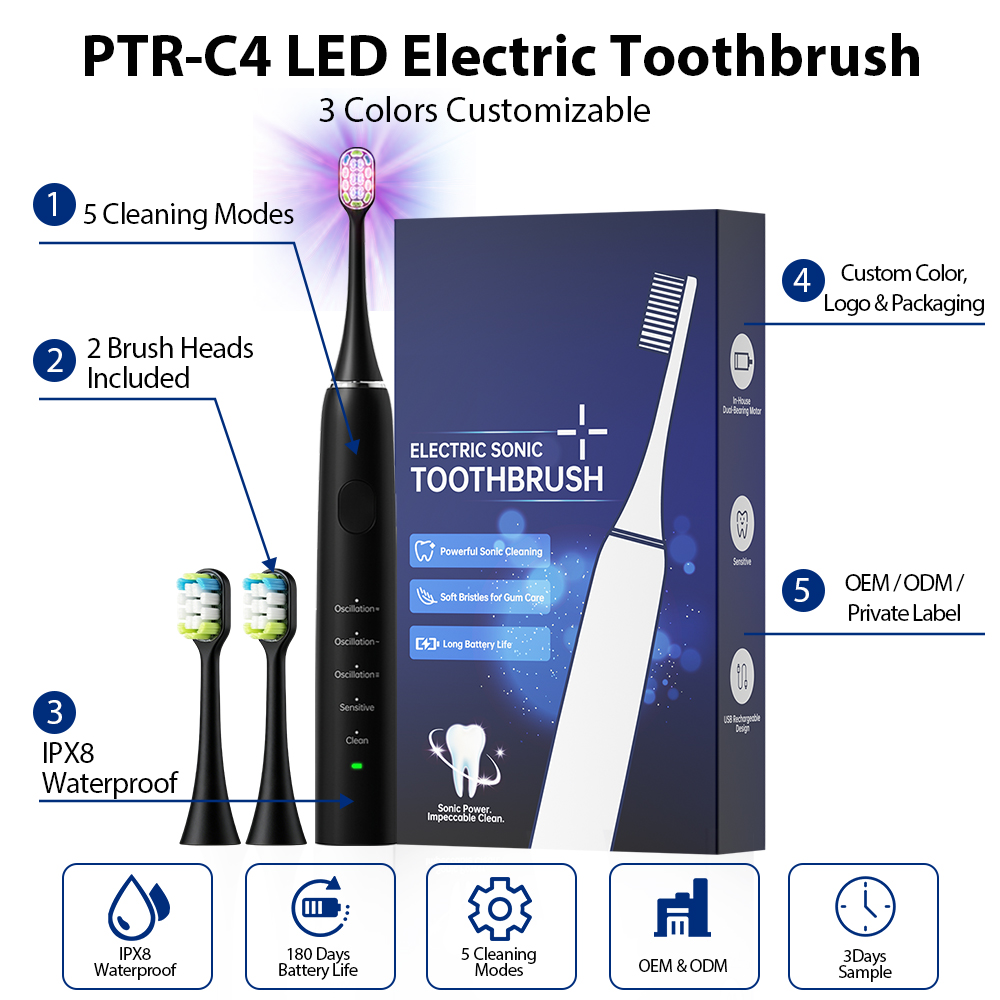
Toothbrush product lifecycle management plays a critical role for international distributors, brand owners, and OEM partners who compete in the fast-moving oral care market. From market research to end-of-life recycling plans, the lifecycle approach helps B2B buyers reduce risk, improve quality, and protect margins across the entire value chain. Moreover, it gives structure to decisions that would otherwise stay fragmented across departments such as purchasing, marketing, and compliance. As a result, companies that apply lifecycle thinking usually scale faster and maintain stronger brand trust in the long term. First, successful brands start with an evidence-based concept phase. During this stage, the team evaluates consumer insights, market price bands, regulatory requirements, and technical feasibility. In addition, the OEM factory or EMS partner supports with early feedback on tooling, materials, and certifications so that the plan remains realistic. However, gaps between marketing expectations and factory capability still happen, therefore disciplined project validation remains essential at every milestone. International buyers also review competitive products to ensure positioning matches the company’s portfolio strategy. Next comes the design-for-manufacturing stage. Here, the engineering team develops the handle, motor, battery configuration, and waterproof structure. Moreover, safety standards such as IEC and battery transport rules come under review.…
Introduction As smart oral care and personal care devices become more interactive, Touch Interface Design plays a key role in usability and product differentiation. At the same time, safety expectations are rising—especially for family-oriented products. Integrating a dependable Child Lock Function into a touch-based interface requires careful balance between intuitive user experience and robust protection against accidental activation. Defining Clear Activation Logic for Child Safety A reliable Child Lock Function begins with deliberate activation steps, such as long-press gestures or multi-touch sequences. Thoughtful Touch Interface Design ensures these actions are intentional for adults while remaining inaccessible to children through random touches. Visual and Haptic Feedback for Lock Status Clear visual icons or subtle haptic feedback help users instantly recognize whether the Child Lock Function is enabled. Touch Interface Design should communicate lock status without clutter, reinforcing safety without compromising a clean interface layout. Preventing Accidental Mode Switching Touch-sensitive surfaces can be prone to unintended input. By segmenting touch zones or requiring confirmation gestures, Touch Interface Design minimizes accidental mode changes and ensures the Child Lock Function remains active during storage or handling. Firmware and Hardware Coordination Reliable child lock performance depends on seamless coordination between firmware logic and touch sensors.…
Introduction For oral care devices and professional hygiene equipment, Pressure Stabilization is a critical function that directly affects safety, performance, and user confidence. However, even the most advanced technology can underperform if end users do not understand how to operate it correctly. This is why a clearly written and well-structured User Manual plays a vital role in ensuring proper use, especially in B2B-distributed products that serve diverse markets and user profiles. Preventing Misuse and Operational Errors Clear instructions in the User Manual guide users on how Pressure Stabilization works and when it is activated. Without proper explanation, users may apply incorrect pressure settings, leading to inconsistent results or potential device misuse. Supporting Consistent Performance Across Use Cases Pressure Stabilization systems designed to adapt to different operating conditions. A detailed User Manual helps standardize user behavior, ensuring that the feature performs consistently whether the device is used in clinical, professional, or home environments. Enhancing Product Safety and User Confidence When Pressure Stabilization limits clearly explained, users gain confidence in the device’s safety mechanisms. Transparent documentation reassures buyers and end users that the product engineered to protect both the device and the user during operation. Reducing After-Sales Support and Training Costs For…
Introduction As wireless power technologies mature, integrating a Wireless Charging Module into oral care or cosmetic devices is becoming a strategic upgrade for premium product lines. However, this innovation directly impacts Kit Packaging design, influencing everything from internal structure and material selection to user unboxing experience and logistics efficiency. For B2B manufacturers and OEM partners, packaging must evolve alongside charging technology. Internal Layout and Component Protection Requirements A Wireless Charging Module introduces additional components such as coils, receivers, and alignment structures. Kit Packaging must be redesigned to secure these elements during transit, preventing coil deformation, magnetic interference, or connector stress. Space Optimization and Form Factor Adjustments Wireless charging often allows the removal of exposed charging ports, but it may require additional internal space. Kit Packaging designers must balance compact outer dimensions with sufficient internal clearance to accommodate charging pads, docks, or multi-device layouts. Material Selection and Signal Compatibility Certain packaging materials can interfere with wireless charging efficiency. When a Wireless Charging Module is included, Kit Packaging must avoid excessive metal layers or shielding materials that could reduce charging performance during in-box demonstrations or testing. User Experience and Unboxing Guidance Wireless charging is still a learning curve for some users. Kit…
Introduction In professional and at-home oral aesthetics, combining an Accelerated Whitening formula with a precise Timer Function is essential for achieving fast, safe, and repeatable results. For OEM manufacturers and brand owners, this integration is not just about speed—it is about controlling exposure time, enhancing user safety, and ensuring regulatory-aligned performance across whitening devices. Controlling Exposure Time for Active Ingredients Accelerated Whitening formulas typically rely on higher-efficiency active agents. A built-in Timer Function ensures these ingredients remain in contact with enamel only for validated durations, reducing the risk of overexposure while maintaining whitening efficacy. Enhancing User Compliance and Consistency From a B2B design perspective, a Timer Function removes guesswork for end users. When paired with Accelerated Whitening, it ensures each session follows a consistent treatment cycle, supporting predictable outcomes and reducing misuse-related complaints. Supporting Sensitivity Management Strategies Shorter, precisely timed sessions are key to minimizing sensitivity. By synchronizing Accelerated Whitening performance with automated timing control, manufacturers can better balance whitening speed with enamel and gum protection requirements. Enabling Smart Device and System Integration A built-in Timer Function can be integrated with LED modules, mobile apps, or control chips. This allows Accelerated Whitening systems to deliver phased treatment cycles, pauses, or…
Introduction In the oral care manufacturing industry, achieving Brush Head Compatibility across multiple devices is often seen as a commercial advantage. However, from a regulatory perspective, universal designs introduce significant complexity in meeting Certification Compliance requirements. For OEMs and brand owners, balancing modular compatibility with strict safety, performance, and regional certification standards remains a critical challenge. Variability in Mechanical Fit and Retention Universal brush heads must fit multiple handle designs, which can lead to inconsistent locking mechanisms or tolerances. Certification Compliance often requires validated retention force and detachment safety for each configuration, complicating approval processes. Differences in Electrical and Vibration Interfaces Brush Head Compatibility becomes more complex when devices use different drive systems, vibration frequencies, or power outputs. Certification bodies may require separate testing to confirm safe operation under each electrical or mechanical interface. Material Compliance Across Multiple Use Scenarios Universal brush heads are exposed to varied operating conditions. Materials must meet Certification Compliance standards for wear, chemical resistance, and biocompatibility across all compatible devices, increasing testing scope and documentation. Performance Consistency Requirements Regulatory frameworks often require consistent cleaning efficacy and user safety. Ensuring Brush Head Compatibility does not compromise performance across different platforms can trigger additional validation and repeat…
Introduction In water-based oral care and personal hygiene devices, Jet Stream Precision is often evaluated by nozzle design and pump performance, but long-term consistency depends heavily on Hose Durability. For B2B manufacturers and OEM partners, understanding how hose materials, structure, and aging behavior influence pressure stability is critical to delivering reliable, high-performance products. Maintaining Stable Internal Pressure Over Time Hose Durability directly affects pressure retention. Degradation, micro-cracking, or elasticity loss can cause fluctuations that reduce Jet Stream Precision during extended product use. Preventing Flow Loss and Pulse Distortion Precision jet streams rely on smooth, uninterrupted flow. Durable hoses minimize internal deformation and flow resistance changes, ensuring consistent pulse patterns and controlled output. Supporting Accurate Pump-to-Nozzle Energy Transfer The hose acts as the transmission path between pump and nozzle. High Hose Durability ensures efficient energy transfer, allowing Jet Stream Precision to remain consistent even under repeated high-pressure cycles. Reducing Leakage Risk and Performance Drift Over time, inferior hoses may develop leaks or weak points. Enhanced Hose Durability reduces leakage risk, preserving Jet Stream Precision and protecting surrounding components. Enabling Material Compatibility and Hygiene Standards Durable hoses are more resistant to chemical exposure, temperature variation, and biofilm buildup. This stability supports Jet…
Introduction In high-performance oral care and personal hygiene devices, output quality and energy management are closely connected. Sonic Wave Technology relies heavily on stable and precise motor performance, making a Motor Efficiency Upgrade a strategic improvement rather than a simple component change. For B2B manufacturers and OEM partners, enhancing motor efficiency can unlock measurable gains in performance, reliability, and user experience. Improving Energy Conversion and Output Stability A Motor Efficiency Upgrade allows more electrical energy to be converted into mechanical motion. This improvement helps Sonic Wave deliver consistent vibration frequencies without unnecessary power loss. Extending Battery Runtime Without Reducing Performance Efficient motors draw less current for the same output. By implementing a Motor Efficiency Upgrade, devices using Sonic Wave can achieve longer runtime while maintaining effective cleaning performance. Enhancing Frequency Precision and Control Sonic Wave Technology depends on accurate frequency generation. A high-efficiency motor provides smoother operation and better response to control signals, improving frequency stability and overall performance. Reducing Heat and Mechanical Stress Inefficient motors generate excess heat and vibration. A Motor Efficiency Upgrade minimizes thermal buildup, protecting internal components and preserving the integrity of Sonic Wave Technology systems. Supporting Quieter and More Comfortable Operation Improved motor efficiency often…
Introduction As mobility and convenience become essential product requirements, engineers are rethinking traditional fluid delivery methods. A Gravity Feed System offers a simplified alternative to pump-driven designs, making it a key enabler for a lightweight and fully cordless Portable Design. For B2B manufacturers and OEM partners, this approach opens new possibilities in energy efficiency, form factor optimization, and user-friendly product development. Eliminating the Need for High-Power Pump Components A Gravity Feed System relies on natural water flow rather than mechanical pumping. Removing power-hungry pumps supports a more compact and energy-efficient Portable Design, ideal for cordless applications. Reducing Power Consumption for Extended Runtime Without continuous motor operation, a Gravity Feed System significantly lowers energy demand. This efficiency allows Portable Design products to achieve longer usage time on smaller batteries. Simplifying Internal Structure and Assembly Gravity-based fluid delivery requires fewer moving parts. This simplicity benefits Portable Design by reducing internal complexity, improving reliability, and streamlining manufacturing processes. Enabling Lightweight and Compact Form Factors By minimizing mechanical components, a Gravity Feed System helps reduce overall device weight. This directly supports ergonomic and travel-friendly Portable Design objectives. Enhancing Reliability Through Fewer Failure Points Fewer active components mean fewer potential failures. Gravity Feed architectures improve…
Introduction In modern teeth whitening systems, safety is closely tied to how light-based technologies are applied. The choice of LED Wavelength plays a critical role in determining whether a whitening solution can be considered truly Enamel Safe. For B2B manufacturers and OEM partners, understanding the relationship between wavelength selection, material interaction, and enamel protection is essential for developing safe and effective products. Understanding How LED Wavelength Interacts with Enamel Different LED Wavelength ranges interact with dental tissues in distinct ways. Selecting an appropriate wavelength allows effective activation of whitening agents while minimizing direct impact on enamel structure, supporting Enamel Safe performance. Limiting Thermal and Photochemical Stress An unsuitable LED Wavelength can generate excessive heat or unwanted photochemical reactions. Proper wavelength selection reduces these risks, helping ensure whitening treatments remain Enamel Safe during repeated use. Ensuring Controlled Activation of Whitening Agents The effectiveness of whitening relies on precise activation rather than higher intensity. A targeted LED Wavelength enables efficient gel activation without overexposing enamel, reinforcing Enamel Safe system design. Supporting Compatibility with Low-Sensitivity Formulations Whitening systems designed around specific LED Wavelength parameters can work effectively with gentler formulations. This compatibility helps reduce enamel stress and supports Enamel Safe product positioning. Aligning…
Introduction As hygiene-focused features become standard in advanced oral care devices, UV Sanitization is increasingly integrated into flosser systems. This technology not only enhances cleanliness but also directly influences the Cartridge Replacement cycle by reducing microbial buildup. For B2B manufacturers and OEM partners, understanding this interaction is key to optimizing maintenance schedules, user experience, and long-term product value. Reducing Bacterial Accumulation in Cartridges Integrated UV Sanitization helps limit bacterial growth inside flosser cartridges. With lower contamination levels, Cartridge Replacement intervals can be extended without compromising hygiene or performance. Maintaining Consistent Flow Performance Over Time Microbial buildup can restrict water flow and reduce effectiveness. UV Sanitization preserves internal cleanliness, allowing cartridges to maintain optimal performance throughout a longer Cartridge Replacement cycle. Enhancing User Perception of Hygiene and Reliability Visible or communicated UV Sanitization features increase user confidence. This perception supports acceptance of longer Cartridge Replacement intervals, reducing perceived maintenance burden. Supporting Predictable and Optimized Maintenance Schedules With UV Sanitization controlling microbial growth, manufacturers can define more stable Cartridge Replacement timelines. This predictability benefits both end users and OEM after-sales planning. Balancing Component Longevity and Material Integrity While Sanitization improves hygiene, it must carefully calibrated. Proper system design ensures that extended Cartridge…
Introduction As portability and safety become defining factors in modern product design, Battery Powered oral care devices must deliver reliable performance without unnecessary energy waste or risk. An Auto Shutdown Feature plays a critical role in protecting both the device and the user by ensuring controlled operation under various usage conditions. For B2B manufacturers and OEM partners, this feature is a key element of responsible and competitive product development. Preventing Battery Over-Discharge and Damage An Auto Shutdown Feature automatically powers off the device when battery levels fall below safe thresholds. This protection helps preserve battery health in Battery Powered oral care devices and extends overall product lifespan. Enhancing User Safety During Operation Unattended or prolonged operation can pose safety risks. By integrating an Auto Shutdown Feature, Battery Powered devices reduce the likelihood of overheating, electrical faults, or unintended continuous use. Improving Energy Efficiency and Runtime Management Efficient power management is essential for portable devices. An Auto Shutdown Feature ensures that Battery Powered products consume energy only when needed, improving runtime consistency and reducing unnecessary power loss. Supporting Compliance with Safety and Quality Standards Many international safety standards require automatic power-off mechanisms. Incorporating an Auto Shutdown Feature helps Battery Powered oral…
Introduction In the oral care and aesthetic device industry, regulatory approval is often seen as a benchmark of trust. However, while an FDA Approved Device confirms compliance with safety and regulatory requirements, it does not automatically ensure effective Sensitivity Reduction. For B2B manufacturers and OEM partners, understanding this distinction is essential when designing products that balance compliance, performance, and user comfort. Understanding What FDA Approval Actually Covers An FDA Approved Device meets defined safety, manufacturing, and labeling standards. However, FDA approval focuses on risk control rather than guaranteeing outcomes such as Sensitivity Reduction. Differentiating Safety Compliance from User Comfort Safety and comfort are related but not identical. While an FDA Approved Device is safe for intended use, Sensitivity Reduction depends on formulation, exposure time, and device interaction beyond regulatory minimums. The Role of Design and Technology in Sensitivity Reduction Engineering factors such as output control, material selection, and delivery precision strongly influence Sensitivity Reduction. These elements must be optimized independently of FDA Approved Device status. Importance of Compatible Consumables and Accessories Sensitivity often arises from system mismatches. Even with an FDA Approved, improper gels, trays, or applicators can increase discomfort, undermining Sensitivity Reduction goals. Clinical Validation and User Testing Beyond…
teeth whitening device tooling cost is a major capital decision for any brand that wants exclusive ID design or long-term private-label control. Although unit prices often receive the most attention, tooling investment determines quality stability, ownership structure, and speed to market. Therefore, procurement teams should evaluate the full financial picture before committing. What Tooling Includes in Whitening Device Programs Injection molds, silicone tray tooling, fixtures, and test jigs usually form the core package. Moreover, PCB fixtures and packaging dies may also be required. Each element affects lifetime output, tolerance, and cosmetic quality. Consequently, cheaper tooling may limit surface finish options or shorten usable mold life, which then increases cost later. Cost Drivers and Optimization Several factors shape the investment level. First, complex shapes, multi-material designs, and over-molding add to the bill. Second, target volume matters because higher-grade steel becomes economical when you expect longer production runs. Furthermore, fast-charging batteries and sealed waterproof structures require tighter tolerance, which also influences tooling choices. For reputable oral-care background guidance, you can review resources published by the FDI World Dental Federation at https://www.fdiworlddental.org. Internal Planning and Risk Control In addition, brands should consider depreciation over the product lifecycle. A well-structured OEM agreement clarifies ownership,…
oral beauty device private label programs allow distributors and brand owners to launch whitening and oral-care technology without investing in their own factory. However, the difference between a short-term trading project and a long-term, scalable brand often lies in how you structure the OEM partnership. Therefore, procurement teams should evaluate much more than price. Private Label Strategy for Oral-Care Brands When entering competitive beauty and dental channels, positioning matters. Some companies choose pharmacy distribution, others prefer e-commerce or clinic channels. Moreover, each channel requires different documentation, quality expectations, and margin structures. Consequently, your private-label supplier must support flexible certification packages, including safety, EMC, and material compliance. On the clinical side, buyers may also consider whether future medical-grade pathways are possible. Product Development and Differentiation Strong OEM partners offer ID customization, packaging design, and PCB or firmware tuning. In addition, they help select tray materials, LED layout, and battery chemistry based on your market needs. At the same time, private-label brands must ensure that all cosmetic claims remain compliant with local marketing regulations. For a reference on oral-health information, you may consult reputable sources such as the NHS dental advice pages at https://www.nhs.uk. Supplier Stability and Cost Transparency Private label success…
whitening gel compatibility device represents a critical topic for brands that develop LED or heat-assisted whitening systems for retail or professional markets. Distributors, importers, and brand owners want predictable performance across multiple gel formulas, because compatibility issues often increase warranty risk and customer complaints. Therefore, a structured evaluation and lifecycle approach is essential when working with an OEM manufacturing partner. Why Gel–Device Fit Matters in B2B Supply Chains When whitening devices reach the market, various whitening gels may be used. Some include hydrogen peroxide, others use carbamide peroxide, and many brands choose PAP-based formulations. However, each material interacts differently with LED wavelength, heat output, tray material, and enclosure sealing. Consequently, poor matching may reduce whitening efficiency or accelerate component wear. Brands in global markets prefer to minimize variability before launch, rather than solving product issues afterward. Engineering Controls for Better Whitening System Integration Experienced OEM factories run stability and compatibility simulations, and they also test different viscosities and pH conditions. Moreover, design teams often check whether the device material slowly absorbs gel, whether seals degrade, or whether heat worsens gel oxidation. In addition, engineering should confirm that electronic components remain protected from repeated gel exposure. A reliable partner advises on…
Teeth whitening device compliance EU requirements are becoming more complex as regulators tighten oversight across cosmetic and medical categories. For B2B buyers and brand owners, understanding these rules early helps avoid shipment delays, product recalls, and legal exposure. Therefore, compliance strategy should be built into the product lifecycle rather than treated as an afterthought. Determining the Right EU Classification Whitening devices can be marketed as cosmetic beauty tools or as medical devices depending on claims and peroxide use. Moreover, the classification determines technical documentation, testing scope, and labeling duties. Consequently, brands should evaluate risk, intended use, LED output, battery safety, and user exposure scenarios before filing documentation. When MDR applies, a notified-body review may be required. Core Technical and Safety Documentation Manufacturers need structured technical files including risk-management reports, EMC testing, electrical safety evidence, biocompatibility justification, chemical safety compliance, usability evaluation, and labeling control. Additionally, REACH and RoHS statements are required for materials. Therefore, internal revision control and traceability systems are essential. Documentation is not optional; instead, it protects both the brand and the end user. Labelling, UDI, and Traceability Clear instructions for safe use, intended purpose, warnings, and disposal guidance must be supplied. Moreover, MDR introduces UDI requirements for…
LED teeth whitening OEM factory partnerships are becoming a critical growth driver for oral-care brands that want to scale efficiently while maintaining strong quality and regulatory control. For B2B buyers, the right OEM partner should not merely assemble products. Instead, the partner should integrate design support, structured project management, documented compliance, and post-launch lifecycle services. Therefore, choosing a professional supplier reduces risk while also accelerating speed-to-market. Understanding OEM Manufacturing Needs for LED Whitening Devices When brands search for an OEM factory, they usually require consistent quality, full documentation, and predictable delivery schedules. Moreover, they expect technical collaboration, rapid sampling, and transparent cost structures. Consequently, the ideal partner will support mold design, materials sourcing, SMT/assembly, and firmware or LED driver optimization. Furthermore, reliable factories also maintain aging-test procedures, ESD protections, cosmetic inspection standards, and traceability. Product Quality Systems and International Standards Global brands increasingly request ISO-based QMS structures, MDR technical documentation preparation, and risk-management files aligned with ISO 14971. Additionally, they value factories that maintain incoming inspections, in-process audits, and final AQL checks. Clear records build trust. However, quality is not only about inspection. Instead, it starts in the design-for-manufacturing phase with materials, battery safety, PCB layout, LED wavelength tolerance, and…
toothbrush product lifecycle management sits at the center of every successful oral-care brand that wants to scale efficiently, reduce risk, and create long-term value. For OEM and private-label buyers, the lifecycle does not start at mass production. Instead, it begins with market validation and ends with after-sales optimization. Therefore, when buyers work with manufacturers, strong lifecycle control becomes a competitive advantage rather than a technical detail. Early-Stage Planning for Toothbrush Lifecycle Success During the concept stage, buyers define user personas, target price ranges, and compliance markets. Moreover, engineering teams translate these goals into mechanical structures, bristle systems, battery formats, and charging methods. Meanwhile, procurement teams align tooling budgets and forecast order volumes. At this point, buyers should review feasibility, MOQ risk, and expected warranty exposure. A transparent factory partner simplifies every step, because communication speed determines development efficiency. NPI, Tooling, and Pilot Validation After concept lock-in, tooling moves forward. However, quality engineering must arrive early. IQC plans, golden samples, and pilot runs verify production stability before launch. In addition, testing schedules cover vibration strength, waterproof reliability, noise, charging safety, and brushing-head durability. For oral-care brands entering regulated markets, this stage also includes documentation preparation for EMC, battery, and material safety.…
whstapp
whstapp
National Toll-Free Service Hotline
+86 755 86238638