In OEM electric toothbrush production, the Brush Head Attachment Mechanism plays a decisive role in shaping the entire Toothbrush Mold Design. Because the attachment interface defines how the brush head connects, rotates, transmits force, and maintains long-term stability, it becomes one of the core engineering factors manufacturers must consider at the earliest design stage. An optimized mechanism ensures durability, cost-efficiency, and seamless compatibility across multiple product lines.
Snap-fit, twist-lock, magnetic, and spline-driven Brush Head Attachment Mechanisms each require different internal geometries. These variations directly influence Toothbrush Mold Design, dictating cavity layout, internal ribbing, and thickness distribution.
The way brushing torque is transferred—from the motor shaft through the attachment point—affects the reinforcement areas inside the handle mold. A stable Brush Head Attachment Mechanism helps determine rib patterns, core-pin placement, and tolerance strategies during injection molding.
Because the attachment interface must maintain micrometer-level accuracy for performance and safety, the Toothbrush Mold Design must account for shrinkage rates, deformation control, and precision tooling. High-tolerance mechanisms often increase mold cost and require refined steel choices.
The mechanism interface experiences repeated insertion cycles and rotational stress. This means that both the brush head connector and the handle housing require materials suited for fatigue resistance. Mold design engineers must consider reinforced polymers, glass-filled resins, or multi-material molding to support the Brush Head Attachment Mechanism.
Different attachment systems require different automation sequences. Whether inserting metal shafts, aligning splines, or bonding magnetic components, these steps influence how the Toothbrush Mold Design supports downstream manufacturing. Mold engineers must plan for alignment features, sensor points, and assembly access.
Brands often want multiple toothbrush models to share the same brush head. A standardized Brush Head Attachment Mechanism allows the OEM to reuse core mold components. This reduces production cost, simplifies maintenance, and improves overall SKU management.
The Brush Head Attachment Mechanism is far more than a functional connector—it is a structural, mechanical, and manufacturing anchor point that drives the entire Toothbrush Mold Design strategy. OEMs that prioritize this interface early in the design process achieve better production efficiency, more reliable performance, and greater cross-model compatibility. Contact us

Can You Replace a New Battery in an Electric Toothbrush by Yourself?

Need Toothbrush Industry Insights to Navigate Toothbrush Market Trends?

Refining Your Toothbrush Sourcing Strategy?
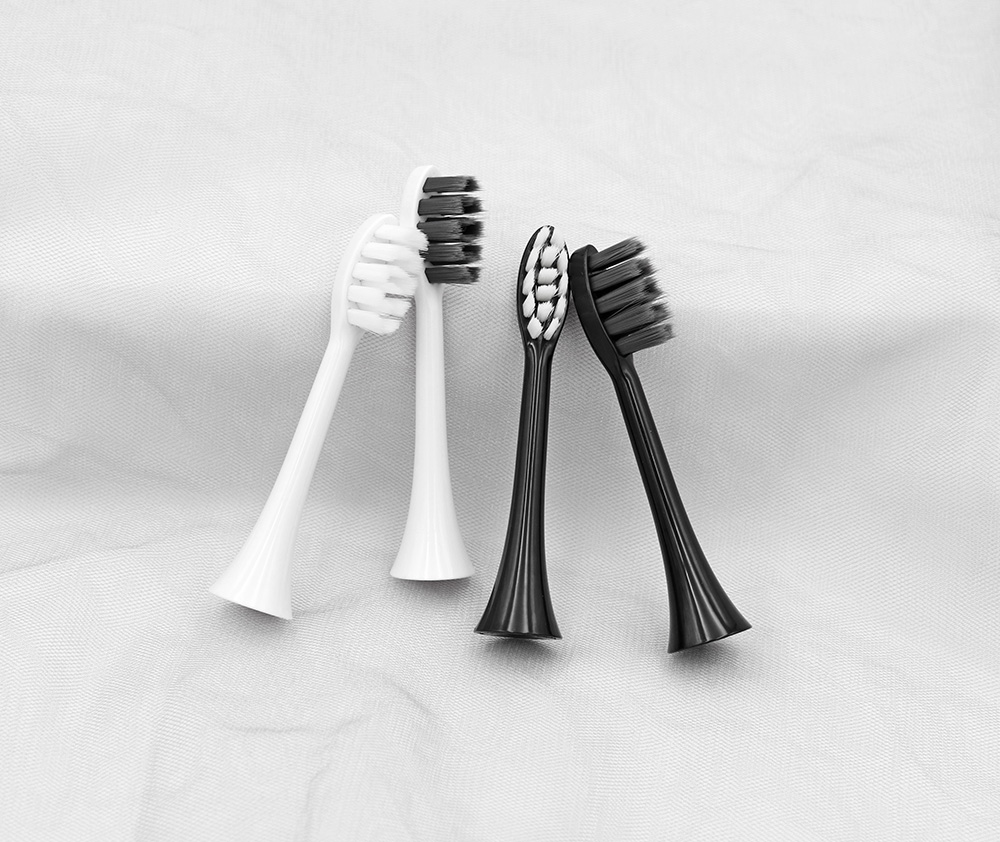
Electric Toothbrush Manufacturers Tell You the Truth About Charcoal Toothbrush Heads
.jpg)
Electric Toothbrush for Daily Use Wholesale Solutions for Global Brands
Micro-Vibration Toothbrush OEM | Precision Sonic Cleaning for Global Distributors
Dentist Clinic Electric Toothbrush Supplier
Wireless Charging Sonic Toothbrush Wholesale
.jpg)
Need Toothbrush Innovation Partners or Just Toothbrush Technology Partners?
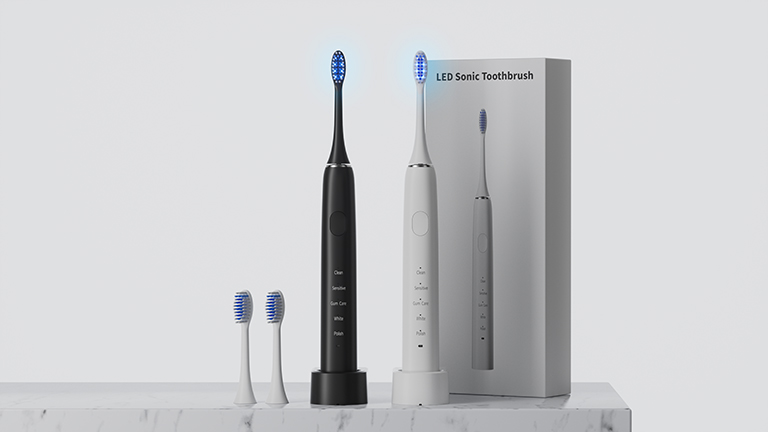
Electric Toothbrush Battery Life: A Key OEM Consideration for Product Competitiveness
Will You Get a Transparent Toothbrush Cost Breakdown?
Interested in Private Label Oral Care? Ask About Our Volume Discount Available!

Defining Effective Electric Toothbrush Design for Modern OEM Brands
Smart Toothbrush with Bluetooth Bulk | Connected Oral Care for B2B Clients
.jpg)
San Francisco electric toothbrush supplier
Waterproof IPX7 Toothbrush OEM | Durable Sonic Brush for Wet-Use Environments


.jpg)
.jpg)
.jpg)
.jpg)
.jpg)







.jpg)