oral beauty device private label programs allow distributors and brand owners to launch whitening and oral-care technology without investing in their own factory. However, the difference between a short-term trading project and a long-term, scalable brand often lies in how you structure the OEM partnership. Therefore, procurement teams should evaluate much more than price.
When entering competitive beauty and dental channels, positioning matters. Some companies choose pharmacy distribution, others prefer e-commerce or clinic channels. Moreover, each channel requires different documentation, quality expectations, and margin structures. Consequently, your private-label supplier must support flexible certification packages, including safety, EMC, and material compliance. On the clinical side, buyers may also consider whether future medical-grade pathways are possible.
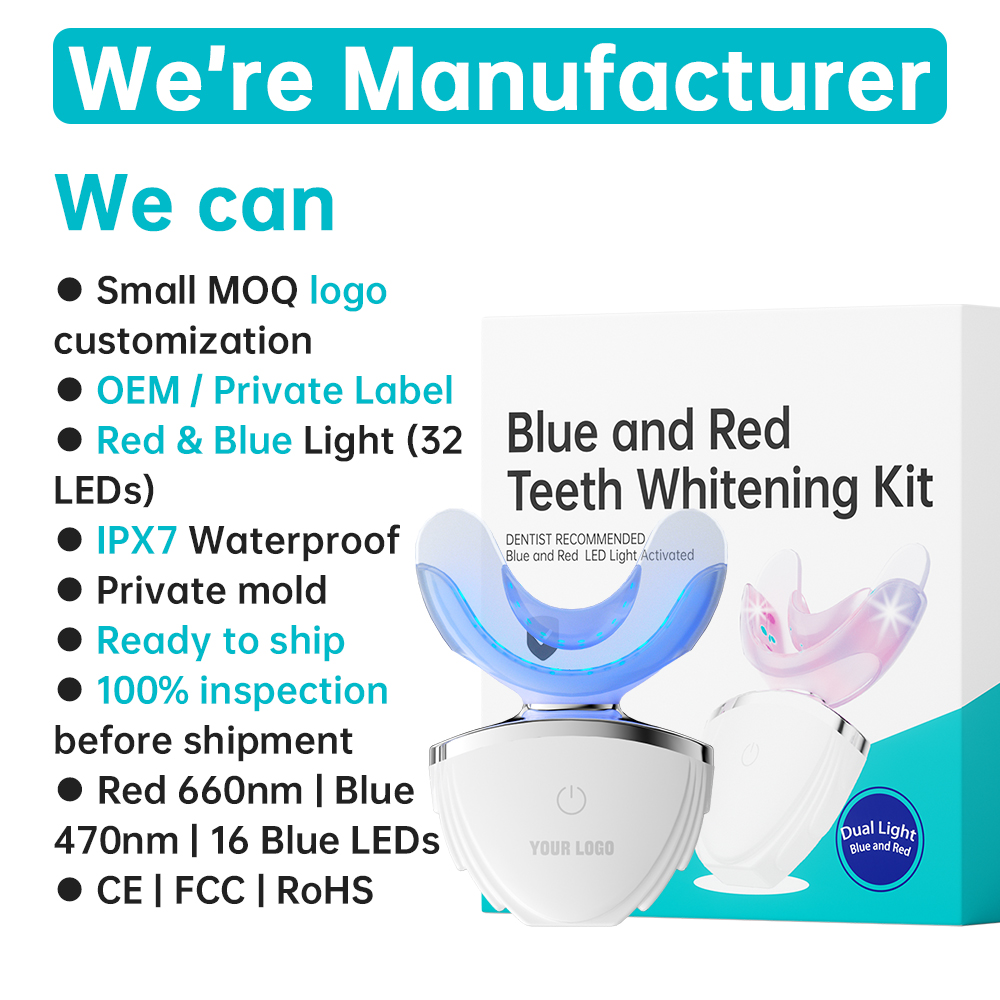
Strong OEM partners offer ID customization, packaging design, and PCB or firmware tuning. In addition, they help select tray materials, LED layout, and battery chemistry based on your market needs. At the same time, private-label brands must ensure that all cosmetic claims remain compliant with local marketing regulations. For a reference on oral-health information, you may consult reputable sources such as the NHS dental advice pages at https://www.nhs.uk.
Private label success requires lifecycle visibility. Therefore, buyers should confirm tooling ownership, spare-part availability, and repair logistics before launch. Moreover, structured MOQ planning reduces stock pressure while keeping cost under control. You can explore OEM device categories at https://www.powsmart.com/products to understand common configurations.
During contract negotiation, the phrase oral beauty device private label often re-appears inside documentation and project scope definitions, especially when the brand wants regional exclusivity or phased product roadmaps.
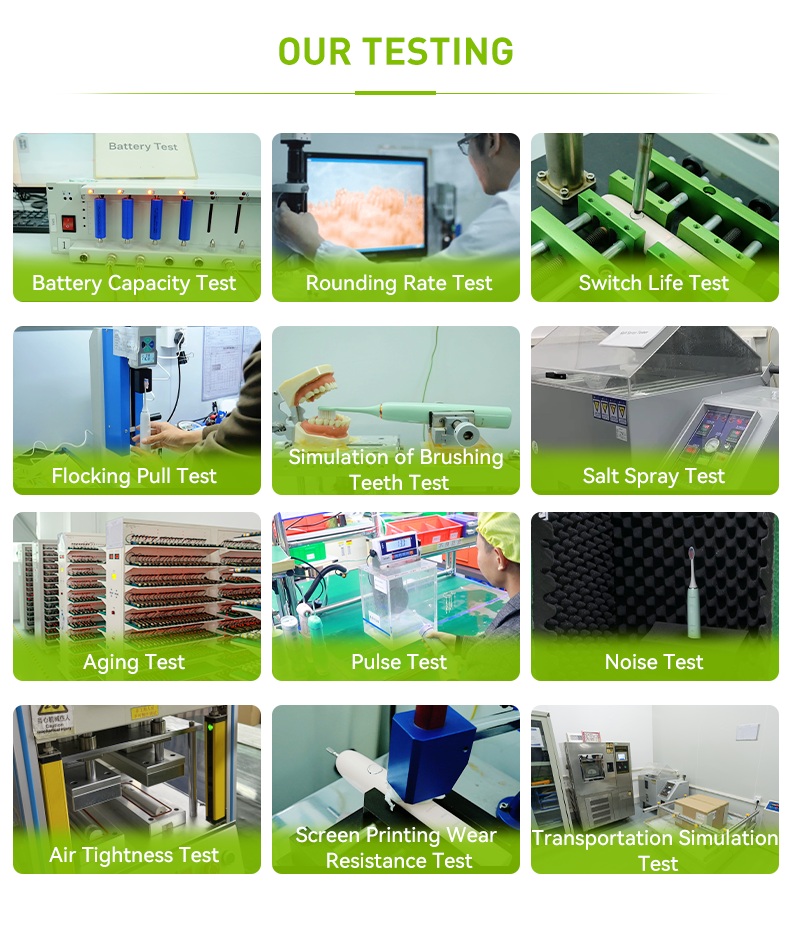
Furthermore, a mature factory operates under ISO-style quality control, including incoming inspection, in-process audits, and shipment sampling. These systems protect both price stability and brand reputation. Meanwhile, marketing teams benefit from consistent product specifications across batches.
Ultimately, a reliable OEM relationship combines engineering capability, regulatory competence, and service discipline. With the right structure, your brand scales smoothly across global channels and defends its margin. Therefore, every new project should begin with a clear focus on oral beauty device private label, and when the product finally reaches the market, the same commitment should continue: oral beauty device private label.
.jpg)
Dental Practice Gift Toothbrush Supplier for Clinics and Programs
Children Cavities Prevention Guide: Water Flossers for Kids’ Oral Health
.jpg)
Is a Portable Water Flosser the Cornerstone of Your Travel Oral Care Kit?
Runtime Shortening with Battery Memory – Related?
Teenage Teeth Whitening Safety Guide: Safe Options for Young Smiles
Red Blue Light Electric Toothbrush Factory: Advanced Oral Care Technology
Private Label Sonic Toothbrush Seattle Retailers | Reliable Manufacturer
Interested in a Salon & Spa Partnership?
The Future of Teeth Whitening Devices: Trends and Innovations in Manufacturing
Is Battery Swelling Causing Pressure Loss?
Pressure Sensor Failure with Taste Distortion – Related?
Is it normal for an electric toothbrush to make too much noise?
.jpg)
Can an Austin eco toothbrush double as an Austin whitening brush?
Professional Sonic Toothbrush Factory
Whitening Kit Manufacturer | Powsmart
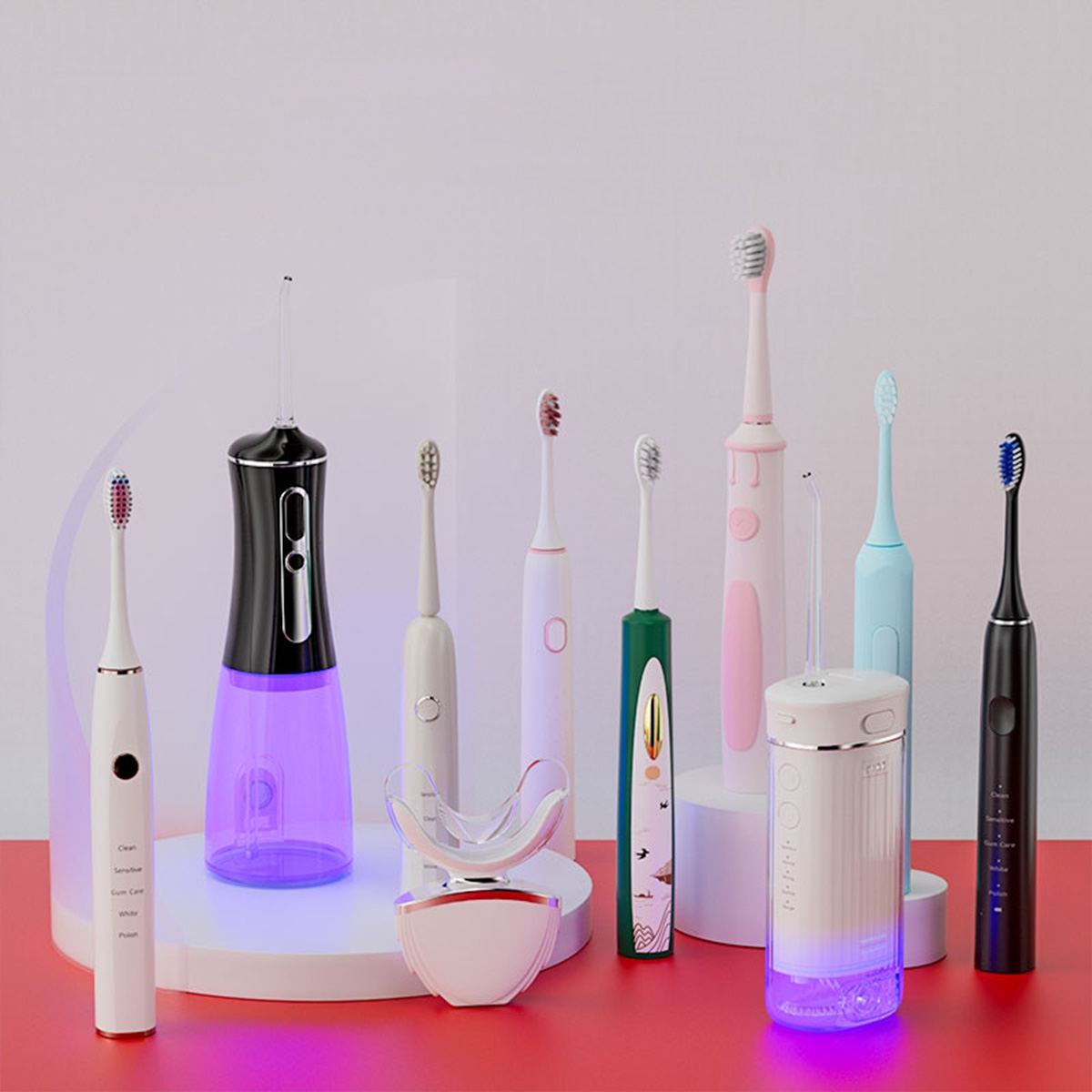
Electric Toothbrush Wholesale Market Analysis: Some of the Best-Selling Models in 2025


.jpg)
.jpg)
.jpg)
.jpg)
.jpg)