
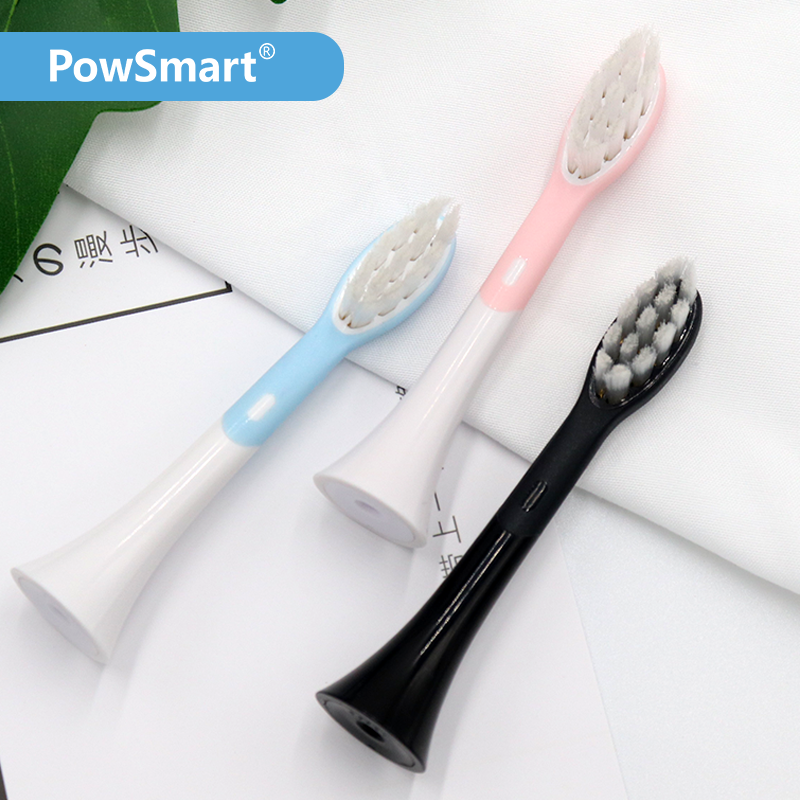
As oral care continues to shift toward smart, modular solutions, one of the most common industry questions is: Are electric toothbrush heads universal? For oral care brands and retailers, understanding compatibility is more than a product detail—it’s key to product development, customer satisfaction, and long-term market success. In this blog, we will explore the compatibility landscape of replaceable electric toothbrush heads, analyze the design and functional differences, and highlight business opportunities for brands looking to partner with an oral care products manufacturer. The Basics: What Are Replaceable Electric Toothbrush Heads? Replaceable electric toothbrush heads are detachable brush components designed to be swapped out regularly—usually every 3 months—for hygiene and performance purposes. They are critical not only for end-user health, but also as a recurring revenue stream for brands. Most brush heads include: A plastic or rubberized base Nylon bristles with varied hardness Embedded or sonic-motion compatible connectors Color fading indicators or soft wear alerts These components offer flexibility for product differentiation, but they also raise the issue of compatibility across brands. Are Electric Toothbrush Heads Universal? In short: No, electric toothbrush heads are not truly universal—but the market is moving toward greater standardization. Most brands, especially major ones like Philips Sonicare and Oral-B,…
.jpg)
As device design advances in the oral care industry, vestibular stimulation—the activation of oral tissue through vibration, motion, or pressure—has become an increasingly common feature in consumer and clinical-grade devices. While intended to enhance user comfort or circulation, there is growing concern that excessive or improperly calibrated stimulation may accelerate tooth demineralization. Could the very technology designed to promote oral health be undermining enamel integrity? What Is Vestibular Stimulation in Oral Care Devices? Vestibular stimulation refers to the mechanical activation of the oral vestibule—the area between the teeth, lips, and cheeks—often through: Sonic or ultrasonic vibrations Oscillatory brush head movements Pulsed water jets in irrigators These features are often marketed as comfort-enhancing or circulation-boosting. However, when over-applied or poorly regulated, they may introduce stress to enamel and surrounding tissues. Understanding Tooth Demineralization Mechanisms Tooth demineralization occurs when minerals, primarily calcium and phosphate, are gradually lost from the enamel surface due to acid attacks or mechanical erosion. Contributing factors include: Low pH environments Frequent exposure to sugars and acids Inadequate remineralization support Physical friction or stress from device surfaces Demineralized enamel becomes porous, sensitive, and more susceptible to decay—making it a silent yet critical threat to long-term oral health. The Connection…
.jpg)
Introduction: When Overbrush Habits Lead to Deep Tissue Inflammation In the pursuit of oral cleanliness, many end users unintentionally adopt an overbrush habit, believing that more force or longer brushing time equates to better hygiene. However, evidence increasingly suggests that excessive brushing can go beyond surface abrasion, triggering deeper biological responses such as pulp inflammation. For B2B device manufacturers and dental technology developers, understanding this connection is critical to designing tools that not only clean effectively but protect long-term dental health. What Is an Overbrush Habit and Why Does It Occur? The overbrush habit is typically defined by: Brushing for more than 2 minutes excessively Applying excessive pressure while brushing Using stiff bristles or high-powered brush heads without modulation Brushing multiple times a day beyond clinical recommendation This behavior often stems from consumer misconceptions about oral hygiene, lack of device feedback, or poor ergonomic design that doesn't intuitively correct user misuse. From Enamel Wear to Pulp Inflammation: A Deepening Threat While overbrushing is commonly associated with enamel erosion or gingival recession, the real danger lies beneath. When enamel is stripped and dentin exposed, the dental pulp—which contains nerves and blood vessels—becomes vulnerable. Prolonged mechanical stress or thermal sensitivity from exposed…
Introduction: Technique Determines the Health of the Periodontal Pocket In modern oral care, especially within powered dental devices and hygiene tools, the importance of technique is often overlooked in favor of marketing features. However, clinical evidence has shown that poor brushing or flossing techniques can have a direct and measurable effect on the periodontal pocket, a critical marker of gum health. For B2B dental product developers, understanding and optimizing how their devices guide or influence technique is essential—not just for performance, but for preventing disease progression. What Is a Periodontal Pocket and Why Does It Matter? A periodontal pocket forms when the gingiva detaches from the tooth surface due to inflammation, creating a space where bacteria thrive. A healthy sulcus is typically 1–3 mm deep, but when improper technique leads to plaque accumulation and gum inflammation, the pocket can deepen beyond 4 mm—a clear sign of periodontitis risk. For device manufacturers, especially in ultrasonic scalers, power brushes, or irrigators, any tool affecting plaque removal should consider its impact on pocket depth control. Technique as a Modifiable Risk Factor Technique is one of the few risk factors that is fully controllable. Incorrect brushing angles, aggressive flossing, or uneven irrigation pressure can…
Introduction: Gingival Abrasion and Saliva Depletion – The Overlooked Duo in Oral Devices In today’s competitive oral care device market, consumers demand powerful cleaning performance and smart functionality. Yet, hidden beneath these expectations lies a growing concern: gingival abrasion caused by mechanical overexposure, and saliva depletion induced by poor thermal or vibrational design. When these two issues occur simultaneously, the result can be a silent but progressive deterioration of oral health—one that often escapes early detection. For B2B manufacturers, failing to address these risks at the design stage could mean product recalls, customer dissatisfaction, or even reputational damage. The Technical Triggers of Gingival Abrasion Gingival abrasion is most often caused by poor brush design and misaligned functional mechanics. Several technical aspects contribute to this issue: Overly stiff bristles or aggressive oscillation patterns Lack of pressure regulation leading to excessive force on the gumline Inflexible brush head geometry that does not adapt to gingival curvature Slippery or unbalanced handles that encourage incorrect brushing angles To address this, preventive design must include soft-touch materials, ergonomic handling, and real-time feedback features that discourage aggressive brushing. Saliva Depletion: A Device-Induced Imbalance? While saliva flow is primarily a physiological process, device design can subtly yet…
.jpg)
With the rise in consumer awareness around dental hygiene and the increasing adoption of smart home technologies, smart electric toothbrushes are now at the forefront of personal care innovation. As more brands seek to enter or expand in this competitive space, partnering with a reliable smart electric toothbrush manufacturing has become a strategic necessity. But how do you identify the right manufacturing partner that aligns with your brand’s quality standards, customization needs, and market goals? This blog provides a comprehensive selection guide to help brand owners and private label businesses make informed decisions. Understand the Capabilities of the OEM Partner The first step in choosing an OEM is to evaluate their technical capabilities. A strong oral care OEM should have: In-house R&D for smart hardware and firmware development Expertise in producing Bluetooth toothbrushes Experience integrating app connectivity and sensors for pressure, timing, and brushing modes A competent Bluetooth toothbrush factory can ensure seamless communication between brush and mobile app, while maintaining safety and hygiene standards in manufacturing. Assess Product Customization Flexibility Every brand has a unique identity. Therefore, the ability to offer custom toothbrush manufacturing is crucial. Look for an OEM partner that can support: Bristle design variations (soft, medium, charcoal-infused, etc.) Handle materials and ergonomic…
.jpg)
In high-precision oral care systems, valve jamming is often viewed as a mechanical fault—disrupting fluid control and device reliability. But recent field data suggests a more nuanced concern: could valve malfunction contribute to salivary alteration? As the connection between device performance and oral health becomes more interlinked, it’s essential to explore how a small mechanical failure might lead to a perceptible shift in the user’s salivary experience—and whether this is preventable or fixable. Understanding the Function of Valve jamming in Oral Devices In devices like water flossers and powered toothbrushes with irrigation features, internal valves manage the flow rate and pressure of liquids. These valves play a crucial role in controlling: Timing and consistency of fluid release Prevention of backflow System-wide pressure regulation Valve jamming occurs when particulate debris, misalignment, or material fatigue causes the valve to stick in a partially open or closed position. This leads to inconsistent water delivery and possibly air infusion—altering how the mouth feels during operation. How Valve jamming Affects the Oral Environment A jammed valve may cause: Surges or interruptions in water flow Increased suction effects on oral tissues Mixing of air and water in unintended ratios These fluctuations can have a direct influence…
When mechanical faults in oral care devices intersect with biological tissue damage, the implications become serious. One such example is the combination of pump seizure and gingival abrasion. A malfunctioning fluid delivery system—especially when the pump motor locks or stalls—can not only interrupt device performance but may also result in aggressive water jets or sharp pulsation, leading to gum trauma. For OEM/ODM manufacturers in the oral device sector, identifying whether this pairing is rare or recurring—and how critical it really is—is vital for both product safety and brand integrity. Understanding Pump Seizure in Oral Care Devices Pump seizure refers to the sudden halt or locking of the fluid pump mechanism, typically caused by internal mechanical wear, clogging, or overheating. In water flossers or irrigators, this can lead to: Abrupt pressure loss or surge Inconsistent or forceful water ejection Motor strain and burnout risks Over time, repeated seizure events reduce device lifespan and compromise end-user experience. How Pump Failure Triggers Gingival Abrasion One direct but often overlooked consequence of pump malfunction is gingival abrasion—the mechanical scraping or irritation of gum tissue. When a seized pump resumes operation unpredictably or delivers water at incorrect pressure, it may: Irritate gingival margins with erratic…
.jpg)
In recent years, the oral care market has shifted dramatically toward higher-end, design-driven, and tech-enabled solutions. Among these, premium water flosser brands are gaining traction as consumers seek more advanced, convenient, and aesthetically pleasing hygiene devices. For oral care brands aiming to enter or elevate in this market segment, it’s essential to build a clear brand positioning strategy and work with manufacturers capable of delivering high-end results. This blog explores six proven strategies to achieve successful oral care premiumization, particularly for water flosser products. Define a Clear Brand Positioning Strategy Premiumization starts with clarity. To position as a high-end water flosser brand, you must define what “premium” means in your brand context: Is it design-led innovation? Smart features and IoT connectivity? Medical-grade materials or sustainability? Your brand positioning strategy should be rooted in user insights, competitor benchmarking, and future-forward trends. This allows you to guide product development and select a manufacturer that aligns with your premium vision. Focus on Brand Value Differentiation In a crowded marketplace, brand value differentiation is key. Premium water flosser brands must go beyond basic functionality to stand out: Introduce unique form factors or minimalist design language. Highlight clinically proven benefits through third-party testing or dentist endorsement. Develop exclusive product stories around health, self-care,…
When electrical integrity meets biological vulnerability, even minor design flaws can escalate into serious health risks. In the case of charging corrosion and mucosal lesions, manufacturers face a dual-threat scenario: one technical, one medical. Could electrochemical wear at the charging port be linked to soft tissue injury? And more importantly, is this interaction potentially fatal? In this article, we explore the hidden link between material degradation and biological exposure—highlighting key considerations for OEM and ODM developers. What is Charging Corrosion—and Why It Matters? Charging corrosion refers to the gradual degradation of metal contact points, typically caused by moisture ingress, saliva exposure, or repeated plugging in humid environments. This corrosion is more than just an aesthetic issue; it can lead to: Unstable charging current Surface flaking of metal oxides Exposure of toxic ions (e.g., nickel, copper) Risk of short-circuit or overheating In devices like electric toothbrushes or oral irrigators, the charging port is often located close to the user’s mouth or skin—making any breakdown potentially hazardous. Understanding Mucosal Lesions from Contact Contaminants Mucosal lesions are ulcerative or inflamed patches on the inner cheeks, lips, or gum tissues. While these may arise from mechanical abrasion, they can also result from: Prolonged exposure…
-2-scaled.png)
In today’s competitive personal care market, small business oral care has emerged as a promising niche within the broader health & household products category. Consumers are increasingly aware of the importance of dental hygiene, driving demand for specialized, effective, and sustainable products. For small brands looking to enter or scale within this space, finding the right manufacturing partner is key to delivering the best oral care products to the market. This blog outlines the essential steps and strategies to help small oral care brands connect with capable manufacturers and offer high-quality, affordable oral care solutions. Understanding the Small Business Oral Care Landscape The oral care industry is evolving beyond basic toothbrushes and toothpaste. Today’s consumers expect more from health & household products, including features like sonic brushing, eco-friendly packaging, and multi-functional oral hygiene kits. For small businesses, this creates opportunities to innovate, differentiate, and fill market gaps not addressed by major brands. Whether you’re launching a new electric toothbrush line or a curated set of whitening and gum care kits, the market rewards those who focus on quality and targeted problem-solving. Identifying the Best Oral Care Products for Your Brand Before approaching manufacturers, it’s essential to define your product range. Consider including…
In recent years, small business oral care ventures in TK have gained significant momentum. From local pharmacies and dental boutiques to ecommerce-based personal care startups, the growing awareness around dental hygiene is opening up new opportunities for entrepreneurs. But the question remains — are oral care products suitable for TK a viable business model for small-scale operations? In this blog, we analyze the TK market potential for oral care products and explore effective startup strategies for launching a dental hygiene business. Understanding the TK Market Potential The TK oral care market has seen increased consumer demand driven by rising health consciousness, urbanization, and digital access. Here’s why small businesses can thrive in this space: Growing demand for dental hygiene: Consumers in TK are becoming more proactive about oral health, especially post-pandemic. Low market saturation in niche segments: There is still room for differentiated brands offering innovative or localized oral care solutions. Supportive infrastructure: Access to contract manufacturers and online marketing platforms makes it easier to launch and scale. With the right positioning, small businesses can tap into unmet needs in both urban and semi-urban regions, especially by offering affordable oral care solutions. Product Opportunities for Small Businesses When it comes to oral care…
In today’s smart oral care devices, real-time status indicators are more than convenience—they are safeguards. However, when indicator failure occurs, it may silently compromise both user experience and clinical outcomes. One overlooked yet serious risk is the potential for periodontal pocket deepening to go undetected due to unresponsive or inaccurate device alerts. This article explores how faulty indicators can mask early signs of gum disease progression—and what manufacturers must do to prevent this silent escalation. Understanding Indicator failure in Oral Care Devices In electric toothbrushes, oral irrigators, or diagnostic tools, indicators often play a critical role. Common indicator functions include: Battery level alerts Pressure sensitivity feedback Operation timing reminders Mode switch status Usage tracking or app sync When these indicators malfunction—whether due to faulty sensors, software bugs, or wear and tear—users may unknowingly operate the device under suboptimal conditions. What Is Periodontal Pocket Deepening? Periodontal pocket deepening refers to the increased space between the tooth and gum, typically caused by chronic inflammation and plaque accumulation. This condition marks the early to intermediate stages of periodontal disease and can lead to: Tooth loosening Gum recession Bone loss Eventual tooth loss if untreated Timely detection is key. Devices designed with periodontal detection…
In high-frequency consumer electronics and medical-grade equipment, adapter overheating and circuit shorting are not just performance concerns—they may signal a potential fire hazard. While these issues are often treated independently, their co-occurrence can rapidly escalate the risk of thermal runaway or device ignition. This article explores the root causes, failure mechanisms, and proactive design measures manufacturers must take to prevent catastrophic outcomes. Identifying the Symptoms: Early Signs of Trouble Before failure becomes critical, several warning signs often appear: Temperature rise near the adapter during operation Audible buzzing or flickering LEDs Unusual smells or discoloration at charging points Intermittent device shutdown or reboot Adapter overheating can result from improper load regulation, degraded thermal paste, or substandard power ICs. If unresolved, this heat buildup may lead to insulation degradation, ultimately triggering circuit shorting. How Overheating Triggers Electrical Shorting Excessive adapter heat can weaken or deform internal insulation, especially in low-cost or poorly ventilated designs. As heat degrades barrier layers or softens solder joints: Adjacent conductors may arc PCB traces may warp and bridge Melted cable shielding can expose conductive paths The result? A circuit shorting event, which may ignite nearby polymer materials or cause localized arc faults. Fire Risk Assessment: When Does…
In the field of oral care product manufacturing, maintaining safe chemical and sensory interaction with the oral environment is a critical challenge. One increasingly reported issue in certain devices is the co-occurrence of pH imbalance and taste distortion. While either condition alone may seem minor, their combination could indicate underlying risks—possibly even toxicity. For OEM and ODM suppliers, understanding the interplay between these factors is vital for both product safety and user satisfaction. Identifying the Warning Signs: What Users Experience imbalance Customers may initially report that a device “tastes metallic” or “leaves a strange aftertaste.” Closer examination often reveals additional indicators, such as tingling sensations or irritation after repeated use. These symptoms are frequently traced back to taste distortion and changes in oral pH. The question arises: is this merely a byproduct of formulation or a red flag for deeper material or design flaws? Understanding pH imbalance in Oral Devices The mouth maintains a slightly acidic to neutral pH, typically between 6.2 and 7.4. Any pH imbalance, either acidic or alkaline, introduced by a device—through water reservoir materials, surface coatings, or residual electrolytes—can disrupt the natural buffer system of the oral cavity. This may: Weaken enamel over time Encourage pathogenic…
When users report discomfort during use of oral care devices, symptoms like jaw fatigue and increased dental sensitivity often emerge as low-priority concerns. However, recent technical investigations suggest that these may be linked to demineralization zones—subtle, progressive losses in enamel integrity that go unnoticed until damage becomes irreversible. Could this be a silent threat built into product design? For OEM/ODM manufacturers, addressing this hidden correlation is critical to ensuring safety, comfort, and long-term brand value. What Are Demineralization Zones – And Why Do They Matter? Jaw fatigue Demineralization zones refer to areas on the tooth surface where enamel loses its mineral content, primarily due to acidic exposure or improper mechanical cleaning. These zones, while not initially visible or painful, serve as precursors to: Cavities Surface roughness Long-term tooth erosion For oral care device manufacturers, poorly designed bristle dynamics or water flow pressure can unintentionally exacerbate demineralization—especially in users with pre-existing enamel weaknesses. Understanding the Onset of Jaw Fatigue Jaw fatigue typically manifests as tension or soreness in the mandibular muscles following prolonged or repeated use of oral hygiene devices. While it's often attributed to improper grip or usage angle, it may also stem from: Excessive device vibration Poor ergonomics requiring…
.jpg)
In the development of oral care devices and formulations, taste distortion and pH imbalance are often treated as isolated quality control challenges. However, in recent field analyses, a worrying trend emerges: these two phenomena frequently coexist, forming a feedback loop that exacerbates both user discomfort and product performance risks. Is this merely coincidence—or an indication of a deeper design flaw that could harm end-user perception and safety? Understanding pH Imbalance in Oral Devices and Liquids pH imbalance occurs when the acidity or alkalinity of a device's interface—whether in its cleaning solution, water flow, or even surface coating—deviates from the neutral levels compatible with the oral environment (typically pH 6.5–7.5). Such imbalance can arise from: Improper material selection (e.g., reactive polymers or leaching adhesives) Reservoir residue buildup or contamination Use of unstable active ingredients in liquid cartridges When left unchecked, this imbalance can disturb the natural equilibrium of the user's oral biome, leading to irritation, biofilm disruption, or increased sensitivity. What Causes Taste Distortion in Oral Devices? Taste distortion refers to a perceived alteration or metallic taste during or after use of a device. This may be caused by: Surface oxidation from low-grade metals Interaction between saliva and unstable compounds Residual…
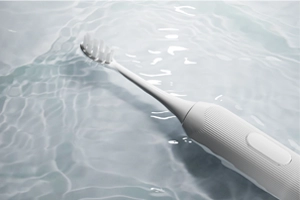
As global demand for smart and efficient oral care tools continues to rise, 2025 is set to be a defining year for electric toothbrush brands. A well-planned electric toothbrush promotional sale can boost brand visibility, grow customer base, and increase market penetration. But behind every successful promotion is a reliable, scalable production partner. For brands looking to take advantage of the upcoming demand spike, identifying the right electric toothbrush manufacturing partner is critical. Electric Toothbrush Market Share 2025: What the Numbers Reveal The global electric toothbrush market share in 2025 is projected to exceed USD 6.5 billion, with strong growth driven by innovation, oral health awareness, and increasing disposable incomes. Key drivers include: Rising consumer interest in smart brushing technology Wider retail penetration (online + offline) Growing demand for personalized and eco-conscious oral care products This growth represents a massive opportunity for brands to expand into new regions or double down on core markets — provided they can meet the surge in demand with flexible manufacturing capacity. Role of Manufacturers in Supporting Promotional Campaigns A successful electric toothbrush promotional sale isn't just about offering discounts — it’s about delivering products on time, at scale, and with uncompromising quality. An experienced electric toothbrush manufacturing partner should…
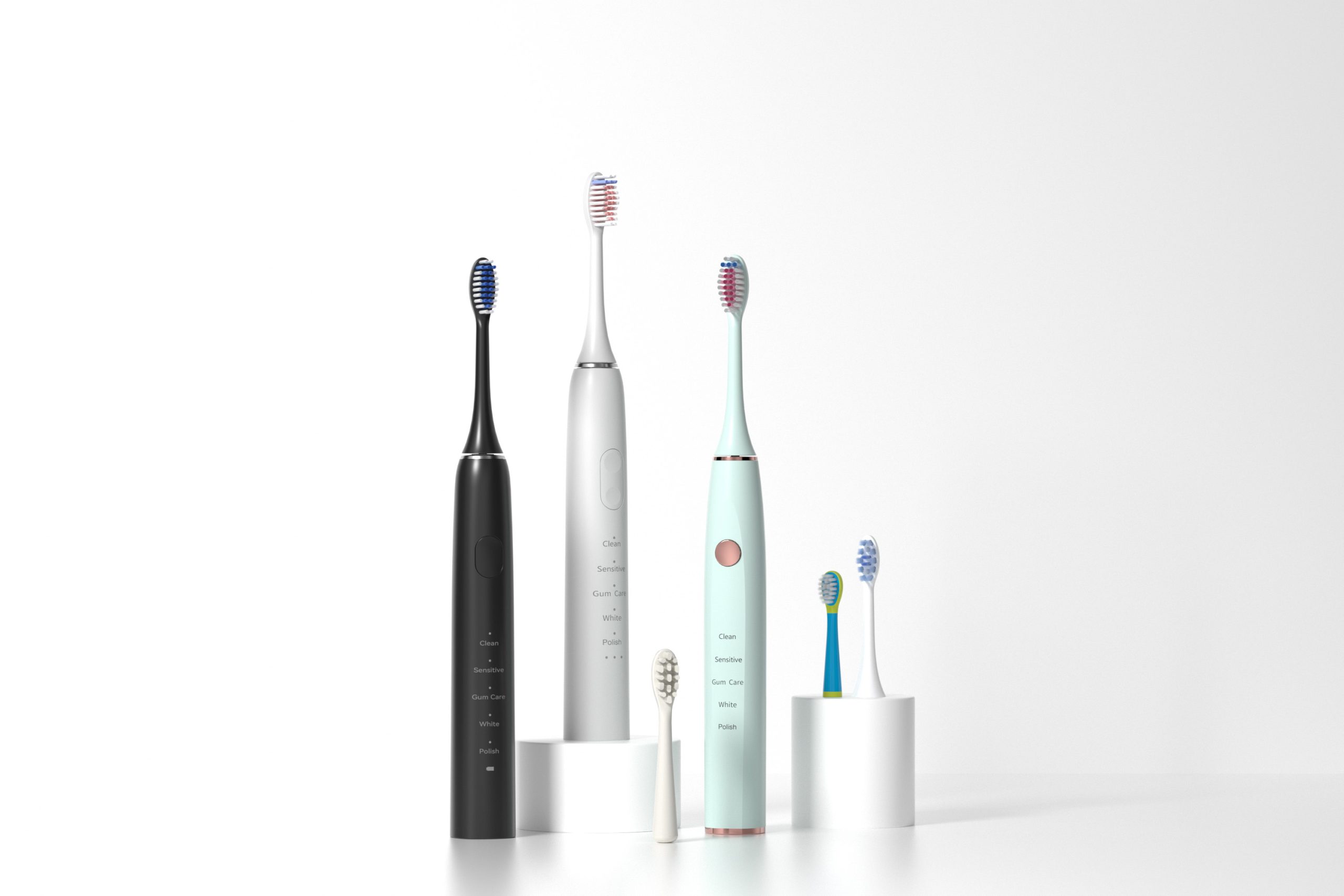
When developing a successful electric toothbrush, one critical consideration for oral care brands and manufacturers is the electric toothbrush charging system. The type of charging method used can significantly impact user experience, product lifespan, and ultimately, brand reputation. This article explores various charging technologies — including wireless charging, contact charging, and USB-C charging — and evaluates their pros, cons, and charging failure rate to help brands make informed choices. Contact Charging: Proven but Sensitive to Wear Contact charging is one of the most widely used methods in electric toothbrushes. It involves direct metal-to-metal contact between the brush and the charging base. Pros: Cost-effective and easy to integrate into existing product designs Fast charging with relatively simple electronics Cons: Charging reliability may degrade over time due to corrosion or dirt buildup on the contact points Higher charging failure rate in humid environments or after prolonged use This method is suitable for entry-level or cost-sensitive product lines, but brands seeking long-term durability may prefer alternatives. Wireless Charging: Sleek and Sealed Wireless charging (inductive charging) eliminates metal contacts, using electromagnetic fields to transfer energy through the plastic housing. This technology is becoming increasingly popular in premium models. Pros: Enhanced waterproofing and aesthetic appeal Fewer moving parts and better longevity Lower…
In oral care product design and manufacturing, bristle splaying may seem like a minor wear-and-tear issue. However, when splayed bristles fail to clean precisely or deliver excessive abrasive force, they can inadvertently aggravate demineralization zones on enamel surfaces. Could such an outcome be attributed to user error, or does it point to a design oversight or even manufacturer negligence? Let’s take a closer look. What Is Bristle Splaying and Why Does It Matter? Bristle splaying refers to the outward flaring or deformation of brush head bristles after repeated use. This deformation: Reduces targeted plaque removal effectiveness. Leads to uneven contact with tooth surfaces. Can cause excess pressure on weakened enamel regions. While some degree of splaying is inevitable with time, premature or excessive splaying is often linked to substandard material quality or improper tuft design. The Silent Spread of Demineralization Zones Demineralization zones are early-stage enamel defects caused by the leaching of calcium and phosphate from the tooth structure—usually triggered by acidic environments, poor hygiene, or plaque biofilm accumulation. These zones: Appear as white chalky patches on enamel. Are highly vulnerable to abrasion. Often go undetected in early phases, silently progressing toward cavities. When splayed bristles fail to effectively clean…


.jpg)
.jpg)
.jpg)
.jpg)
.jpg)




.jpg)
.jpg)