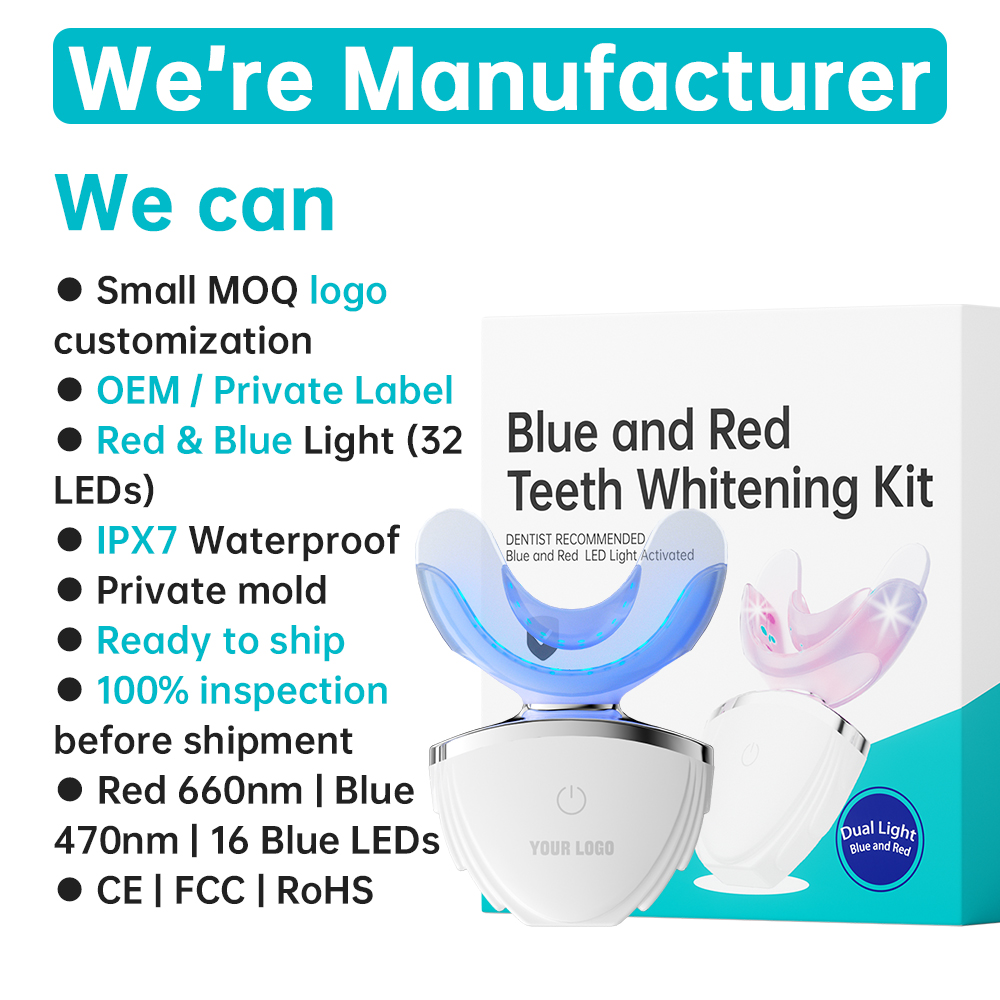
UV light teeth whitening has rapidly gained popularity in the cosmetic dental market. This method combines a whitening agent, usually a peroxide-based gel, with ultraviolet (UV) light to accelerate the breakdown of stains on the tooth surface. For B2B clients in the dental care industry, understanding how UV light teeth whitening works is critical before investing in OEM whitening technology. In the dental care manufacturing process, UV light serves as a catalyst, boosting the effectiveness of whitening gels without adding harmful chemicals. This makes it an attractive solution for both professional and at-home whitening products.
The process involves applying a whitening gel to teeth, which penetrates the enamel and breaks down molecules responsible for discoloration. UV light activates the gel, significantly increasing its speed and efficiency. Research from dental care manufacturing labs shows that using UV light in conjunction with well-formulated whitening agents can provide faster results compared to gel-only treatments.
For manufacturers, incorporating UV light teeth whitening into your OEM whitening technology line can enhance product competitiveness and appeal to end-users seeking quick, visible results.
Safety is a primary concern when it comes to cosmetic dental treatments. Whitening safety largely depends on the gel concentration, exposure time, and proper use of UV light. Clinical studies indicate that short, controlled exposure to UV light is generally safe for enamel and gum tissue, especially when paired with professional-grade gels.
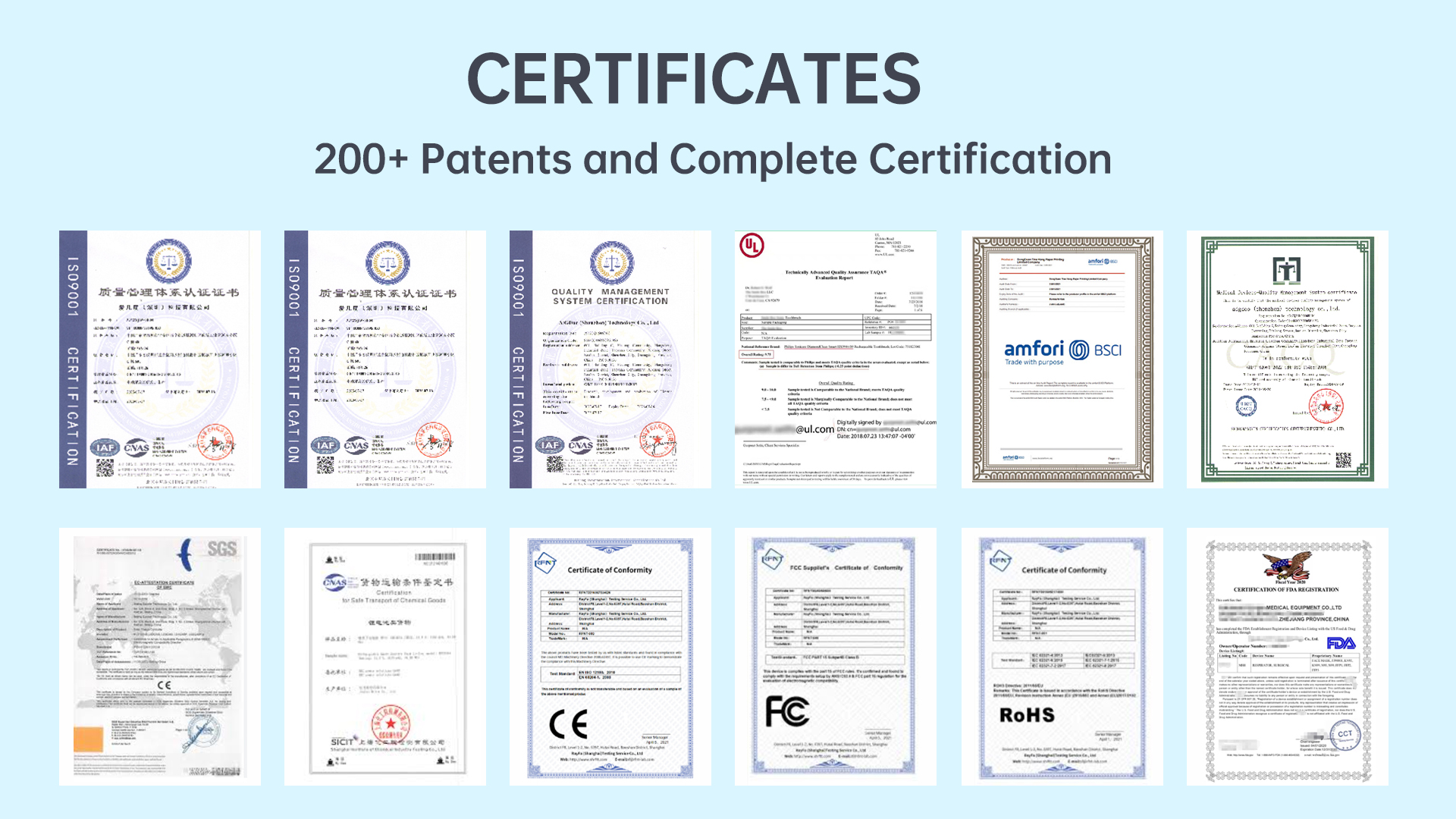
For B2B manufacturers, ensuring that your UV light teeth whitening devices meet safety standards is crucial. Partnering with experienced dental care manufacturing teams can help maintain high whitening safety standards while delivering effective results.
UV light teeth whitening offers several advantages for OEMs and manufacturers:
Enhanced product differentiation: Innovative UV-based products stand out in a crowded market.
Faster whitening results: Reduces treatment time for end-users, increasing satisfaction.
Compatibility with OEM whitening technology: Easier integration into existing product lines.
These benefits translate into stronger sales potential and improved brand credibility for dental care manufacturers.
When developing UV light teeth whitening products for your clients, consider these guidelines:
Choose high-quality, regulated whitening gels compatible with UV activation.
Ensure proper light intensity and exposure times to maintain whitening safety.
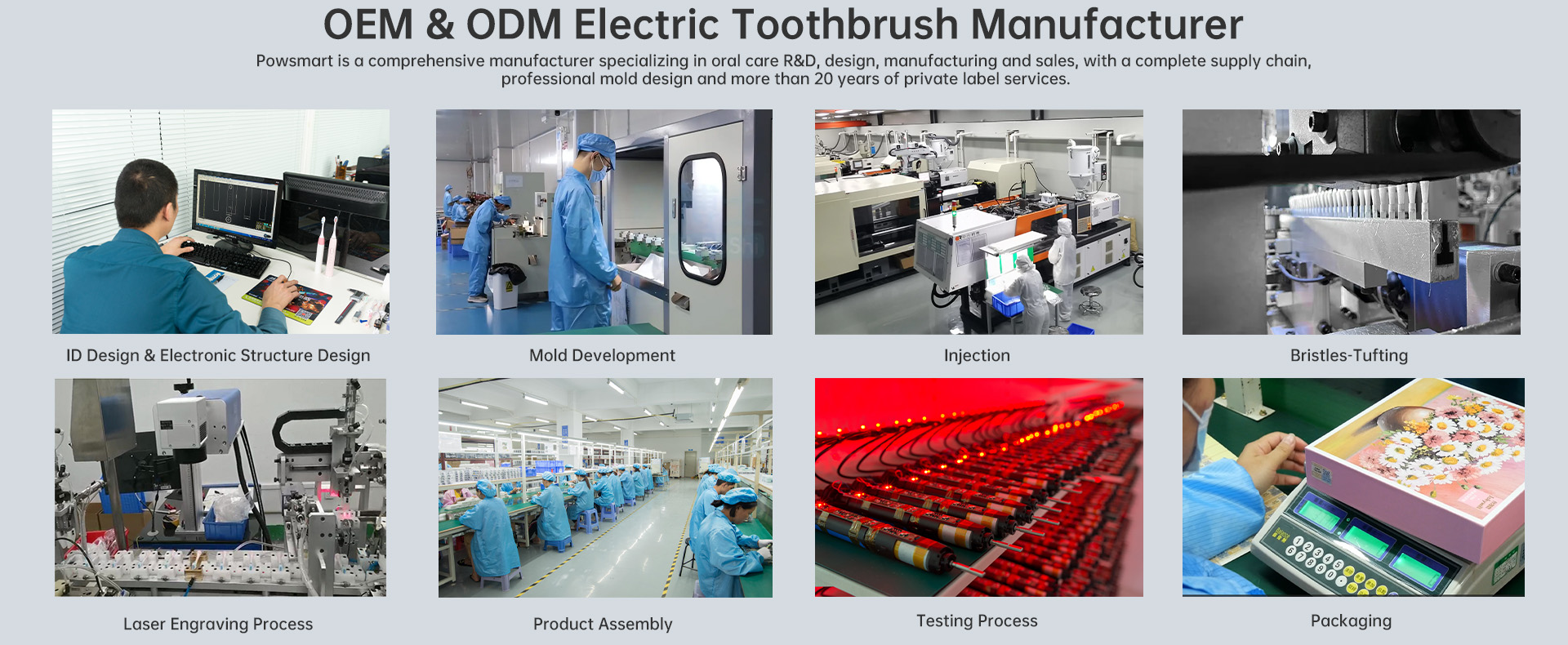
Invest in reliable dental care manufacturing partners for quality control.
Following these practices ensures that your B2B products not only deliver effective whitening results but also adhere to international safety standards.
UV light teeth whitening represents a powerful combination of cosmetic innovation and dental science. For B2B manufacturers, leveraging this technology through OEM whitening technology can create competitive advantages while maintaining high whitening safety. By collaborating with reputable dental care manufacturing partners, you can ensure your products meet market demands without compromising user safety.
.jpg)
Portable Water Flosser OEM Solutions for Global Oral Care Brands
USB-C Charging Electric Toothbrush OEM
Discover the Best Electric Toothbrushes from PowSmart, China’s Leading Manufacturer
How Does Packaging Customization Service Assist with Aesthetic Device Compliance?
.jpg)
Rose Gold Electric Toothbrush Customization: Luxury Dental Care Products
Powsmart Electric Toothbrush: The Ultimate Choice for a Healthy Smile in the US
Peroxide Free Whitening Device Supplier for Global Oral Care Brands
Powsmart Electric Toothbrush: The Ultimate Choice for a Healthier Smile
Discover the Best Electric Toothbrushes from PowSmart, China’s Leading Manufacturer
Discover the Best Electric Toothbrushes from PowSmart: Your Ultimate Oral Care Solution
How Charging Methods Impact Your OEM Electric Toothbrush Strategy
Discover the Perfect Electric Toothbrush with PowSmart: Your Ultimate Oral Care Solution
Does Non-Toxic Kids Brush OEM Risk Child Safety?
.jpg)
How Does a UV Sanitizing Component Complement an Anti-bacterial Hose in a Flosser?
Why Include a Teeth Shade Guide with a Professional Salon Whitening Device?
What makes Portable Flosser Design dependent on integrating a Quiet Flosser Motor?


.jpg)
.jpg)
.jpg)
.jpg)
.jpg)