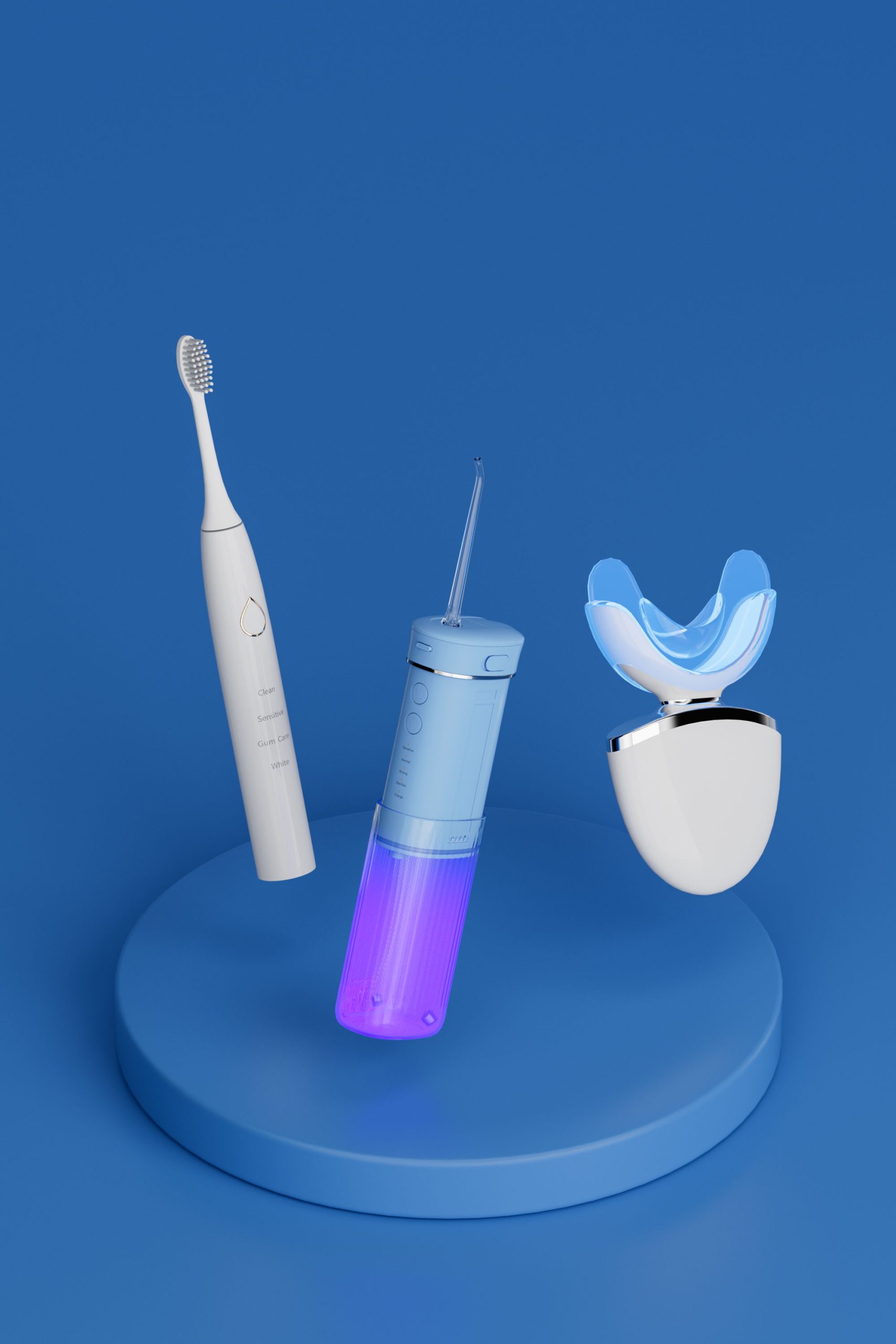
In the evolving landscape of smart oral care devices, pressure sensor failure is not merely an engineering issue—it may also affect the end user’s experience in unexpected ways, such as taste distortion. When sensors misinterpret pressure levels, downstream effects may include inconsistent fluid delivery, altered cleaning dynamics, and potentially, a shift in how taste is perceived during or after use. Could these two phenomena be linked? This blog explores the connection.
Modern electric toothbrushes and irrigators often incorporate pressure sensors to regulate brushing force or water jet strength. These sensors detect applied pressure and provide feedback—either to the device processor or to the user—ensuring optimal and safe operation. However, when these sensors malfunction or lose calibration, the device may deliver unexpected force or volume, which could interfere with delicate oral tissues.
A pressure sensor failure can lead to several undesirable outcomes:
These changes can alter how fluids interact with the tongue and palate—regions closely tied to taste perception.
When water jets are too forceful or irregular, the tongue and surrounding mucosa can experience microabrasions or drying effects. This, in turn, may:
While isolated user complaints point toward taste distortion after sensor errors, controlled studies remain limited. However, data from field returns and product testing in OEM environments suggest a notable correlation between pressure fluctuations and user-reported taste anomalies. This warrants a deeper look during failure mode analysis (FMEA) and product testing stages.
To mitigate these risks, manufacturers should consider:
These enhancements improve both user safety and long-term device reliability.
For B2B buyers in the oral care sector, understanding this potential link between pressure sensor failure and taste distortion is crucial. User trust is increasingly tied to perceived comfort and subtle experiences—not just core performance. Failing to address these micro-issues may result in product returns, customer dissatisfaction, or brand erosion. OEM partners must ensure rigorous QA testing and offer technical transparency to clients.
While pressure sensor failure and taste distortion may appear unrelated at first glance, their interaction is far more intricate than it seems. In the quest for smarter, more sensitive oral care devices, even the smallest error can cascade into perceptible user discomfort. For B2B manufacturers, addressing this link through design, materials, and sensor logic isn’t just good engineering—it’s a competitive edge. Contact Kiwibird

Cheap vs High-End Electric Toothbrushes : 5 Key Differences You Should Know
.jpg)
Gel Crystallization with Gingival Discoloration – Alarming?
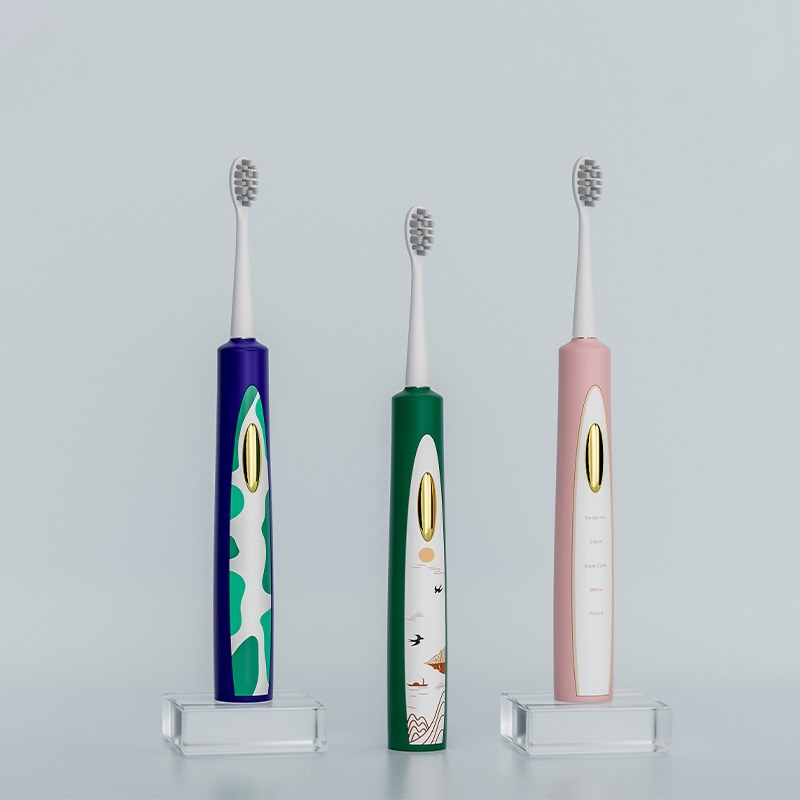
Electric vs manual toothbrush: Which one is better for you?
Biofilm Regrowth Inducing pH Imbalance – Vicious Cycle?
.jpg)
Which Product Functions and Performances of Water Flossers Are Users Most Concerned About?
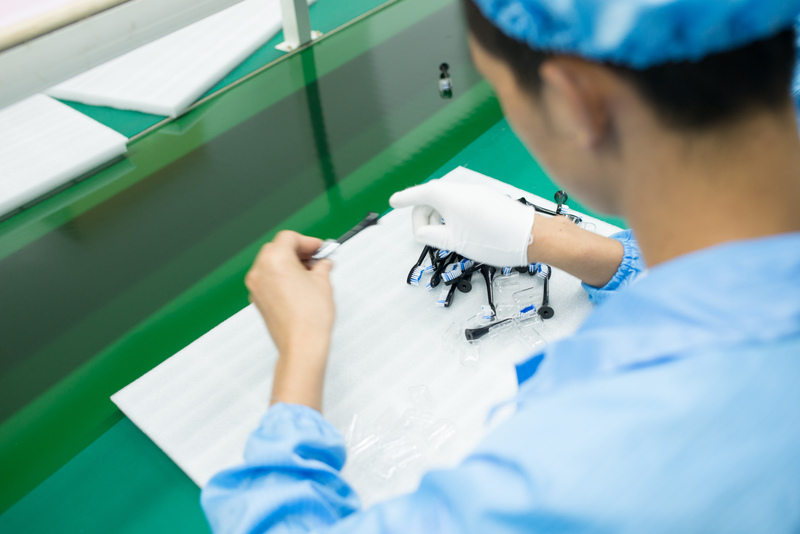
The importance of the roundness of toothbrush bristles
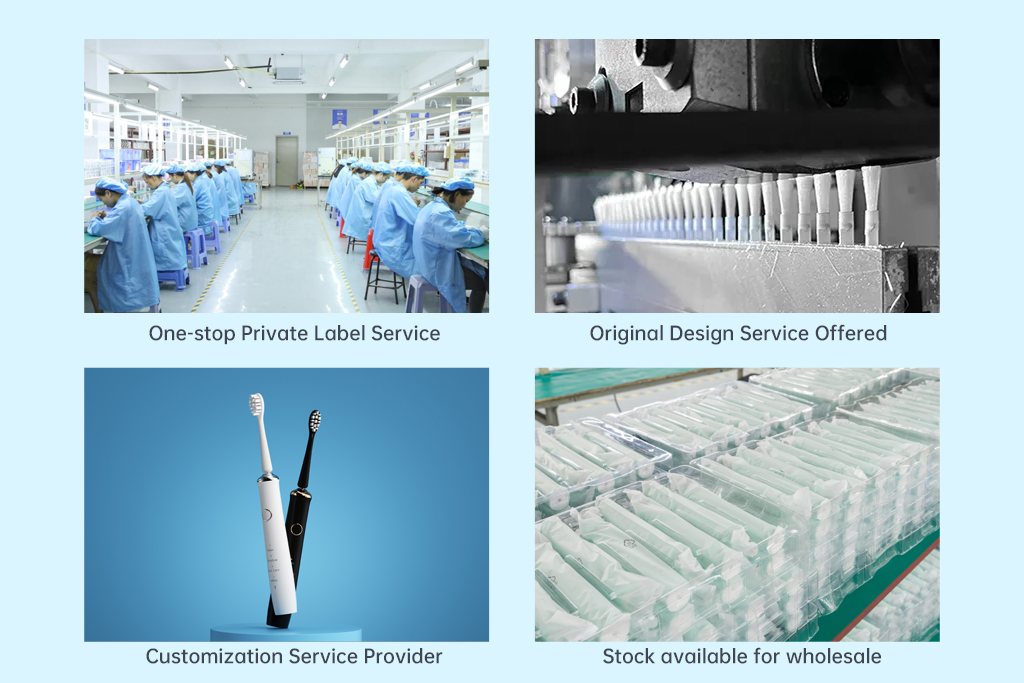
How Can You Turn Your Users into Loyal Users of Your Oral Care Brand?
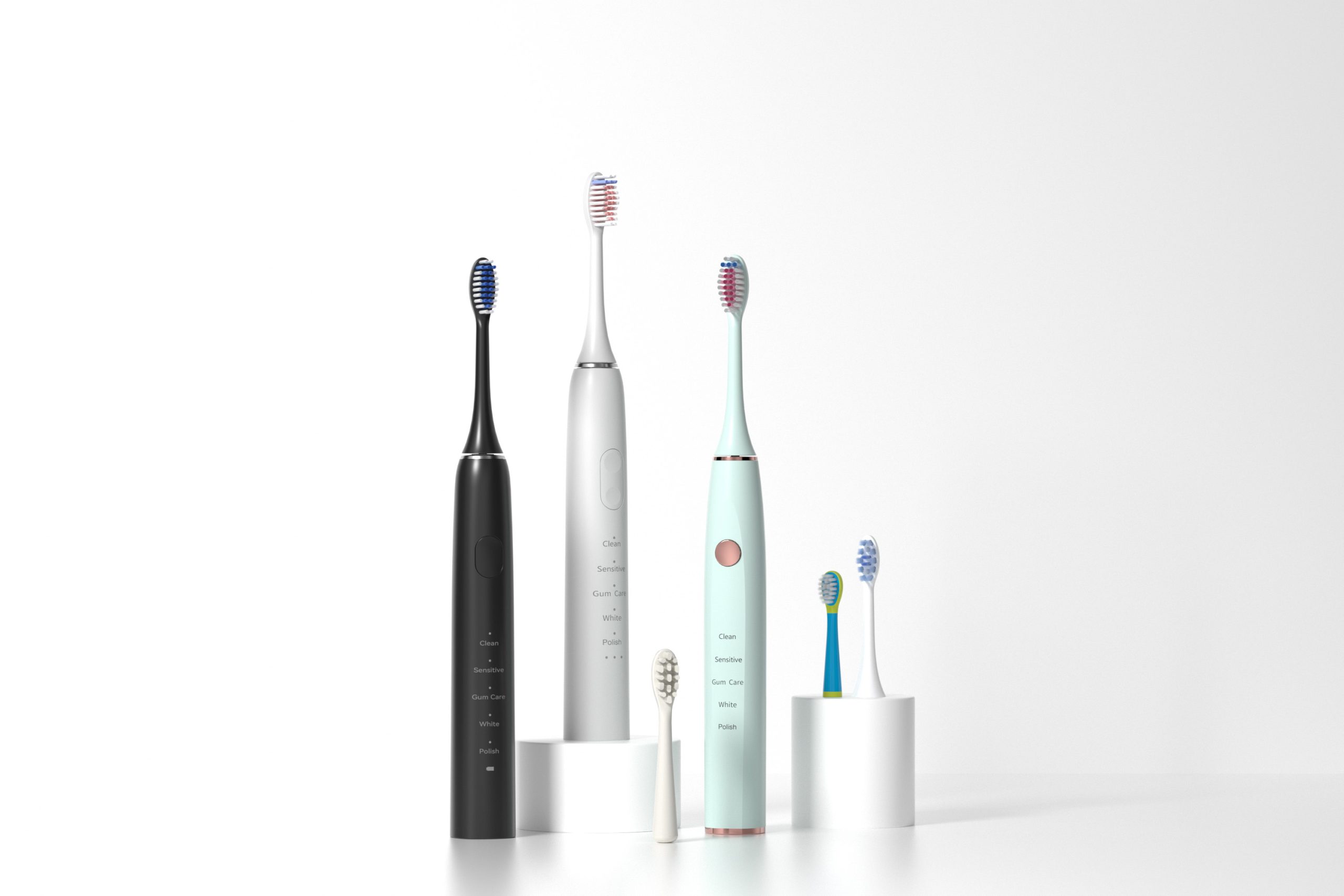
Which Charging Method for Electric Toothbrushes Is Better and Has a Lower Charging Failure Rate?
.jpg)
Is an RV travel essential kit complete without an RV power toothbrush?
.jpg)
Essential points to entering oral care market in Southeast Asia
Swivel Blockage Leading to Saliva Depletion – Preventable?

8 Unexpected Health Benefits of Good Oral Hygiene: Beyond the Basics
Sync Disruption with Tray Deformation – Tech Failure?

How Long Does It Take for a Teeth Whitening Device to Show Results?
Light Decay Triggering Allergic Dermatitis – Toxic?
What Competitive Oral Care Products Are Needed in the Highly Competitive Dental Care Market?


.jpg)
.jpg)
.jpg)
.jpg)
.jpg)