Oral hygiene is an important part of maintaining good health, and brushing and using an oral irrigator are the basis of oral hygiene. However, many people are not clear about the correct answer to the question of whether to use an oral irrigator or a toothbrush first. Today we will explore the answer to this question and provide you with some scientific advice to help you maintain good oral hygiene. Powsmart is one of the professional oral care products manufacturer in Shenzhen, offering OEM/ODM service for over 20 years. https://www.powsmart.com/about-powsmart/
First, we need to understand the physiological structure of teeth and gums. The surface of the teeth itself is relatively hard, and general brushing can remove surface dirt and bacteria. However, bacteria and food residues in the gingival sulcus and teeth are more difficult to remove. This is because the gap between the teeth and gums in these areas is small, and there are a large number of capillaries and lymphatic tissues in the gingival sulcus, which are easy to breed bacteria and viruses. Therefore, using an oral irrigator can help better remove bacteria and food residues in these areas.
However, some people think that using a toothbrush first can remove most of the dental plaque and food residues, and then use an oral irrigator for a deeper cleaning. Is this approach correct? In fact, according to some experts, it is necessary to clean the surface of the teeth with a toothbrush first, but it cannot completely remove the bacteria and food residues in the gaps between teeth and the gingival sulcus. At this time, you need to use a water flosser for deeper cleaning. Therefore, it is more reasonable to use a toothbrush first and then a water flosser.
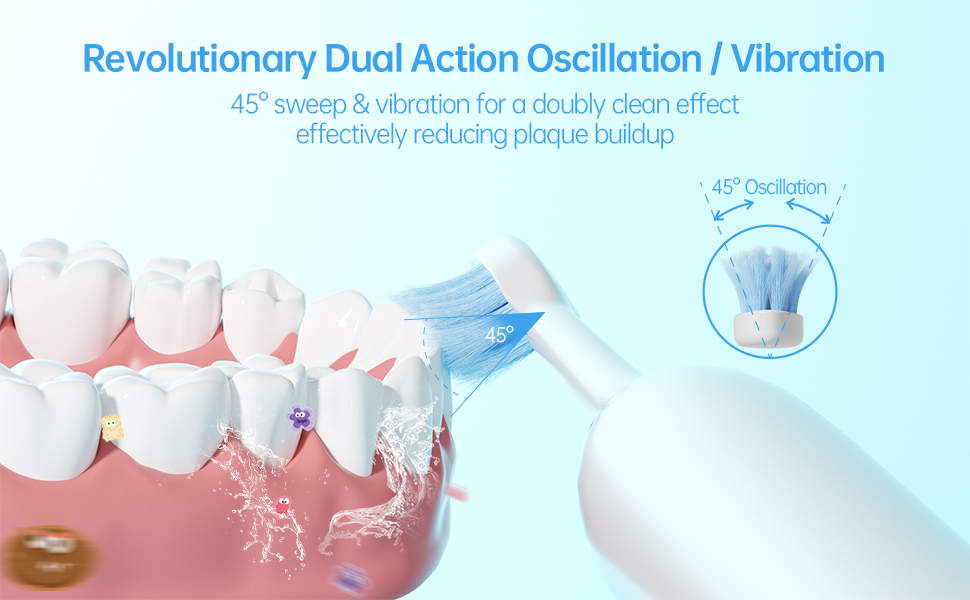
Of course, some people think that using an electric toothbrush can replace a water flosser. However, according to the results of many studies, an electric toothbrush cannot completely replace a water flosser. Although the vibration and rotation of an electric toothbrush can help remove dirt and bacteria on the surface of the teeth, it is not as effective as a water flosser in removing bacteria and food residues in the gingival sulcus and between teeth. Therefore, while using an electric toothbrush, we still need to use a water flosser for deeper cleaning.
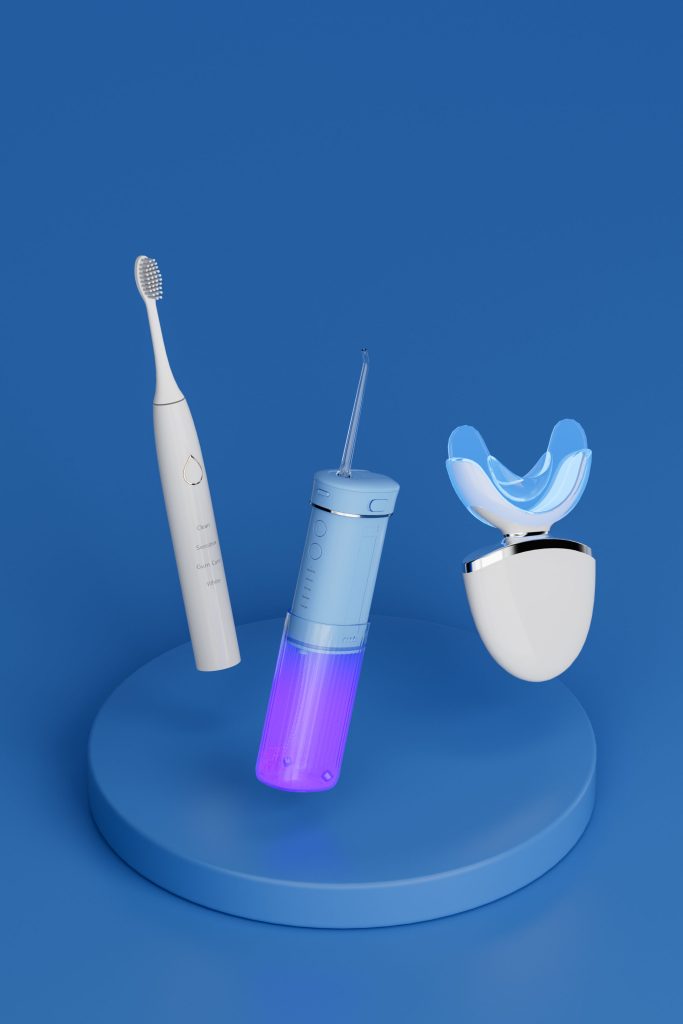
So, what should we do about the question of whether to use a water flosser or a toothbrush first? According to the advice of experts, we can use a water flosser to clean our mouth after getting up in the morning, which can effectively remove bacteria and food residues produced at night. Use the water flosser again before brushing your teeth at night, so that you can better end the day perfectly. When brushing your teeth, you need to pay attention to the correct brushing method, use a soft-bristled toothbrush and use the Bass brushing method. This can more thoroughly remove dirt and bacteria on the surface of the teeth.
Although it is recommended to use an oral irrigator before brushing your teeth, it also has its benefits to use it after brushing your teeth. This can help remove bacteria and residues that were not removed during the brushing process. Many “water flosser manufacturers” suggest that combining these two methods can achieve a more comprehensive oral cleaning.
Choosing a suitable oral irrigator is also important. The quality and performance differences of products from oral irrigator factories will directly affect the use effect. Make sure to choose a certified brand to improve the safety and effectiveness of use.
In general, there is no absolute answer to the question of whether to use a water flosser or a toothbrush first. When using a water flosser and a toothbrush, we need to pay attention to the correct method and order of use. At the same time, we also need to pay attention to the maintenance of oral hygiene and conduct regular oral examinations and teeth cleaning. Only by maintaining good oral hygiene can we better maintain good physical health. I hope these suggestions can help everyone better understand and practice how to maintain oral hygiene.
.jpg)
Dementia Toothbrush Assistance | Memory Care
Securing Your Rechargeable Battery Supply Chain? Need Battery Life Optimization Consulting?
Pricing Strategy for Electric Toothbrushes: A Balancing Act Between Manufacturing Cost and Market Positioning
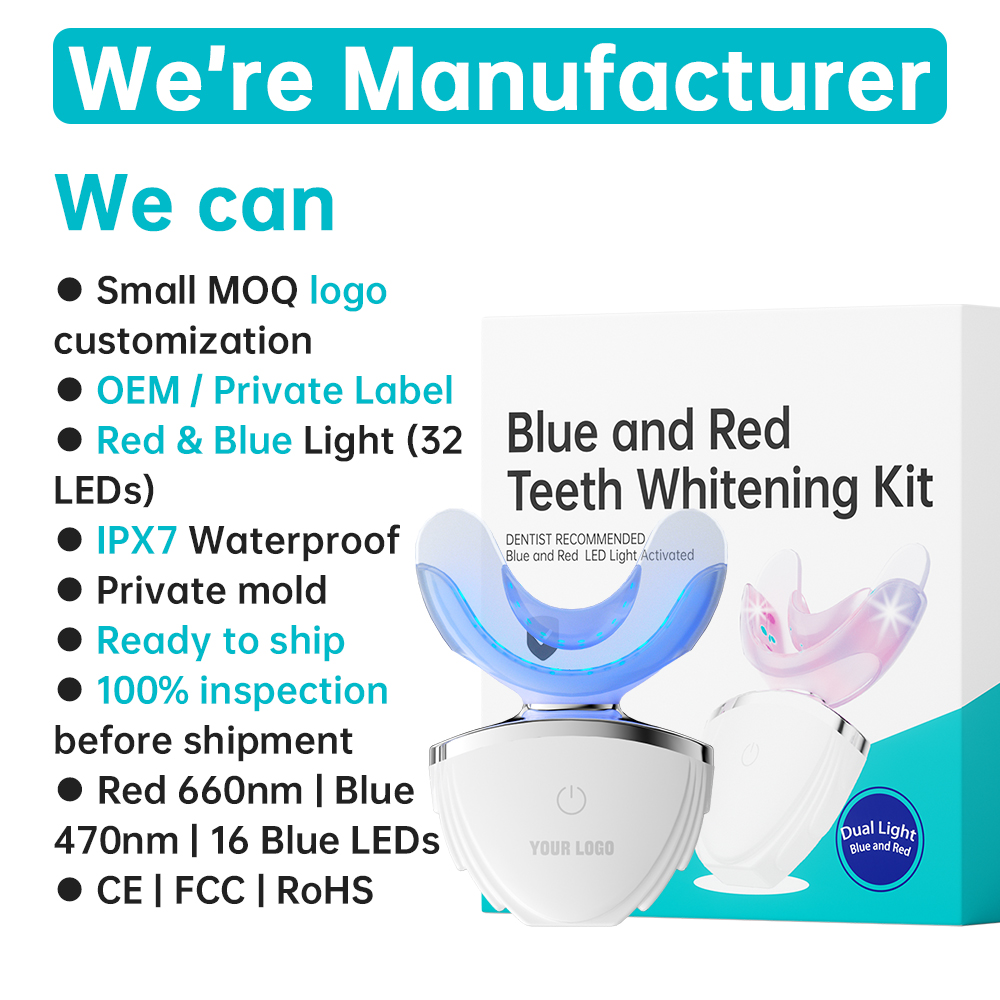
Are You an LED Teeth Whitening Manufacturer and a Dental Whitening Lamp Supplier?
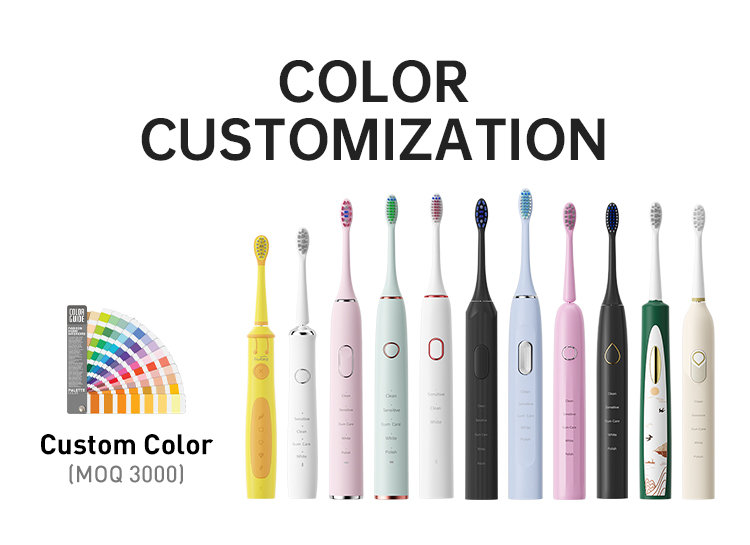
How Charging Methods Impact Your OEM Electric Toothbrush Strategy
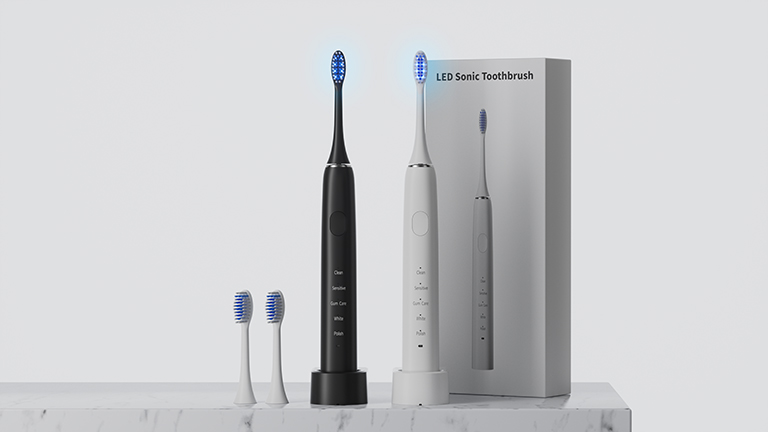
Can an Accelerator Serum Supplier Also Provide Desensitizing Gel Solution for Whitening Kits?
Bulk Employee Gifts Waterproof Electric Toothbrush Washington | Appreciation Ideas
at home teeth whitening device distributor | Private Label LED Whitening Solutions
Pregnancy Contraindications and Chemical Burn Risks in Whitening: What You Must Know!
How Long Does It Typically Take to See Results in Teeth Whitening When Using Electrical Oral Care Products?
.jpg)
Research on Consumers’ Preferences for the Functions and Prices of Electric Toothbrushes – From the Perspective of Suppliers
Travel Electric Toothbrush with Case – Compact & Rechargeable B2B Supply
Choosing Between Salt Water and Hydrogen Peroxide for OEM Gum Care Products
A Must-Have Guide for Brands to Deal with Water Leakage, Unstable Pressure, and charging failure repair of Water Flosser
Why Are Battery Recycling Challenges Ignored Despite Gum Massage Inconsistency?
How Long Should You Leave Blue Light on Your Teeth? OEM Manufacturer’s Guide


.jpg)
.jpg)
.jpg)
.jpg)
.jpg)






.jpg)
.jpg)