For manufacturers, distributors and dental procurement teams, providing clear guidance about when to replace a brush head is both a health responsibility and a commercial opportunity. While the simple rule-of-thumb for many consumers is “every three months,” the true answer depends on use-patterns, oral conditions, hygiene risks and product design. Below are six focused points (with transitions) to help product teams set recommendations, design features and go-to-market messaging that truly support optimal cleaning.
First, the mechanical state of the bristles — fraying, splaying or flattening — directly reduces plaque-removal efficiency. In other words, once a brush head shows visible wear the cleaning amplitude and contact angles that remove biofilm are compromised. Therefore, recommend replacement when bristles are visibly deformed, and use “every 3 months” as the baseline guidance for average users.
Moreover, not all users are the same. Heavy brushers, people who brush more than twice daily, children, orthodontic patients and people with periodontal issues often wear bristles faster. Consequently, for those groups a more conservative interval — for example every 6–8 weeks — may be appropriate to maintain optimal cleaning. Product copy and clinician-facing materials should call out these exceptions rather than a one-size-fits-all rule.
Furthermore, visual indicator bristles (color-fade guides) or packaging that specifies weeks of expected life are simple, low-cost ways to help users know when to change a brush head. Equally, manufacturers can promote objective metrics — e.g., “bristle integrity retained up to X hours of brushing” — to support retailer claims. In short, indicators convert subjective judgment into actionable behavior, improving real-world optimal cleaning outcomes.
In addition, environmental and hygiene factors affect when to replace brush heads. Humid bathrooms, improper storage, or using the same brush after an acute illness can increase microbial load. Therefore, advise replacing the brush head after significant infectious illnesses, and recommend hygienic storage (ventilated holders) or optional UV/antimicrobial solutions for higher-risk channels such as clinics and hospitality.
Consequently, integrating replacement reminder features via simple timers, app notifications or smart charging docks improves adherence. From a B2B standpoint, this is also a ripe area for recurring-revenue: offering replacement-head subscriptions or bundled multihead packs ensures users replace on schedule, preserving optimal cleaning while increasing lifetime value for sellers.
Finally, manufacturers should validate replacement intervals in bench and user studies (plaque indices, bristle wear tests) and reflect findings on labels and clinician materials. Clear instructions, compatibility charts (which heads fit which handles), and straightforward warranty/return policies reduce friction for buyers and retailers while strengthening claims about optimal cleaning.
Conclusion (short):
While a three-month replacement interval is a helpful baseline, achieving optimal cleaning depends on bristle condition, user habits, oral-health status and hygiene practices. For B2B customers, the best approach is to combine clear, differentiated guidance with practical features — indicator bristles, reminders, subscription options and validated claims — so that end users actually replace brush heads at the right time.
6-point quick checklist for product teams:
If you’d like, I can draft suggested label copy, indicator-bristle fade timelines, and a quick test protocol to validate replacement intervals for your next product iteration. Contact us
.jpg)
-1024x1024.jpg)
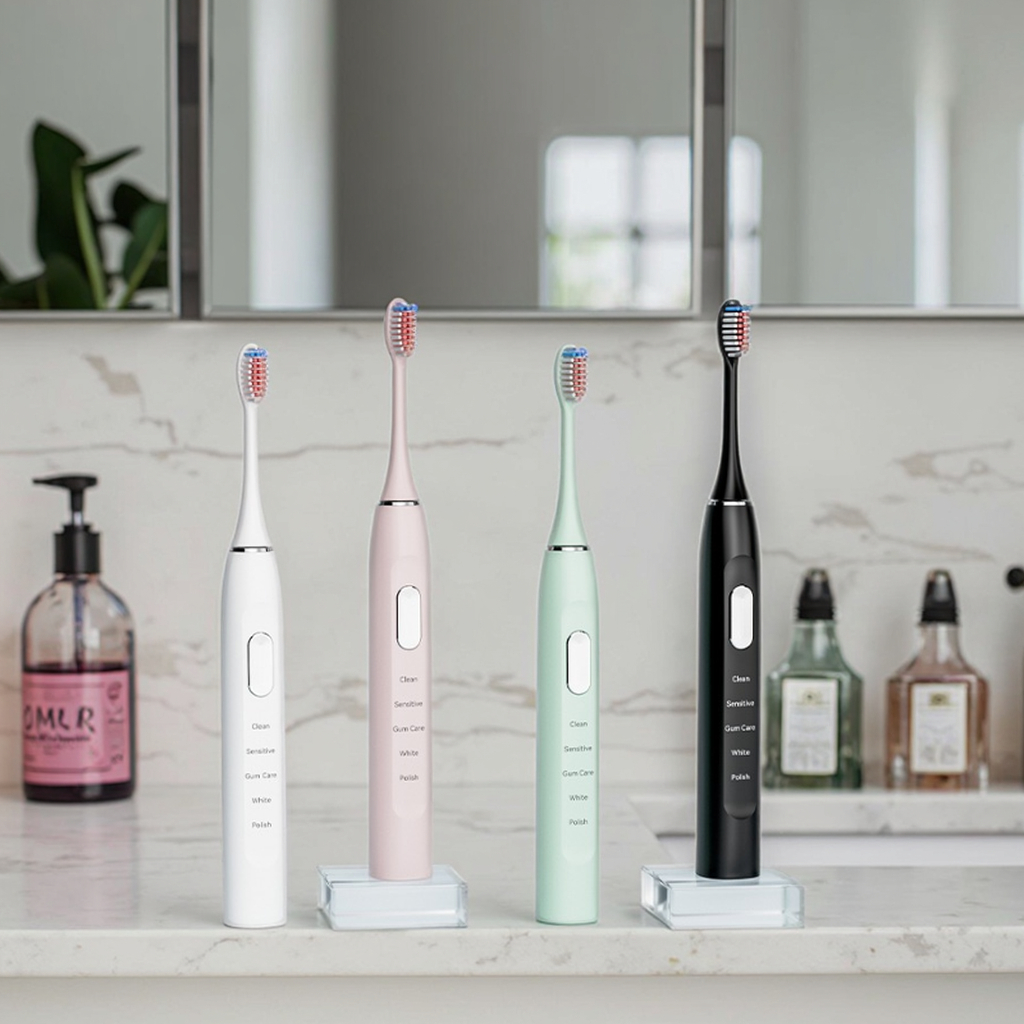
What Functions Are the Most Concerned by Electric Toothbrush Users?
.jpg)
Corporate gift sonic electric toothbrush suppliers Houston
Why Add a UV Sanitizing Component When Oral Care Kit Bundling for Travel?
.jpg)
Houston sonic electric toothbrush bulk wholesale
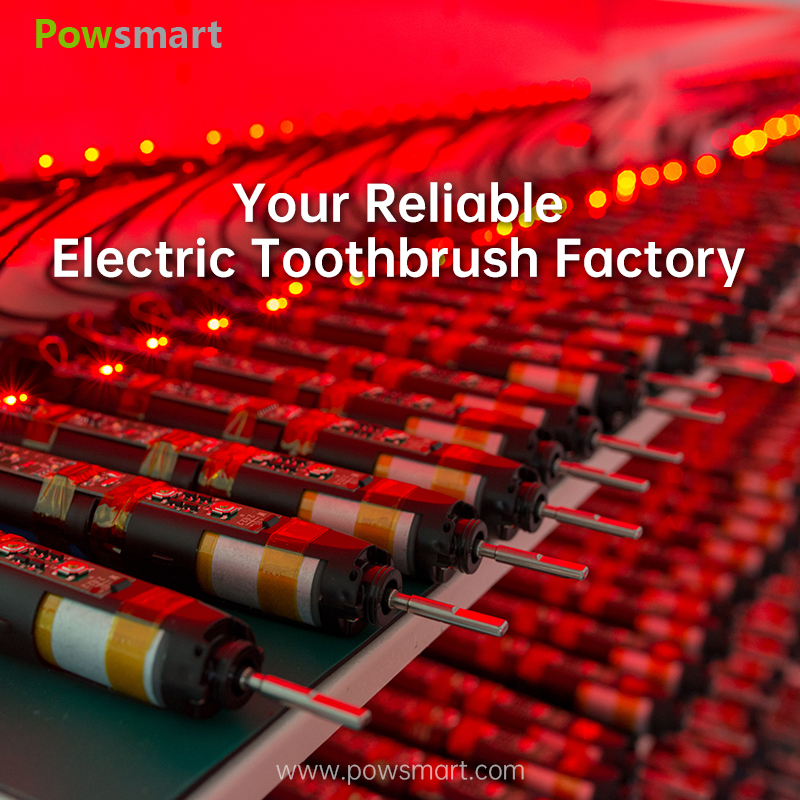
ADA Accepted Electric Toothbrush OEM – Certification Support
.jpg)
Cordless Water Flosser for Family Use – Portable Home Oral Hygiene Solutions
.jpg)
Buy sonic electric toothbrushes in bulk Houston
Electric Toothbrush OEM Packaging Customization Solutions
.webp)
How can the right toothbrush technique prevent gum disease?
Wholesale Logo Printed Electric Toothbrush OEM Service
Houston Electric Toothbrush Manufacturer
Electric Toothbrush OEM/ODM Solutions for Small Batch Customization
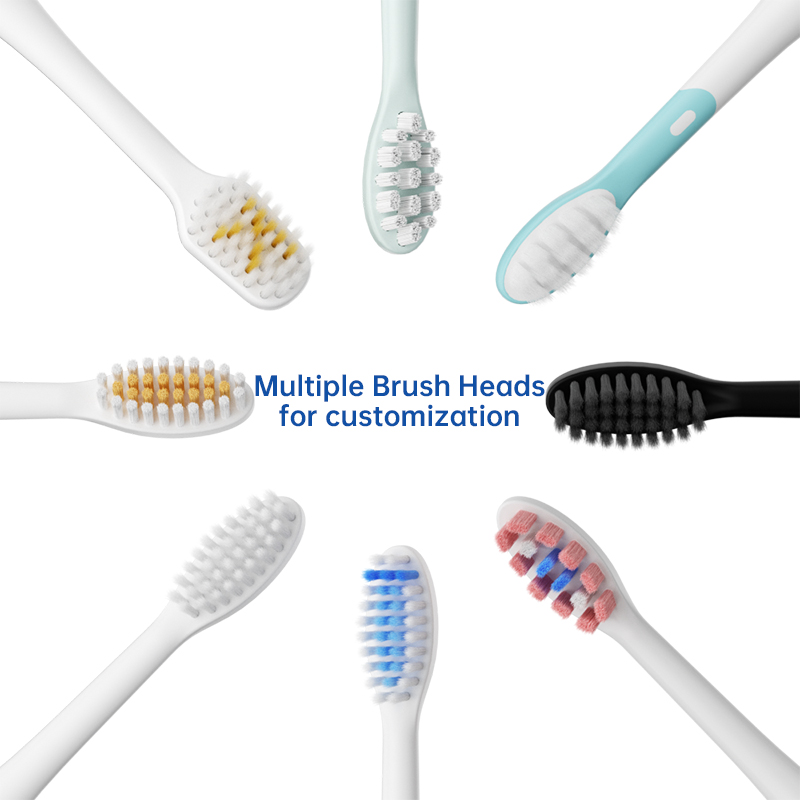
What Are Eco-Friendly Toothbrush Bristles Made Of? A Guide for OEM Brands
powsmart-Adjustable Frequency Electric Toothbrush Manufacturers
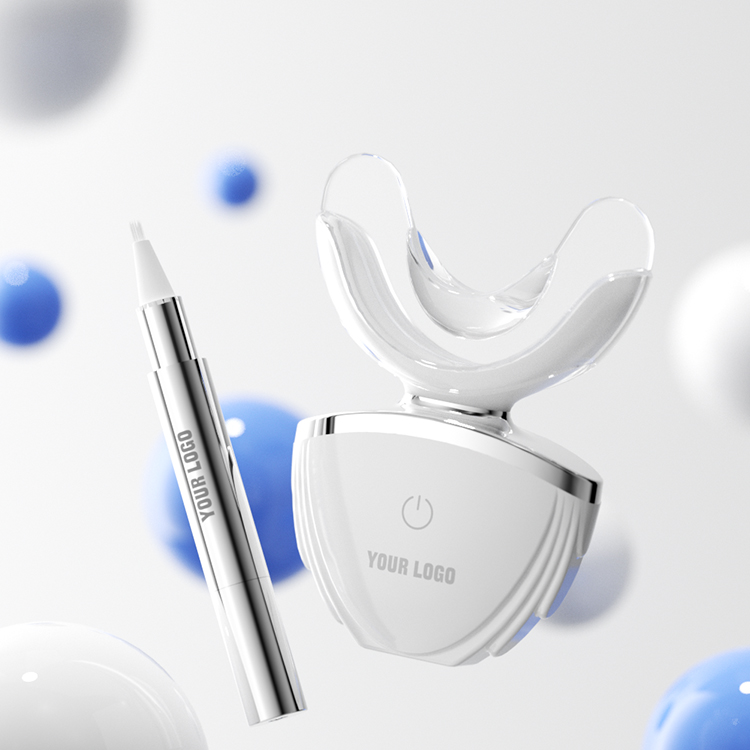
Deliver 7-Day Whitening: Partner with an OEM for Proven Oral Care Products
Christmas Gift Electric Toothbrush for Oil Worker in Houston


.jpg)
.jpg)
.jpg)
.jpg)
.jpg)



.jpg)