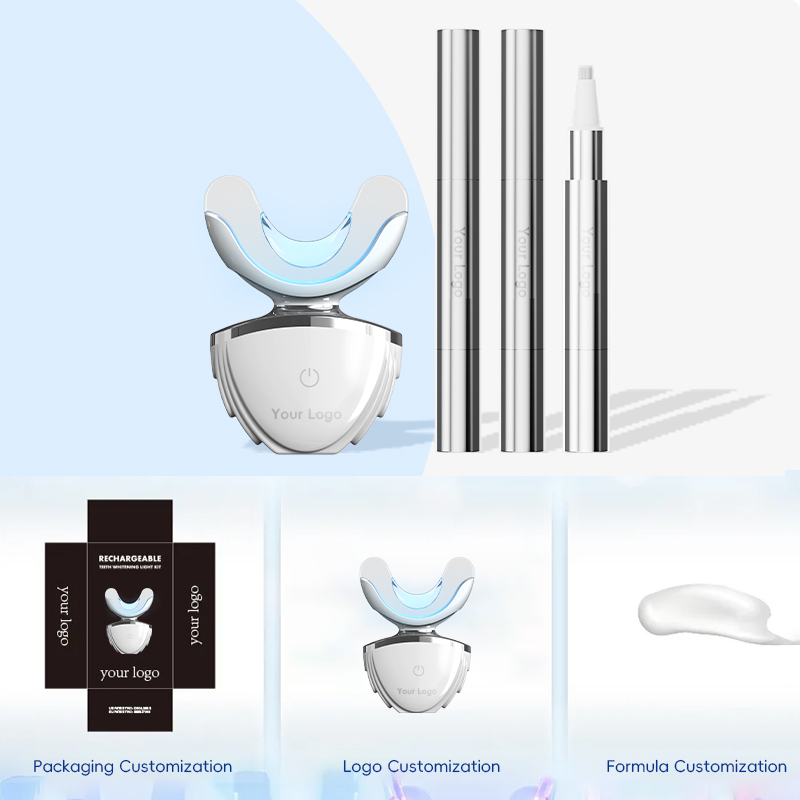
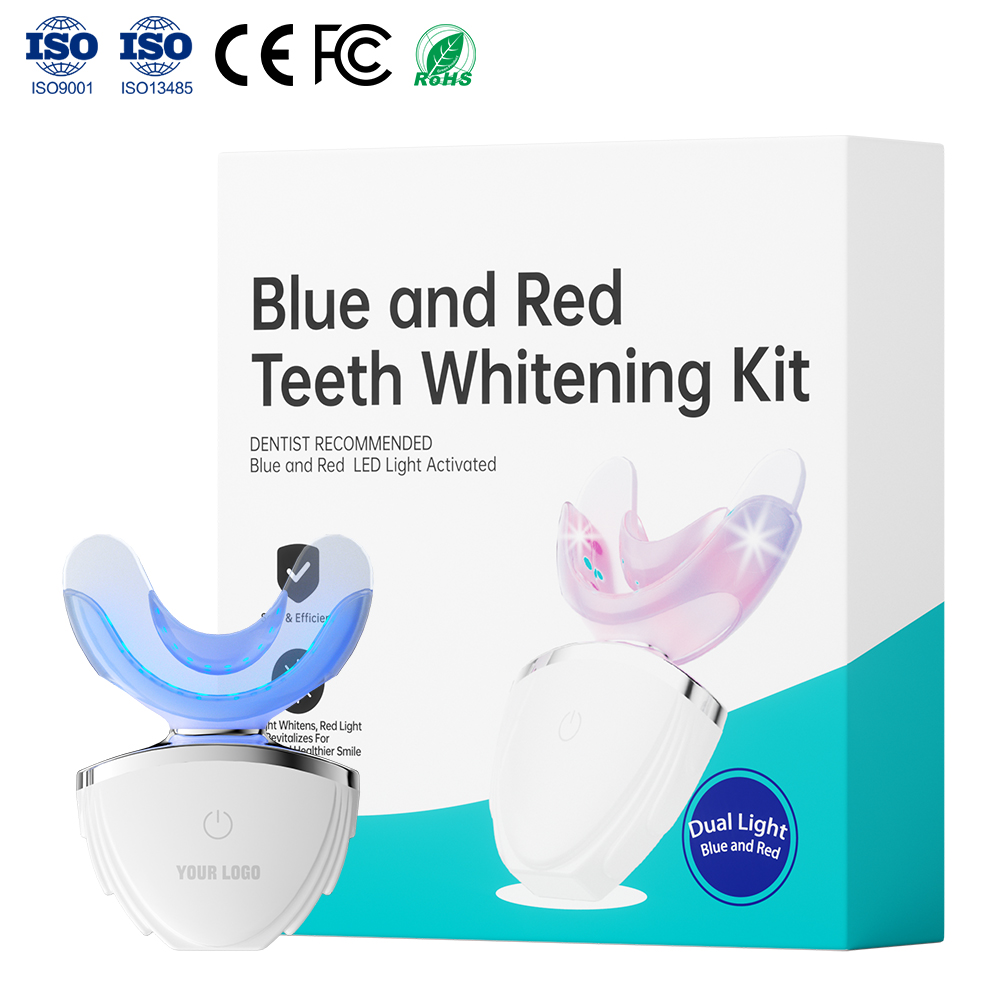
.jpg)
The children's oral care market is growing rapidly, fueled by increasing parental awareness, pediatric dental recommendations, and evolving consumer preferences. For oral care brands, developing or sourcing children’s oral care products requires a delicate balance between safety, effectiveness, and child appeal. This article provides a structured guide for brands and procurement teams on what to prioritize—whether you're developing in-house or seeking a reliable manufacturing partner. Safety First: Materials and Formulation Children have more sensitive systems than adults, so the first priority is safety. Brands must ensure that all components in the product are 100% safe for young users. A safe kids toothbrush should be made of BPA-free, food-grade plastic and feature soft bristles that won’t harm developing gums or enamel. For toothpaste, opt for non-toxic toothpaste for children, free from fluoride (for younger age groups), SLS, artificial colors, and parabens. Always work with manufacturers that can provide full safety certifications and material compliance documentation. Regulatory Compliance and ADA Approval Manufacturers should be familiar with global and regional safety standards. When choosing suppliers, prioritize those experienced in producing ADA-approved children's dental care products. In the U.S., the American Dental Association (ADA) seal is a trusted symbol that confirms safety and efficacy. In Europe or…
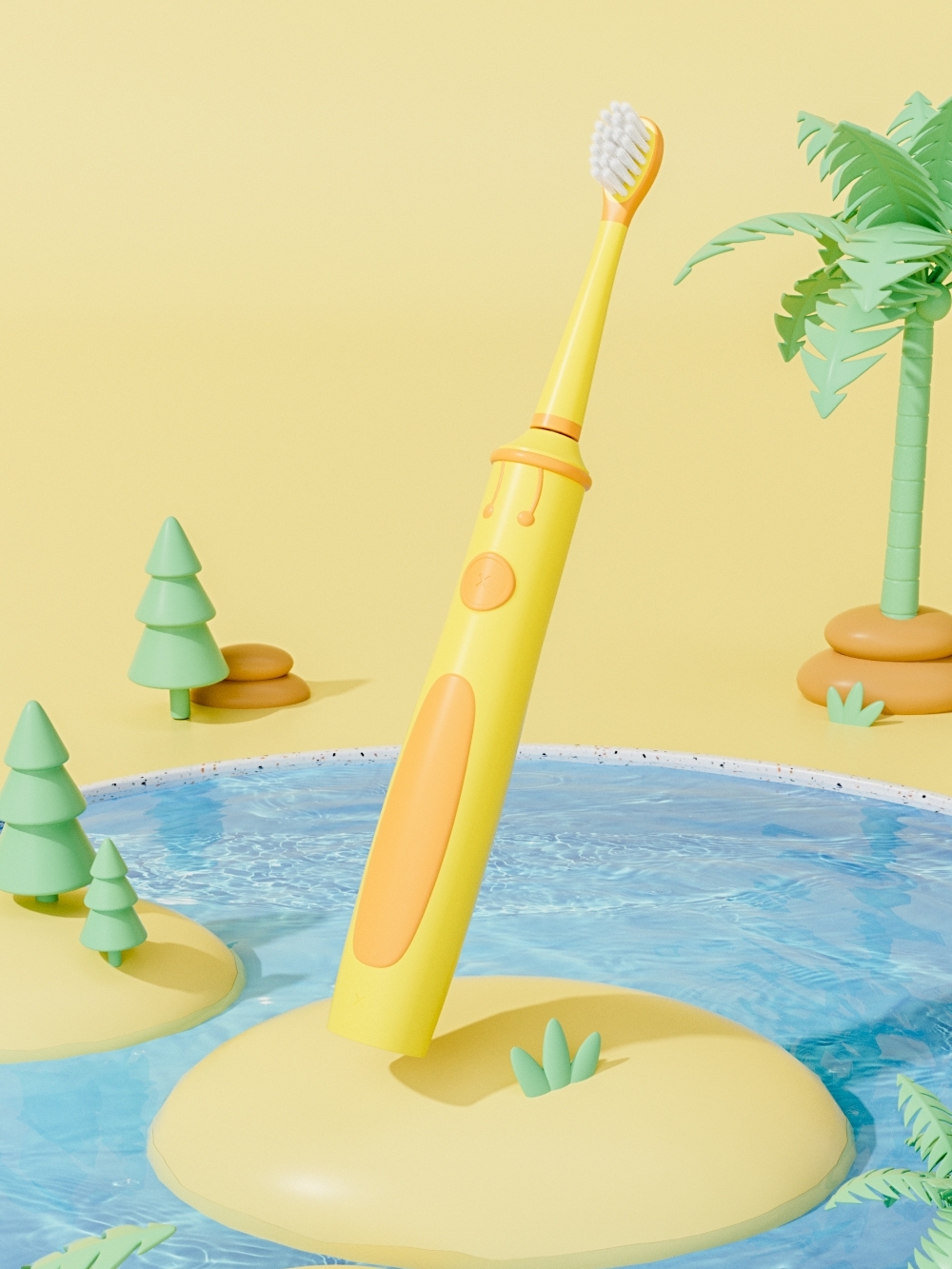
When sourcing kids oral care products, brands must prioritize safety, effectiveness, and child-friendly design. Whether you're a distributor, retailer, or dental clinic looking for reliable pediatric dental supplies, selecting the right B2B manufacturer is crucial. This guide will help you identify the best children's dental products while ensuring compliance with international safety standards. Why Safe & Engaging Kids Oral Care Products Matter Children have delicate gums and developing teeth, making safe toothbrushes for kids a top priority. Poor-quality products can cause irritation or fail to clean effectively, leading to long-term dental issues. Additionally, kids are more likely to embrace oral care if products feature fun designs, gentle bristles, and appealing flavors. When sourcing children's dental products, look for: Soft, rounded bristles to protect gums Non-toxic, BPA-free materials Ergonomic handles for small hands Attractive colors & characters to encourage brushing Key Features to Look for in a Supplier Not all manufacturers specialize in pediatric dental supplies, so vetting your supplier is essential. Consider these factors: Certifications – Ensure compliance with FDA, CE, or ISO standards.Customization Options – Can they offer branded designs or age-specific products?Safety Testing – Do they conduct rigorous quality checks?Innovative Technology – Some suppliers integrate cold light whitening technology in kid-safe whitening products. A trusted manufacturer should provide detailed product specifications and safety documentation. Must-Have…
.jpg)
In professional oral care manufacturing, preventing enamel scratching during device use is a critical design and quality concern. Increasing evidence shows that tooth porosity—whether natural or treatment-induced—can significantly elevate the risk of enamel abrasion when using mechanical cleaning devices like sonic toothbrushes or whitening applicators. But once enamel is scratched, is the damage truly irreversible? Understanding the interaction between tooth porosity and surface wear helps manufacturers design safer, more consumer-trusted products. Why Tooth Porosity Matters More Than You Think Tooth porosity refers to microscopic pores or structural irregularities in enamel, resulting from: Natural genetic conditions Acid erosion from diet or gastric reflux Overuse of abrasive whitening pastes Post-bleaching dehydration of enamel surface Porous enamel lacks the uniform hardness of healthy enamel. This makes it more prone to enamel scratching during mechanical brushing, especially with stiff bristles or aggressive polishing heads. How Enamel Scratching Occurs: The Microscopic Damage Process Scratching doesn’t mean deep cuts—it refers to microabrasions at the enamel surface level: Hard bristles or brush heads scrape against weakened enamel Abrasive particles trapped during brushing intensify localized surface wear Vibratory or rotational force amplifies contact pressure at pore edges Repeated cycles create visible dullness and microscopic surface cracks These scratches…
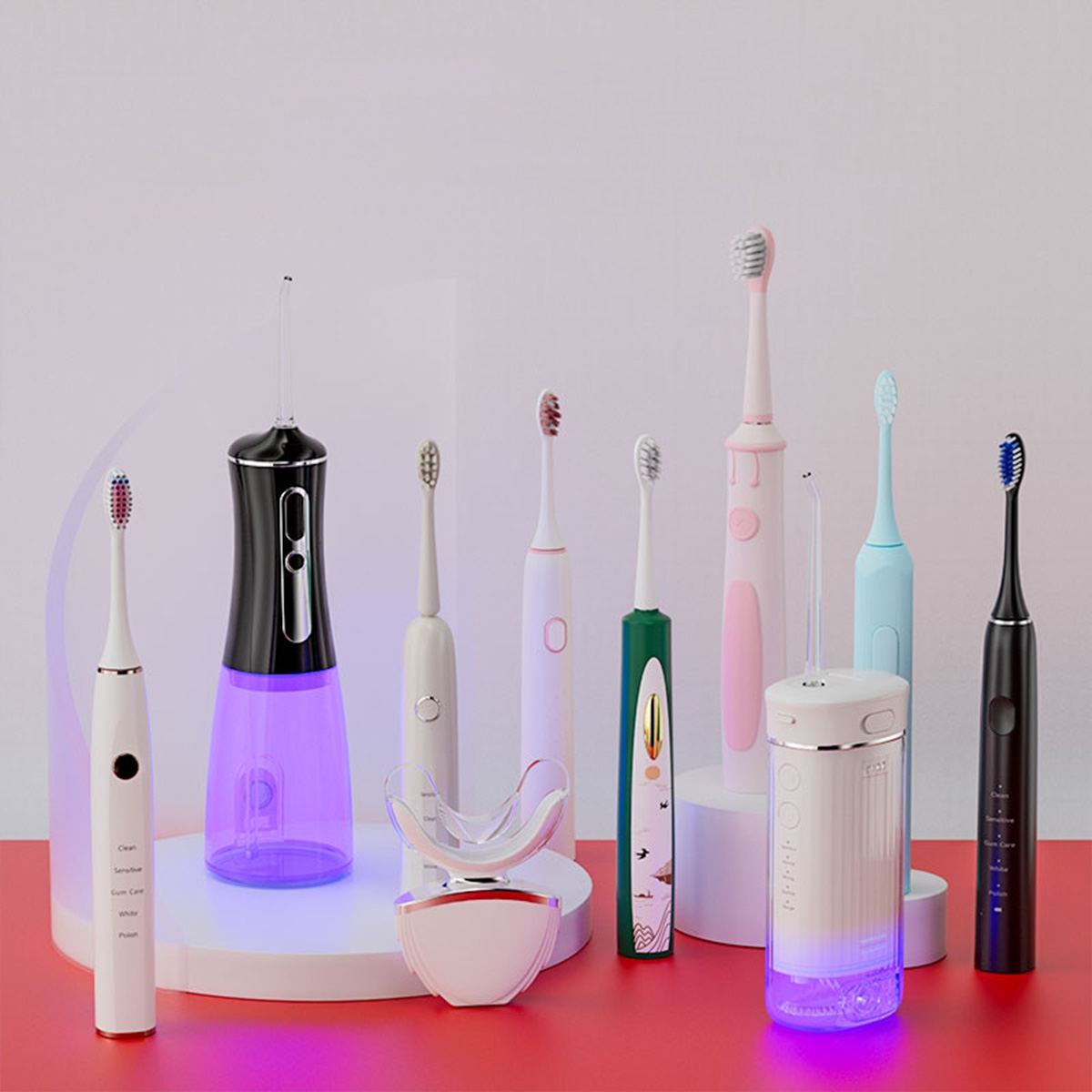
The global oral care market is evolving rapidly, and electric oral cleaning products have taken center stage. With their proven performance, smart technology, and growing popularity, these devices are transforming the way consumers manage their oral hygiene. For brand owners seeking opportunities in oral care products manufacturing, understanding the value and future potential of these products is crucial. In this blog, we explore the benefits of electric oral cleaning products, their scientificity and effectiveness, and why now is the right time to invest in this growing market. The Rise of Electric Oral Cleaning Products Electric toothbrushes and oral irrigators are no longer luxury items—they are mainstream essentials. As consumers become more health-conscious and tech-savvy, electric oral hygiene tools are both effective and convenient options. Key growth factors include: Higher awareness of dental health. Increased demand for smart home care solutions. A shift from traditional brushing to clinically tested electric alternatives. This rising demand opens vast potential for oral care products manufacturing partners to innovate and meet market expectations. Scientificity and Effectiveness of Electric Products Modern electric oral cleaning products are not just gadgets—they are backed by clinical studies and research. The scientificity and effectiveness of electric products have been validated in several ways: Electric…
In the world of oral care devices and small consumer electronics, two seemingly separate malfunctions—shaft fracture and indicator failure—can actually be symptoms of a deeper systemic flaw. While each issue alone can disrupt performance, their co-occurrence might point to underlying design or manufacturing challenges that B2B manufacturers must address. What Is a Shaft Fracture and Why Does It Happen? A shaft fracture typically refers to the mechanical breakage of the rotating or oscillating shaft that powers a toothbrush head or drive component. Common causes include: Material fatigue due to substandard alloys or improper heat treatment Overloading from improper torque distribution Misalignment during assembly or long-term wear Shaft integrity is fundamental to device longevity, especially in high-frequency applications like sonic toothbrushes or portable water flossers. Understanding Indicator Failure An indicator failure refers to the malfunction of a visual or tactile feedback component—commonly an LED or vibration alert—that informs users of power status, charging, or mode selection. Possible reasons include: PCB solder point damage from vibration Water ingress affecting signal circuits Faulty firmware or connection instability While these failures seem electronic in nature, they may share mechanical triggers with shaft issues. Company web:https://www.powsmart.com/product/electric-toothbrush/ Are Shaft Fracture and Indicator Failure Connected? Interestingly, evidence…

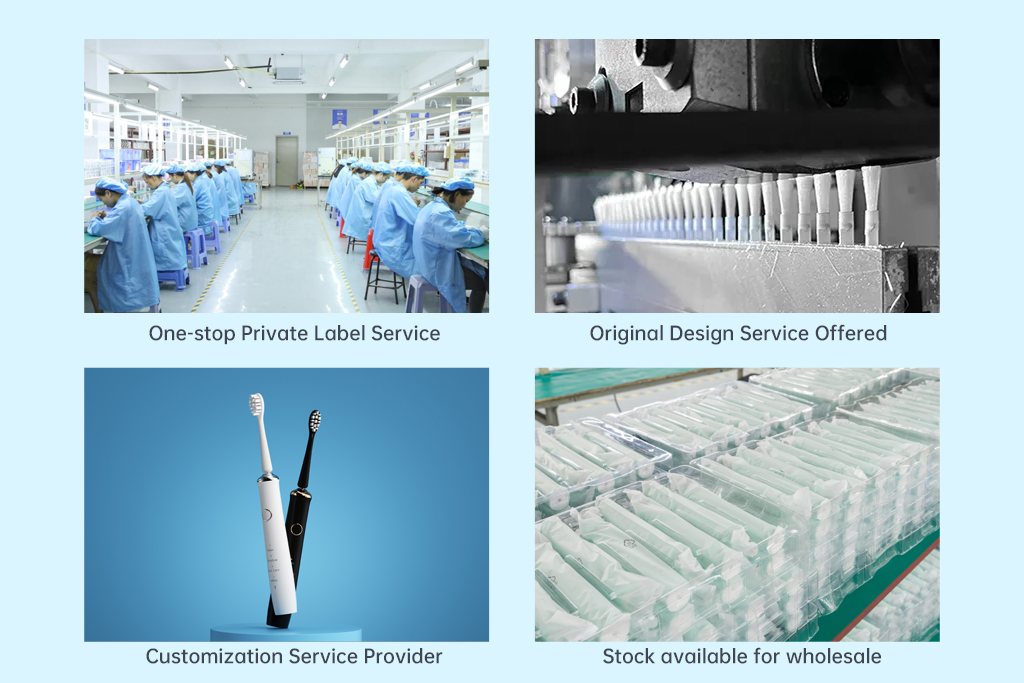
In the fast-growing oral care market, choosing the right electric toothbrush factory can be the difference between product success and failure. For brand owners and sourcing managers, understanding how to properly evaluate an electric toothbrush factory is essential to ensure product consistency, timely delivery, and long-term partnership success. This article outlines a six-part evaluation framework to help you assess a factory's comprehensive capabilities, including their OEM capabilities, manufacturing standards, and commitment to Electric Toothbrush Quality Manufacturing. Assessing the Factory’s Core Manufacturing Capabilities The first step in evaluating an electric toothbrush supplier is to investigate its core production competencies. A capable electric toothbrush factory should have: In-house facilities for plastic injection molding, PCB assembly, and motor integration. Experience with multiple product lines (oscillating, sonic, kids’ models). Scalable production capacity that aligns with your demand projections. This baseline assessment ensures the factory has the technical resources to meet your product specifications under various volumes. Reviewing OEM & ODM Capabilities Many oral care brands seek manufacturers that can provide OEM capabilities and even ODM (Original Design Manufacturing) services. During the evaluation, ask: Can the factory customize molds, packaging, and firmware? Do they offer product design support or only manufacturing? Are there R&D engineers on-site for product development or…
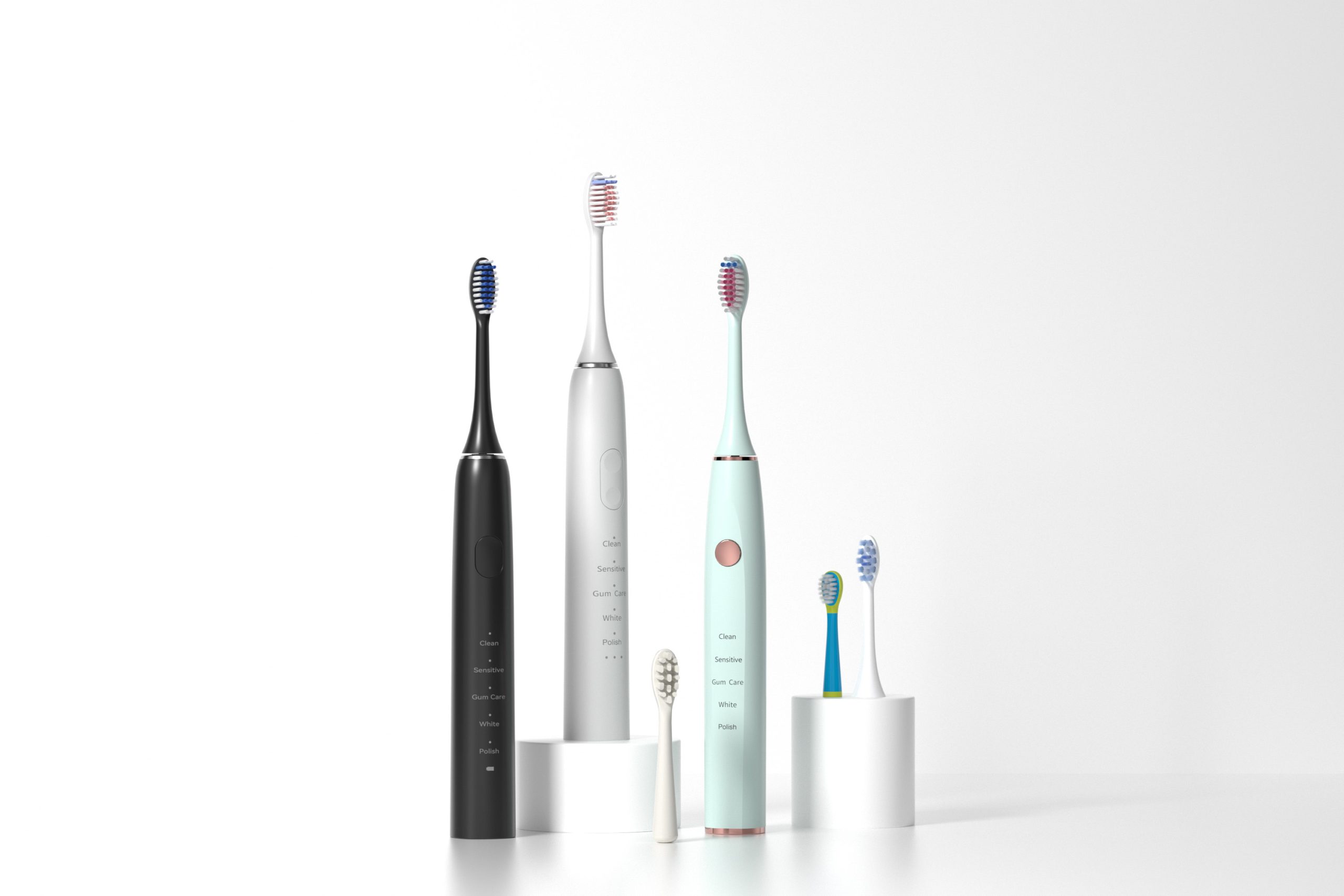
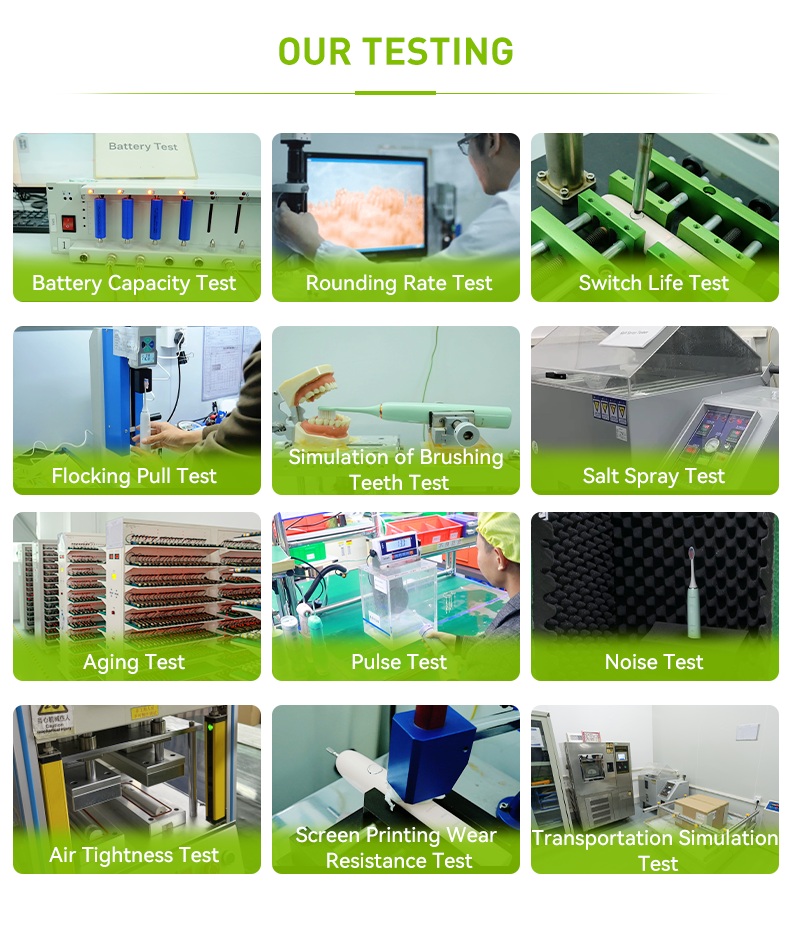
As electric toothbrushes become a standard in modern oral hygiene routines, quality control and product reliability have never been more critical. For oral care OEM partners, and especially for brands seeking factories, understanding common failure points and how to solve them is key to building strong, trustworthy products.This article offers a practical guide for brands & factories to troubleshooting electric toothbrush problems, helping improve production quality, reduce returns, and strengthen long-term customer satisfaction. Battery Life Issues: Why They Occur and How to Prevent Them One of the most frequent complaints in user feedback is related to battery life issues. Whether the toothbrush runs out of power too quickly or fails to hold a charge over time, battery reliability is critical for user retention. Key considerations for brands and factories: Use high-quality lithium-ion batteries from certified suppliers. Optimize PCB design for energy efficiency. Implement smart charging indicators and auto shutoff features to extend battery lifespan. Ensure your oral care OEM partner offers battery cycle testing during quality control. Waterproofing Standards: IP Rating is Not Optional Given the daily exposure to water and moisture, inadequate waterproofing can lead to product failures, electrical shorts, or even safety risks. Adherence to waterproofing standards—especially IPX7 or higher—is essential.…
.jpg)
In today's competitive oral care market, cleaning performance is a key differentiator for any electric toothbrush brand. Whether you’re launching a new line or improving your current offering, choosing the right electric toothbrush factory can make or break product performance. Key factors such as sonic technology, brush head design, and quality OEM manufacturing standards all influence the outcome. This blog explores how different factories vary and what to consider when selecting the right partner. The Role of Sonic Technology in Deep Cleaning Toothbrushes One of the primary factors impacting cleaning efficiency is the type of motor technology used. Advanced sonic technology enables toothbrushes to deliver up to 40,000 strokes per minute, creating microbubbles that reach deep between teeth and along the gum line. However, not all electric toothbrush factories implement this technology equally. Top-tier factories invest in high-frequency, stable sonic motors. Lower-end suppliers may compromise on vibration strength and consistency. When selecting a supplier, always evaluate their motor sourcing and engineering capabilities to ensure your brand offers a true deep cleaning toothbrush experience. Brush Head Design: The Unsung Hero of Cleaning Performance Another critical but often overlooked component is the brush head design. Factors such as bristle material, tufting density, and head shape directly impact how…
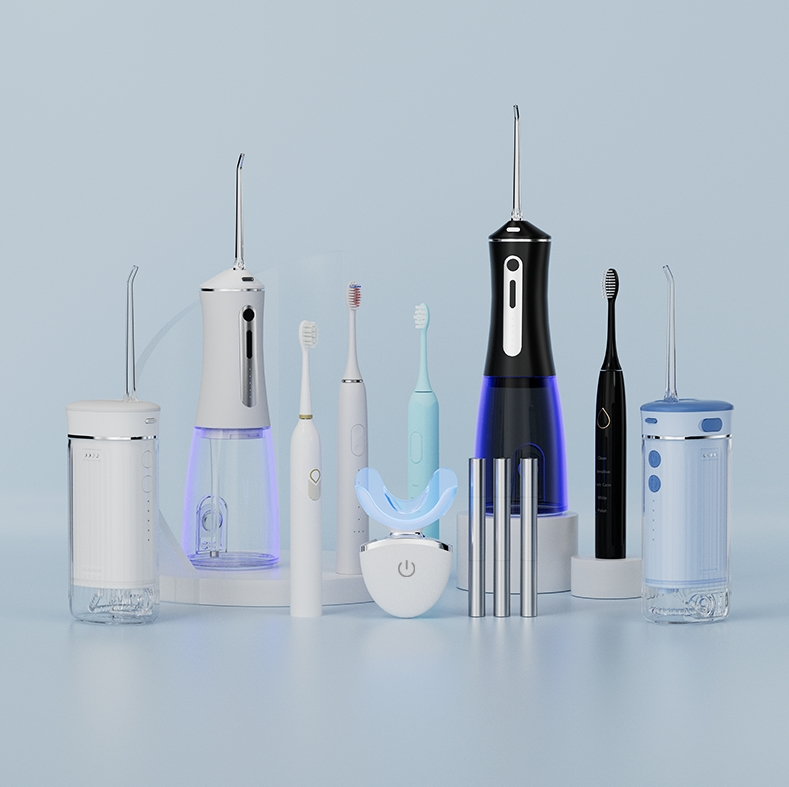
As the demand for smart and effective oral care devices grows, electric toothbrushes continue to dominate both consumer and professional markets. However, many brands face challenges due to recurring common electric toothbrush issues, often traced back to poor manufacturing practices. To build a trustworthy product line, it's essential for oral care brands to work with factories that understand common issues — and have systems in place to prevent them.This blog provides a detailed breakdown of the most frequent product issues and how top-tier manufacturers address them, ensuring long-term reliability and user satisfaction. Brush Head Durability: The First Line of Defense One of the most common complaints from users is premature wear or breakage of the brush head. Brush head durability is critical for performance and safety. Factory solution: Use of high-quality, FDA-compliant bristle materials. Precision injection molding to ensure consistent density and alignment. Rigorous fatigue testing to simulate real-world use cycles. By optimizing brush head design and materials, factories help brands deliver a more resilient and comfortable brushing experience. Motor Failure: Silent Killer of Product Lifespan Another frequent issue in electric toothbrushes is motor failure. Overheating, vibration inconsistencies, or complete breakdowns can severely impact a brand’s reputation. Factory solution: Partner with…
In the world of electronic personal care devices such as electric toothbrushes and water flossers, two hidden yet severe risks often go unnoticed by end users—battery leakage and subsequent circuit corrosion. While each problem alone can compromise product performance, their combination poses a much greater threat to both device lifespan and user safety. Are these two failures merely coincidental, or are they intrinsically linked in a dangerous cycle that manufacturers cannot afford to ignore? What Is Battery Leakage and Why Does It Occur? Battery leakage occurs when the internal chemical contents of a battery escape from its sealed casing. This usually happens due to: Overcharging or improper charging practices; Use of low-quality or aged battery cells; Physical damage to the battery structure during assembly or usage; Extreme storage conditions such as high humidity or temperature fluctuations. When leakage happens, the corrosive electrolyte materials can spread inside the device, setting the stage for further internal damage. How Does Battery Leakage Lead to Circuit Corrosion? The leaked electrolyte is highly conductive and chemically aggressive. Upon contact with the device’s inner components, especially the circuitry, the following chain reaction occurs: Metal traces and solder points on the circuit board oxidize; Insulation barriers weaken,…
As the oral care device industry moves toward smarter and more efficient products, two recurring challenges have drawn the attention of both OEM/ODM manufacturers and end-users: weak vibration and sensor failure. While either issue alone can impact performance, their combination presents a serious threat to product reliability, user satisfaction, and brand credibility. But is this double malfunction an avoidable design flaw—or an inevitable risk of advanced technology? What Causes Weak Vibration in Sonic Devices? Weak vibration in sonic toothbrushes or oral irrigators usually stems from: Motor degradation due to prolonged use or substandard components; Power supply inconsistencies such as battery voltage drops; Loose internal connections caused by assembly errors or material fatigue. When vibration intensity weakens, plaque removal efficiency plummets, compromising the primary function of the device. Customers may feel the product is ineffective or defective, triggering complaints and returns. Understanding Sensor Failure in Oral Care Devices Simultaneously, sensor failure—whether pressure sensors, position detectors, or usage timers—leads to operational inaccuracy. Common reasons include: Faulty PCB design or low-grade electronic components; Software glitches causing misinterpretation of user input or position; Environmental factors like moisture ingress or temperature fluctuations. A failed sensor may not detect excessive brushing pressure or incorrect positioning, raising…
In the field of sonic toothbrush manufacturing, button malfunction and uneven bristles might seem like unrelated issues at first glance. However, increasing customer feedback indicates that these two flaws can interact, resulting in product failure, reduced brushing efficiency, and poor user experience. Is this truly an overlooked disaster in oral care design—or a preventable manufacturing defect? How Button Malfunction Triggers Bristle Deformation A button malfunction, such as a stuck or delayed power button, can unintentionally cause the motor to operate erratically. This leads to: Over-vibration during rest periods; Unplanned sudden start/stop cycles; Extended high-speed running without load. Such irregular operation strains the brush head, causing uneven bristles over time as the fibers wear at different rates due to inconsistent pressure and motion. The Role of Uneven Bristles in Brushing Inefficiency Uneven bristles are not merely a cosmetic problem—they seriously undermine brushing quality. They cause: Incomplete plaque removal in certain areas; Over-scrubbing of gum tissue, raising the risk of irritation or recession; Imbalanced motor load, increasing the chance of future button malfunction due to feedback strain on internal electronics. In B2B production, such flaws can damage the brand’s reputation and result in costly product returns. Company web: https://www.powsmart.com/product/electric-toothbrush/ Root Causes Behind Button…
In the world of electronic appliances, especially those designed for personal care such as electric toothbrushes and oral irrigators, two critical risks demand serious attention: Short Circuit and Water Leakage. When these two issues occur simultaneously, the potential hazards multiply—not only threatening device performance but also putting user safety at considerable risk. Are manufacturers unknowingly playing with fire if they overlook this dangerous combination? Understanding the Relationship Between Short Circuit and Water Leakage Water and electricity are natural enemies. A Water Leakage—whether from a poorly sealed tank, damaged O-rings, or cracked casings—can directly result in moisture reaching sensitive electronic components. Once inside, this moisture can lead to a Short Circuit, where electrical pathways are unintentionally bridged. This not only causes the device to malfunction but also increases the chance of overheating or sparking. For OEM suppliers, ensuring IPX7 or higher waterproof standards during design and testing is the first step to prevent this chain reaction. Why the Double Risk Is More Dangerous Than It Seems While either Water Leakage or a Short Circuit is harmful on its own, their combination represents an amplified threat. A Short Circuit caused by internal moisture does not only lead to product failure—it can result…
For manufacturers and brands in the oral care industry, customer complaints about Gum Bleeding caused by Enamel Scratches are no longer rare. With the rise of sonic toothbrushes, water flossers, and dental devices, users are increasingly sensitive to oral discomfort and damage. But does this mean manufacturers or OEM/ODM suppliers need to panic? This article explores how Enamel Scratches occur, why they trigger Gum Bleeding, and what design or material flaws may be the root cause—especially in products intended for daily use. The Hidden Connection Between Enamel Scratches and Gum Bleeding While enamel and gum tissue are distinct, their health is closely interrelated. Enamel Scratches—even micro-level ones—can lead to sharp edges or rough surfaces on toothbrush bristles or flossing nozzles. When such compromised surfaces come in contact with sensitive gum tissue, Gum Bleeding can easily result. This risk becomes higher in products where bristle quality, nozzle coating, or polishing processes are insufficiently controlled. Moreover, once enamel is scratched, the underlying tooth structure may become more prone to bacterial retention, leading to localized gum inflammation—another indirect cause of Gum Bleeding. Key Product Design and Material Issues Leading to Enamel Scratches Several hidden design or material flaws in oral care products can…
.jpg)
In today’s increasingly competitive personal care market, consumers' preferences of electric toothbrushes are becoming more discerning, not only about the features of the product but also the price point. For brands and suppliers aiming to remain competitive and relevant, it is essential to understand how consumers weigh functions and prices of electric toothbrushes in their purchasing decisions. This blog provides a strategic look at demand preference and analysis, helping brands align with the right electric toothbrush manufacturer who can meet evolving market expectations. Core Consumer Expectations: Smart, Efficient, and Affordable Modern consumers prioritize electric toothbrushes that are not just effective, but also intelligent and user-friendly. Based on recent consumer research, the most requested features include: Multiple brushing modes (sensitive, whitening, gum care) Smart timers and pressure sensors Long battery life and fast charging Quiet operation and compact design However, while many users desire advanced features, a large portion of consumers' preferences of electric toothbrushes remain price-sensitive. This is where the balance between functionality and affordability becomes crucial in product planning and sourcing. Demand Preference and Analysis: Features vs. Cost Demand preference and analysis reveal three major consumer segments: Premium Users: Willing to pay over $80 for AI-enabled brushes, Bluetooth connectivity, and ultra-sonic vibration technology. Mid-Market Consumers:…
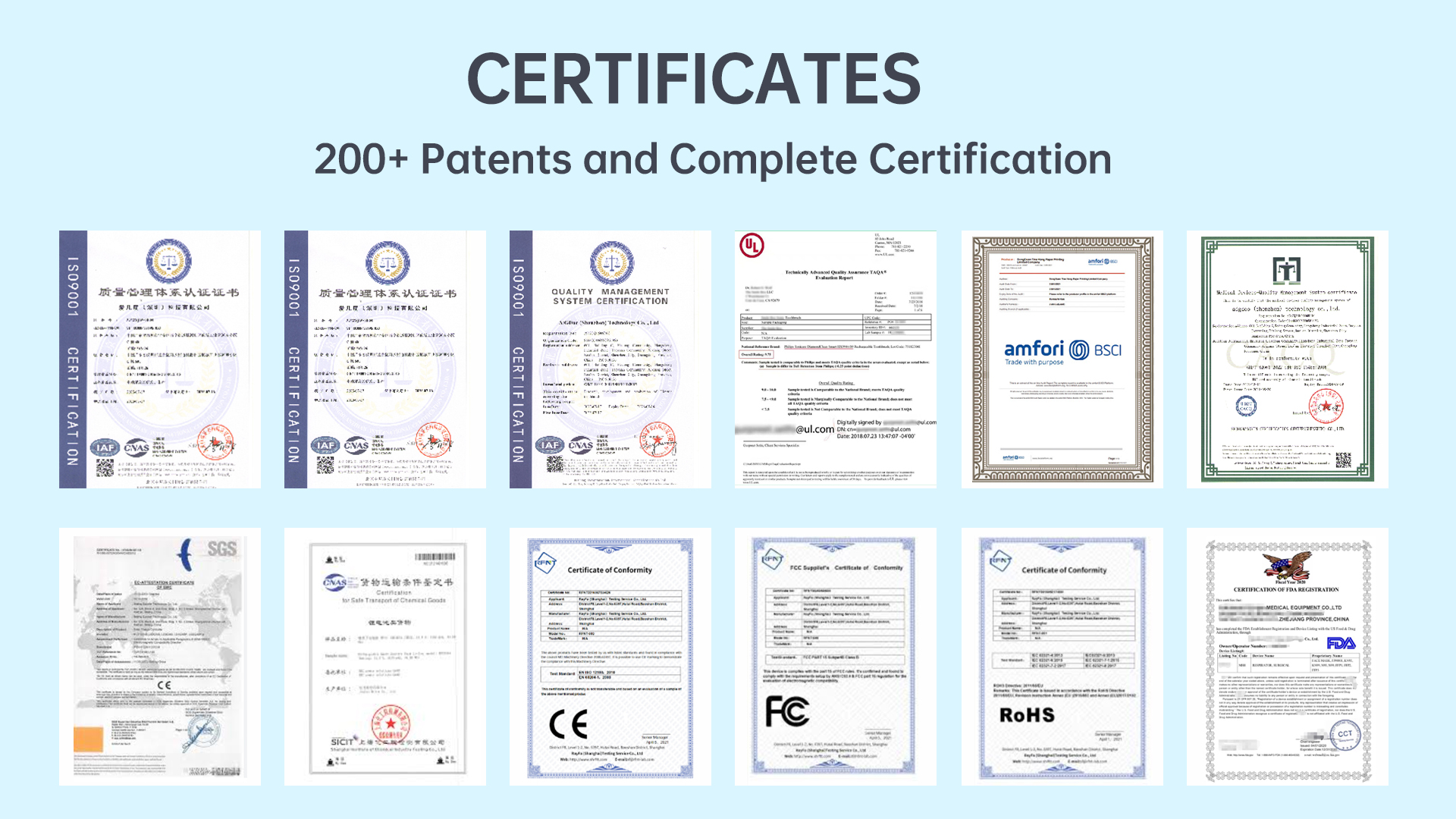
In the highly competitive oral care market, finding the right Oral Care Product Manufacturer is critical for any brand seeking to deliver safe, effective, and market-ready products. Whether you’re launching a new line of electric toothbrushes, oral irrigators, or whitening solutions, the choice of manufacturing partner can determine your product’s success—or failure. To streamline your decision-making process, we’ve created the ultimate checklist for evaluating a manufacturer, helping you identify quality dental suppliers who can act as your reliable OEM partner. Certification and Compliance: Look for an FDA-Certified Factory The first item on your checklist should be regulatory compliance. A reputable manufacturer should operate an FDA-certified factory and adhere to ISO standards relevant to medical or oral care devices (e.g., ISO 13485 for medical-grade production). What to check: FDA registration or certification documentation ISO certifications (especially ISO 13485 or ISO 9001) CE, RoHS, or other region-specific compliance (if targeting global markets) These certifications ensure that the manufacturer meets the legal and hygiene standards required to produce oral care products safely. Manufacturing Capabilities and Specialization Not every factory that makes beauty or healthcare products is optimized for oral care. You need a manufacturer that specializes in producing oral care devices such as electric toothbrushes or oral…
In today’s highly competitive market, find the right electric toothbrush manufacturers is critical for oral care brands aiming to scale efficiently. Whether you are a startup entering the market or an established company seeking product diversification, partnering with a trustworthy oral care supplier is the foundation of quality, innovation, and long-term brand influence. This article offers a comprehensive roadmap for selecting a manufacturer that aligns with your business goals, supports OEM electric toothbrush production, and drives your oral care brand expansion strategy. Define Your Product and Brand Requirements First Before contacting any factory or supplier, clearly define your product specifications and brand positioning. Ask yourself: What type of branded toothbrush production do you require (e.g., sonic, oscillating, kids’ brushes)? Do you need full OEM electric toothbrush solutions or white-label production? What certifications (e.g., CE, FDA, ISO) must the products comply with? What are your expected order quantities, price range, and delivery timelines? Having a solid product brief helps you find suitable electric toothbrush manufacturers early and avoid costly mismatches. Where and How to Source Reliable Manufacturers Finding a reliable oral care supplier goes beyond a simple online search. Here are proven sourcing strategies: Trade shows: Events like IDS (Germany), Dental South China, and Cosmoprof Asia are great for…
In the world of electric oral care devices, user comfort is closely tied not only to cleaning performance but also to acoustic experience. However, an increasing number of noise complaints are now being traced back to a lesser-known issue: handle corrosion. What appears to be a simple design flaw can, over time, evolve into a serious quality concern affecting both user satisfaction and product longevity. Where Function Meets Frustration: How Handle Corrosion Leads to Unusual Noise At first glance, handle corrosion may seem purely cosmetic. But when internal metal components within the handle oxidize—particularly around the motor mounts, drive shafts, or screw fixtures—it creates micro-vibrational shifts. These inconsistencies often result in unexpected mechanical buzzing, rattling, or high-pitched noise, especially during high-speed operation. Over time, this seemingly minor noise becomes a major customer service headache—especially for premium models expected to deliver a smooth, quiet experience. Root Causes of Handle Corrosion in Electric Devices Handle corrosion often stems from overlooked factors during design or assembly, including: Improper sealing at connection points, allowing moisture ingress Use of low-grade alloys or untreated metals for internal brackets Residue from chemical cleaning agents during assembly or consumer use Inadequate ventilation design, which traps condensation inside the…
Gum recession is a growing concern in oral health, often attributed to factors like aggressive brushing or periodontal disease. However, recent user feedback and clinical observations point to an overlooked culprit: pulse inconsistency in electric oral care devices, especially water flossers and sonic toothbrushes. For manufacturers in the B2B market, understanding and mitigating this issue is vital to product safety, user trust, and long-term brand reputation. What Is Pulse Inconsistency and Why Does It Matter? Pulse inconsistency refers to irregular or fluctuating pressure and frequency in electric toothbrushes and water flossers. Instead of delivering a stable, rhythmic action, the device may spike or dip unpredictably. This can occur due to: Inadequate motor regulation Inconsistent power supply Poor-quality control in pulse generator circuits Software glitches in smart devices While seemingly minor, such irregularity can have a significant cumulative effect on gum tissue. How Pulse Inconsistency Leads to Gum Recession Gums are highly sensitive to mechanical force. Consistent, gentle stimulation can promote circulation and health, but unpredictable pulses act like micro-traumas. Over time, the repeated application of uneven pressure may cause the gum line to shrink or detach from the tooth, leading to gum recession. Clinical professionals have begun to associate irregular…
The global demand for smart personal hygiene tools continues to grow in 2025, with the electric toothbrush wholesale market seeing notable expansion across Asia, Europe, and North America. As more consumers prioritize preventive dental care, distributors and retailers are actively sourcing high-performance, affordable, and innovative electric toothbrushes to meet market demand. In this blog, we analyze the latest oral care distribution trends and present some of the best-selling models in the wholesale channel this year. Market Overview: Shifting Preferences & Distribution Channels The electric toothbrush wholesale market in 2025 is shaped by several key factors: Rising oral health awareness: Consumers are investing more in preventive care tools. E-commerce and cross-border trade: B2B platforms and digital wholesale channels are playing a bigger role. Smart and minimalist designs: Retailers prefer products that are not only functional but visually appealing and easy to use. Moreover, oral care distribution trends show growing interest from pharmacies, lifestyle retailers, and subscription box services, all seeking product lines that offer a balance of affordability, brand quality, and technical features. Key Product Features That Drive Sales To remain competitive, best-selling models often share the following attributes: Multiple brushing modes (sensitive, whitening, gum care) Long battery life and USB-C charging Sonic vibration or magnetic levitation motors for high…


.jpg)
.jpg)
.jpg)
.jpg)
.jpg)






.jpg)