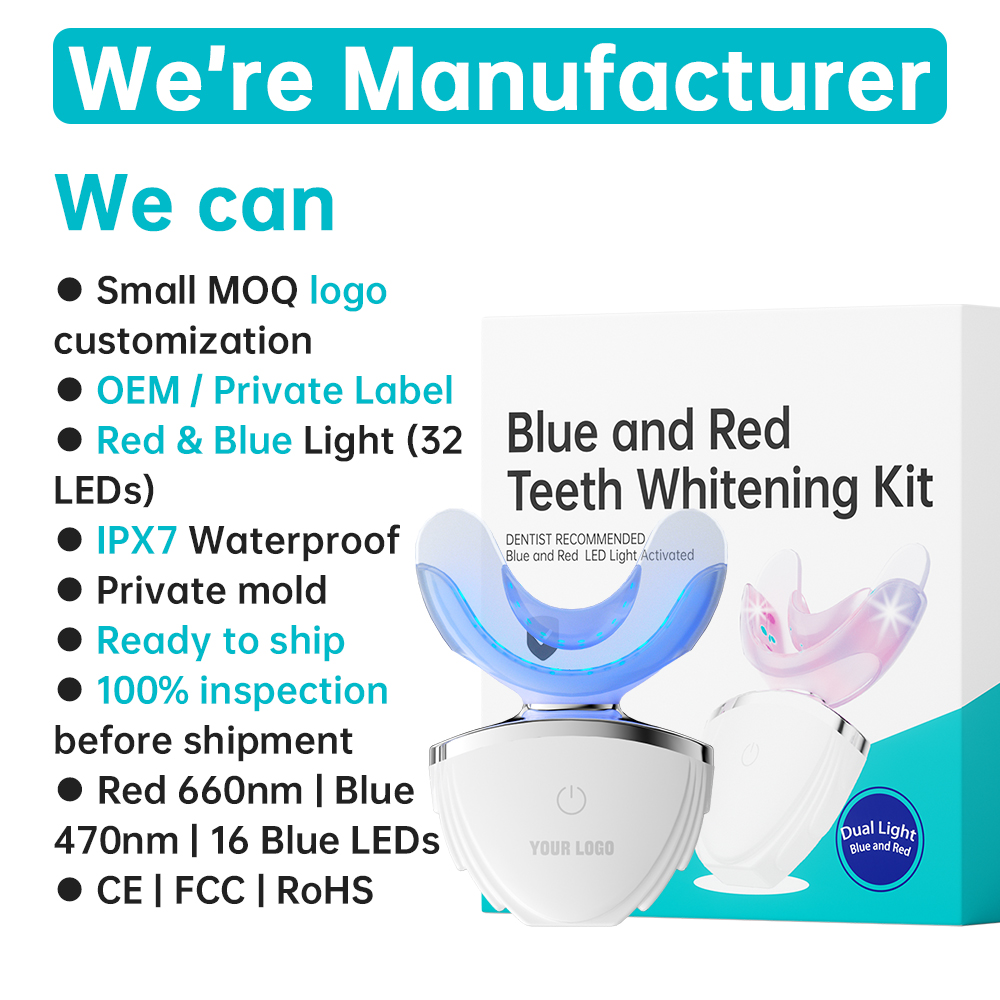
In the world of product manufacturing and retail, businesses are often faced with the decision of whether to pursue a branding vs private label solutions. Both models have their distinct advantages and disadvantages, and the right choice for your business largely depends on your specific goals, resources, and target market.
In this blog, we’ll explore both branding and private label models, outlining their key benefits and challenges, so you can make an informed decision on which is best suited for your needs.
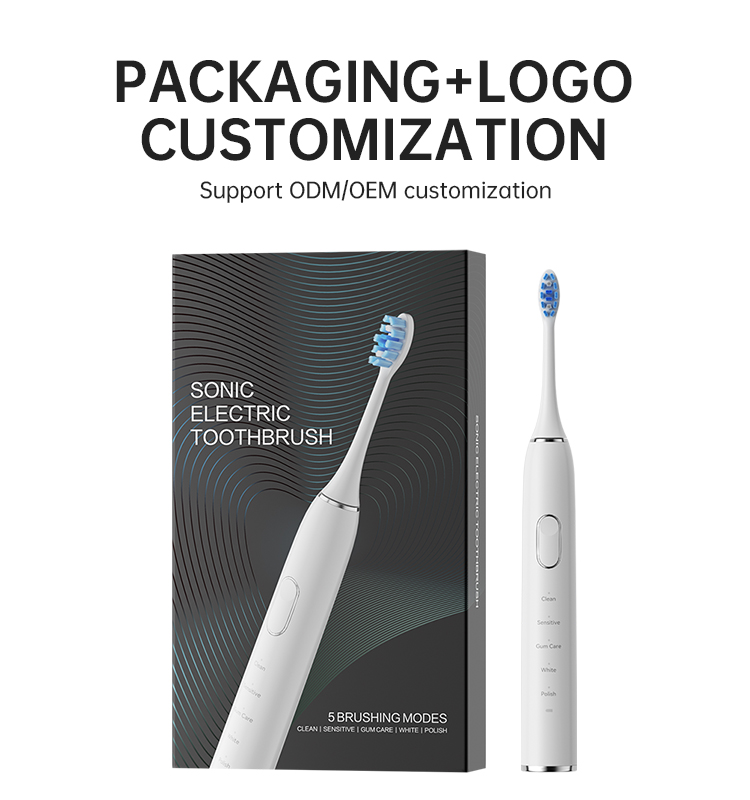
Branding refers to creating a unique identity for your products. This includes developing a distinctive logo, messaging, packaging, and marketing strategies that set your products apart from competitors. The key here is to build a strong emotional connection with customers through your brand.
On the other hand, private label products are manufactured by one company but sold under another company’s brand. For example, a retailer may purchase generic products from a manufacturer and sell them under their own store’s name. Private label products are often seen as an affordable alternative to well-known brands.
When choosing between branding and private label, there are several factors you should consider:
It’s also worth noting that some companies use a hybrid model, combining private label vs branding strategies. This can give businesses the flexibility to tap into different market segments. For instance, you can offer private label products alongside your branded offerings, giving customers a wider range of options at different price points.
By doing so, you can cater to both budget-conscious customers and those seeking premium, branded products. The hybrid approach allows you to diversify risk while expanding your product portfolio.
Ultimately, the choice between branding vs private label depends on your business objectives, resources, and market positioning. If you have the capital and time to invest in long-term growth, building a brand might offer the best return on investment. However, if you’re looking for lower-risk, cost-effective solutions with quicker market entry, private label products may be the way to go.
Remember that there’s no one-size-fits-all answer. It’s important to evaluate your options carefully and consider both the advantages and disadvantages of branding and private label before making your decision. Contact Powsmart if you’re interested in water flosser manufacturing and customization service.https://www.powsmart.com/
.jpg)
CPAP dry mouth toothbrush: oral health tips
Proper Teeth Cleaning Techniques with Electric Toothbrushes: Guide for OEM Manuals
The Difference Between Different Types of Power Toothbrushes
Should Depreciation Schedule Modeling Inform Your Trade-in Program for Upgrades?

Five benefits of using a Wave electric toothbrush
Sleep Apnea Oral Care Guide: Brush Features for CPAP Dry Mouth
Looking for a cost-effective electric toothbrush? Why not consider Hammer’s budget-friendly option!
Common Water Flosser Problems and How to Fix Them
.jpg)
Will You Get a Transparent Toothbrush Cost Breakdown?
.jpg)
Is 2-Minute Music Timing Effective?
Cordless Water Flosser for Family Use – Portable Home Oral Hygiene Solutions
What Are the Benefits of Our Patented Structural Design of Electric Toothbrushes?
How Can a Sleep Health Companion Device Incorporate Stress Response Monitoring?
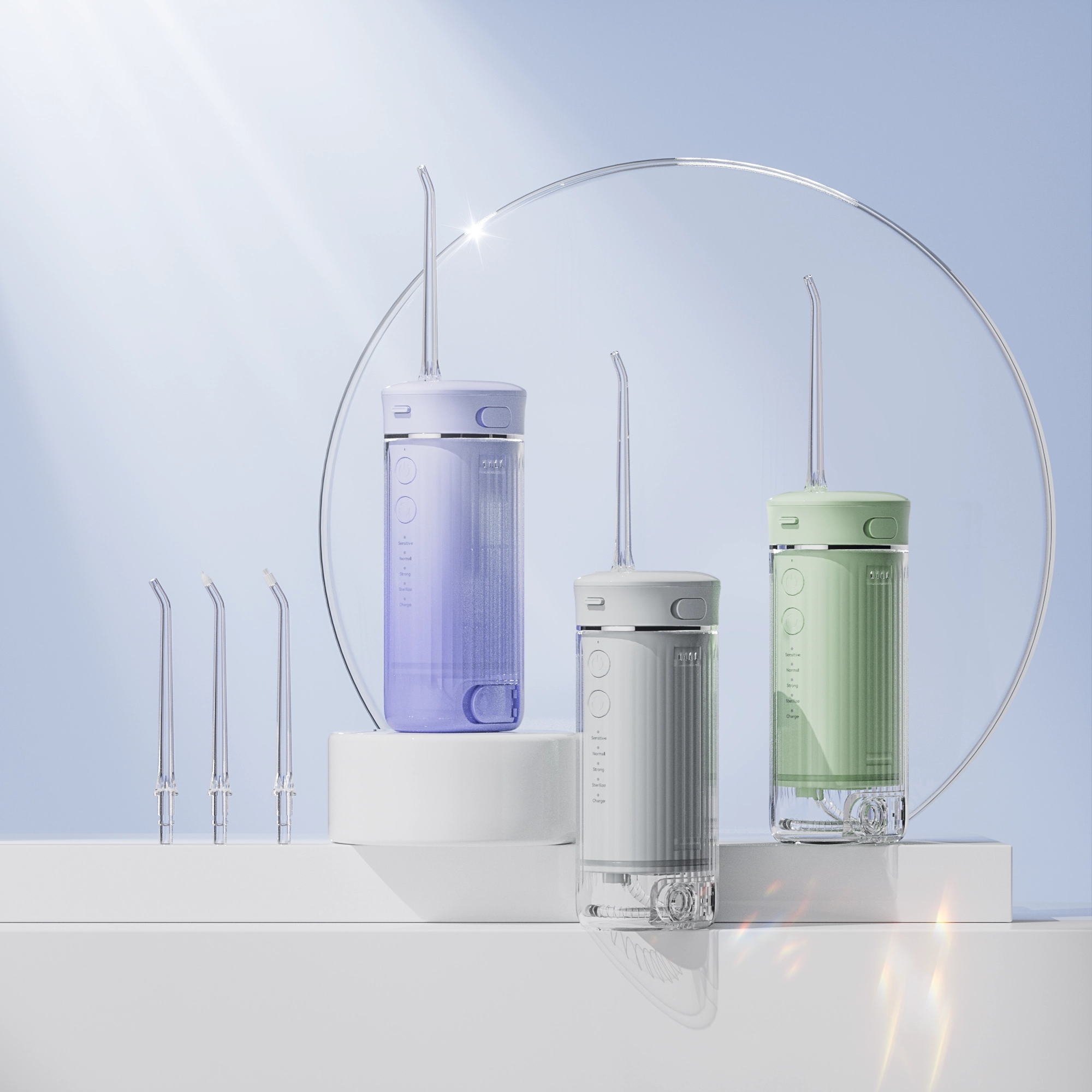
From production to quality control: the whole process of creating a high-quality water flosser
NY Dental Recommended Toothbrushes: Trusted Quality from Factory to You
Red Light Electric Toothbrush Factory for OEM Projects


.jpg)
.jpg)
.jpg)
.jpg)
.jpg)