
.jpg)
The dental industry is shifting toward smarter, evidence-based patient care—even beyond the dental chair. One of the most effective tools to reinforce good hygiene habits is the 2-minute timer toothbrush. As oral care product brands and dental chains look to expand their dental clinic supplies, demand for reliable electric toothbrushes for dental practices is growing rapidly. In this blog, we explore the features, benefits, and OEM possibilities for brands seeking Dental Clinics OEM options that focus on producing smart-timer toothbrushes designed specifically for clinical use. What is a 2-Minute Timer Toothbrush and Why It’s Clinically Important A 2-minute timer toothbrush includes an automatic timing feature that guides users to brush for the dentist-recommended duration. This feature helps improve compliance with oral hygiene instructions, especially for patients who struggle with proper brushing routines. In clinical use, such toothbrushes are valuable as: Take-home tools after treatments Part of dental hygiene starter kits Branded giveaways to increase patient retention Key Design Features for Dental Clinic Use When designing electric toothbrushes for dental practices, certain features must be prioritized: Simple operation: One-button function for ease of use by patients of all ages Timer accuracy: A vibration or pause every 30 seconds to guide quadrant changes Rechargeable…
.jpg)
As awareness around oral health continues to grow, a large segment of consumers is shifting toward sensitive gums oral care solutions. People with gum irritation, bleeding, or post-treatment sensitivity are actively seeking gentler alternatives. For oral care brands, this presents a promising niche. But to capture this market, it’s essential to collaborate with a manufacturing partner that specializes in gentle oral care products manufacturing. This blog serves as a guide for brand owners looking to develop or expand their oral care products for sensitive gums portfolio. Understanding the Needs of Sensitive Gums Users Before launching a product line, it's crucial to understand the specific needs of users with sensitive gums. Key concerns include: Avoiding harsh bristles or aggressive brushing mechanisms Minimizing chemical irritants in toothpaste or rinse formulations Seeking soothing, anti-inflammatory ingredients (like aloe vera, chamomile, or allantoin) These users prioritize comfort, safety, and clinical efficacy, which should be reflected in your product design and ingredient choices. What Makes an Oral Care Product “Gentle”? When sourcing or developing gentle oral care products for sensitive gums, brands must consider: Soft or ultra-soft bristles in toothbrushes, especially sonic or electric types Low-abrasive toothpaste formulas without sodium lauryl sulfate (SLS) Water flossers with pressure control to avoid damaging…
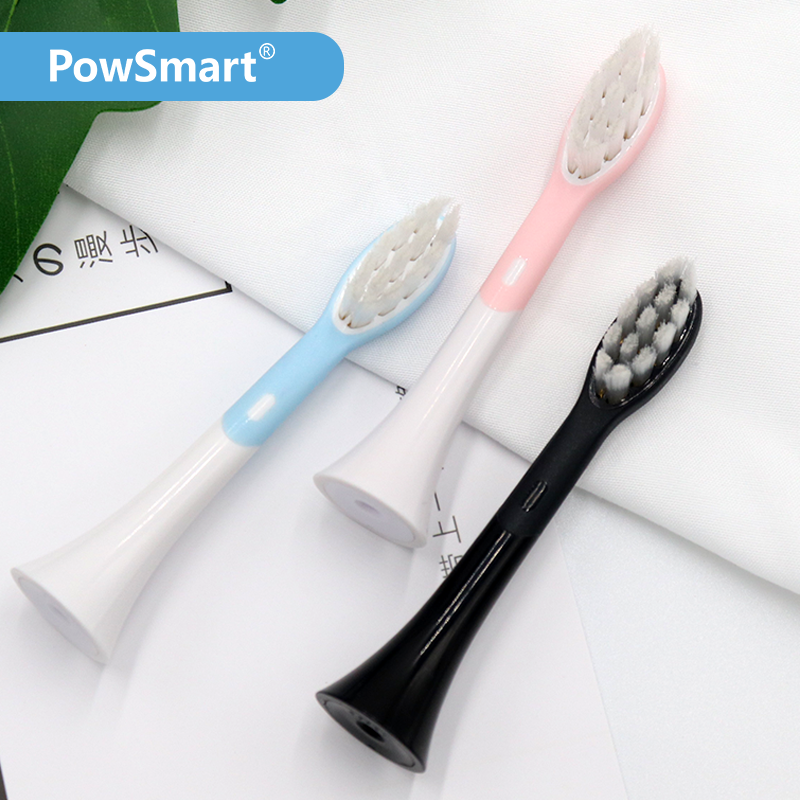
As oral care continues to shift toward smart, modular solutions, one of the most common industry questions is: Are electric toothbrush heads universal? For oral care brands and retailers, understanding compatibility is more than a product detail—it’s key to product development, customer satisfaction, and long-term market success. In this blog, we will explore the compatibility landscape of replaceable electric toothbrush heads, analyze the design and functional differences, and highlight business opportunities for brands looking to partner with an oral care products manufacturer. The Basics: What Are Replaceable Electric Toothbrush Heads? Replaceable electric toothbrush heads are detachable brush components designed to be swapped out regularly—usually every 3 months—for hygiene and performance purposes. They are critical not only for end-user health, but also as a recurring revenue stream for brands. Most brush heads include: A plastic or rubberized base Nylon bristles with varied hardness Embedded or sonic-motion compatible connectors Color fading indicators or soft wear alerts These components offer flexibility for product differentiation, but they also raise the issue of compatibility across brands. Are Electric Toothbrush Heads Universal? In short: No, electric toothbrush heads are not truly universal—but the market is moving toward greater standardization. Most brands, especially major ones like Philips Sonicare and Oral-B,…
.jpg)
With the rise in consumer awareness around dental hygiene and the increasing adoption of smart home technologies, smart electric toothbrushes are now at the forefront of personal care innovation. As more brands seek to enter or expand in this competitive space, partnering with a reliable smart electric toothbrush manufacturing has become a strategic necessity. But how do you identify the right manufacturing partner that aligns with your brand’s quality standards, customization needs, and market goals? This blog provides a comprehensive selection guide to help brand owners and private label businesses make informed decisions. Understand the Capabilities of the OEM Partner The first step in choosing an OEM is to evaluate their technical capabilities. A strong oral care OEM should have: In-house R&D for smart hardware and firmware development Expertise in producing Bluetooth toothbrushes Experience integrating app connectivity and sensors for pressure, timing, and brushing modes A competent Bluetooth toothbrush factory can ensure seamless communication between brush and mobile app, while maintaining safety and hygiene standards in manufacturing. Assess Product Customization Flexibility Every brand has a unique identity. Therefore, the ability to offer custom toothbrush manufacturing is crucial. Look for an OEM partner that can support: Bristle design variations (soft, medium, charcoal-infused, etc.) Handle materials and ergonomic…
.jpg)
The global oral care market is rapidly evolving, with smart technology becoming a key differentiator. Bluetooth-enabled electric toothbrushes are no longer niche—they’re a fast-growing category that blends health tech with everyday hygiene. For brands aiming to expand their product line or launch a new oral care venture, tapping into this trend through smart toothbrush customization and bulk manufacturing partnerships offers immense growth potential. This guide is designed to help brand owners and private label companies navigate the process of working with a B2B toothbrush supplier, including steps for customization, quality assurance, and how to secure the right oral care OEM factory for your needs. Understanding the Bluetooth-Enabled Electric Toothbrushes Market Opportunity Smart toothbrushes are transforming the oral care experience. Equipped with real-time feedback, brushing habit tracking, and app integration, Bluetooth-enabled models are especially attractive to tech-savvy consumers and parents alike. Key benefits driving market demand: Growing consumer interest in health-tech integration Subscription model opportunities via app platforms Competitive differentiation through smart features Now is the ideal time to explore Bluetooth-Enabled Electric Toothbrushes wholesale partnerships to stay ahead of market trends. Smart Toothbrush Customization: What Can Be Tailored? When partnering with a manufacturer, brands can go beyond just adding a logo. A capable oral care OEM can help…
.jpg)
In the age of connected health, toothbrushes are no longer just cleaning tools—they're smart health devices. One of the most revolutionary developments in oral care innovation is real-time brushing tracking, a feature now integrated into many high-end smart toothbrushes. This innovation provides users with instant feedback, improves brushing habits, and gives brands a competitive edge. For oral care brands looking to stay ahead in a crowded market, finding the right oral care OEM that understands and delivers smart toothbrush technology is essential. This blog explores the functionality, user benefits, and the manufacturing considerations behind real-time tracking in electric toothbrushes. What is Real-Time Brushing Tracking? Real-time brushing tracking refers to the toothbrush’s ability to monitor brushing patterns, duration, angle, and coverage through embedded sensors and Bluetooth connectivity. Data is transmitted to a companion app that provides immediate feedback and long-term performance insights. This feature has redefined brushing from a passive to a guided, interactive experience, especially for users who struggle with consistent technique. Smart Toothbrush Technology: Core Features Today’s smart toothbrushes offer more than basic cleaning. Key functionalities enabled by smart toothbrush technology include: 3D motion sensors and pressure sensors AI-driven feedback on missed areas Gamification features for children and families Custom brushing modes synced with…
.jpg)
Introduction: Are Bluetooth Toothbrush APP Tracking Problems Hindering User Adaptation? As Bluetooth-integrated smart oral care tools become a staple in personal hygiene, the importance of Bluetooth Toothbrush APP Tracking cannot be overstated. These apps are designed to enhance brushing habits, provide real-time feedback, and foster long-term user adaptation. However, when app tracking fails—whether through inaccurate data, connectivity drops, or lag in real-time response—it can undermine user trust and discourage consistent usage. For OEMs and B2B stakeholders, such performance failures can result in higher product returns, negative reviews, and brand reputation risks. The Purpose of Bluetooth Toothbrush APP Tracking Modern smart toothbrushes are more than just cleaning tools—they’re data-driven health platforms. Bluetooth Toothbrush APP Tracking plays a pivotal role in: Monitoring brushing frequency and duration Detecting pressure and brushing angles Offering gamified progress charts for children and adults Providing adaptive coaching based on user behavior The ultimate goal is to increase user adaptation, encouraging better oral care habits over time. However, when the tracking system falters, this behavioral reinforcement collapses. Common Causes of App Tracking Failure There are several technical and design flaws that could result in compromised tracking: Unstable Bluetooth connectivity in low-power environments Inaccurate sensor calibration leading to misleading…
.jpg)
Introduction: Material Safety in Focus for Children's Oral Care Devices When it comes to children’s products, especially oral care tools, material toxicity is a non-negotiable concern. Parents, distributors, and OEM partners are increasingly cautious about what comes into direct contact with young users. This is particularly true for products like the POWSMART Kids Electric Toothbrush, which combines technology and daily hygiene in one. The key question many B2B stakeholders are asking is: Does the POWSMART Kids Electric Toothbrush contain any material toxicity that may pose risks to young users? In this blog, we explore the material composition, compliance certifications, safety testing, and design intentions behind the POWSMART Kids series to clarify this important issue. Why Material Toxicity Matters in Kids’ Electric Toothbrushes Children’s oral tissues are more sensitive, their immune responses still developing, and their habits less predictable. This makes them especially vulnerable to the negative impacts of: Endocrine-disrupting chemicals (e.g., BPA) Unstable colorants or surface coatings Allergenic plastics or elastomers Low-grade metals in motor casings or brush necks For B2B manufacturers, the reputation risk of a material toxicity incident is significant—affecting both brand trust and regulatory exposure. Materials Used in the POWSMART Kids Electric Toothbrush The POWSMART Kids Electric…
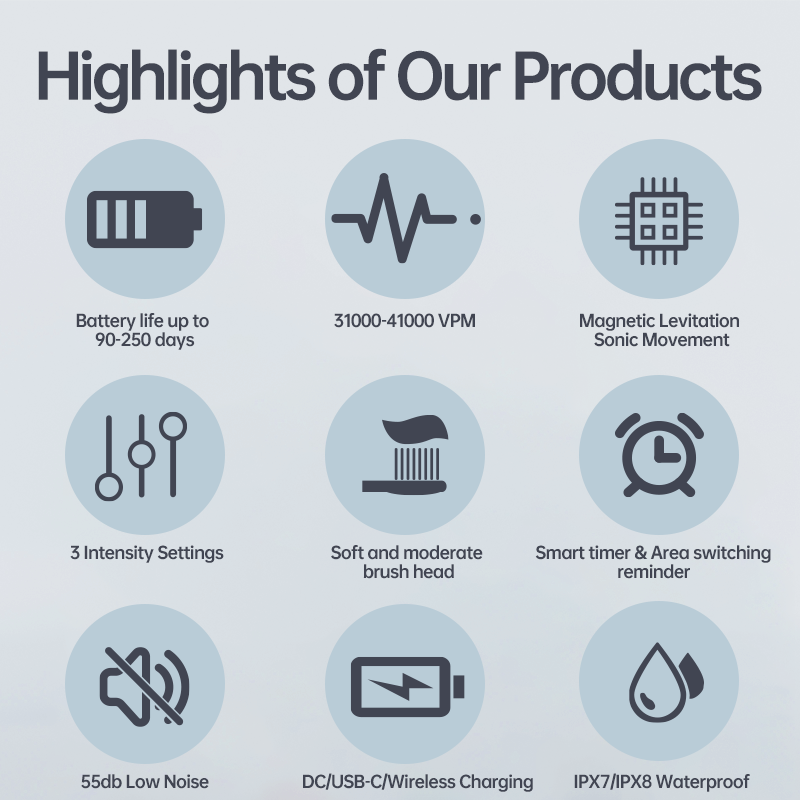
Introduction: A Small Leak, a Big Problem? As portability and convenience become key selling points in oral care, the Travel Electric Toothbrush is seeing a surge in demand across global B2B channels. However, with compact size and mobile usage comes a heightened reliance on waterproof integrity. A frequently overlooked but critical concern is: Can waterproof failure in a travel electric toothbrush lead to internal circuit corrosion? The short answer is yes—and the implications for reliability, safety, and brand credibility are severe. This blog dives deep into how waterproof failure occurs, its direct link to circuit corrosion, and how manufacturers can proactively address the issue. Understanding Travel Electric Toothbrush Construction A Travel Electric Toothbrush typically integrates a compact high-speed motor, lithium-ion rechargeable battery, microcircuit control board, and pressure-sensitive brushing feedback—all within a slim enclosure. Because these components are tightly packed and often exposed to water during brushing, waterproofing becomes not just a cosmetic feature, but a critical functional protection barrier. Failure in this area can compromise the entire device's integrity. Key Materials and Design Elements in Waterproofing To defend against moisture infiltration, quality toothbrush manufacturers employ: IPX7 or higher-rated sealing standards Ultrasonic welding at joint seams Silicone O-rings in charging ports…
.jpg)
Introduction: Brush Shedding – A Critical Concern for Sensitive Gums For brands catering to oral care users with delicate needs, the Sensitive Gum Electric Toothbrush has become a flagship product category. However, reports of brush shedding—where bristles detach prematurely—are raising legitimate concerns across supply chains. Not only does bristle loss compromise cleaning performance, but for users with sensitive gums, it can trigger irritation, inflammation, or even accidental ingestion. This article explores why brush shedding happens, its implications for sensitive users, and how manufacturers can design toothbrushes that are both gentle and structurally sound. Why Sensitive Gums Require Specialized Design Consumers with sensitive gums are prone to bleeding, swelling, or discomfort when using standard brushes. As a result, soft bristles, low-pressure modes, and ergonomic head design are key selling features in any Sensitive Gum Electric Toothbrush. However, softness and flexibility must not compromise bristle retention strength. This fine balance is often where manufacturing shortcuts cause issues. Root Causes of Brush Shedding in Electric Toothbrushes Several technical and material-based factors can lead to premature bristle loss: Inconsistent bristle tufting depth or anchoring during assembly Low-grade PBT or nylon filament fatigue after limited use Overuse of ultrasonic welding without tuft-hole reinforcement Inadequate QC…
As global demand for smart and efficient oral care tools continues to rise, 2025 is set to be a defining year for electric toothbrush brands. A well-planned electric toothbrush promotional sale can boost brand visibility, grow customer base, and increase market penetration. But behind every successful promotion is a reliable, scalable production partner. For brands looking to take advantage of the upcoming demand spike, identifying the right electric toothbrush manufacturing partner is critical. Electric Toothbrush Market Share 2025: What the Numbers Reveal The global electric toothbrush market share in 2025 is projected to exceed USD 6.5 billion, with strong growth driven by innovation, oral health awareness, and increasing disposable incomes. Key drivers include: Rising consumer interest in smart brushing technology Wider retail penetration (online + offline) Growing demand for personalized and eco-conscious oral care products This growth represents a massive opportunity for brands to expand into new regions or double down on core markets — provided they can meet the surge in demand with flexible manufacturing capacity. Role of Manufacturers in Supporting Promotional Campaigns A successful electric toothbrush promotional sale isn't just about offering discounts — it’s about delivering products on time, at scale, and with uncompromising quality. An experienced electric toothbrush manufacturing partner should…
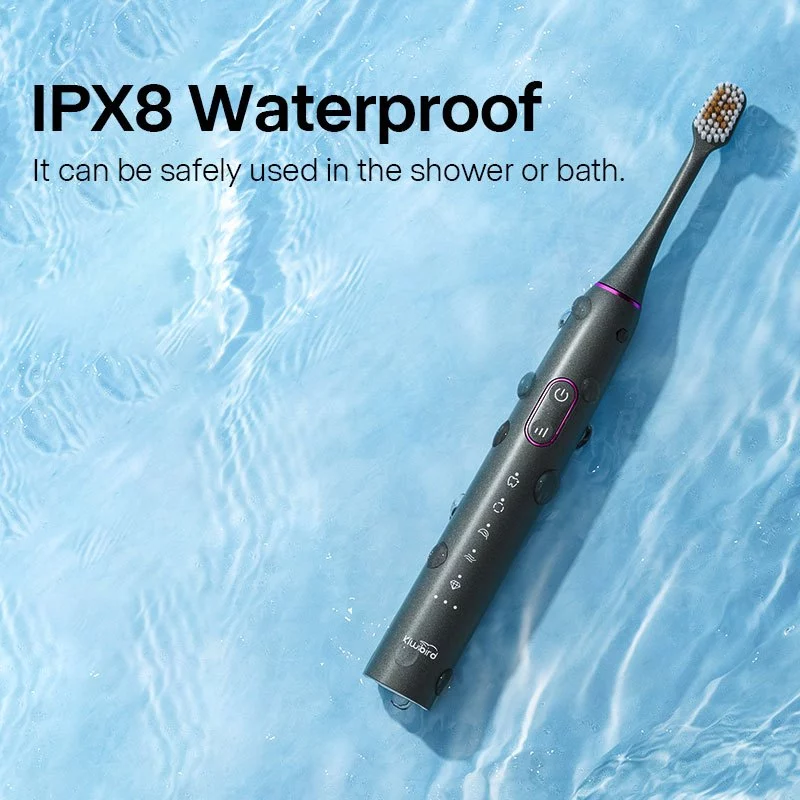
In today’s competitive oral care market, electric toothbrushes come in a wide range—from simple budget models to premium smart designs. For oral care brands seeking to source reliable manufacturers, understanding the core electric toothbrush differences is crucial for developing a product portfolio that aligns with consumer expectations and pricing strategies. This blog offers a toothbrush comparison between cheap electric toothbrushes and high-end electric toothbrushes, highlighting 5 key differences to guide your sourcing and product development decisions. Motor Technology & Performance One of the most fundamental differences lies in the motor system. Cheap electric toothbrushes typically use basic vibration motors with lower RPMs (around 6,000–12,000 strokes/min). These models provide basic plaque removal but limited deep-cleaning capabilities. High-end electric toothbrushes, on the other hand, feature high-frequency sonic or oscillating-rotating motors that can reach up to 40,000 strokes/min. These deliver superior plaque removal and gum stimulation. ? When selecting a manufacturing partner, assess their capability in producing motors with variable frequency or sonic technology—key aspects of oral care technology today. Battery & Charging Options Battery quality directly impacts product usability and consumer satisfaction. Budget models often use AA batteries or low-cost rechargeable cells with short lifespan and limited usage per charge. Premium models typically include long-lasting lithium-ion batteries, fast-charging…
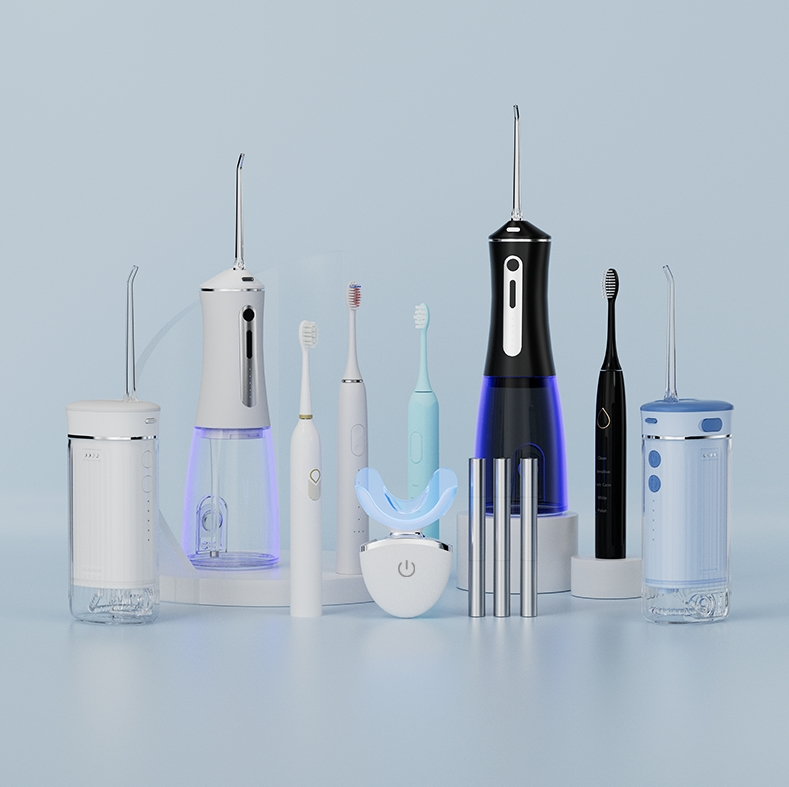
In today’s highly competitive oral care market, many brands are drawn to the promise of low-cost electric toothbrushes and custom water flossers from budget-focused OEM factories. While the upfront price may be attractive, these choices often come with hidden risks that can harm product quality, brand reputation, and long-term growth. This article uncovers five key hidden risks for brands that seek to launch or expand their product lines with budget OEMs, and why quality, not just cost, should be the priority when sourcing OEM oral care products. Quality Control Issues: What You Save Now Could Cost You Later One of the most common and damaging issues with low-cost electric toothbrushes & water flossers is inconsistent or poor quality control. Budget manufacturers often cut corners on materials, components, and assembly processes to meet low pricing expectations. Product failures (e.g., weak battery life, malfunctioning motors, leaks) Non-compliance with regional safety certifications (CE, FDA, etc.) High return rates that damage profit margins and brand image For any brand, sacrificing quality control to save costs can lead to long-term customer distrust and loss of credibility. Limited R&D and Outdated Technology Innovative features like Bluetooth connectivity, smart sensors, or adaptive pressure control are now standard in mid-to-high-end oral care devices.…
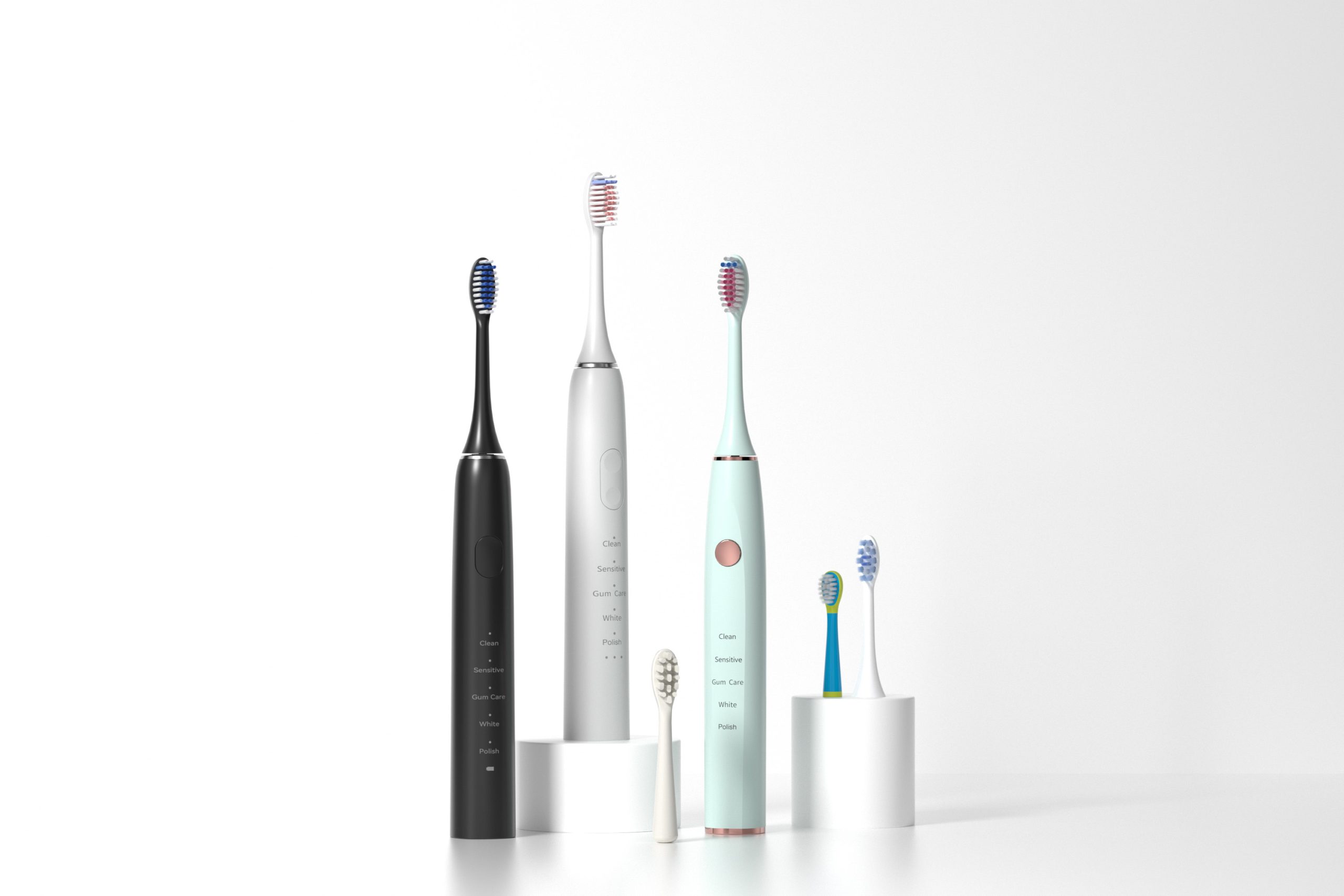
When developing a successful electric toothbrush, one critical consideration for oral care brands and manufacturers is the electric toothbrush charging system. The type of charging method used can significantly impact user experience, product lifespan, and ultimately, brand reputation. This article explores various charging technologies — including wireless charging, contact charging, and USB-C charging — and evaluates their pros, cons, and charging failure rate to help brands make informed choices. Contact Charging: Proven but Sensitive to Wear Contact charging is one of the most widely used methods in electric toothbrushes. It involves direct metal-to-metal contact between the brush and the charging base. Pros: Cost-effective and easy to integrate into existing product designs Fast charging with relatively simple electronics Cons: Charging reliability may degrade over time due to corrosion or dirt buildup on the contact points Higher charging failure rate in humid environments or after prolonged use This method is suitable for entry-level or cost-sensitive product lines, but brands seeking long-term durability may prefer alternatives. Wireless Charging: Sleek and Sealed Wireless charging (inductive charging) eliminates metal contacts, using electromagnetic fields to transfer energy through the plastic housing. This technology is becoming increasingly popular in premium models. Pros: Enhanced waterproofing and aesthetic appeal Fewer moving parts and better longevity Lower…
As electric toothbrushes become an essential part of daily oral care routines, one recurring issue reported by users is that electric toothbrush vibration decreases over time. This can lead to reduced cleaning performance and consumer dissatisfaction—posing risks for both end users and brands. For oral care brands, especially those working with OEM/ODM suppliers, understanding the reasons behind weakened vibration in electric toothbrushes is crucial. This blog will explore common causes, preventive actions, and the importance of choosing an expert in electric toothbrush quality manufacturing. Why Does the Vibration Decrease Over Time? A noticeable drop in brushing performance often stems from several technical or mechanical issues. Here are the main causes: Battery degradation: Lithium-ion batteries can lose capacity after repeated charging cycles, resulting in lower power output and weakened motor performance. Motor wear or imbalance: A worn-out or misaligned motor is a key reason behind weakened vibration in electric toothbrushes. Mechanical obstruction: Dust, toothpaste residue, or water ingress in the motor or drive shaft can restrict movement. Electronic control failure: PCB malfunction or signal delay may cause improper voltage delivery to the motor, impacting vibration intensity. How Poor Manufacturing Affects Vibration Performance While usage habits contribute to performance decline, many cases trace back…
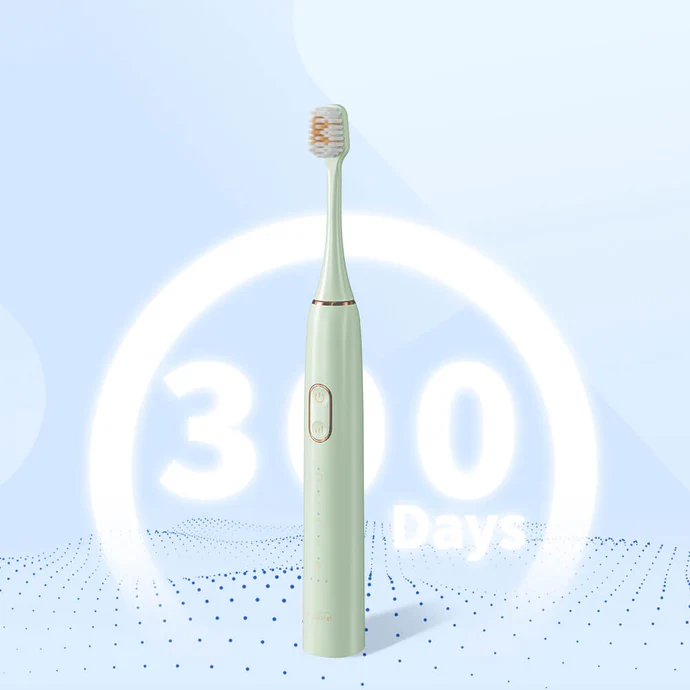
As electric toothbrushes become more advanced and widely adopted, ensuring durability and safety in every component—especially the charging port—has become a priority for both users and manufacturers. If the charging port is burned out, it not only affects product functionality but can also damage the brand’s reputation and increase returns. For brand owners, understanding the root causes and possible solutions for electric toothbrush charging issues is critical—not just for customer support but for improving upstream electric toothbrush manufacturing decisions.https://www.powsmart.com/about-powsmart/ In this article, we’ll explore what may cause a burned-out charging port, how to handle the situation, and what steps brand owners can take to improve product quality through better supplier partnerships. Identify the Problem: How Do You Know the Charging Port Is Burned Out? The first step is recognizing whether the electric toothbrush is burned out due to charging issues, or if the problem lies elsewhere. Common symptoms include: The device won’t charge despite using a working cable or base. Burn marks or a melted appearance around the charging port A burning smell from the charging area. The toothbrush heats up when plugged in. If these signs are present, it’s likely the charging port burned out, possibly due to voltage instability, water ingress,…
As demand for smart, high-performance oral care devices continues to grow, electric toothbrush brands are investing more in design, marketing, and features. Yet, one often-overlooked issue continues to affect customer satisfaction and warranty rates—electric toothbrush charging issues. Have you ever received customer complaints that their electric toothbrush burned out during charging? It's more common than you think—and often stems from poor charging design, incorrect usage instructions, or manufacturing flaws. In this blog, we’ll explore the root causes, share expert toothbrush charging cautions, and offer suggestions from factory insights to help your brand deliver reliable, long-lasting products. Common Reasons Why Electric Toothbrushes Burn Out Understanding the causes of toothbrush burnout helps both brands and OEM partners design safer, longer-lasting devices. Below are the main culprits: Over-voltage or incompatible charging adapters: Using a high-wattage phone charger or non-approved adapter can overload the circuit. Lack of overcharge protection: If the toothbrush’s PCB or battery lacks protective components, continuous charging can overheat and damage internal parts. Exposure to moisture during charging: Improper sealing design allows water ingress into the charging port or base, short-circuiting the internal system. Poor-quality components: Low-grade batteries or control boards, often used by unqualified manufacturers, can cause premature failure. Each of these reflects…
In the competitive landscape of oral hygiene, consumers are no longer satisfied with single-function products. Today’s market demands higher-value offerings that combine effectiveness, convenience, and premium appeal. This has led to a sharp increase in the popularity of oral care bundles, particularly Electric Toothbrush & Water Flosser Bundles. For oral care brands, understanding why these product sets outperform standalone items is critical when working with manufacturers to design competitive, scalable product lines. Meeting Consumer Expectations for Comprehensive Oral Care Modern consumers are increasingly informed and demand a more holistic approach to oral hygiene. A toothbrush alone doesn’t always satisfy the desire for a dentist-level clean at home. By bundling an electric toothbrush with a water flosser, brands offer a comprehensive oral care solution that addresses both tooth surface cleaning and interdental care. This bundling strategy directly meets consumer expectations, making it easier for them to commit to a complete routine. Higher Perceived Value = Better Sales Performance One of the main reasons Electric Toothbrush & Water Flosser Bundles sell better is their perceived value. When marketed as a premium package, the bundle appears to offer more for the money, even if the actual cost difference is small. This psychological advantage leads to:\n- Higher average order…
In the competitive oral care market, brand reputation and consumer trust hinge on the consistent quality of your products. For brands sourcing OEM or ODM services, particularly in the electric toothbrush sector, performing a manufacturing audit is not just best practice—it’s essential. Conducting a thorough factory assessment helps ensure that your manufacturing partner can meet product, compliance, and timeline expectations. This article outlines a structured approach to auditing factories and conducting effective supplier evaluations to guarantee Electric Toothbrush Manufacturer Quality. The Importance of a Manufacturing Audit A manufacturing audit is a comprehensive inspection of a potential or existing supplier’s operations, quality management systems, production capacity, and compliance. For electric toothbrush brands, a good audit will assess: Production consistency and capacity Process control from raw materials to final packaging Certifications such as ISO 9001, ISO 13485 (for medical-grade devices), or CE/FDA compliance Defect rates and internal quality control protocols A well-executed audit reduces your risk of delayed deliveries, product recalls, or brand damage due to subpar quality. Core Elements of a Factory Assessment An effective factory assessment typically includes the following components: Facility inspection: Evaluate cleanliness, workflow efficiency, and equipment conditions. Employee training and skill level: Skilled labor is critical in assembling high-precision devices like electric toothbrushes. Quality assurance systems: Check…
As global demand for smart and high-quality oral care products continues to grow, many brands are turning to OEM (Original Equipment Manufacturer) solutions to bring their electric toothbrush lines to market. Choosing the right OEM partner is critical—not only for meeting consumer expectations but also for ensuring Electric toothbrush quality manufacturing. This blog outlines the core OEM essentials every brand should consider before launching an electric toothbrush product through a manufacturing partner. Understanding the Basics: Electric Toothbrush Production Workflow Before entering into a partnership, it’s important for brands to understand the full electric toothbrush production lifecycle. From concept design to packaging, a typical OEM process involves: Product design and engineering: Including brush head ergonomics, vibration/motion systems, and waterproofing solutions. Prototype development: Function and safety testing using international standards. Mass production: Using automated lines and precision injection molding for consistency. Packaging and branding: Tailored to client requirements and regulatory labeling. Working with a manufacturer who can manage all stages efficiently ensures a seamless development cycle and reliable time-to-market delivery. Electric Toothbrush Manufacturing Essentials: What to Look for When assessing potential suppliers, these electric toothbrush manufacturing essentials should be at the top of your checklist: ISO-certified production facilitiesEnsure your partner complies with global standards (e.g., ISO…


.jpg)
.jpg)
.jpg)
.jpg)
.jpg)




.jpg)