In the world of electronic and electro-mechanical devices, two often-overlooked factors—Indicator Error and Seal Deterioration—can silently mislead users, resulting in improper operation, reduced product trust, and premature failure. For OEM and ODM manufacturers, understanding the interaction of these two failure modes is essential for improving user experience and maintaining product reliability. Surprisingly, these issues not only affect functionality but also influence customer perception and satisfaction.
Indicator Error refers to the failure or inaccuracy of status indicators—such as LEDs, display screens, or battery level indicators—which are designed to inform users of a device’s operational or charging state. When these indicators provide false or misleading information (e.g., showing full charge when the battery is low), users can make incorrect decisions such as overusing, undercharging, or mishandling the product.
Such errors often stem from sensor malfunction, aging components, firmware bugs, or environmental stress such as heat and moisture. In battery-powered or liquid-resistant products, these mistakes become more critical because they may mask internal problems like Seal Deterioration.
Seal Deterioration describes the gradual loss of effectiveness in gaskets, O-rings, adhesives, or molded joints that protect the device’s internals from water, dust, and other contaminants. This degradation occurs naturally over time due to material aging, mechanical stress, or exposure to heat and chemicals.
When seals weaken, moisture and debris can enter the internal chamber—potentially damaging electronics, sensors, or batteries—yet the outward appearance of the product remains unchanged. Worse, if the Indicator Error hides early warning signs such as leakage detection or humidity alerts, the user may remain unaware of the issue until a critical failure occurs.Company web: https://www.powsmart.com/product/electric-toothbrush/
While Indicator Error and Seal Deterioration may appear as separate problems, they often interact in ways that mislead users and accelerate device failure:
These combined failures can produce serious consequences in B2B products:
To prevent the damaging synergy of Indicator Error and Seal Deterioration, manufacturers should adopt a proactive, integrated design approach:
For B2B manufacturers, overlooking the hidden relationship between Indicator Error and Seal Deterioration can severely impact both device reliability and customer confidence. These seemingly minor faults can combine to mislead users, delay necessary maintenance, and cause costly failures in the field.
Through careful design, testing, and quality control, OEM and ODM partners can reduce this risk—ensuring devices remain both trustworthy and durable throughout their intended lifespan. In today’s highly competitive market, eliminating such subtle failure modes is a critical step toward building a reputation for excellence. Contact us
.jpg)
.jpg)

Does Children’s Cavity Prevention Brush Have App Connectivity Flaws?
.jpg)
How to Choose a Professional ultraviolet sterilized water flosser Manufacturer?

Why is an LED Whitening Lamp Critical for Activating an Accelerated Whitening Solution?
.jpg)
sonic electric toothbrush Mesa
.jpg)
Best Smart Toothbrush Features for Bulk Buyers: A Supplier’s Guide
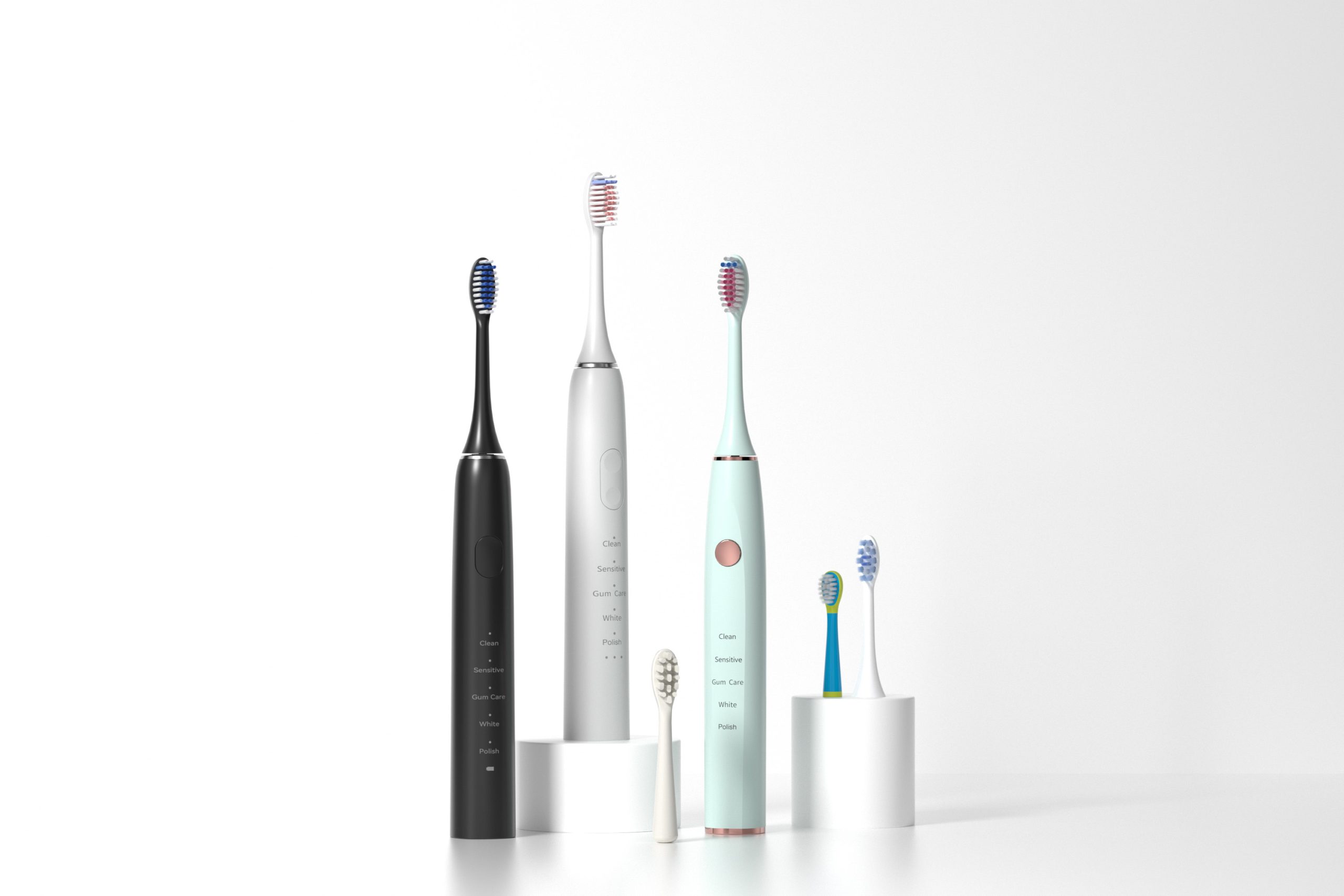
Does Gum Health Sonic Toothbrush Worsen Jaw Discomfort?
.jpg)
Home Use Teeth Whitening Device OEM for Global Oral Care Brands
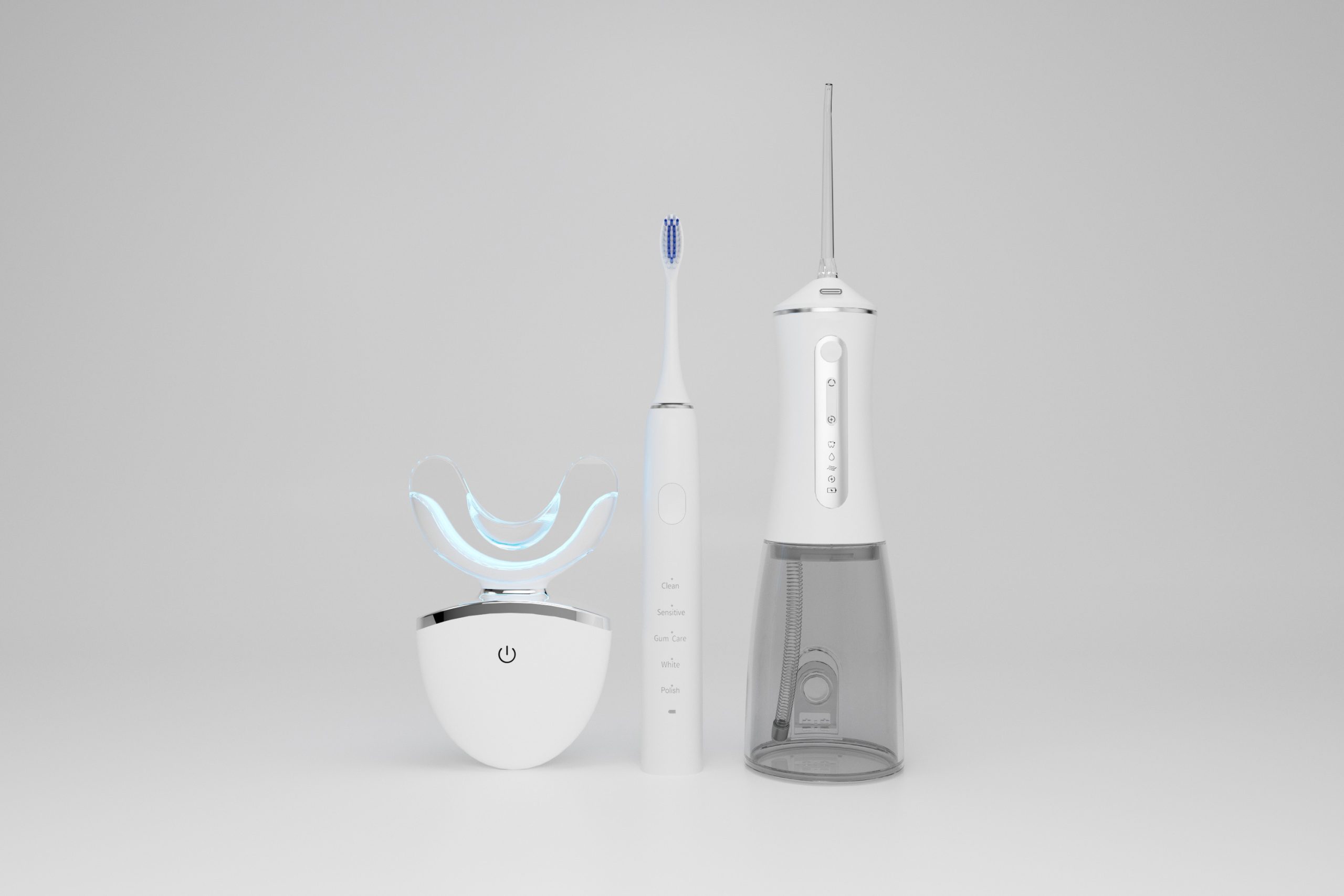
Wholesale Smart Electric Toothbrushes: Bulk Order Advantages
Why Does Poor Cleaning Leave Fiber Residue?
Oral Microbiome Impact from Color Relapse?
How Do Handle Cracking and Connector Corrosion Affect Device Lifespan?
Can Unstable Vibration Worsen Tooth Sensitivity?
Why Do Whitening Cycles Cause Efficacy Debates?
Why Do Efficacy Comparisons Focus on Bleach Breakdown?
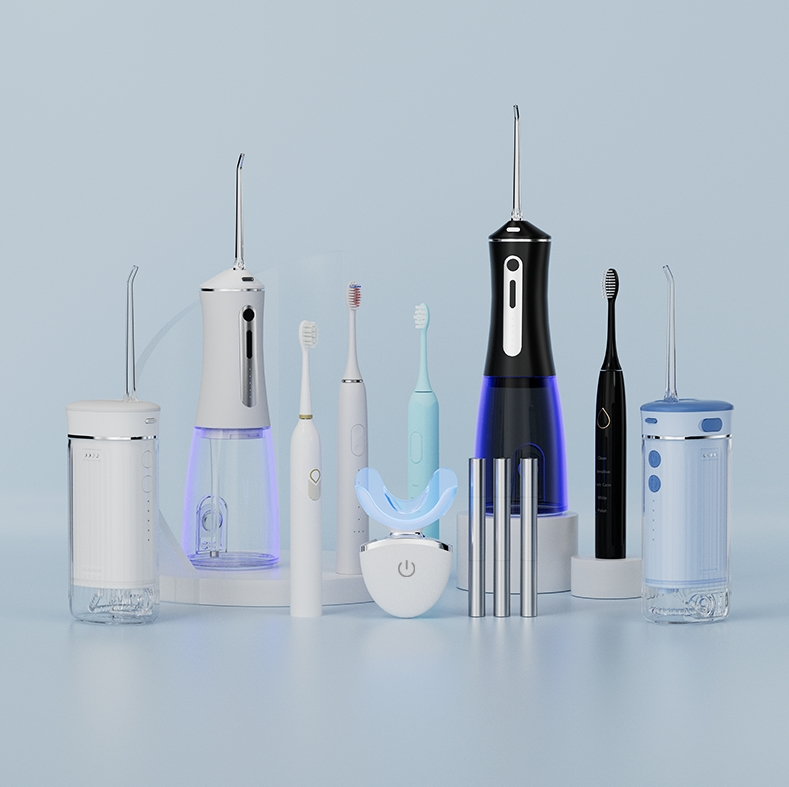
Smart Sonic Toothbrush Private Label: Complete OEM Services for Your Brand

Does Magnetic Levitation Toothbrush Experience Brush Shedding?


.jpg)
.jpg)
.jpg)
.jpg)
.jpg)




.jpg)