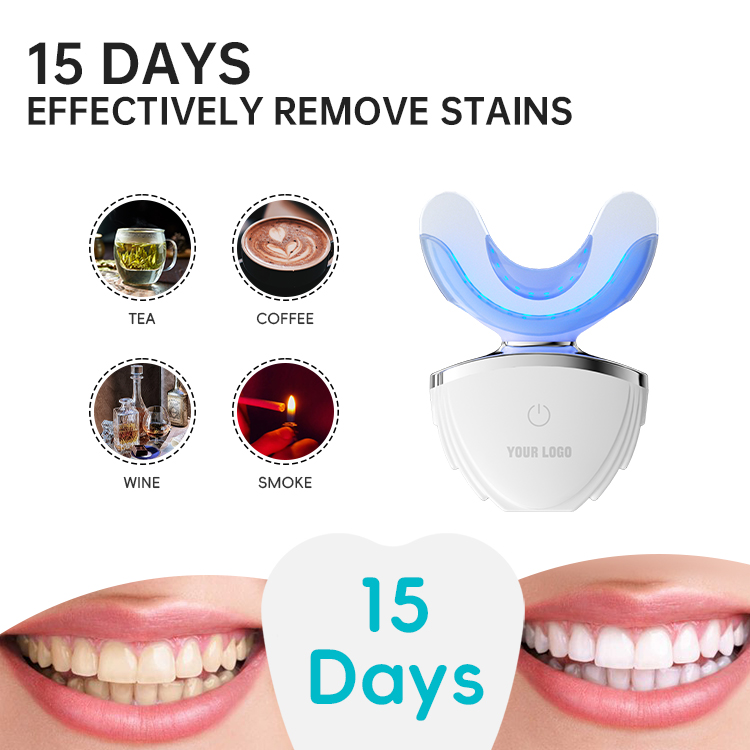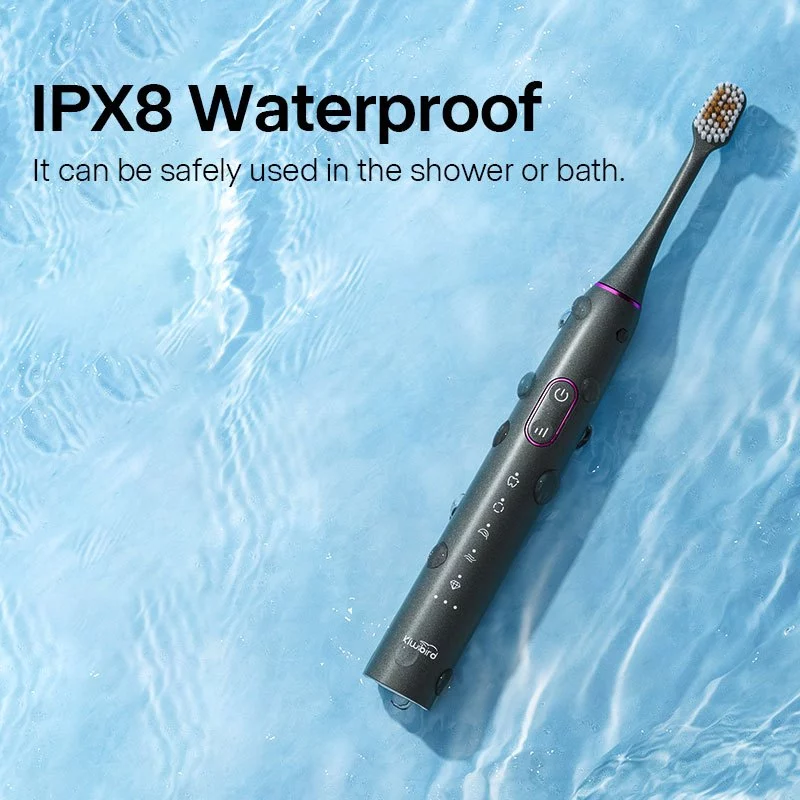
In today’s review-driven marketplace, common negative reviews of electric toothbrushes can directly affect brand reputation and sales performance. For any OEM or ODM electric toothbrush manufacturer, understanding the root causes of customer complaints and proactively solving them is not just important—it's essential. This article explores common quality issues, the most frequent negative feedback from end users, and how suppliers can implement effective solutions to quality issues of electric toothbrushes during product design and manufacturing stages. Weak Battery Life and Charging Failures User Complaint:“Battery dies too quickly” or “Won’t charge after a few weeks.” Common Quality Issue:Low-grade lithium batteries, poor charging port designs, or inadequate battery management systems. Supplier-Side Solution: Use high-quality, certified lithium batteries with tested charge cycles. Integrate intelligent battery management systems to prevent overcharging or deep discharge. Perform aging tests on power units during QC inspections. As a reliable electric toothbrush manufacturer, it’s critical to test battery systems under simulated daily use to avoid early failures. Motor Malfunction or Insufficient Vibration User Complaint:“Motor stopped working” or “Not strong enough to clean properly.” Common Quality Issue:Substandard motor components or poor assembly leading to motor disconnection or weak performance. Supplier-Side Solution: Source high-performance, durable micro motors from trusted suppliers. Reinforce internal motor…
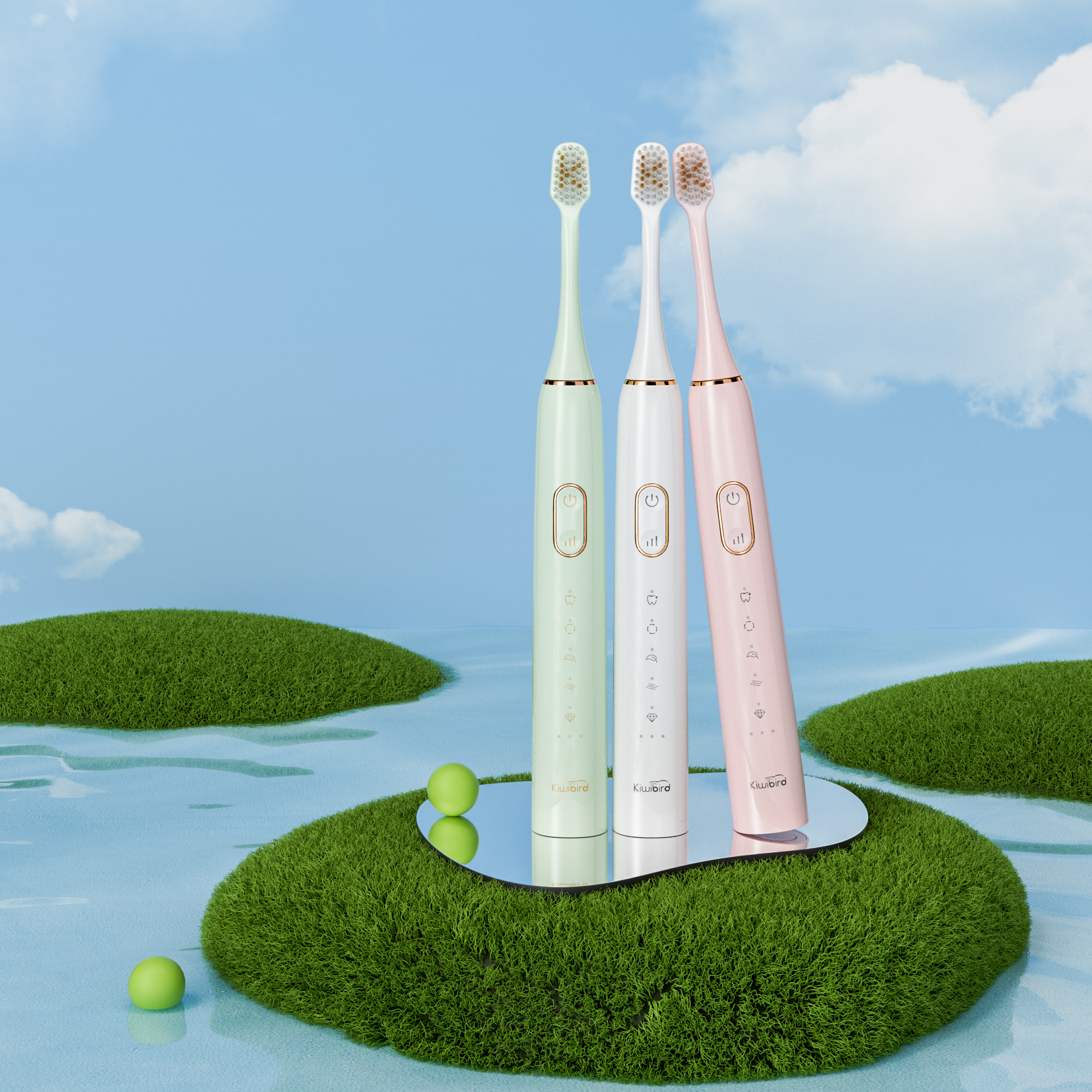
In today’s competitive oral care market, consumers expect more than just effective cleaning from their electric toothbrush—they expect convenience, reliability, and portability. A long endurance electric toothbrush has emerged as a powerful selling point, helping brands differentiate their products in crowded retail and e-commerce spaces. For B2B clients such as retailers, importers, and private label brands, partnering with a forward-thinking electric toothbrush manufacturer that prioritizes battery endurance can result in stronger market appeal and higher customer satisfaction. Consumer Lifestyle Demands: The Need for Less Frequent Charging Modern consumers lead busy, mobile lifestyles. They prefer devices that can keep up with their pace. A long-lasting electric toothbrush typically offers: Up to 30–60 days of use on a single charge Hassle-free morning routines without daily recharging Peace of mind during travel or outdoor use This benefit strongly resonates with end users and increases perceived value, especially in premium and mid-range markets. Lithium Battery Technology: Powering Endurance and Efficiency At the heart of every long-endurance toothbrush is advanced lithium battery technology. Compared to traditional NiMH batteries, lithium batteries offer: Higher energy density Faster charging time Longer lifespan Lightweight design Professional electric toothbrush manufacturers increasingly use lithium-ion or lithium-polymer cells to power high-performance, compact devices that meet today’s…
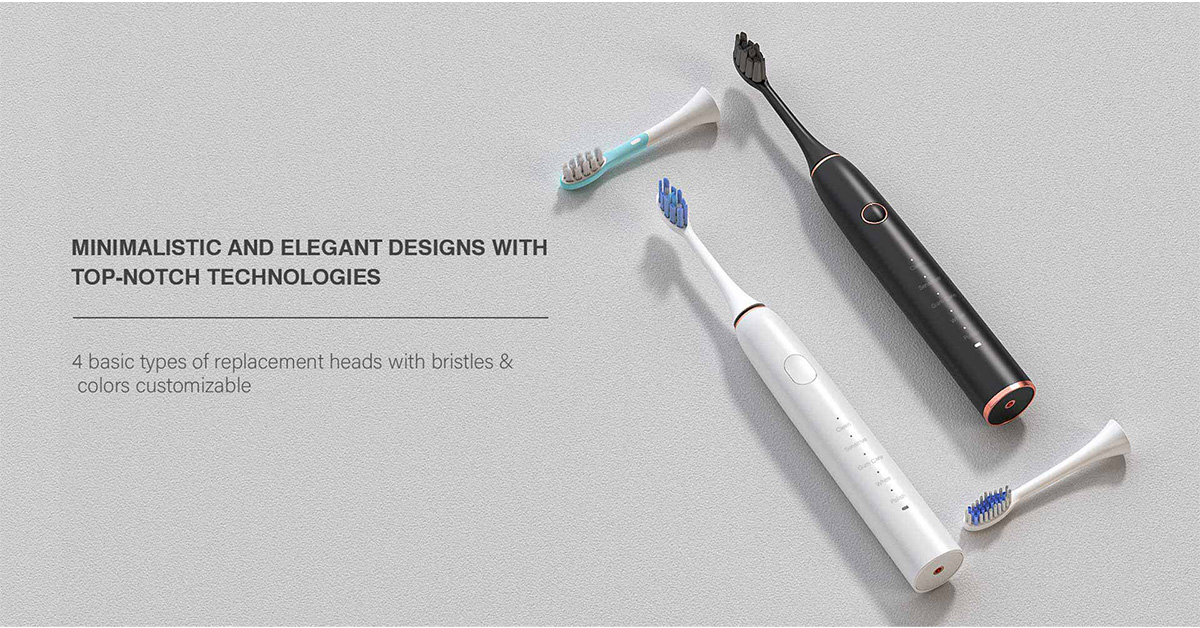
For electric toothbrush brands and OEM partners, improving customer lifetime value is critical. One effective strategy is optimizing the brush head + toothbrush handle adaptation structure to encourage repeat purchases. A smart design approach not only enhances usability and satisfaction, but also opens the door to recurring revenue through replaceable parts, especially brush heads. In this blog, we explore how thoughtful engineering and product planning—aligned with sustainability and market trends—can help electric toothbrush manufacturers increase repurchase rate. The Power of Modular Design: Making Repurchase Easy A modular accessory design that allows users to easily detach and replace the brush head is fundamental. Key considerations include: Universal fit systems across product lines Durable locking mechanisms that are user-friendly Stable electrical connections for sonic or oscillating performance By simplifying replacement, manufacturers lower the barrier for consumers to repurchase brush heads regularly—either individually or through a brush head subscription service. Replaceable Parts = Sustainable Strategy Modern consumers are increasingly eco-conscious. Offering replaceable parts, such as interchangeable brush heads, supports sustainability in product design. Instead of discarding an entire device, users can extend product life by only replacing worn-out components. This approach positions your brand as environmentally responsible, which enhances customer loyalty and aligns with global ESG trends—especially important…
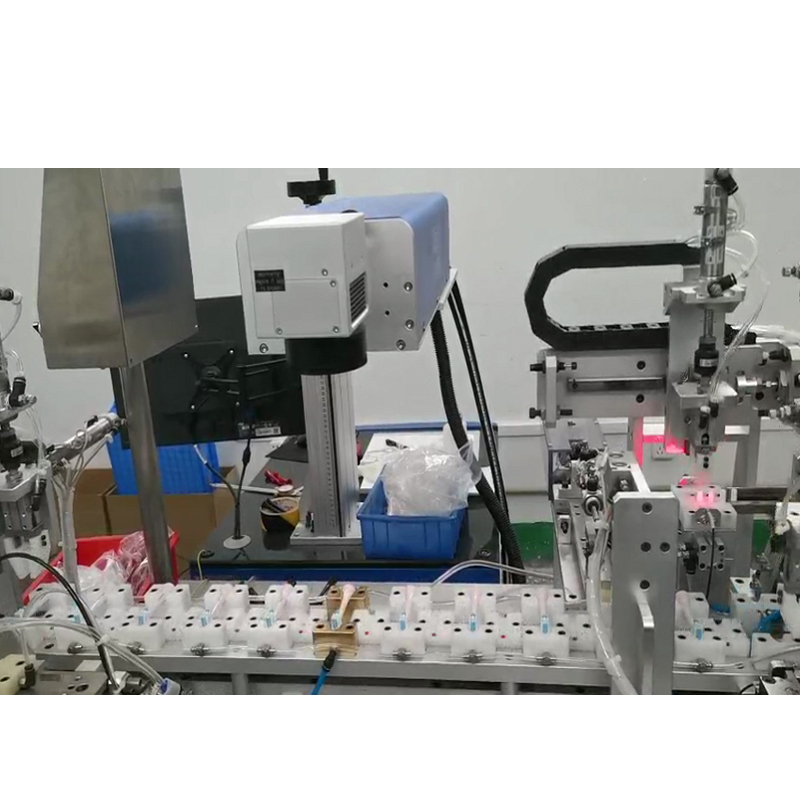
In today's competitive oral care market, product performance is no longer the only driver of consumer preference—appearance now plays a vital role. Consumers are increasingly drawn to products that are not only functional but also visually striking. This is especially true in personal care electronics such as electric toothbrushes. For manufacturers, adopting gradient color technology through injection molding offers a powerful way to improve attractiveness of electric toothbrushes that resonates with modern consumers and stands out on retail shelves. What Is Gradient Color Injection Molding Technology? Gradient color technology is a specialized plastic injection molding process that allows multiple color tones to blend seamlessly into one another on a single molded part. Unlike traditional single-color molding, this technique: Enables smooth color transitions (e.g., blue to white, pink to purple) Creates a premium, dynamic look without painting or secondary processing Offers long-lasting, scratch-resistant finishes directly out of the mold This innovative technology for electric toothbrushes not only enhances aesthetics but also increases manufacturing efficiency. Boosting Product Appeal Through Visual Marketing Visual marketing is a crucial part of selling consumer electronics. In retail environments and online platforms, buyers often make split-second decisions based on product appearance. Gradient color finishes offer several benefits: Striking shelf presence: Unique…
.jpg)
Many of our channel partners have reported battery corrosion issues and charging base failure in their electric toothbrush lines—compromising reliability and increasing warranty costs. In this article, we’ll explore six underlying causes and best-practice solutions to help B2B manufacturers design more robust products and reduce after-sales headaches. Moisture Ingress and IP Rating Shortcomings First, inadequate sealing often lets water or condensation enter the handle: Low IP Protection: Devices rated only IPX4 may resist splashes but fail under submersion or steam. Capillary Action: Microscopic gaps around buttons or seams draw in moisture over repeated rinsing. Corrosive Environment: Salty saliva and toothpaste residues accelerate metal oxidation inside the battery compartment. Solution: Upgrade to at least IPX7-rated enclosures, implement lab-tested gasket seals around all openings, and design overmolded button assemblies to eliminate crevices. Battery Pack Design and Protective Coatings Next, the choice and treatment of cells directly affect corrosion resistance: Uncoated Cells: Standard Li-ion or NiMH cells without conformal coating are vulnerable to electrolyte leaks and surface rust. Poor Venting: Sealed packs with no pressure relief can crack seals when gases build up, allowing moisture in. Material Compatibility: Solder tabs and welds exposed to water degrade faster if they’re not tin-plated or gold-flash…
In the fiercely competitive market for electric toothbrushes, mastering self-developed motors technology not only boosts product performance but also significantly reduces procurement costs and supply-chain risks. For B2B manufacturers, in-house motor development represents core differentiation—delivering higher brand value and customer loyalty. Enhanced Performance: Precision Control & Energy Efficiency First, a self-developed motor can be custom-tuned to match brush head design and vibration modes: Amplitude & Frequency Optimization: Tailor winding and magnetic circuit to maximize plaque removal in sonic or oscillation modes. Intelligent Power Management: Built-in drive algorithms maintain cleaning power even at lower RPMs, greatly extending battery life. Noise Reduction: Refine gears and bearings for quieter operation, improving user comfort. These performance gains let manufacturers highlight their motor’s superiority in technical datasheets. Lower Costs: Autonomous, Resilient Supply Chain Next, in-house motors strengthen supply-chain resilience: Localized Components: Produce key parts—magnets, housings, rotors—internally, reducing reliance on imported subassemblies. Economies of Scale: High-volume production drives down per-unit motor cost, boosting overall gross margins. Rapid Iteration: Internal R&D cycles eliminate external lead times, speeding innovations from prototype to market. Cost advantages enable B2B partners to offer more competitive pricing and faster delivery.Company web:https://www.powsmart.com/product/electric-toothbrush/ Quality Assurance: Traceability & Durability Moreover, self-developed motors allow end-to-end quality…
When selecting a high-quality electric toothbrush, the design and performance of the bristles are critical—they directly impact plaque removal and gum health. Below are six key factors for B2B partners to consider when specifying premium bristle solutions. Material Selection: Nylon vs. Advanced Polymer Fibers First, common bristle materials include nylon (e.g., DuPont Tynex™) and emerging polymer composites: Nylon Bristles offer excellent flexibility and abrasion resistance at a controllable cost for mass production. Advanced Polymer Fibers (such as PBT or PLA blends) combine heat resistance, antimicrobial properties, and biodegradability. Recommendation: Offer both options in your product lineup to meet entry-level and premium market needs. Material differentiation empowers B2B manufacturers with versatile customization. Hardness Ratings: Soft, Medium, and Firm Bristles Next, bristle stiffness directly affects comfort and cleaning efficacy: Soft Bristles: Ideal for sensitive gums and post-treatment patients to minimize mechanical irritation. Medium Bristles: The everyday standard—balanced cleaning power and comfort. Firm Bristles: Best for heavy stains, used with low-speed modes and shorter session durations. Recommendation: Provide mixed-stiffness brush heads and synchronize with brush modes for all-in-one versatility. Layered hardness options ensure you cover diverse user requirements.Company web:https://www.powsmart.com/product/electric-toothbrush/ Filament Diameter & Density: Precision Coverage Bristle thickness and density determine how well the…

Relieve Tooth sensitivity is a widespread oral health issue that affects millions globally, often triggered by cold, heat, sweetness, or even brushing. Many consumers don’t realize that using the wrong toothbrush can worsen the problem. In fact, manual brushing with excessive force is one of the most common causes of enamel wear and gum recession—two major contributors to tooth sensitivity. As a professional electric toothbrush factory, we often receive inquiries about whether an electric toothbrush can help relieve tooth sensitivity. The answer is yes—if the right design and technology are applied. How Can Electric Toothbrushes Help Relieve Tooth Sensitivity? Modern electric toothbrushes are equipped with features that specifically aim to address sensitive teeth: Pressure SensorsBuilt-in sensors automatically reduce brushing intensity when too much force is applied, helping protect delicate enamel and gums. Soft Bristle OptionsElectric toothbrushes designed for sensitive teeth use ultra-soft bristles that clean effectively without abrasion, reducing discomfort during brushing. Gentle Cleaning ModesMany models include modes such as “Sensitive” or “Gum Care,” providing low-frequency vibrations to ensure a soothing yet thorough clean. Consistent Brushing PerformanceUnlike manual brushes that vary with user technique, electric toothbrushes offer consistent cleaning action that minimizes the risk of over-brushing. These combined features demonstrate…
In the era of intelligent oral care, users expect more than just mechanical brushing—the core measures of a truly smart plaque-fighting brush are Cavity Prevention features and seamless Smart App Integration. In the following six sections, we’ll dive into how an advanced electric toothbrush combines hardware, software, and data to deliver precise, efficient plaque removal. Intelligent Drive: Precision Plaque Removal via Multi-Sensor Feedback Traditional brushing patterns can miss “blind spots,” but an intelligent drive system uses multiple sensors to guide cleaning: Pressure Sensors monitor bristle force against teeth, preventing enamel damage from over-brushing. Angle Sensors detect brush-head tilt to ensure consistent coverage of interdental and posterior surfaces. Acoustic Sensors analyze vibration frequencies and dynamically adjust pulse intensity for more effective plaque disruption. This multi-sensor feedback ensures the brush targets and removes plaque “pinpointedly,” boosting overall cleaning performance. Smart Connectivity: Engaging Users with Smart App Integration Next, Smart App Integration bridges the brush and mobile device for an enhanced experience: Real-Time Brushing Data: Duration, pressure, and coverage metrics are synced to the app in visual reports. Personalized Alerts: If you brush too long in one spot or skip an area, the app issues haptic or audio reminders. Remote Coaching: Dental professionals…
When toothbrush battery life dwindles, brush performance can become inconsistent—and consequently users may press harder or scrub longer, inadvertently increasing gum recession risk. In this article, we explore how declining battery power affects cleaning efficacy, user behavior, and ultimately soft-tissue health, and we offer actionable recommendations for B2B partners designing the next generation of oral-care devices. Consistent Power and Bristle Amplitude First and foremost, a full battery ensures the motor delivers its rated amplitude and frequency throughout each brushing session. Stable bristle motion is critical to: Effective plaque removal: Sufficient oscillation breaks up biofilm without excessive force. Uniform cleaning: Consistent torque prevents stalling in high-resistance areas (e.g., back molars). User confidence: Knowing the brush will perform at full power encourages proper technique. By contrast, voltage sag towards end-of-charge can reduce bristle amplitude, undermining these benefits. User Compensation and Technique Drift Moreover, when users sense a drop in vibration—due to low battery—they often compensate by increasing pressure or brushing time. This behavior leads to: Excessive force application: To “feel” the brush working, users press harder against their gums. Extended sessions: Trying to make up for weaker scrubbing, users brush longer, fatiguing soft tissue. Irregular motion patterns: Inconsistent feedback can disrupt the…
In today’s competitive oral care market, manufacturers must ensure that every electric toothbrush production process is standardized, efficient, and meets high-quality requirements. This article presents a full overview of the production process diagram, from injection molding to final assembly, highlighting injection molding process standards, assembly process specifications, and the key points for quality inspection necessary to guarantee superior product performance. Injection Molding – The Foundation of Precision The first critical step in the electric toothbrush production process is injection molding. High-quality shell and component manufacturing rely on strict injection molding process standards, including: Precise temperature and pressure control to prevent defects like shrinkage or warping Material selection (commonly medical-grade ABS, PP, or TPE) for durability and aesthetics Mold maintenance and polishing to ensure smooth finishes Adhering to consistent injection molding process standards is vital for ensuring a strong and attractive product base. Component Preparation – Quality Starts from Parts After molding, key components including motor units, battery packs, PCBs, and sealing gaskets. Every component must: Pass functional pre-tests (e.g., battery charging cycles, motor rotation tests) Be cleaned and anti-static protected before entering the assembly area Match design tolerances exactly to fit into the production line seamlessly Meticulous preparation at this stage helps maintain consistency throughout…
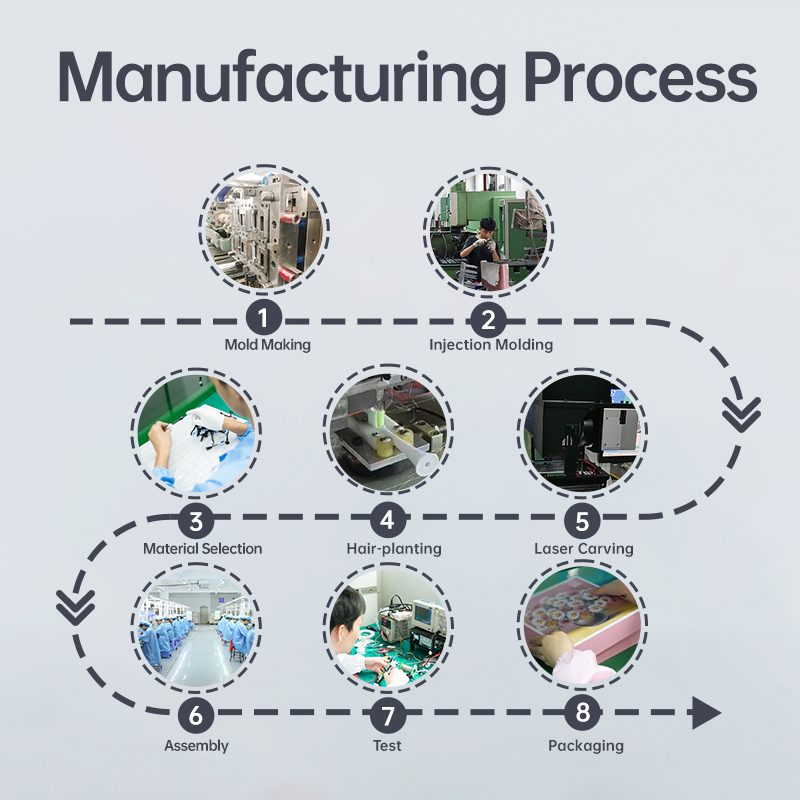
In the competitive oral care market, electric toothbrush manufacturers must deliver consistent product quality while managing potential risks effectively. One of the most crucial ways to ensure product reliability is through a robust traceability of electric toothbrushes. Especially for key components like motors and the waterproof casing, strict control through motor calibration standards and a detailed waterproof test process is vital. Together with proper quality inspection record archiving, these measures help maintain brand reputation and significantly contribute to product recall prevention. Motor Calibration: Setting and Managing High Standards The motor is the heart of any electric toothbrush, directly impacting performance, user experience, and product life. Adhering to precise motor calibration standards ensures that each unit operates within specified parameters, including: Rotational speed (RPM) consistency Vibration strength within optimal ranges Noise level control to enhance comfort During production, every motor undergoes calibration using specialized testing equipment. Detailed calibration data are recorded in the production traceability system, linking each motor to its corresponding toothbrush serial number. This practice guarantees that any deviation can be traced back instantly. Waterproof Testing: Safeguarding Daily Use Reliability Daily exposure to water makes the waterproof test process critical for electric toothbrushes. The standard testing procedures typically include: IPX7 or IPX8 level testing (depending on product…

In the electric toothbrush OEM business, controlling production costs is crucial to staying competitive. Among various expenses, mold cost is often one of the highest upfront investments. Many manufacturers have developed an electric toothbrush mold library, offering ready-made solutions that significantly shorten the mold opening cycle and reduce costs. But exactly how much money can be saved by using an existing mold? Let's dive deeper. What is an Electric Toothbrush Mold Library? An electric toothbrush mold library is a collection of pre-existing injection molds covering various designs of toothbrush handles, brush heads, and chargers. These molds are production-ready and meet common industry standards. By leveraging these existing resources, OEM clients can: Avoid the lengthy and costly mold development process Accelerate time-to-market Reduce risks associated with new product tooling Mold Opening Cycle vs. Ready-Made Mold Modification Typically, creating a new mold (from design to production) involves a mold opening cycle of 45 to 90 days, depending on complexity. This timeline includes: Industrial design and structural optimization Mold fabrication and testing Correction and final approval In contrast, using ready-made mold modification (such as minor logo engraving, color changes, or slight structure adjustments) can be completed within 2 to 4 weeks — drastically reducing project lead time. Cost Savings Breakdown:…
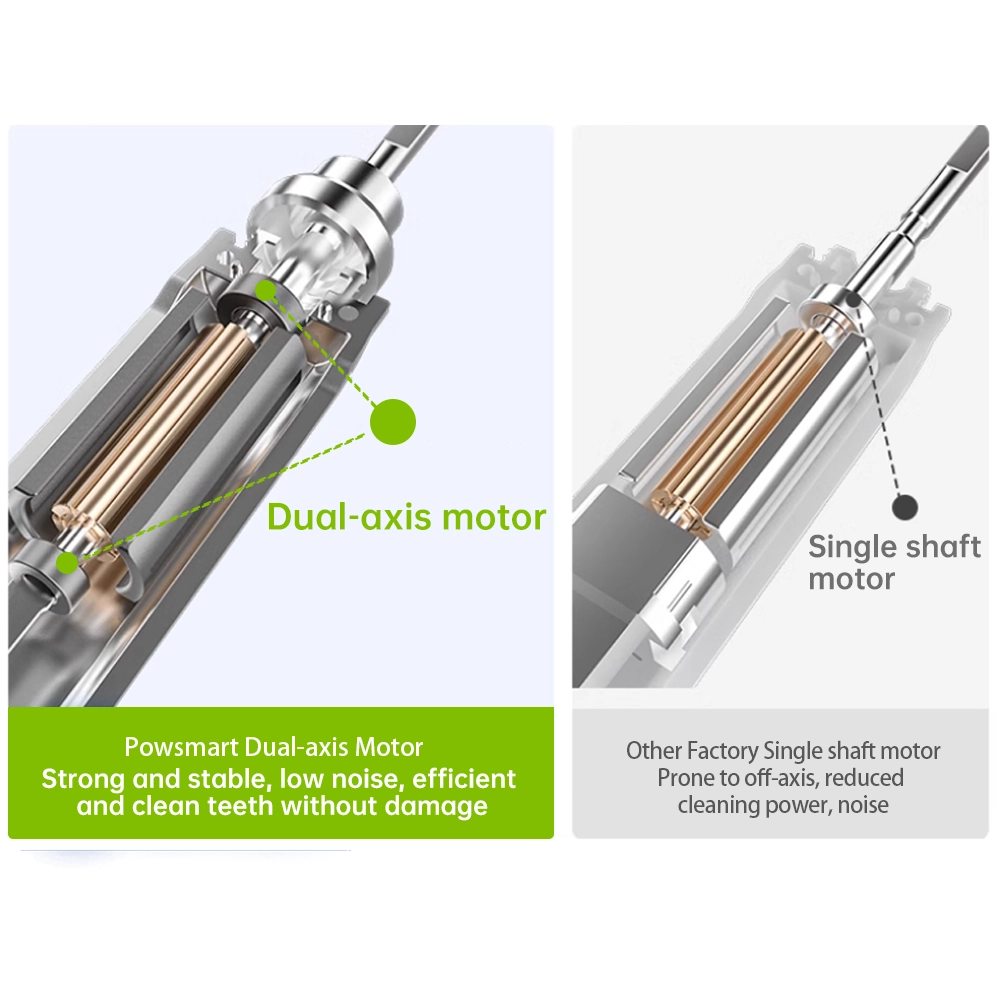
When it comes to the performance of an electric toothbrush, the motor is arguably the most important component. The motor's design and functionality directly impact factors such as vibrational frequency, torque stability, and overall user experience. In this blog, we’ll explore how the motor of an electric toothbrush affects product performance, with a particular focus on key elements like noise control, power efficiency, and durability. https://www.powsmart.com/about-powsmart/ Vibrational Frequency: How It Impacts Cleaning Efficiency One of the primary factors influenced by the motor is the vibrational frequency. The motor determines the speed at which the brush head oscillates or rotates, and this directly impacts cleaning effectiveness. Higher vibrational frequencies: Lead to more effective plaque removal and deeper cleaning, particularly in hard-to-reach areas of the mouth. Lower vibrational frequencies: Can provide a gentler brushing experience, which is beneficial for users with sensitive gums or teeth. The ability to fine-tune the vibrational frequency allows manufacturers to cater to different user needs while maintaining optimal cleaning efficiency. Torque Stability: Ensuring Consistent Performance Over Time Another important factor influenced by the motor is torque stability. Torque refers to the rotational force the motor generates to drive the brush head. The stability of this torque is critical…
In today’s era of intelligent oral care, mere motor vibration or simple brush‑head replacement reminders are no longer sufficient. A truly “smart brush” must leverage Smart App Integration for seamless data exchange and employ Hygiene Monitoring to assess users’ oral health in real time. In the following six sections, we’ll explore how an electric toothbrush can be hardcore upgraded to meet B2B partners’ dual demands for “smarts” and “health.” Seamless Connectivity: Building Smart App Integration First, the way the brush handle connects to phones or tablets defines the user experience: Low‑Energy Bluetooth (BLE) Stability: Ensures a reliable link even in humid bathroom environments. Cross‑Platform Support: Provides SDKs for iOS, Android, and specialized devices, so you can tailor the experience to different markets. Bidirectional Data Exchange: Not only uploads brushing duration, frequency, and pressure data, but also receives firmware updates and personalized cleaning routines from the cloud. This is true Smart App Integration, turning your brush into an endpoint in the user’s overall oral‑health ecosystem. Real‑World Hygiene Monitoring Features Next, Hygiene Monitoring goes far beyond counting brushing sessions, using multi‑sensor analysis to deliver meaningful insights: Pressure Sensors detect overzealous brushing, preventing enamel erosion. Accelerometers track brush‑head motion patterns, alerting users to…
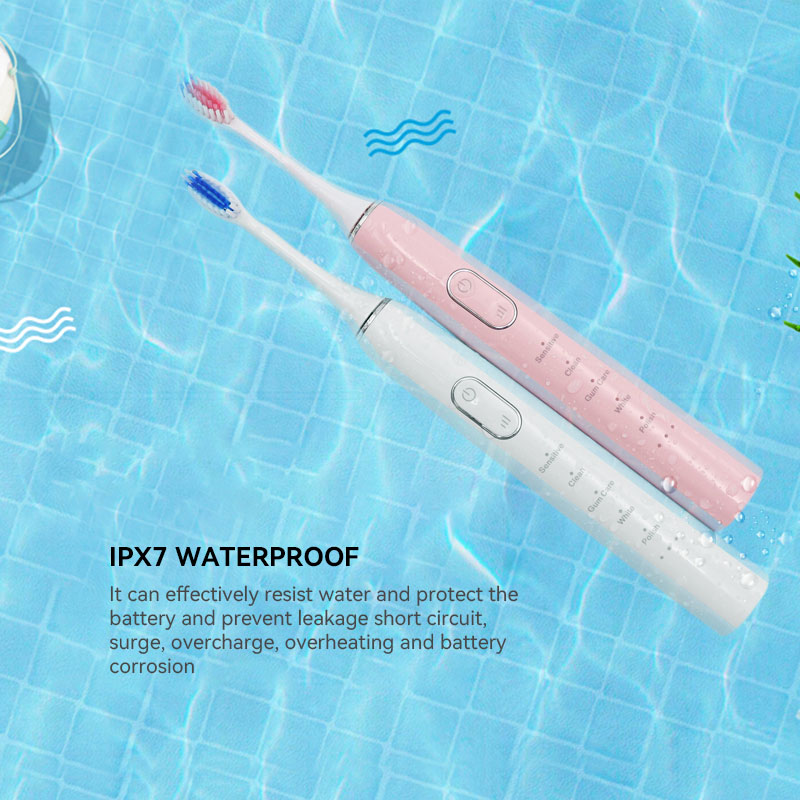
Waterproofing is a crucial feature for electric toothbrushes, especially considering their regular exposure to water. As these devices are used in wet environments like bathrooms, ensuring waterproof levels is vital to both their performance and longevity. In this blog, we’ll explore the different waterproof level of electric toothbrushes, specifically focusing on IPX6 waterproof, IPX7 waterproof, and IPX8 waterproof ratings, and discuss how these ratings impact the user experience and the manufacturing process. https://www.powsmart.com/product/electric-toothbrush/ Understanding the Waterproof Rating System: What Do IPX Numbers Mean? The waterproof level of electric toothbrushes is usually determined using the IP (Ingress Protection) rating system, which measures the device’s resistance to water and dust. The IP code consists of two digits: the first digit represents protection against solids (like dust), while the second digit represents protection against liquids. For electric toothbrushes, the key focus is typically the second digit. Below is an overview of the waterproof levels: IPX6 Waterproof: Protection against powerful water jets. IPX7 Waterproof: Protection against immersion in water up to 1 meter for 30 minutes. IPX8 Waterproof: Protection against continuous immersion in water, typically at depths greater than 1 meter, depending on the manufacturer’s specifications. Understanding these levels helps manufacturers and consumers determine the most suitable waterproof…
With the rise of smart oral care devices, battery life has become a top priority for users. However, Brush Head Wear and Battery Degradation often combine to shorten run time—many brushes struggle to last the advertised two‑week charge. In this article, we analyze six key factors behind rapid power loss and recommend practical design improvements and maintenance tips to keep your toothbrush running longer. Market Expectations and Power Challenges First, today’s consumers expect a single charge to cover at least two weeks of twice‑daily brushing. At the same time, manufacturers are pressured to deliver smaller, sleeker designs, which limit battery size. Consequently, devices must balance compact form factors with the demands of Brush Head Wear and inevitable Battery Degradation over time—both of which sap run time if left unaddressed. How Brush Head Wear Increases Motor Load Next, worn bristles directly drive up energy consumption. As brush heads age: Increased Friction: Frayed or splayed bristles no longer glide smoothly, forcing the motor to work harder. Higher Current Draw: To maintain vibration amplitude against greater resistance, the drive electronics deliver more current per cycle. Heat Build‑Up: Elevated motor load generates extra heat, which accelerates the chemical reactions that cause Battery Degradation. In…
Aggressive brushing techniques combined with improper Bristle Hardness can contribute to Gum Recession, even when users think they’re improving oral hygiene. In fact, a toothbrush that’s too stiff or poorly designed may abrade the delicate gum margin over time. Consequently, manufacturers must understand the interplay between brush design, materials, and brushing behavior to safeguard patients’ periodontal health. The Growing Demand for Gentle Yet Effective Cleaning First and foremost, today’s dental professionals and end users expect electric toothbrushes to deliver superior plaque removal without harming soft tissues. As gum health gains prominence in preventative care, the market demands brush heads that balance cleaning power with gentleness. Therefore, selecting the correct Bristle Hardness and head pattern is critical to prevent inadvertent abrasion while still achieving clinically proven results. Anatomy of the Gingival Margin and Damage Mechanisms Moreover, the gingival margin—the tiny band of tissue at the tooth‑gum interface—is particularly susceptible to mechanical trauma. Repeated scratching or compression can disrupt the epithelial attachment, leading to Gum Recession. In addition, exposed dentin increases sensitivity and caries risk. Understanding this anatomy helps designers engineer toothbrushes that minimize lateral forces against the sulcus. How Bristle Hardness Influences Gingival Abrasion Furthermore, studies show that medium‑ or hard‑bristled…
In children’s oral care, an excessive noise level can startle little ones, undermine brushing habits, and even pose risks to child safety by affecting delicate hearing. Therefore, as B2B manufacturers, we must understand noise sources, comply with pediatric hearing guidelines, and optimize designs to deliver brushes that are both quiet and safe. Why Noise Control Is Crucial for Kids High noise levels can lead to: Fear and Resistance: Harsh buzzing discourages children from brushing, disrupting healthy routines. Hearing Disturbance: Prolonged exposure to elevated decibels in close proximity may affect a child’s auditory development. Shortened Brushing Time: Kids rush through brushing to escape the noise, compromising cleaning effectiveness. Balancing quiet operation with effective cleaning is key to both user comfort and child safety. Pinpointing Noise Sources: Motor to Housing Major contributors to a noisy kids’ toothbrush include: Drive Motor: Rotor resonance and gear meshing generate mechanical noise. Gears & Bearings: Inexpensive plastic gears or unlubricated bearings amplify squeaks and grinding sounds. Brush Head Vibration: Bristle contact with teeth produces additional sound. Housing Resonance: A thin plastic or metal shell can amplify internal vibrations if not properly damped. Effective noise reduction must address each of these areas.Company web:https://www.powsmart.com/product/electric-toothbrush/ Measuring & Evaluating Decibel…
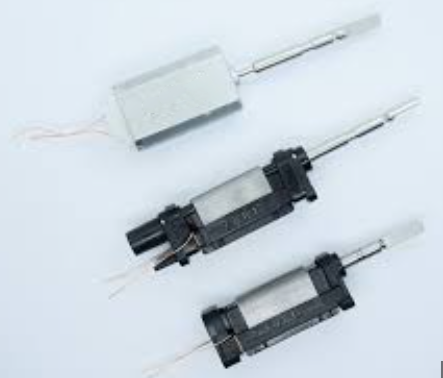
When it comes to the performance of sonic toothbrushes, the motor is arguably the most critical component. The motor determines the brushing efficiency, the feel of the brushing experience, and even the durability of the toothbrush. Among the most common motor technologies used today are Magnetic Levitation Motors and Traditional Motors. This article delves into the key differences between Magnetic Levitation Motors and Traditional Motors, and how they impact the overall performance of electric toothbrushes. https://www.powsmart.com/ Magnetic Levitation Motors: The Future of Sonic Toothbrushes Magnetic Levitation Motors have emerged as a cutting-edge technology in the sonic toothbrush industry, offering several advantages over traditional motor designs: Higher Efficiency: The absence of physical contact between moving parts reduces friction, leading to lower energy consumption and longer battery life. Quieter Operation: Magnetic levitation reduces vibrations, making the motor run more quietly, which is a key feature for consumers who prefer a quieter brushing experience. Increased Durability: With fewer moving parts, magnetic levitation motors are less prone to wear and tear, extending the lifespan of the toothbrush. Smoother Brushing Motion: The levitation effect enables a more consistent and powerful brushing motion, delivering superior plaque removal. As electric toothbrush private label services increasingly focus on innovation and premium performance, integrating…


.jpg)
.jpg)
.jpg)
.jpg)
.jpg)





.jpg)
.jpg)