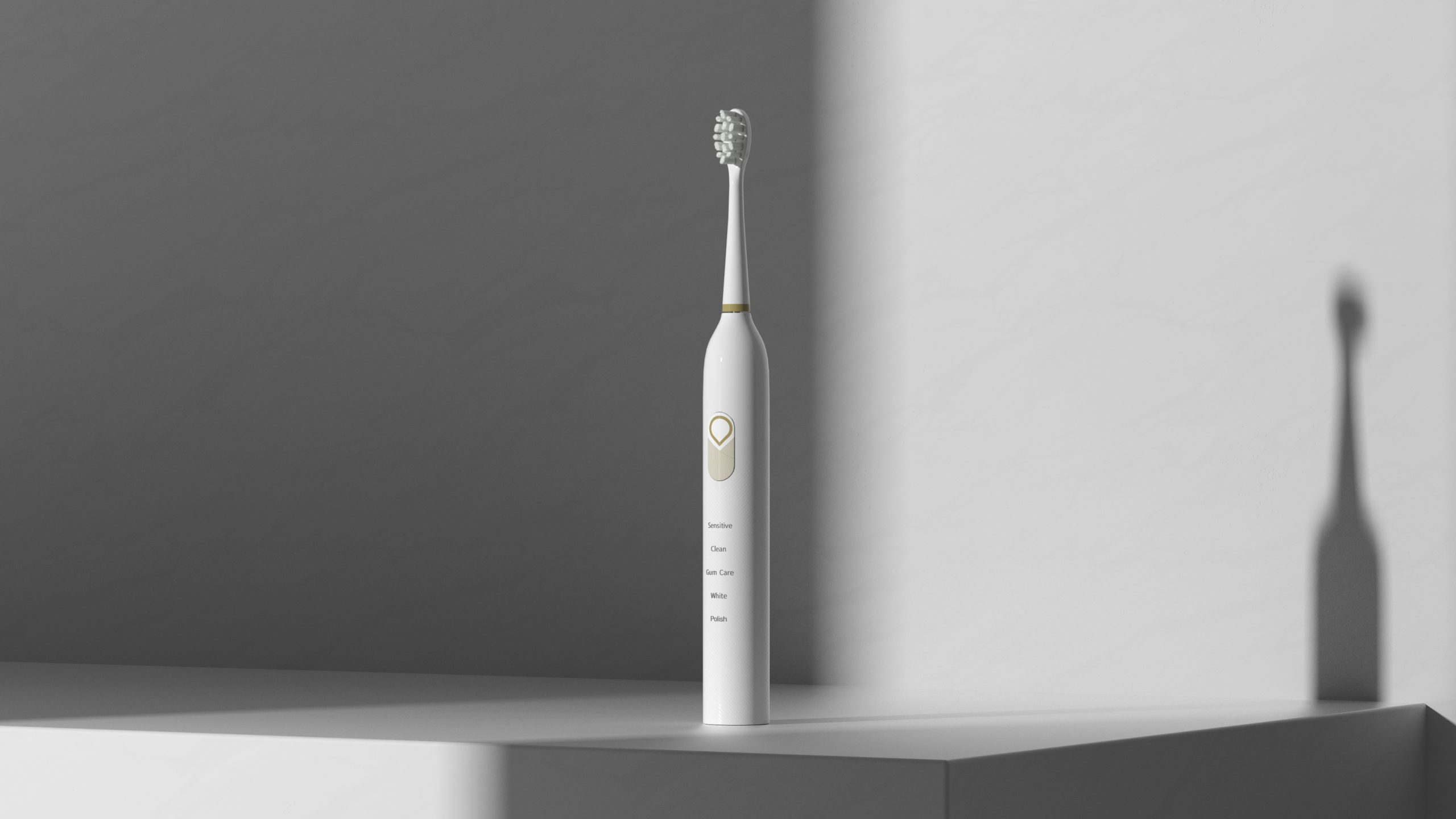
The electric toothbrush market is growing rapidly, and consumers are demanding not only high-performance devices but also aesthetically pleasing and durable designs. As manufacturers, finding the right balance between aesthetics and durability in electric toothbrush precision mold manufacturing is crucial. This blog explores how to achieve high-quality electric toothbrush handle shell customization, the best material choices like ABS/PP material, and how industrial design support plays a key role in developing innovative, durable, and visually appealing products. Material Selection: ABS vs. PP for Electric Toothbrush Shells Choosing the right material is the foundation of manufacturing durable and aesthetically pleasing toothbrush shells. ABS (Acrylonitrile Butadiene Styrene): High impact resistance and durability Smooth surface finish, ideal for premium design Excellent mechanical strength for long-term use PP (Polypropylene): Lightweight and resistant to moisture High flexibility and chemical resistance Cost-effective for large-scale production By selecting the appropriate ABS/PP material, manufacturers can ensure that the electric toothbrush shell meets both design and durability requirements. Precision Molding: Ensuring Consistency and Quality Electric toothbrush precision mold technology is essential for achieving high-quality production. The precision molding process ensures: Consistency in design: Every toothbrush handle shell must have a uniform shape and finish. Minimized defects: Advanced molding techniques reduce warping, shrinkage, and surface…
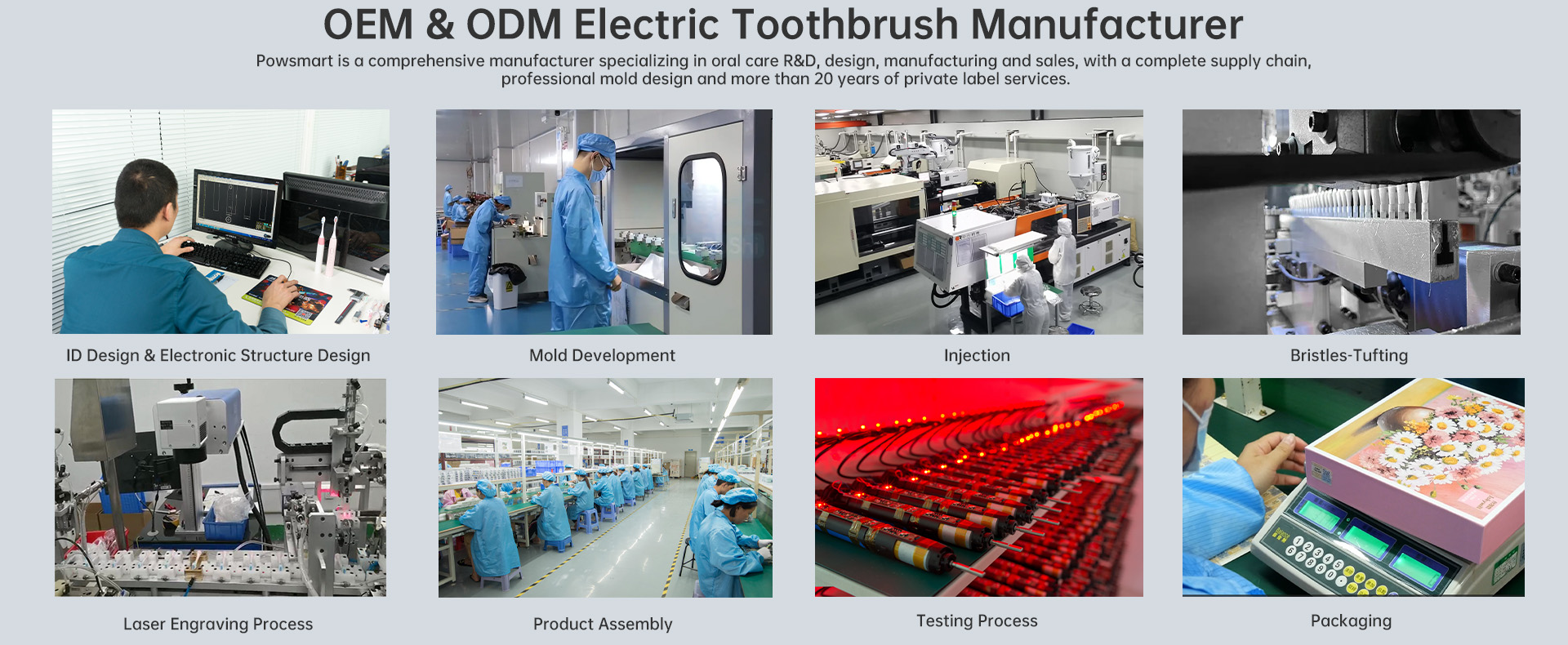
In the competitive oral care industry, finding a trustworthy electric toothbrush manufacturer is essential for brands looking to launch high-quality products. Whether you need Oral Care ODM/OEM solutions or a long-term manufacturing partner, selecting a company with the right expertise and credentials is critical. With 20+ years of manufacturing experience and international certification, we provide reliable, high-quality production for global brands. Here are five reasons why you should choose us as your oral care manufacturing partner.https://www.powsmart.com/ Years of Manufacturing Experience in the Oral Care Industry Experience matters when it comes to precision manufacturing and product innovation. With over 20 years of manufacturing experience, we have:1) A deep understanding of market trends and customer needs2) Proven expertise in producing high-performance electric toothbrushes and oral care products3) A track record of successful partnerships with global brands Our extensive experience ensures that we can deliver high-quality products efficiently, meeting the evolving demands of the oral care industry. Full-Service ODM/OEM Solutions for Your Brand As a professional Oral Care ODM/OEM manufacturer, we provide end-to-end services, including:Product design & development – from concept to mass productionCustom branding & packaging – to enhance your market presenceFlexible manufacturing capacity – to support small and large orders Whether you need a custom-designed electric toothbrush or…
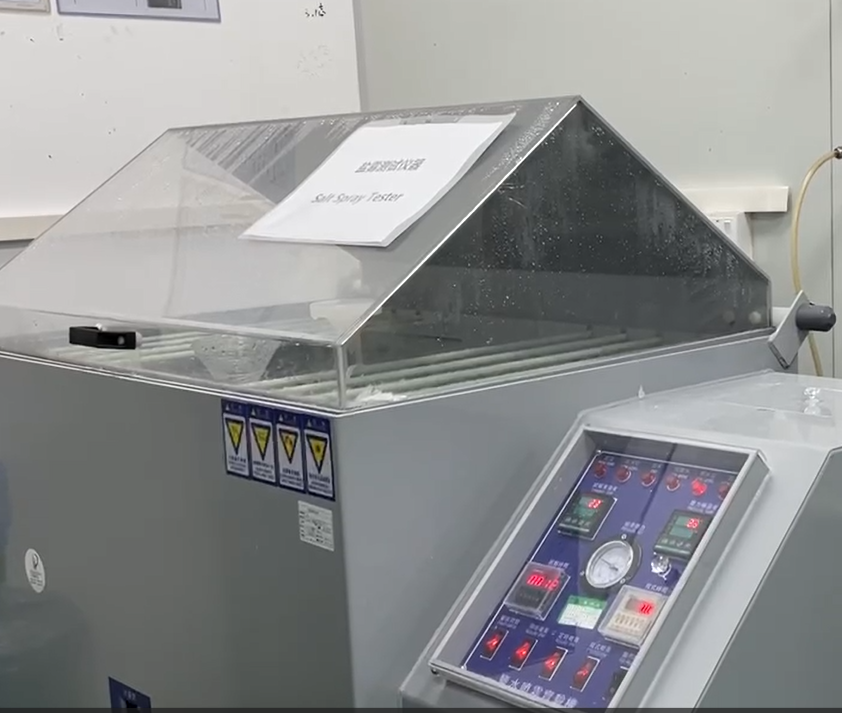
One of the most common concerns in electric toothbrush manufacturing is electric toothbrush auto power-on failure—when the device turns on unintentionally due to accidental touches, design flaws, or assembly inconsistencies. For manufacturers, reducing this failure rate is critical to maintaining product reliability, improving customer satisfaction, and reducing warranty claims. This blog explores a 3-fold guarantee that ensures a reliable electric toothbrush from design to assembly, incorporating anti-touch design, rigorous reliability testing, and comprehensive manufacturer's solutions. https://www.powsmart.com/contact-us/ Smart Design: Implementing an Effective Anti-Touch Mechanism An essential step in preventing electric toothbrush auto power-on failure is optimizing the button and sensor design. Manufacturers can integrate: Recessed or shielded power buttons – Reducing accidental activation from storage or handlingTouch-sensitivity calibration – Ensuring the device only responds to intentional user inputMulti-step activation mechanisms – Such as requiring a long press or double-tap to turn on This anti-touch design approach minimizes the risk of accidental activation while maintaining a smooth user experience. Component Selection: Enhancing Switch and Circuit Stability High-quality components ensure long-term reliability. Manufacturers must focus on: Durable switches – Using high-quality mechanical or capacitive buttons with precise activation forceStable PCBA layout – Preventing signal interference that could cause unintended power-on eventsWaterproof and dustproof protection – Shielding circuits from moisture-related malfunctions Careful component…
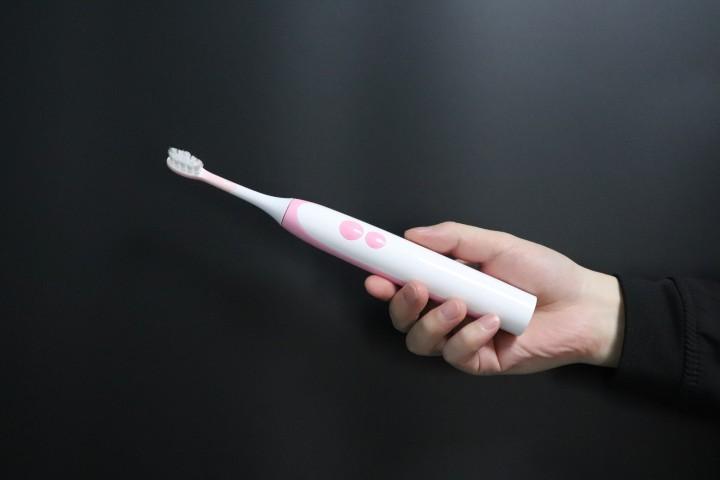
Electric toothbrushes are essential tools for maintaining oral hygiene, but like any electronic device, they can occasionally malfunction. If your electric toothbrush isn’t responding when turned on, several factors could be at play. Below, we explore the common reasons and provide practical solutions to get your electric toothbrush working again. 1. Low Battery – The Most Common Culprit A low battery is the most frequent reason an electric toothbrush fails to turn on. If the device hasn’t been charged in a while, it may simply lack the power to start. Solution: Connect the adapter to charge for at least 2 hours before attempting to use it again. If the toothbrush still doesn’t respond after charging, the battery may be depleted and require replacement. 2. Short Circuit Protection Caused by Static Electricity Some electric toothbrushes have built-in short circuit protection to prevent damage from power surges or static electricity. If the device was exposed to a sudden electrical discharge, it may temporarily shut down. Solution: Disconnect the charger (if plugged in) and wait 10-15 minutes before trying to turn it on again. If the issue persists, reset the toothbrush according to the manufacturer’s instructions. 3. Charging Connection Issues A faulty charging dock or dirty contact points…
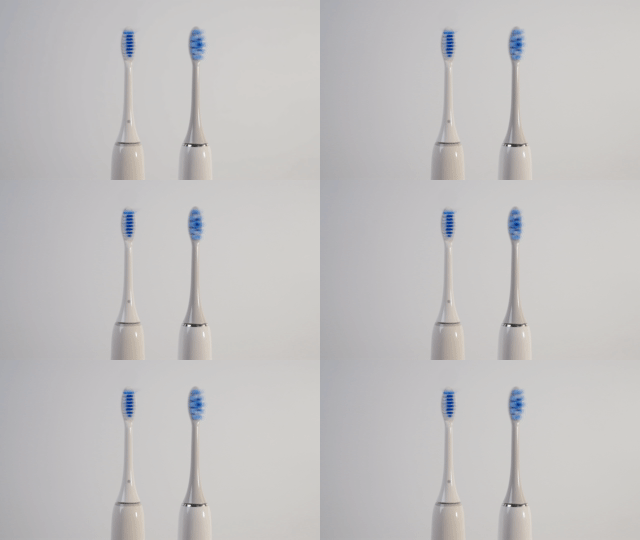
To maximize electric toothbrush benefits, it’s essential to use them correctly and follow proper precautions. As a leading B2B manufacturer of dental care products, we’re here to guide you on how to use electric toothbrushes effectively, covering key points like correct installation, charging according to the instructions, brushing at a 45-degree angle, keeping it clean, and replacing brush heads regularly 1. Correct Installation of the Brush Head The first step in using an electric toothbrush is ensuring correct installation of the brush head. Most electric toothbrushes have a simple click-on mechanism for attaching the brush head. Make sure it is securely fastened to avoid any wobbling or detachment during use. A properly installed brush head ensures optimal performance and prevents potential damage to the toothbrush or your teeth. 2. Charge According to the Instructions To keep your electric toothbrush functioning at its best, always charge it according to the instructions provided by the manufacturer. Overcharging or using incompatible chargers can reduce battery life and affect performance. Most electric toothbrushes come with a charging base and indicator lights to show the charging status. Ensure the toothbrush is fully charged before first use and recharge it as needed to maintain consistent performance. 3. Brush Your Teeth at a 45-Degree…
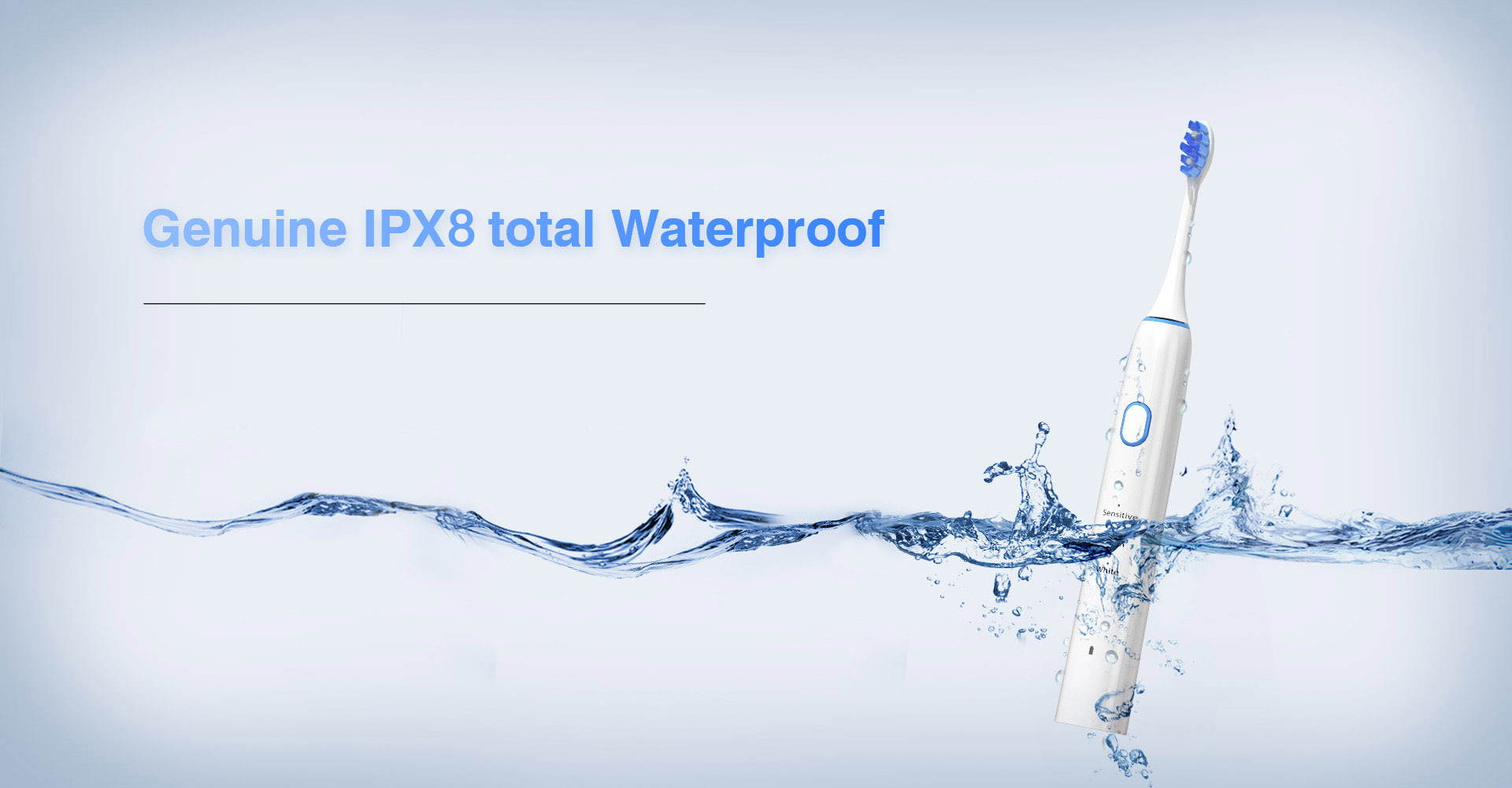
Electric toothbrushes have become an essential tool for maintaining oral hygiene, but one often overlooked feature is their waterproof rating. As a leading B2B manufacturer of dental care products, we understand the critical role waterproofing plays in the durability and safety of electric toothbrushes. In this blog, we’ll explore why waterproof ratings matter, focusing on their impact on the internal structure, including the motor, motherboard, and battery, as well as their relevance to the usage environment. 1. Protecting the Internal Structure The internal structure of an electric toothbrush is complex, housing critical components like the motor, motherboard, and battery. Without proper waterproofing, water can seep into these components, causing corrosion, short circuits, or even permanent damage. A high waterproof rating ensures that the internal structure remains intact, extending the lifespan of the toothbrush and maintaining its performance over time. 2. Safeguarding the Motor The motor is the heart of an electric toothbrush, responsible for generating the vibrations or rotations that clean your teeth. However, motors are highly sensitive to moisture. Even a small amount of water infiltration can disrupt the motor’s functionality, leading to reduced performance or complete failure. A strong waterproof rating protects the motor from water damage, ensuring consistent and reliable operation. 3. Preserving the Motherboard The motherboard is the brain of the electric toothbrush, controlling its…
.jpg)
In the competitive world of consumer electronics, the reliability of every component is crucial. When it comes to electric toothbrushes, even minor issues can lead to significant operational challenges and customer dissatisfaction. In this blog, we explore six key areas to understand and address common problems—specifically Charging failure and Head loosening—that may be undermining your product quality and overall brand reputation. Overview of Common Electric Toothbrush Issues Electric toothbrushes combine advanced technology with everyday functionality. Despite their popularity, manufacturers often encounter two recurring problems: Charging failure and Head loosening. These issues can arise during production, from design shortcomings, or through prolonged use. Understanding these challenges is the first step in formulating an effective strategy to enhance product reliability and customer satisfaction. Delving into Charging Failure: Causes and Impact Charging failure in electric toothbrushes can result from various factors. For instance, suboptimal battery management systems, poor quality charging circuits, or even environmental factors like moisture can contribute to inconsistent power delivery. This problem not only disrupts the user experience by causing unexpected downtimes but also increases service costs and potentially harms the brand’s image. Manufacturers must investigate the root causes—from electrical component selection to circuit board design—to ensure a robust and…
Electric toothbrushes have become a popular choice for maintaining oral hygiene due to their advanced technology and superior cleaning performance. However, to maximize their benefits, it’s important to use them correctly. As a leading B2B manufacturer of dental care products, we’re here to guide you on what to pay attention to when using an electric toothbrush. From choosing a small brush head to ensuring you reduce the intensity when needed, these tips will help you get the most out of your electric toothbrush. 1. Choose the Right Brush Head: Opt for a Small Brush Head One of the first things to consider when using an electric toothbrush is the size of the brush head. A small brush head is recommended because it can easily reach tight spaces and clean hard-to-access areas, such as the back molars and around orthodontic appliances. This ensures a more thorough clean and helps prevent plaque buildup in areas that are often missed with larger brush heads. 2. Reduce the Intensity for Sensitive Teeth and Gums While electric toothbrushes are designed to provide a deep clean, it’s important to reduce the intensity if you have sensitive teeth or gums. Many electric toothbrushes come with multiple brushing modes, including a gentle or sensitive mode. Using…
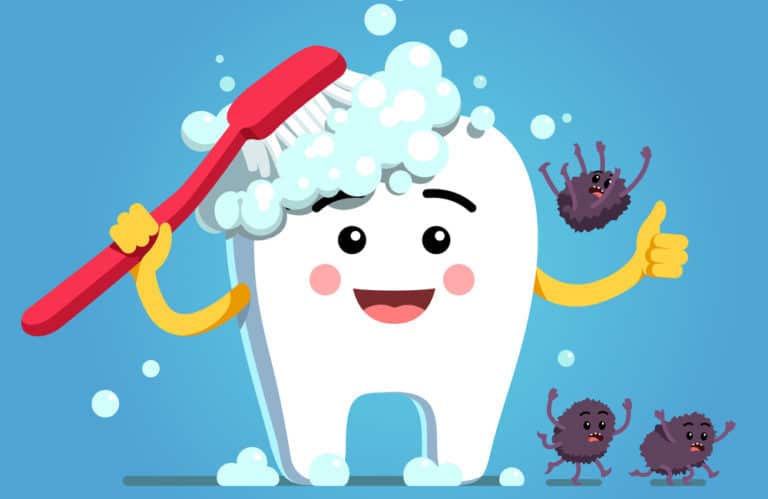
Dental plaque is a common oral health issue that, if not properly managed, can lead to serious conditions such as dental caries, periodontitis, and dental calculus. As a leading B2B manufacturer of dental care products, we understand the importance of effective plaque removal. In this blog, we’ll compare the cleaning power of electric toothbrushes with manual toothbrushes, highlighting how electric toothbrushes can help combat plaque and prevent these oral health problems. 1. The Science Behind Plaque Formation Dental plaque is a sticky biofilm of bacteria that forms on teeth and gums. If not removed regularly, it can harden into dental calculus (tartar), which is much more difficult to eliminate. Plaque is the primary cause of dental caries (tooth decay) and periodontitis (gum disease), cleaning dental plaque a critical part of any oral care routine. Both electric and manual toothbrushes aim to remove plaque, but their effectiveness varies significantly. 2. Electric Toothbrushes: Superior Plaque Removal Electric toothbrushes are designed to provide a deeper and more thorough clean compared to manual toothbrushes. Their advanced motor technology generates thousands of brush strokes per minute, effectively dislodging plaque from the tooth surface and along the gumline. Studies have shown that electric toothbrushes can remove up to 100% more plaque than manual brushes, significantly…
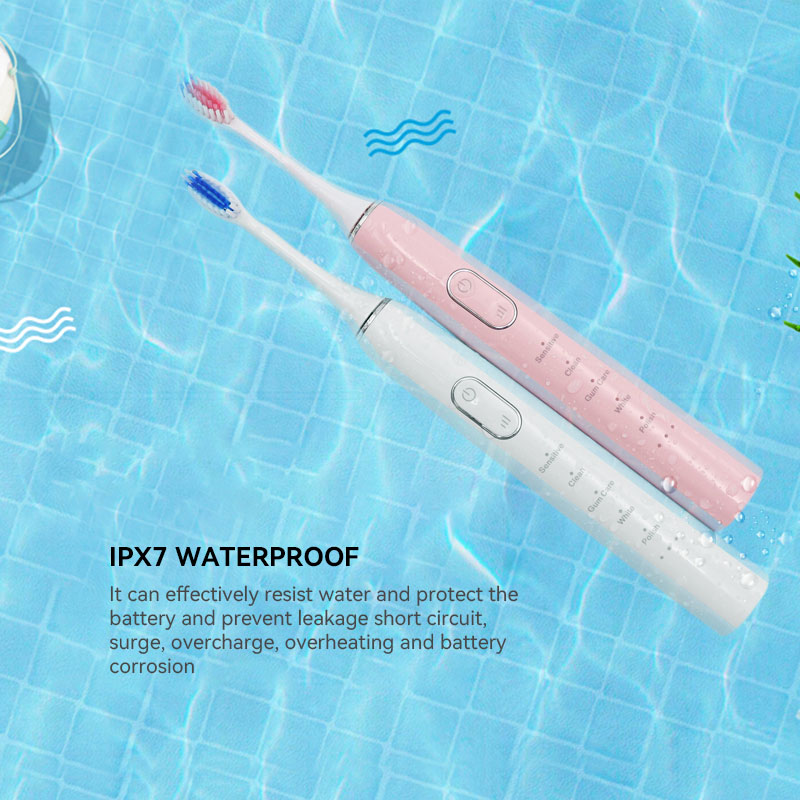
With the increasing popularity of electric toothbrushes, ensuring their durability and longevity has become a key concern for both manufacturers and consumers. One of the most common issues affecting product performance is the water ingress problem in electric toothbrush charging ports. When water seeps into the charging port, it can cause short circuits, corrosion, and device failure. From a manufacturing perspective, preventing water damage requires careful engineering, material selection, and production techniques. In this article, we will analyze the causes of water ingress, explore effective prevention tips for water ingress problems, and discuss advanced solutions to enhance the reliability of charging ports. Understanding the Water Ingress Problem in Charging Ports The charging port of an electric toothbrush is exposed to a high-moisture environment due to regular use in bathrooms. Water ingress can occur due to: Condensation: Steam from hot water can accumulate inside the device. Direct exposure: Splashes from rinsing or accidental submersion in water. Capillary effect: Water creeping into small gaps in the charging port design. If not addressed properly, water ingress can lead to:Electrical failure – Short circuits and malfunctions.Corrosion – Internal components degrade over time.Reduced lifespan – Frequent replacements and increased warranty claims. Common Weaknesses in Charging Port Designs Manufacturers need to be…
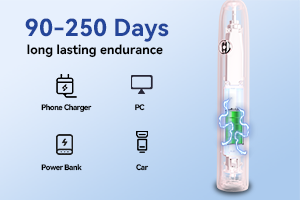
When selecting an electric toothbrush, one often overlooked yet crucial factor is the charging method. Different charging options for electric toothbrushes impact convenience, durability, and overall user experience. The most common types include wireless charging, magnetic charging, and USB charging. Each of these methods has its advantages and potential drawbacks. This blog will provide an in-depth comparison of charging options for electric toothbrushes, helping manufacturers and consumers choose the most suitable option. Different Charging Options for Electric Toothbrushes Wireless Charging Wireless charging uses inductive technology to transfer power from a charging base to the toothbrush without the need for physical connectors. Pros: Convenience: Simply place the toothbrush on the charging dock without plugging in cables. Waterproof Design: Since no ports are needed, it enhances water resistance, reducing the risk of damage. Aesthetic Appeal: A clean, minimalistic look without exposed charging points. Cons: Slower Charging Speed: Compared to wired options, wireless charging may take longer. Requires a Dedicated Charger: Users cannot use a universal charger, limiting portability. Magnetic Charging Magnetic charging involves using a magnetically attached charging cable to transfer power efficiently. It is often used in high-end electric toothbrush models. Pros: Secure and Stable Connection: The magnetic attachment ensures that the charging cable stays in place without easily…
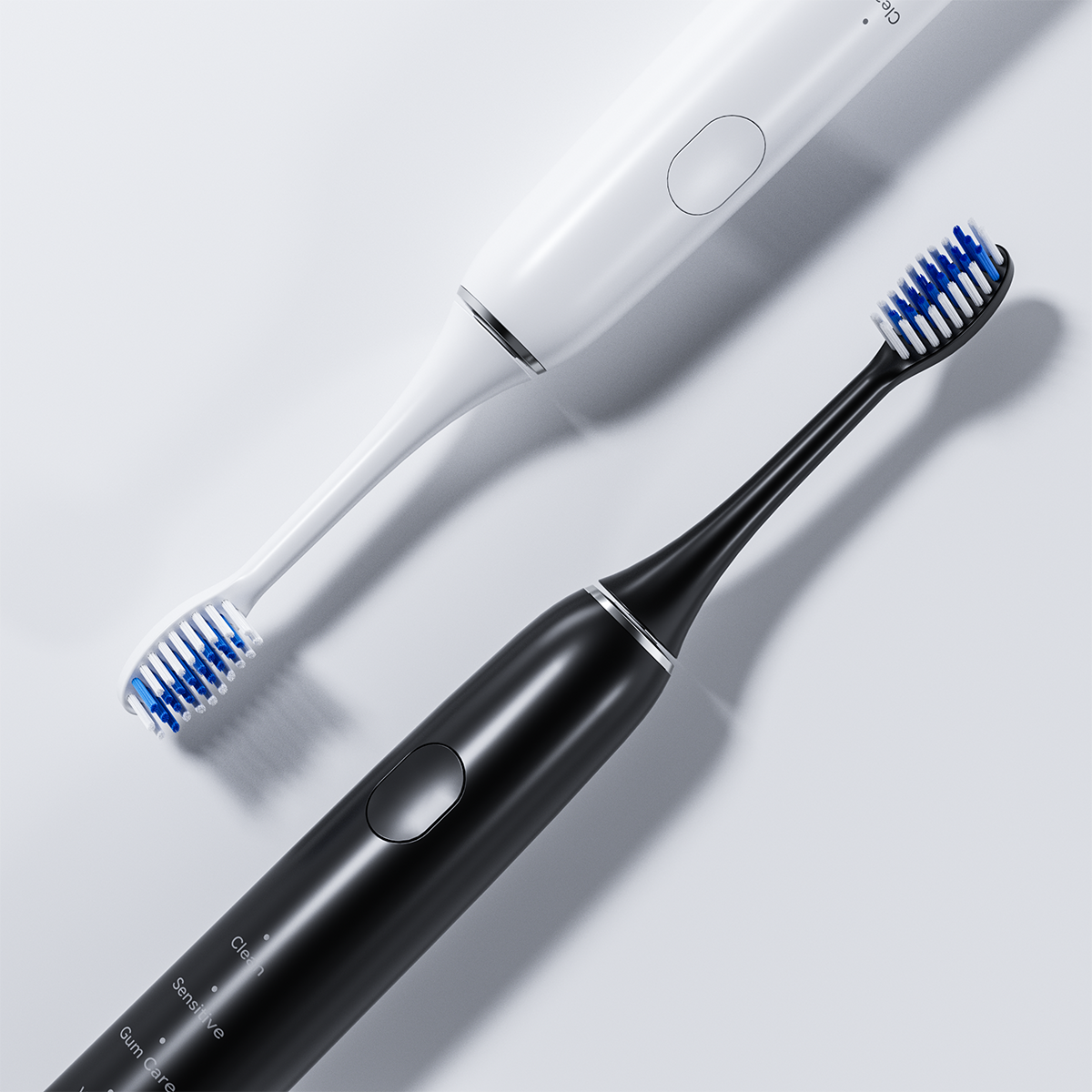
Choosing the right toothbrush is essential for maintaining optimal oral care. While manual toothbrushes have been the go-to option for decades, electric toothbrushes are increasingly becoming the preferred choice for many. But when is it better to choose an electric toothbrush? As a leading B2B manufacturer of dental care products, we’ll explore the scenarios where an electric toothbrush can make a significant difference, especially for those who do not pay enough attention to their brushing technique or struggle with the Bass brushing method. 1. When Manual Brushing Techniques Fall Short Many people do not pay enough attention to their brushing technique, leading to ineffective cleaning. The Bass brushing method, which involves holding the brush at a 45-degree angle and using gentle, circular motions, is recommended by dentists but can be difficult to master. Electric toothbrushes simplify this process by automating the correct movements, ensuring a thorough clean even for those who struggle with manual techniques. 2. For Those Who Brush Their Teeth Too Vigorously Some individuals tend to brush their teeth vigorously, thinking that more pressure equals a cleaner mouth. However, this can damage enamel and irritate gums. Electric toothbrushes are designed to improve efficiency and strength without requiring excessive force. Many models come with pressure sensors that alert…
Electric toothbrushes have become increasingly popular in recent years, offering a high-tech alternative to traditional manual brushes. As a leading B2B manufacturer of dental care products, we understand the importance of helping our clients and their customers make informed decisions. In this blog, we’ll explore the advantages and disadvantages of electric toothbrushes, focusing on their cleaning ability, comfortable feeling, ability to reduce damage, and whitening benefits. 1. Superior Cleaning Ability One of the most significant advantages of electric toothbrushes is their cleaning ability. Powered by advanced motor technology, electric toothbrushes generate thousands of brush strokes per minute, ensuring a thorough clean that manual brushes simply cannot match. Studies have shown that electric toothbrushes can remove up to 100% more plaque than manual brushes, making them highly effective at preventing cavities and gum disease. This superior cleaning performance is a major reason why many people switch to electric toothbrushes. 2. Comfortable Feeling During Use Electric toothbrushes are designed to provide a comfortable feeling during use. Their ergonomic handles and automated brushing motions reduce the effort required to clean your teeth, making them ideal for people with limited mobility, such as seniors or those with arthritis. Additionally, many models come with pressure sensors that alert users if they’re brushing too hard, ensuring…
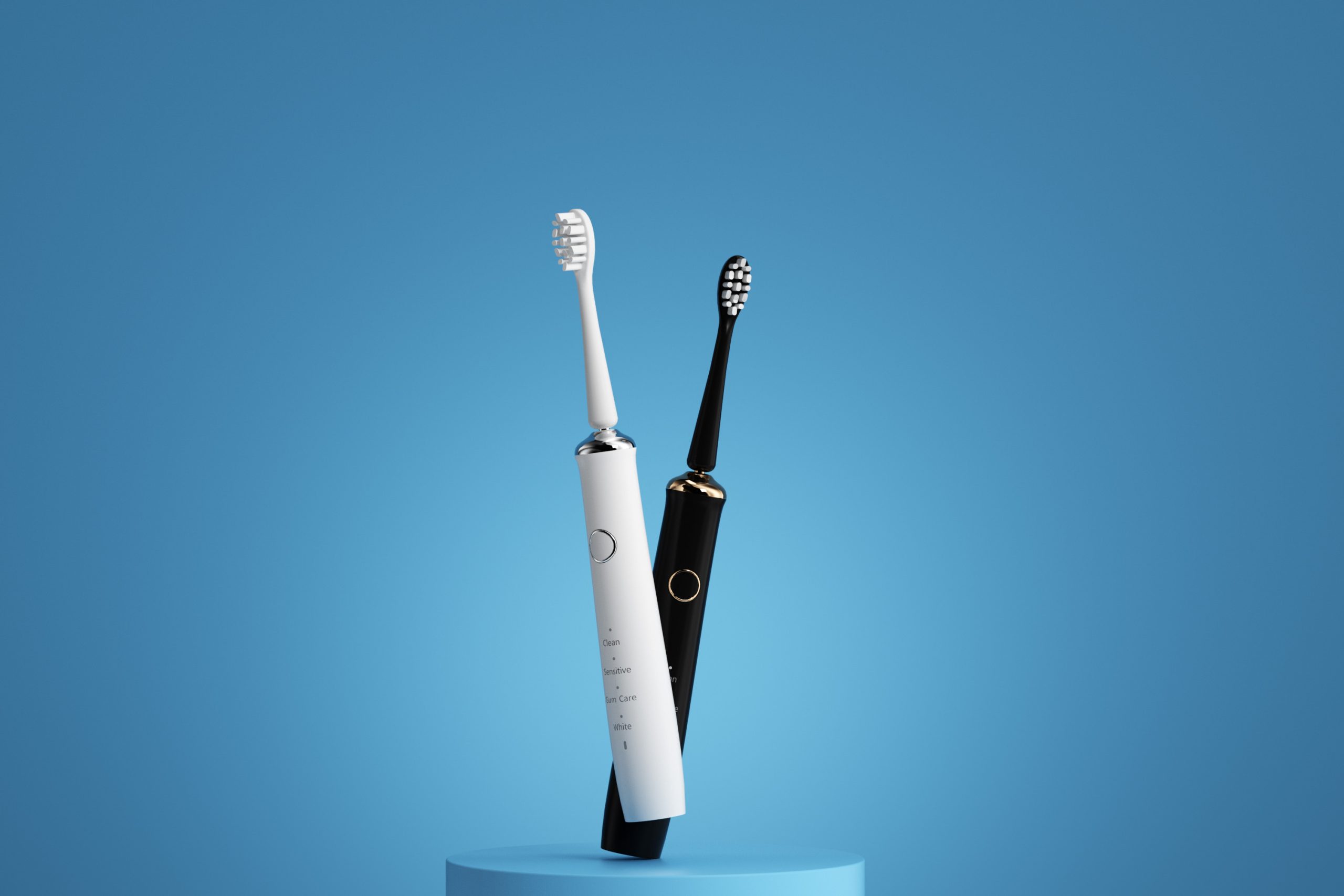
When shopping for an electric toothbrush, one of the most common questions is: Are more expensive models really better? As a leading B2B manufacturer of dental care products, we understand that price is an important factor for both businesses and consumers. In this blog, we’ll explore whether higher-priced electric toothbrushes are worth the investment by examining key features such as vibration mode, pressure sensors, partition reminders, and battery capacity. 1. Advanced Vibration Modes One of the standout features of more expensive electric toothbrushes is their variety of vibration modes. These modes cater to different oral care needs, such as daily cleaning, gum care, whitening, and sensitive teeth. While budget models may offer only one or two modes, premium toothbrushes often include multiple settings, allowing users to customize their brushing experience. If you have specific dental needs, such as sensitive gums or a desire for whitening, investing in a higher-end model with diverse vibration modes can be beneficial. 2. Pressure Sensors for Safer Brushing Many premium electric toothbrushes come equipped with pressure sensors, a feature that alerts users when they’re brushing too hard. Excessive pressure can damage enamel and irritate gums, so this feature is particularly useful for those who tend to brush aggressively. While some mid-range models may include basic…

With the growing popularity of electric toothbrushes, many parents wonder: can children use electric toothbrush? As a trusted B2B manufacturer of dental care products, we’re here to provide clarity on this topic. In this blog, we’ll explore whether electric toothbrushes are suitable for children, focusing on concerns like toothbrushing control is not very flexible, their effectiveness in plaque removal, and why they are recommended for ages 3 and up when the enamel is basically fully developed. 1. Toothbrushing Control Is Not Very Flexible in Children One common concern about children using electric toothbrushes is that their toothbrushing control is not very flexible. Young children may struggle to maneuver the brush properly or apply too much pressure, which could lead to gum irritation or enamel wear. However, many electric toothbrushes designed for kids come with smaller brush heads and softer bristles, making them easier to handle. Additionally, parental supervision can help children learn the correct technique and ensure safe use. 2. Superior Plaque Removal for Kids Electric toothbrushes are highly effective at plaque removal, even for children. Their rapid brush strokes can clean teeth more thoroughly than manual brushing, reaching areas that kids often miss. This is especially important for children, as they are still developing their brushing habits and…
When an electric toothbrush suffers a waterproof failure, moisture can penetrate the handle and trigger battery leakage—a hazardous condition that risks device shorting, corrosion, and even user injury. In this deep‐dive article, we’ll examine six critical dimensions of this defect and show B2B manufacturers how to eliminate it at the source. Common Modes of Waterproof Failure First, it’s essential to identify how seals break down: Gasket Compression Fatigue: Repeated brush‐head changes or cleaning cycles gradually deform O-rings, compromising their seal. Assembly Misalignment: Even minor tolerance slips during production can leave micro‐channels at seams. Material Degradation: Harsh disinfectants or UV‐sterilization steps can embrittle plastics and elastomers, leading to cracks. Recognizing these failure modes helps target the weakest points in your water-resistance design. How Battery Leakage Manifests and Why It’s Dangerous Moreover, once water breaches the housing, battery compartments suffer: Electrolyte Seepage: Lithium‐ion cells leak corrosive electrolytes that erode internal circuitry. Short Circuits: Conductive fluid bridges battery terminals, leading to sudden device shutdowns or thermal runaway. User Hazard: Leaked chemicals can escape through vents or cracks, posing skin irritation or ingestion risks. Understanding these hazards underscores why waterproof integrity is non‐negotiable.Company web:https://www.powsmart.com/product/electric-toothbrush/ Design Flaws That Amplify Risk In addition, specific design shortcuts…
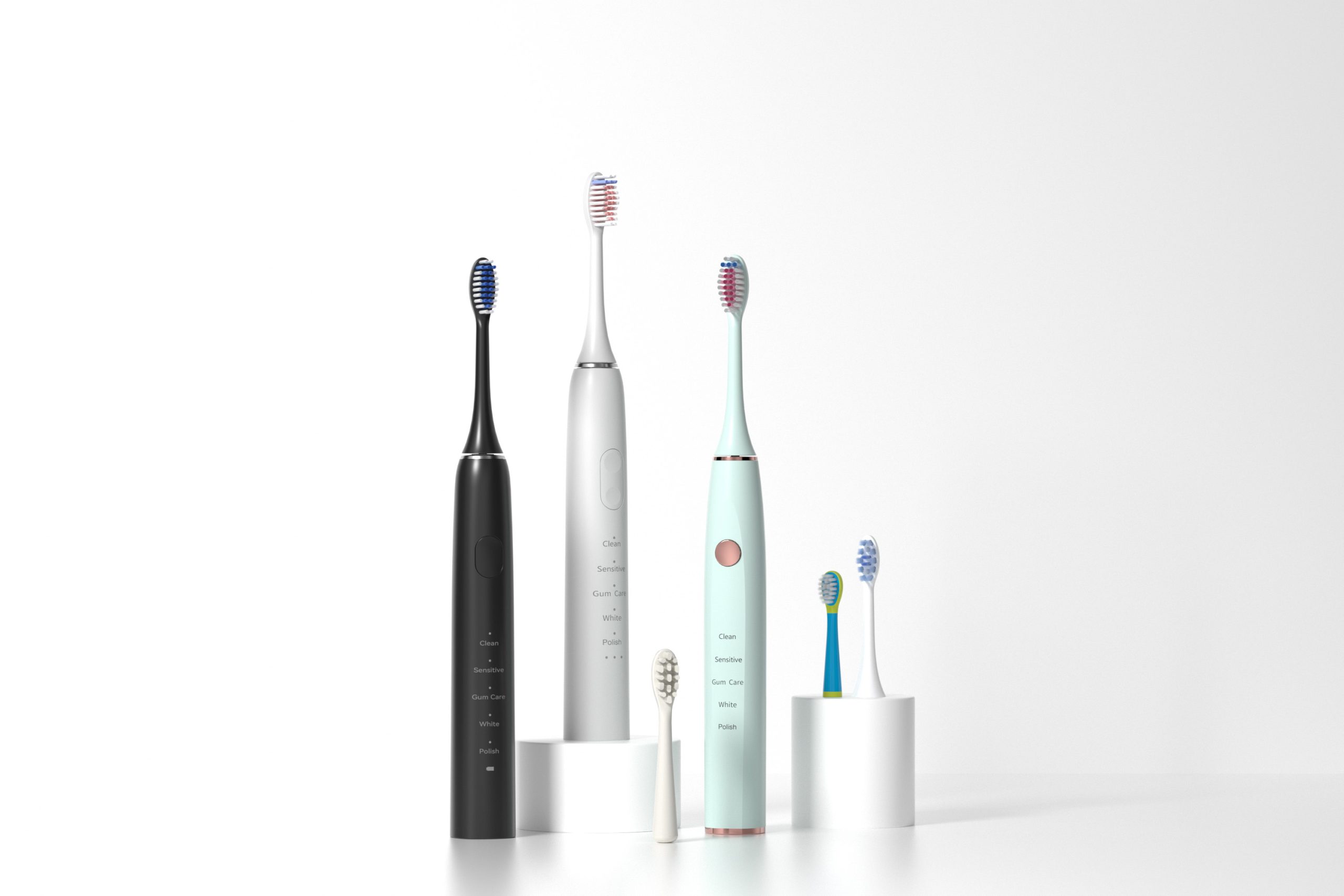
As families increasingly prioritize hygiene and efficiency in daily routines, the demand for smart, space-saving oral care products is growing. One standout innovation is the Family Electric Toothbrush Set with a Shared Charging Base. This design not only caters to modern consumer expectations but also opens up new opportunities for brands and retailers to create value-packed OEM electric toothbrush kits. What Is a Family Electric Toothbrush Set? A Family Electric Toothbrush Set typically includes 2 to 4 electric toothbrush handles, multiple brush heads, and a shared charging base. Each brush is color-coded or labeled for individual users, and the entire set is designed for household use. Key features include: Centralized charging to eliminate clutter Interchangeable brush heads Syncing options for smart brushing apps (in advanced models) Hygienic storage compartments This kind of bundled solution supports both functionality and affordability, making it increasingly popular in retail and online sales channels. Shared Charging Base: Compact, Cost-Efficient, and Practical The shared charging base is the cornerstone of cost-saving design. Instead of every toothbrush requiring its own charger, families can use one base for all handles, which leads to: Space optimization in bathrooms or travel kits Reduced material and manufacturing costs Lower power consumption Easier logistics and packaging for…
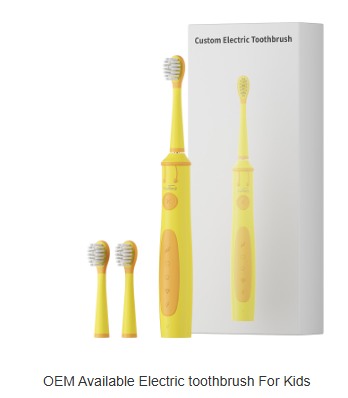
When it comes to Kids’ Electric Toothbrushes, safety is non-negotiable. As young children develop independent brushing habits, the risk of accidental swallowing or choking on detachable parts becomes a key concern. That’s why the anti-swallow toothbrushes design is becoming a critical innovation in this category. For oral care brands, partnering with a capable factory offering custom manufacturing solutions is essential to ensure both child-friendly designs and global compliance. What Is Anti-Swallow Design in Toothbrushes? The anti-swallow design refers to a set of structural features integrated into child safety toothbrush models to prevent any part of the toothbrush from entering the throat or being accidentally ingested. Key features include: Enlarged brush head bases that cannot be swallowed Non-detachable brush heads Specially designed handle grips for toddlers Safety shields or stoppers near the neck of the toothbrush This is especially important for Kids’ Electric Toothbrushes, where vibrating or rotating mechanisms may cause children to mouth the brush in unintended ways. The Role of Custom Manufacturing in Safety and Compliance For brands targeting the children’s oral care segment, working with manufacturers that specialize in custom manufacturing is vital. These manufacturers can design and produce anti-swallow toothbrushes tailored to specific age groups, safety standards, and branding requirements. Benefits of custom manufacturing…


.jpg)
.jpg)
.jpg)
.jpg)
.jpg)



.jpg)
.jpg)