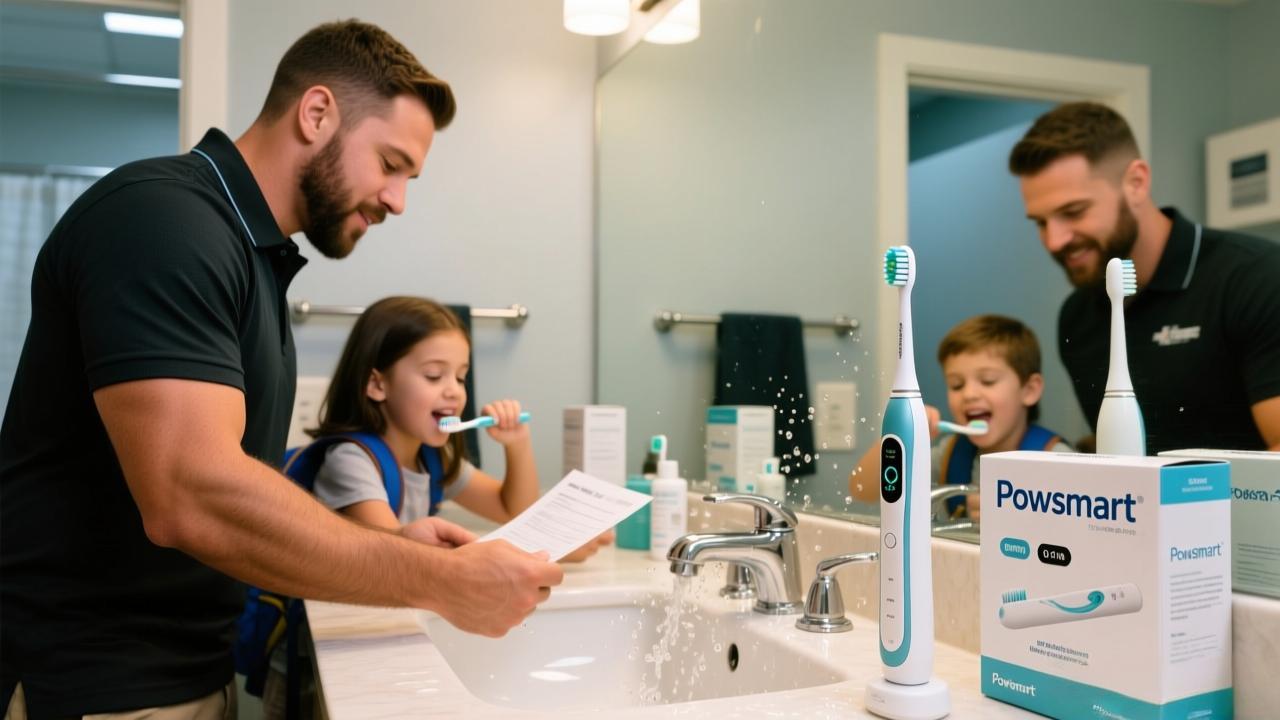
In the world of personal care appliances and handheld devices, ergonomic discomfort has emerged as a silent but persistent issue affecting user satisfaction. One common consequence that arises from poor design is grip fatigue, especially during prolonged or repetitive use. When these two factors interact, the result is often diminished performance, negative user feedback, and elevated product returns—raising important questions for manufacturers and OEM partners alike.
Ergonomic discomfort typically stems from poor alignment between the product’s shape and the user’s natural hand posture. Causes include:
Such discomfort doesn’t just affect comfort—it actively leads users to overcompensate with tighter gripping force, setting the stage for grip fatigue.
Grip fatigue refers to the muscular exhaustion that results from sustained hand contraction. In electric toothbrushes, oral irrigators, or grooming tools, this can manifest as:
Grip fatigue is especially concerning for older adults or users with pre-existing joint issues, amplifying the urgency of ergonomic precision. Company web:https://www.powsmart.com/product/electric-toothbrush/
The relationship is causal and compounding. When a device is uncomfortable to hold:
In short, ergonomic discomfort doesn’t just cause grip fatigue—it worsens it through a feedback loop of physical strain and frustration.
For B2B manufacturers and product developers, early-stage design evaluation is crucial. Telltale signs of ergonomic flaws include:
User testing involving diverse hand sizes, grip strengths, and holding styles during product trials can expose latent issues before they scale.
To combat both ergonomic discomfort and grip fatigue, manufacturers can adopt these improvements:
For powered devices, vibration dampening and silent motors also help reduce muscle tension indirectly.
Buyers sourcing private label or OEM personal care products should prioritize ergonomics during selection. Products that feel good to use are:
Providing ergonomic data sheets or certification claims (e.g., tested for grip comfort by third-party labs) can further support differentiation in competitive B2B environments.
In consumer electronics and personal care appliances, ergonomic discomfort and grip fatigue are not just user inconveniences—they’re indicators of design decisions that require refinement. B2B manufacturers who proactively address these issues can deliver longer-lasting, more comfortable products that users will trust in their daily routines. After all, performance isn’t just in the motor—it’s in the feel. Contact us
.jpg)
.jpg)
.jpg)
Electric Toothbrush Drop Test Certification for Export Compliance
Wholesale Water Flosser Supplier
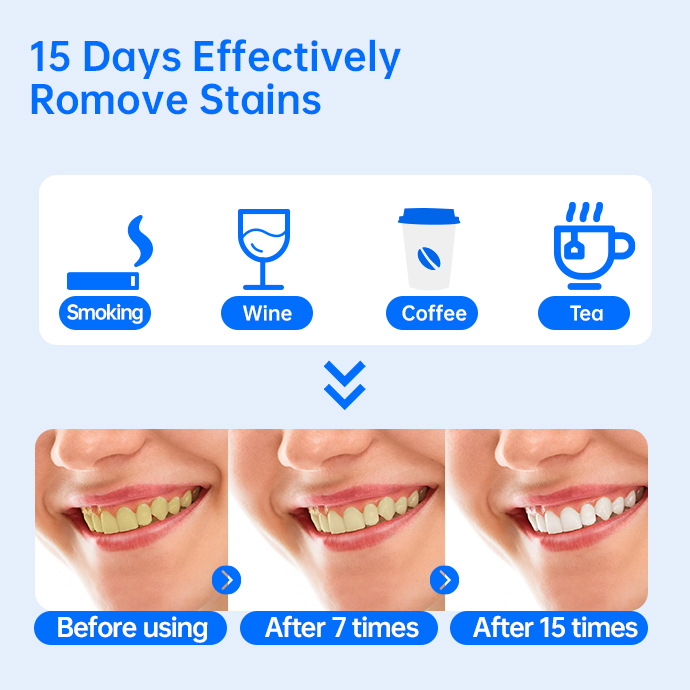
How does a secure Brush Head Attachment Mechanism aid in measuring Subsurface Scattering for enamel health?
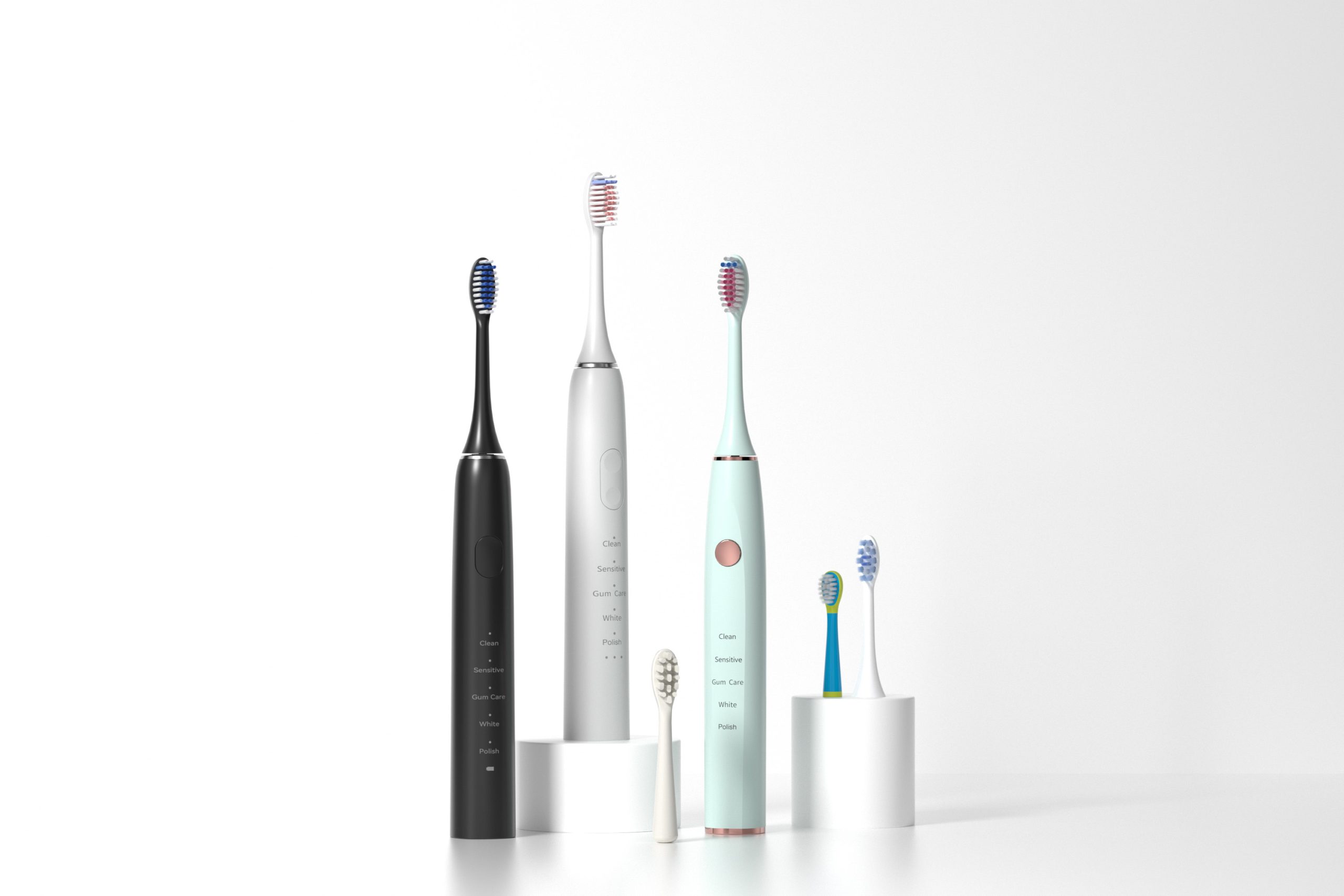
Why Is Spectral Output Optimization Verified Through Accelerated Aging Tests for Whitening Devices?
.jpg)
Is Toothbrush Production Keeping Up with Toothbrush Technology Trends?
Electric Toothbrush Customization Options Supplier
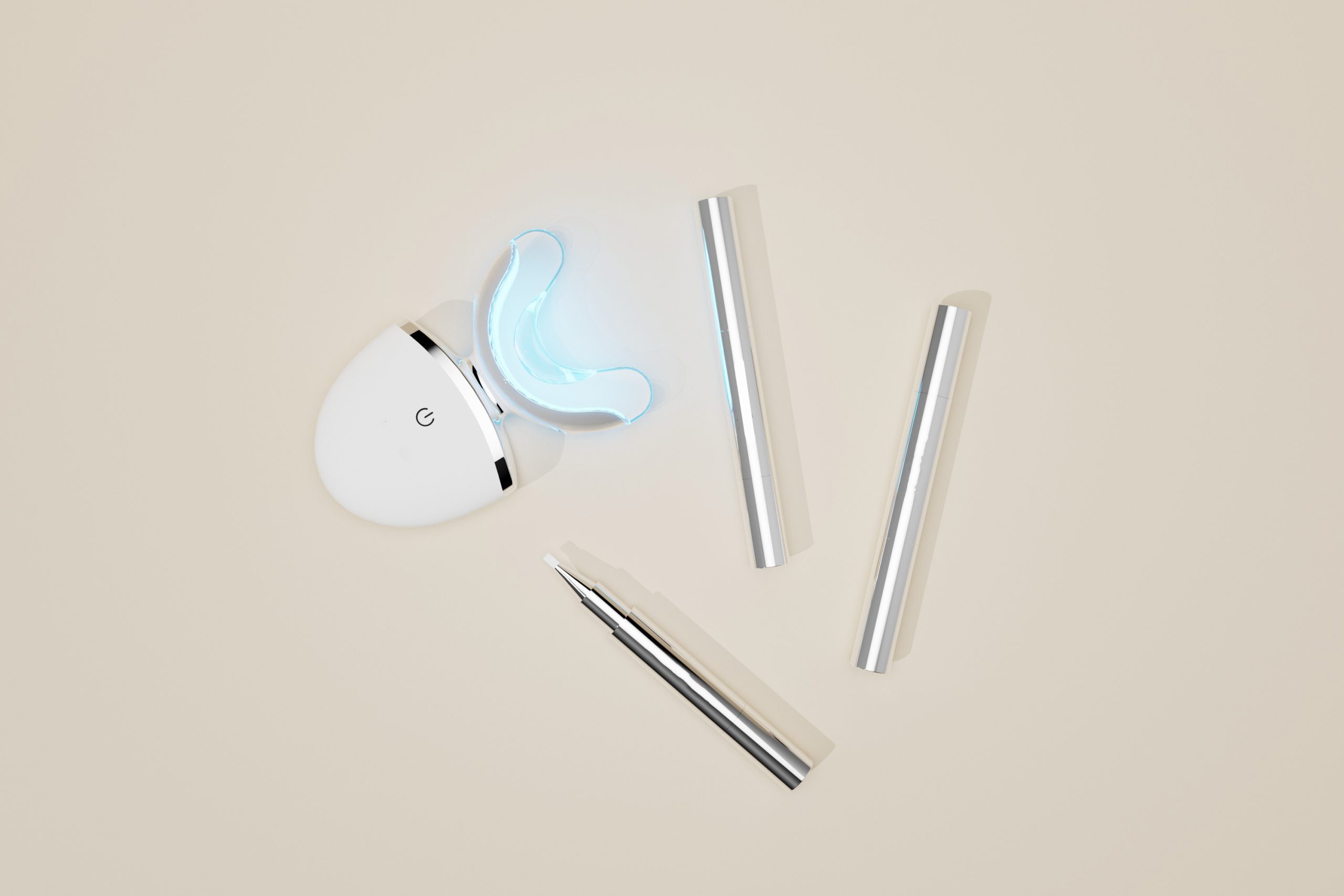
Can Teeth Whitening Gel Be Used Alone to Whiten Teeth?
Professional Replaceable Brush Head Supplier for Global Buyers
Electric Toothbrush Quality Control Process for OEM & Export Manufacturing
Eco-Bamboo Electric Toothbrush OEM – Sustainable Oral-Care Manufacturing
Looking for a Lithium Battery Pack Suited for Eco-friendly Material Products?
Why Combine a Photocatalytic Disinfection Coating with a Self-Assembling Monolayer Coating for Surfaces?

Voice-Activated and AI-Driven Toothbrushes – The Next OEM Frontier
Ultimate Guide to Whitening Electric Toothbrushes for Beginners
Fruit Juice Teeth Staining Guide | Whitening for Fruit Juice Lovers
The Difference Between a Dry Battery Toothbrush, a Sonic Electric Toothbrush, and a Rotary Electric Toothbrush


.jpg)
.jpg)
.jpg)
.jpg)
.jpg)



-1.jpg)
.jpg)