
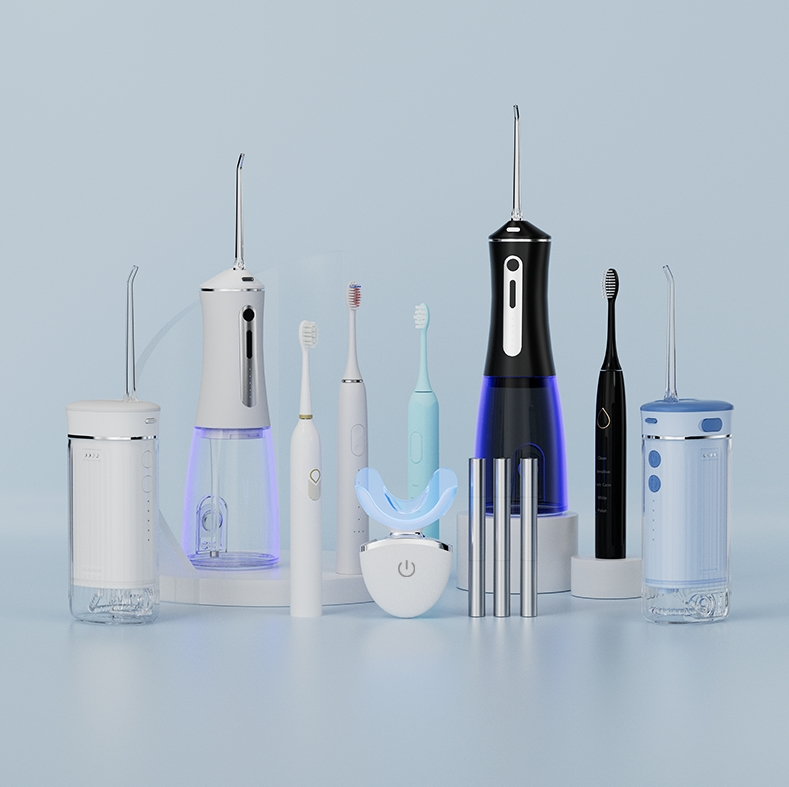
In today's global market, sourcing oral care products is no longer just a matter of price. While minimizing cost is a natural objective, focusing solely on the cost-effectiveness of price without considering quality, compliance, and reliability can lead to long-term risks for oral care brands. A strategic approach to oral care sourcing—especially one that embraces value-based purchasing—can protect brand reputation and ensure consistent product performance.This article explores what happens when brands prioritize low price over quality, and why a balanced approach to sourcing oral care products is essential. Quality Compromise: The Most Immediate Risk When procurement focuses only on cost, quality is often the first casualty. In the oral care category, products like electric toothbrushes, flossers, and whitening kits must meet strict dental product standards. Compromising quality can result in: Product malfunctions or defects Inadequate plaque removal or gum damage Customer dissatisfaction and negative reviews If your supplier doesn’t meet the expected cost vs quality balance, the short-term savings can lead to long-term brand damage. Compliance and Certification Issues Suppliers offering unusually low prices may skip critical certifications, or fail to meet the regulatory requirements of key markets. This creates legal and operational headaches: Non-compliance with dental product standards Customs clearance issues Risk…
.jpg)
As electric toothbrushes become an essential part of daily oral care routines, one recurring issue reported by users is that electric toothbrush vibration decreases over time. This can lead to reduced cleaning performance and consumer dissatisfaction—posing risks for both end users and brands. For oral care brands, especially those working with OEM/ODM suppliers, understanding the reasons behind weakened vibration in electric toothbrushes is crucial. This blog will explore common causes, preventive actions, and the importance of choosing an expert in electric toothbrush quality manufacturing. Why Does the Vibration Decrease Over Time? A noticeable drop in brushing performance often stems from several technical or mechanical issues. Here are the main causes: Battery degradation: Lithium-ion batteries can lose capacity after repeated charging cycles, resulting in lower power output and weakened motor performance. Motor wear or imbalance: A worn-out or misaligned motor is a key reason behind weakened vibration in electric toothbrushes. Mechanical obstruction: Dust, toothpaste residue, or water ingress in the motor or drive shaft can restrict movement. Electronic control failure: PCB malfunction or signal delay may cause improper voltage delivery to the motor, impacting vibration intensity. How Poor Manufacturing Affects Vibration Performance While usage habits contribute to performance decline, many cases trace back…
.jpg)
In the world of oral care devices and small consumer electronics, two seemingly separate malfunctions—shaft fracture and indicator failure—can actually be symptoms of a deeper systemic flaw. While each issue alone can disrupt performance, their co-occurrence might point to underlying design or manufacturing challenges that B2B manufacturers must address. What Is a Shaft Fracture and Why Does It Happen? A shaft fracture typically refers to the mechanical breakage of the rotating or oscillating shaft that powers a toothbrush head or drive component. Common causes include: Material fatigue due to substandard alloys or improper heat treatment Overloading from improper torque distribution Misalignment during assembly or long-term wear Shaft integrity is fundamental to device longevity, especially in high-frequency applications like sonic toothbrushes or portable water flossers. Understanding Indicator Failure An indicator failure refers to the malfunction of a visual or tactile feedback component—commonly an LED or vibration alert—that informs users of power status, charging, or mode selection. Possible reasons include: PCB solder point damage from vibration Water ingress affecting signal circuits Faulty firmware or connection instability While these failures seem electronic in nature, they may share mechanical triggers with shaft issues. Company web:https://www.powsmart.com/product/electric-toothbrush/ Are Shaft Fracture and Indicator Failure Connected? Interestingly, evidence…
Tooth microfractures and mucosal abrasions may sound like isolated inconveniences, but when they appear together, they often signal deeper structural and safety concerns that can quickly escalate without intervention. For manufacturers, distributors, and professional buyers, understanding this combination is essential to ensure product safety, avoid liability, and protect brand reputation. What Causes Tooth Microfractures? Tooth microfractures are tiny cracks in the enamel or dentin layers. Common triggers include: Excessive mechanical stress from hard bristle tips Vibrations generated by high-frequency motors with insufficient damping Inconsistent pressure applied during use due to poor handle ergonomics Left unaddressed, microfractures can gradually propagate, leading to tooth chipping, sensitivity, or even structural failure. How Do Mucosal Abrasions Develop? Mucosal abrasions are shallow injuries to the soft tissues lining the cheeks, lips, and gums. They often result from: Sharp edges or seams in brush heads or accessories Accumulated residues that create abrasive surfaces Uncontrolled oscillation amplitude causing accidental scraping While minor abrasions typically heal in days, repeated trauma increases the risk of infection and chronic discomfort. Company web:https://www.powsmart.com/product/electric-toothbrush/ The Dangerous Interaction Between Microfractures and Abrasions When tooth microfractures coincide with mucosal abrasions, the risk to users compounds significantly: Microfractured enamel creates rough surfaces that further irritate…
Enamel scratching and gum irritation are increasingly reported by consumers using advanced oral care devices. While each issue on its own can be manageable, when combined they can lead to cumulative damage that is difficult—and sometimes impossible—to fully reverse. In this blog, we’ll explore whether enamel scratching caused by gum irritation is truly reversible and what steps manufacturers can take to mitigate these problems. How Does Gum Irritation Occur? Gum irritation develops due to several factors: Excessive mechanical pressure from stiff or uneven bristles Improper brushing angles that repeatedly traumatize gum tissue Chemical exposure from whitening agents or disinfectants Once the gums are inflamed, they become more sensitive and prone to bleeding. The Link Between Gum Irritation and Enamel Scratching When users experience gum irritation, they often change their brushing technique subconsciously, applying inconsistent pressure or scraping the enamel surface in an attempt to clean more gently.This combination leads to: Micro-abrasions on enamel Localized wear near the gum line Increased exposure of dentin tubules, heightening sensitivity Over time, the protective enamel layer becomes thinner and rougher. Is Enamel Damage Reversible? Unlike gum tissue, which can regenerate to some extent, enamel does not regrow once it is worn away. While remineralization…
Seal degradation and battery swelling are two failures that can silently develop in powered oral care devices, often going unnoticed until the damage becomes severe. But when both occur simultaneously, the consequences are more than cosmetic—they pose a tangible safety risk to end users and can trigger extensive warranty claims for manufacturers. Let’s explore why these issues are closely connected, and what proactive measures B2B suppliers should consider. What Is Seal Degradation? Seal degradation occurs when the protective gaskets or enclosures inside the product begin to: Crack or lose elasticity due to aging plastics or repeated temperature fluctuations Warp under mechanical stress or repeated disassembly Break down from chemical exposure, such as harsh cleaning agents Once these seals fail, moisture and contaminants can infiltrate the internal compartments. How Battery Swelling Begins When seals degrade, the risk of battery swelling increases dramatically: Moisture ingress can compromise the battery’s protective casing Short circuits can occur if conductive residues reach battery contacts Internal gas generation from chemical reactions causes the battery to expand This swelling not only distorts the device housing but can eventually rupture the casing. Company web:https://www.powsmart.com/product/electric-toothbrush/ Why This Combination Is Dangerous While seal degradation and battery swelling are problematic on…
Charging corrosion is a silent but serious threat in many powered oral care devices. Over time, moisture, chemical residues, and electrical stress can degrade charging contacts, setting the stage for voltage instability and eventual motor burnout. But how exactly are these two failures connected—and can they be prevented? Let’s unpack why corrosion at the charging point can quickly escalate into total motor failure. What Is Charging Corrosion? Charging corrosion develops when: Moisture seeps into the charging port or cradle Saliva or cleaning fluids linger on contact pins Metallic surfaces oxidize, reducing conductivity This corrosion gradually forms a resistive layer that disrupts the flow of current during charging cycles. How Corrosion Leads to Motor Burnout At first glance, it might seem surprising that charging corrosion could trigger motor burnout, but the link is more direct than it appears: Corrosion increases electrical resistance, requiring the battery to work harder Inconsistent voltage during charge cycles weakens the battery cells The motor receives fluctuating power when operating Over time, these power surges overheat the motor windings, causing insulation breakdown Eventually, the motor can burn out entirely—even if the device appears normal during short operation. Company web:https://www.powsmart.com/product/electric-toothbrush/ Early Indicators You Shouldn’t Ignore For B2B distributors…
When seal degradation is left unchecked in oral care and hygiene devices, the result can be more than just cosmetic wear. A compromised seal allows moisture and organic debris to accumulate internally, creating the perfect environment for bacterial regrowth. Over time, this invisible contamination can undermine product safety, degrade user experience, and expose manufacturers to significant liability. So is this problem preventable? With proactive design and production measures, the answer is a resounding yes. What Causes Seal Degradation? Seal degradation is the process by which gaskets, O-rings, or adhesive barriers lose their integrity. This can occur for several reasons: Material fatigue from repeated compression cycles Chemical attack from aggressive cleaning agents or peroxide-based solutions Thermal expansion and contraction causing micro-cracks Poor-quality elastomers that dry out or become brittle over time Once these seals fail, pathways open for moisture infiltration and microbial contamination. Why Bacterial Regrowth Happens After Seal Failure Bacterial colonies thrive in warm, damp spaces. When a degraded seal allows saliva, cleaning fluid, or even tap water to seep into the device: Residual moisture remains trapped inside hidden chambers Biofilm develops, adhering stubbornly to internal surfaces Periodic reactivation of bacteria occurs every time the device heats up during operation…
At first glance, circuit shorting and nerve inflammation might seem like unrelated problems. However, when they appear together in oral care devices, they can create a potentially serious emergency for end users and expose manufacturers to significant liability. From unexpected electrical discharges to severe oral discomfort, the consequences can escalate quickly. So how do these issues arise—and what proactive steps can B2B suppliers take to prevent them? What Exactly Is Circuit Shorting? Circuit shorting occurs when an unintended electrical path forms inside the device, bypassing the designed circuitry. Causes include: Moisture intrusion due to inadequate sealing or worn gaskets Degraded insulation around wires or battery contacts Conductive debris accumulating near sensitive components Overheating that compromises circuit board integrity Short circuits can produce unexpected current surges, heat, or even sparks—transforming a safe oral care tool into a hazard. Understanding Nerve Inflammation in Oral Use Meanwhile, nerve inflammation is an inflammatory response within oral tissues, often triggered by: Localized overheating from prolonged exposure to electrical faults Chemical leaks from compromised battery cells Mechanical trauma amplified by vibrations and pressure imbalances Repeated micro-shocks that overstimulate sensitive nerves Symptoms can include burning sensations, persistent numbness, tingling, or sharp pain along the gums and teeth.…
In today’s increasingly scrutinized oral care market, few issues generate more alarm than chemical residues left behind on products. When these residues lead to throat irritation, manufacturers and distributors are right to question: Are we dealing with a minor nuisance or a serious toxicological hazard? In this article, we will explore how chemical remnants build up, why they provoke throat discomfort, and what proactive measures can safeguard both user health and your brand reputation. What Are Chemical Residues and Where Do They Come From? Chemical residues refer to trace amounts of solvents, detergents, or production byproducts that remain on the surface of a product after manufacturing. Typical sources include: Incomplete rinsing during cleaning stages Cross-contamination from shared production lines Packaging materials that leach compounds Excess disinfectant or lubricant application While often invisible, these residues can interact with mucosal tissues upon use, especially in devices like toothbrushes, trays, and irrigators that spend prolonged time in the mouth. Why Throat Irritation Is More Common Than You Think Throat irritation occurs when chemical traces dissolve into saliva and migrate to the back of the throat, where delicate mucosal linings are highly sensitive. Over time, this can lead to: Burning sensations or soreness Difficulty…
As global demand for smart and high-quality oral care products continues to grow, many brands are turning to OEM (Original Equipment Manufacturer) solutions to bring their electric toothbrush lines to market. Choosing the right OEM partner is critical—not only for meeting consumer expectations but also for ensuring Electric toothbrush quality manufacturing. This blog outlines the core OEM essentials every brand should consider before launching an electric toothbrush product through a manufacturing partner. Understanding the Basics: Electric Toothbrush Production Workflow Before entering into a partnership, it’s important for brands to understand the full electric toothbrush production lifecycle. From concept design to packaging, a typical OEM process involves: Product design and engineering: Including brush head ergonomics, vibration/motion systems, and waterproofing solutions. Prototype development: Function and safety testing using international standards. Mass production: Using automated lines and precision injection molding for consistency. Packaging and branding: Tailored to client requirements and regulatory labeling. Working with a manufacturer who can manage all stages efficiently ensures a seamless development cycle and reliable time-to-market delivery. Electric Toothbrush Manufacturing Essentials: What to Look for When assessing potential suppliers, these electric toothbrush manufacturing essentials should be at the top of your checklist: ISO-certified production facilitiesEnsure your partner complies with global standards (e.g., ISO…
When customers or dental professionals encounter chip overheating inside powered oral care devices and simultaneously observe cavity acceleration, the combination can seem puzzling—even coincidental. However, these issues may share more common ground than many manufacturers realize. Understanding how electronic thermal failures can indirectly impact oral health is essential for brands determined to deliver reliable, safe, and scientifically validated products. Below, we examine why chip overheating matters, how it could contribute to faster cavity formation, and what preventive measures B2B suppliers should adopt to protect their customers. What Drives Chip Overheating? Chip overheating typically originates from: Inadequate thermal dissipation within the device housing Low-quality PCB materials unable to withstand sustained load Blocked airflow vents that trap heat during operation Excessive power draw when motors, LEDs, or heating elements run simultaneously Lack of protective circuits to cut off power under extreme temperatures As the chip heats up, surrounding components—including those that regulate dosing of gels, water flow, or vibration speed—can also lose accuracy. Could Overheating Indirectly Promote Cavity Acceleration? At first glance, it seems unlikely that a tiny overheating chip could have any connection to cavity acceleration. However, the link emerges through indirect pathways: Disrupted dosing or spray patterns: Overheating can destabilize…
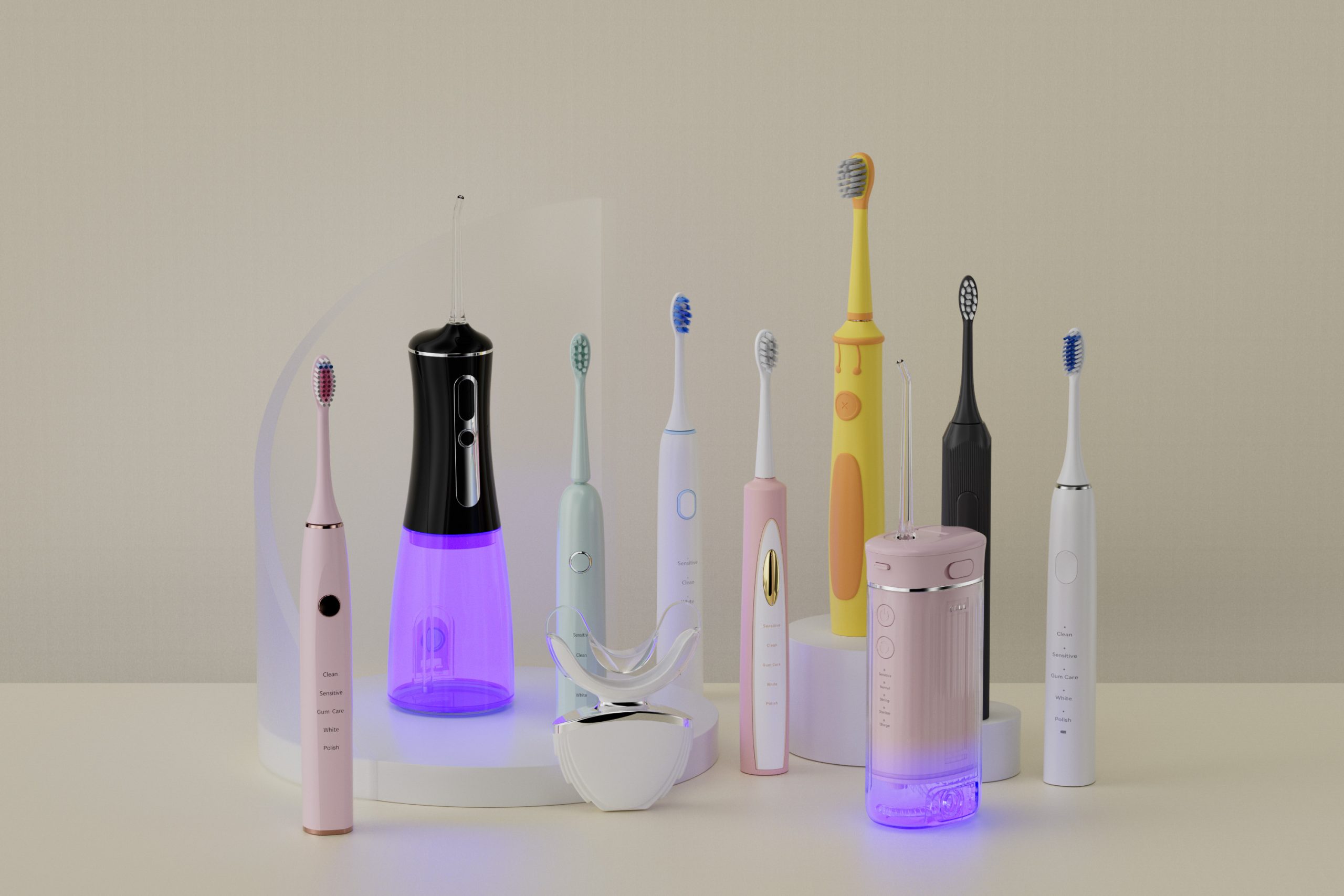
As global consumers become more health-conscious and sophisticated, the oral care sector is undergoing a major transformation. This Consumer Upgrade trend is pushing demand for advanced, effective, and aesthetically refined products. For brands and sourcing managers, understanding how to approach oral care Product Selection Strategies in this new context is essential. The shift toward oral care premiumization is not just about price; it's about delivering value through innovation, materials, user experience, and brand positioning. This blog outlines six key strategies for brands to successfully navigate the premiumization trend and find reliable manufacturers to meet evolving consumer expectations. Identify Emerging Market Trends and Functional Demands Successful product development begins with a deep understanding of market trends. In the era of consumer upgrade, buyers are looking for products that offer more than basic cleaning—features such as: Smart technology integration (e.g. AI-driven brushing feedback) Multi-functionality (e.g. brush + tongue cleaner or flosser combo) Enhanced aesthetic design and user comfort Health tracking and app synchronization Brands should partner with manufacturers who actively follow global oral care product Selection Strategies trends and are capable of agile product innovation based on shifting consumer needs. Define Premium Differentiation: Materials, Technology, and Experience In premium segments, differentiation is key. The upgraded consumer…
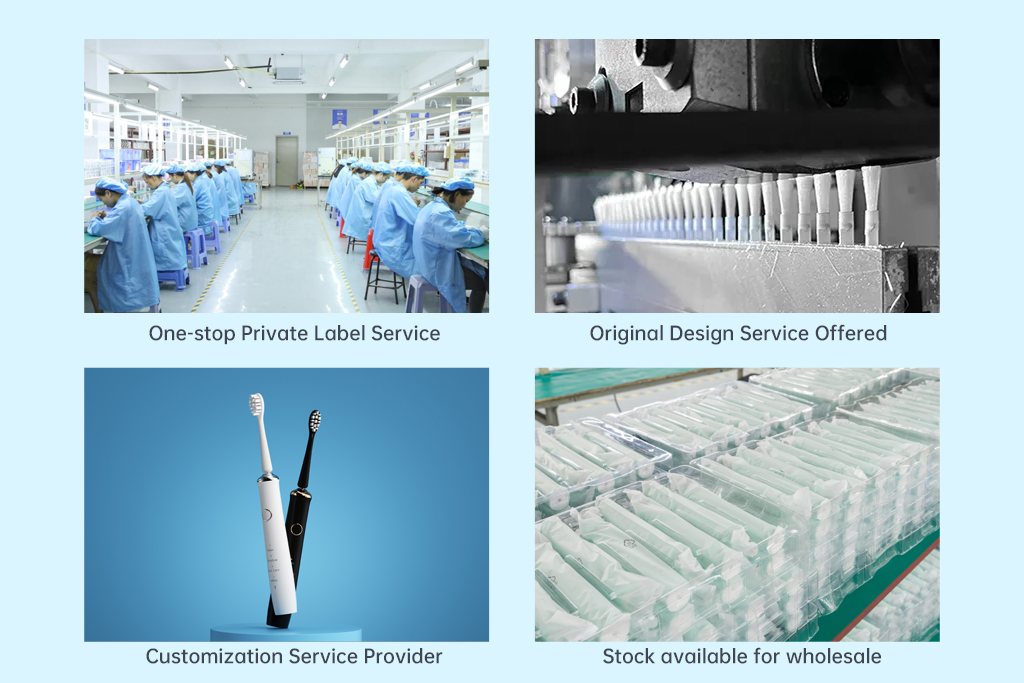
The global oral care market is growing rapidly, with new entrants and evolving consumer expectations shaping the landscape. For oral care brand owners, identifying and focusing on the right Critical Success Factors is key to building a sustainable business. Whether launching electric toothbrushes, water flossers, or complete oral hygiene kits, brands must prioritize market positioning, product differentiation, and operational scalability. This article outlines six core Oral Care Brands Success Factors that define long-term success and can help guide strategic partnerships — especially with manufacturers and OEM/ODM suppliers. Clear Market Positioning: Define Your Niche One of the most vital Critical Success Factors is clear and consistent market positioning. A brand that understands its audience — whether it's premium, value-driven, pediatric, or eco-conscious — can craft targeted messages, select the right channels, and tailor product offerings accordingly. Ask: Are you serving tech-savvy users looking for smart toothbrushes? Or wellness-focused users seeking natural materials and sustainability? Tip: Align your manufacturer’s capabilities with your brand’s identity from the outset. Keyword Used: market positioning, Oral Care Brands Success Factors Product Differentiation: Stand Out in a Saturated Market To capture consumer attention, brands must invest in product differentiation — either through features, design, technology, packaging, or values. In a market flooded…
In an increasingly connected landscape of smart oral care devices, sync errors have emerged as an unexpected contributor to taste distortion complaints. What may sound like an improbable connection—digital synchronization failures affecting sensory perception—has become a real issue for manufacturers seeking to deliver consistent, safe user experiences. If your customers are reporting metallic, bitter, or otherwise unusual tastes while using your products, it may be time to look beyond surface-level causes and scrutinize the underlying technology infrastructure. This article explores why sync errors can impact taste perception, what technical factors are involved, and how manufacturers can design more reliable solutions. Understanding the Role of Sync Errors Sync errors occur when internal systems or modules fail to communicate or update in a timely and accurate manner. In modern devices such as smart toothbrushes and whitening systems, synchronization governs: Motor speed modulation Pulsation frequency timing LED activation and intensity Automated session duration When synchronization drifts or fails outright, it can create unpredictable operational patterns. For instance, a misaligned motor pulse can alter the delivery of active ingredients, leading to taste distortion. How Sync Errors Alter Taste Perception Taste distortion often arises indirectly as a consequence of sync errors: Ingredient Dispensing Timing: If…
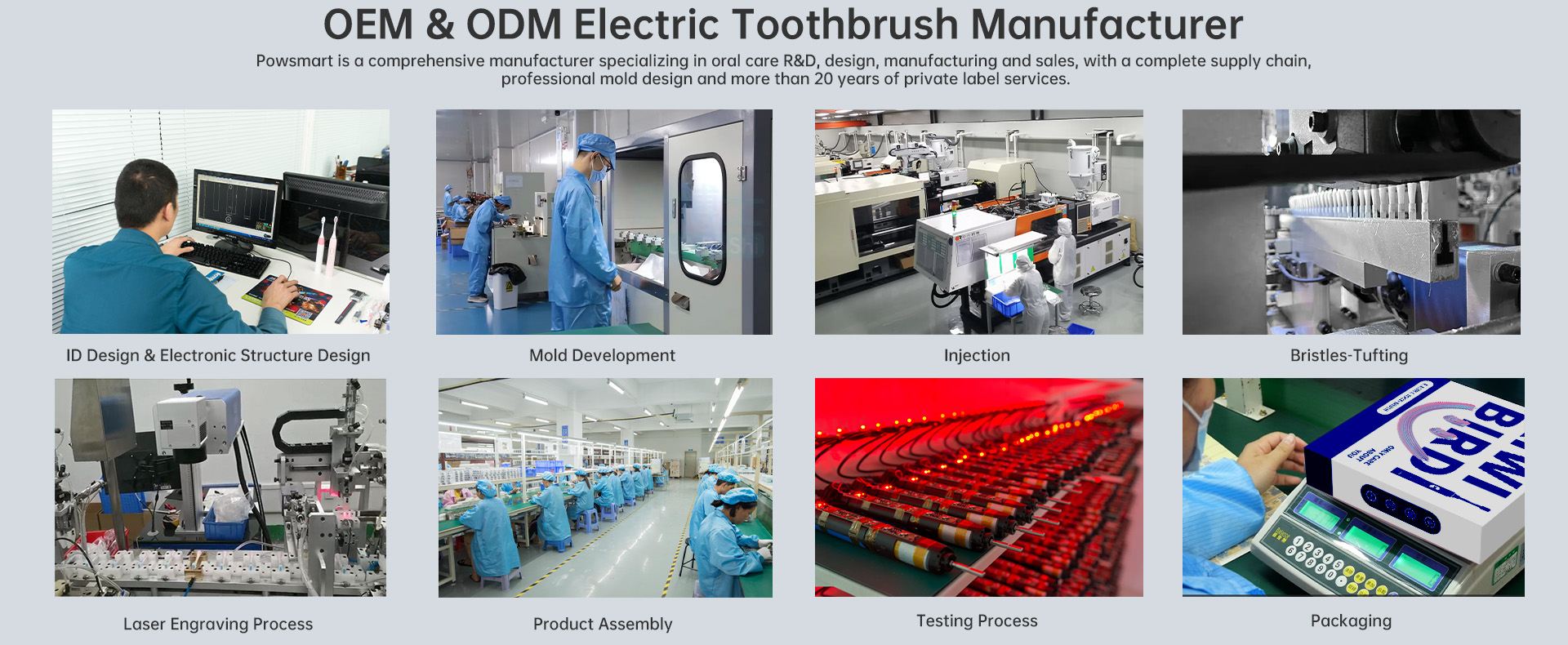
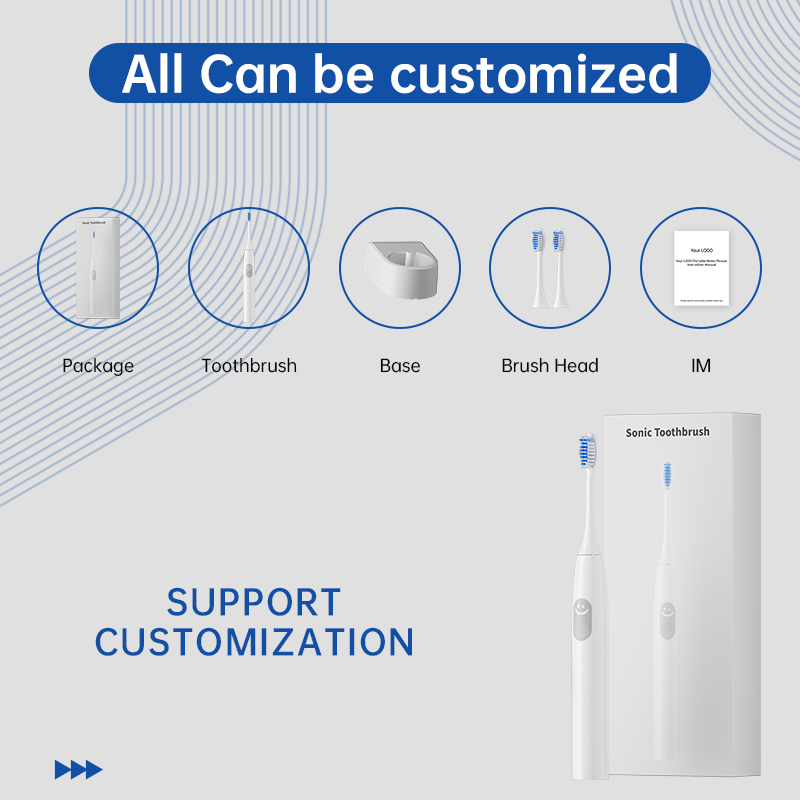
The demand for electric toothbrushes continues to rise globally, with both startups and established oral care brands seeking to expand their portfolios. One of the most effective ways to enter this market quickly and efficiently is through Electric Toothbrush OEM projects. Partnering with an experienced manufacturer allows brands to offer high-quality, customizable products under their own label. However, successful OEM cooperation requires careful planning. In this article, we highlight the essential considerations that any brand should evaluate before starting an electric toothbrush private label or OEM project. Defining Your Product Vision and Brand Goals Before contacting potential manufacturers, it’s critical to define your product vision. What kind of electric toothbrush are you looking to offer — basic entry-level models or high-end smart toothbrushes with Bluetooth and app connectivity? Key Considerations: Target market segment (budget, mid-range, premium) Core features and innovations desired Packaging and branding requirements Clear direction from the brand side helps streamline the electric toothbrush OEM process and avoids unnecessary revisions later in production. Evaluating Manufacturer Capabilities and OEM Experience Not all suppliers are equipped to handle the complexity of Electric Toothbrush OEM projects. Brands should look for manufacturers with proven expertise in oral care device production and the ability to handle…
In an era of rapidly evolving device ecosystems, charger mismatch has emerged as a surprisingly common issue with significant consequences. When chargers are poorly specified or incorrectly paired, they often result in battery incompatibility, posing both performance and safety risks. This article explores how mismatched charging components can undermine battery lifespan and reliability—and what manufacturers can do to prevent these costly failures. What Is Charger Mismatch? Charger mismatch refers to situations where the charger’s output characteristics—such as voltage, current, or connector type—do not align with the device’s battery requirements. This can happen for several reasons: Using a third-party charger not validated by the original manufacturer Employing outdated chargers with newer battery chemistries Mistaking visually similar connectors for true compatibility Even minor deviations in output specifications can gradually degrade battery health or trigger immediate charging failures. How Does Battery Incompatibility Manifest? Battery incompatibility can present through a range of observable symptoms: Failure to charge or incomplete charge cycles Excessive heat buildup during charging Unexpected battery swelling or leakage Shortened runtime despite nominal full charge Irregular shutdowns or sudden power loss These symptoms are often mistakenly attributed to defective batteries, when the real culprit is an incompatible charger. Company web:https://www.powsmart.com/product/electric-toothbrush/ Why Charger…
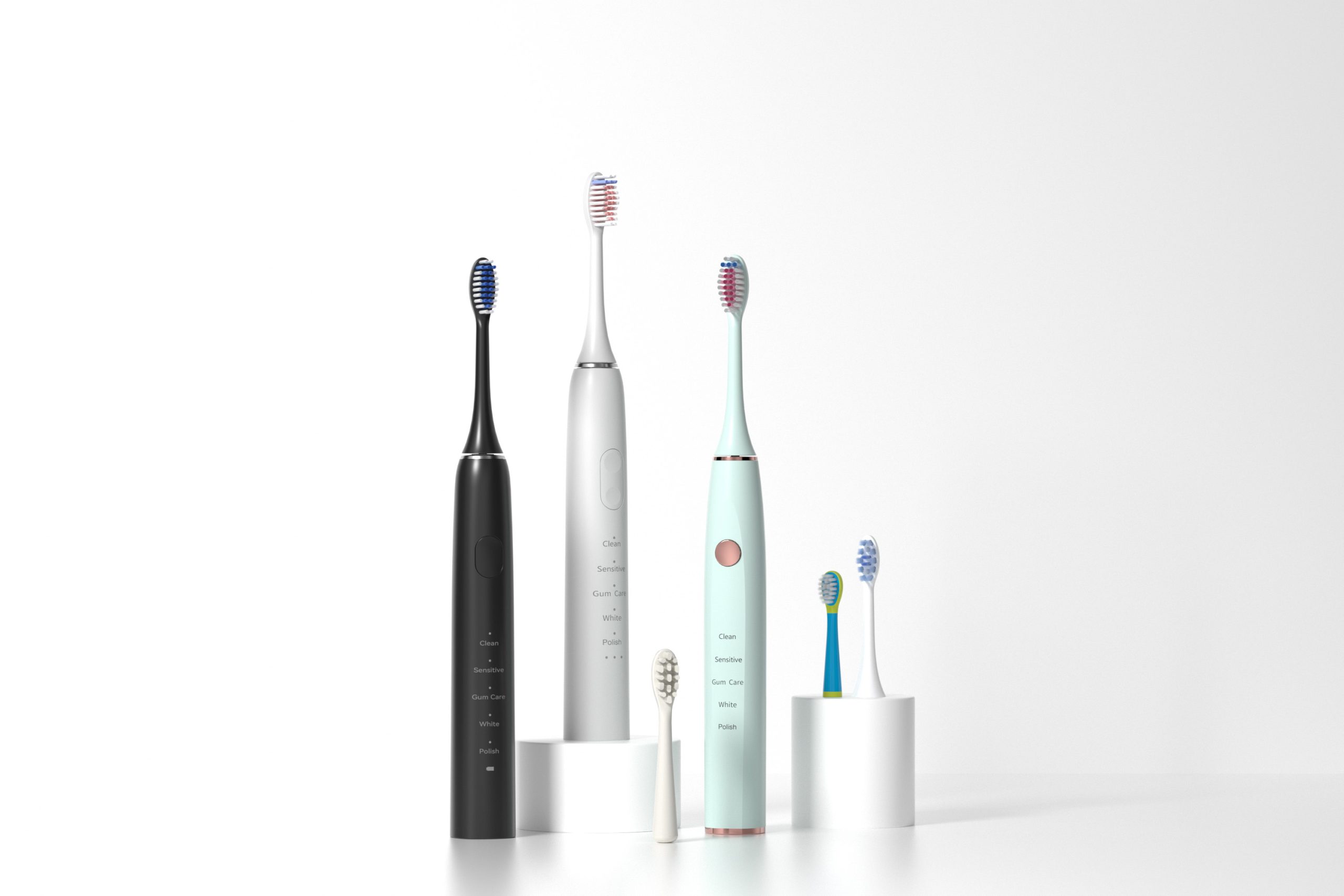
As electric toothbrushes become a standard in modern oral hygiene routines, quality control and product reliability have never been more critical. For oral care OEM partners, and especially for brands seeking factories, understanding common failure points and how to solve them is key to building strong, trustworthy products.This article offers a practical guide for brands & factories to troubleshooting electric toothbrush problems, helping improve production quality, reduce returns, and strengthen long-term customer satisfaction. Battery Life Issues: Why They Occur and How to Prevent Them One of the most frequent complaints in user feedback is related to battery life issues. Whether the toothbrush runs out of power too quickly or fails to hold a charge over time, battery reliability is critical for user retention. Key considerations for brands and factories: Use high-quality lithium-ion batteries from certified suppliers. Optimize PCB design for energy efficiency. Implement smart charging indicators and auto shutoff features to extend battery lifespan. Ensure your oral care OEM partner offers battery cycle testing during quality control. Waterproofing Standards: IP Rating is Not Optional Given the daily exposure to water and moisture, inadequate waterproofing can lead to product failures, electrical shorts, or even safety risks. Adherence to waterproofing standards—especially IPX7 or higher—is essential.…
In the world of oral care devices, particularly water flossers and portable irrigators, two recurring issues often surface in user feedback: hose rupture and gum discomfort. While at first glance these may seem like independent problems—one mechanical, the other user-centric—they are more closely linked than most manufacturers assume. Understanding this relationship is crucial for OEM/ODM suppliers aiming to improve product quality and user satisfaction. What Is Hose Rupture and Why It Occurs A hose rupture refers to internal or external cracking, splitting, or bursting of the fluid delivery tube due to: Material fatigue over repeated use cycles Manufacturing defects or uneven wall thickness Exposure to hot water or pressure surges Poor bonding or aging of inner lining This rupture can be partial (micro-leaks, hairline cracks) or complete (visible burst), both of which can severely affect fluid dynamics. How Ruptures Alter Spray Characteristics When a hose ruptures, even minutely, it disrupts the pressure equilibrium and flow consistency. Instead of a steady, focused jet, users may experience: Irregular pulsation Unpredictable spray angles Surges or drops in pressure This instability in water delivery is one of the hidden contributors to gum discomfort, as the user’s soft tissues are exposed to unexpected force or…
.jpg)
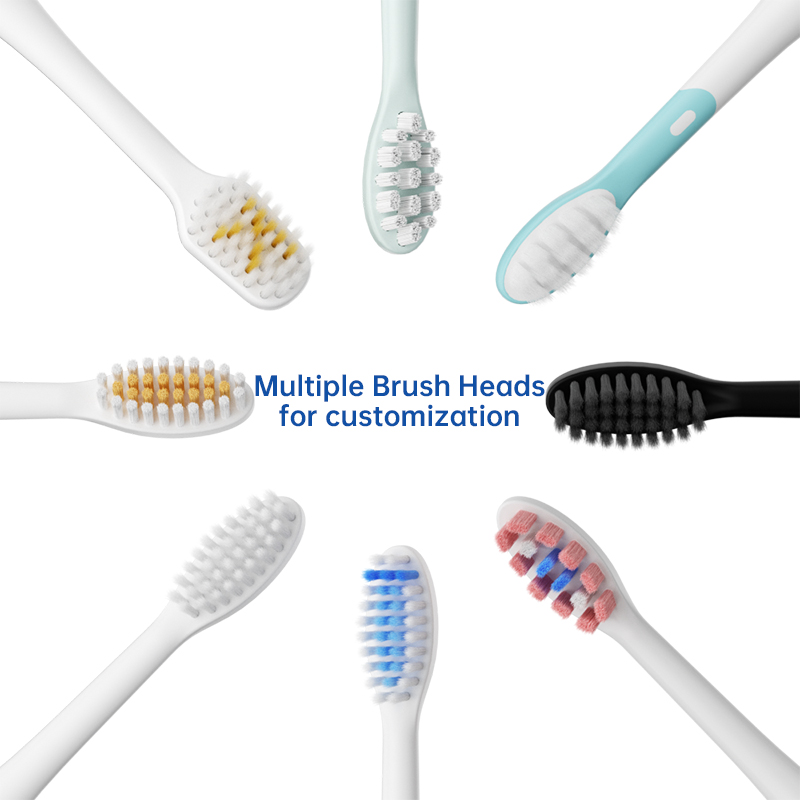
In today's competitive oral care market, cleaning performance is a key differentiator for any electric toothbrush brand. Whether you’re launching a new line or improving your current offering, choosing the right electric toothbrush factory can make or break product performance. Key factors such as sonic technology, brush head design, and quality OEM manufacturing standards all influence the outcome. This blog explores how different factories vary and what to consider when selecting the right partner. The Role of Sonic Technology in Deep Cleaning Toothbrushes One of the primary factors impacting cleaning efficiency is the type of motor technology used. Advanced sonic technology enables toothbrushes to deliver up to 40,000 strokes per minute, creating microbubbles that reach deep between teeth and along the gum line. However, not all electric toothbrush factories implement this technology equally. Top-tier factories invest in high-frequency, stable sonic motors. Lower-end suppliers may compromise on vibration strength and consistency. When selecting a supplier, always evaluate their motor sourcing and engineering capabilities to ensure your brand offers a true deep cleaning toothbrush experience. Brush Head Design: The Unsung Hero of Cleaning Performance Another critical but often overlooked component is the brush head design. Factors such as bristle material, tufting density, and head shape directly impact how…


.jpg)
.jpg)
.jpg)
.jpg)
.jpg)






.jpg)
.jpg)
