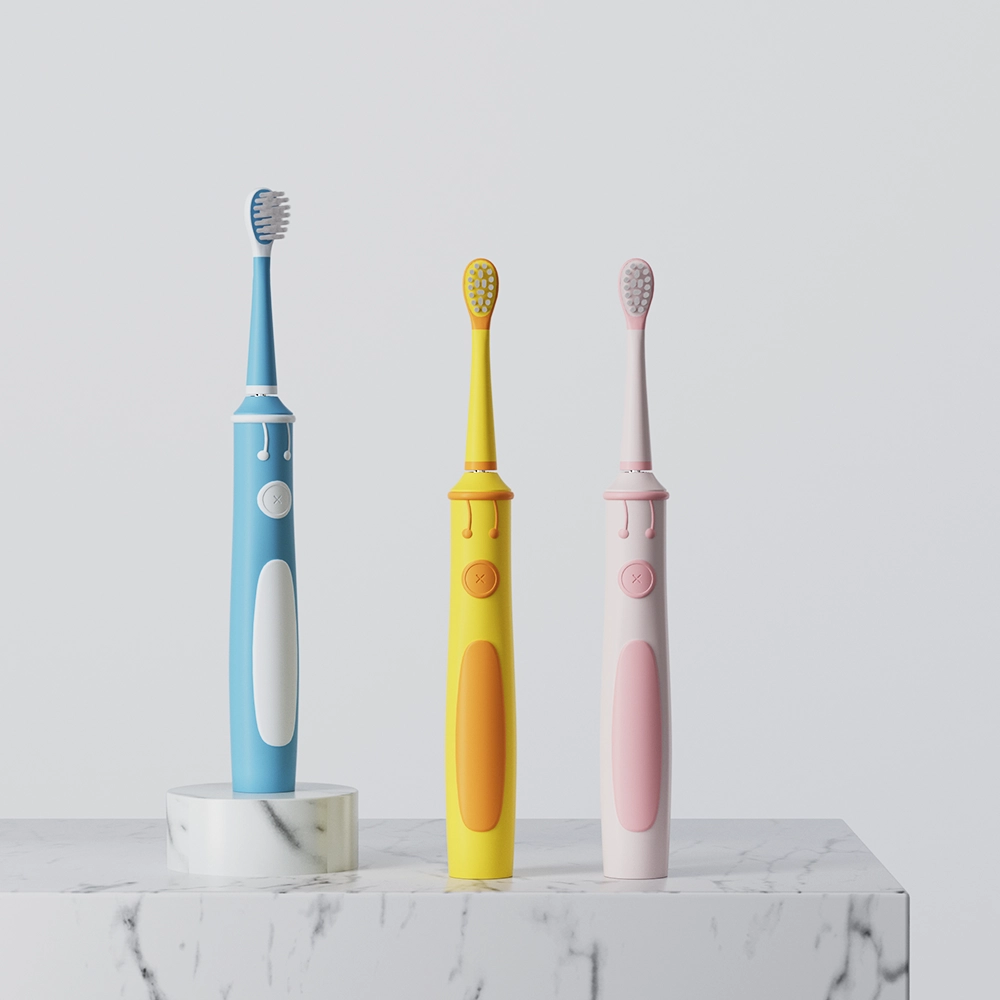
In the pursuit of oral cleanliness, many end users unintentionally adopt an overbrush habit, believing that more force or longer brushing time equates to better hygiene. However, evidence increasingly suggests that excessive brushing can go beyond surface abrasion, triggering deeper biological responses such as pulp inflammation. For B2B device manufacturers and dental technology developers, understanding this connection is critical to designing tools that not only clean effectively but protect long-term dental health.
The overbrush habit is typically defined by:
This behavior often stems from consumer misconceptions about oral hygiene, lack of device feedback, or poor ergonomic design that doesn’t intuitively correct user misuse.
While overbrushing is commonly associated with enamel erosion or gingival recession, the real danger lies beneath. When enamel is stripped and dentin exposed, the dental pulp—which contains nerves and blood vessels—becomes vulnerable. Prolonged mechanical stress or thermal sensitivity from exposed dentin can lead to pulp inflammation, a condition that may start subtly but escalate into:
For OEM/ODM partners and electric toothbrush makers, understanding pulp inflammation caused by overbrush habit has significant implications:
Failure to address this risk could reduce user retention and invite clinical pushback.
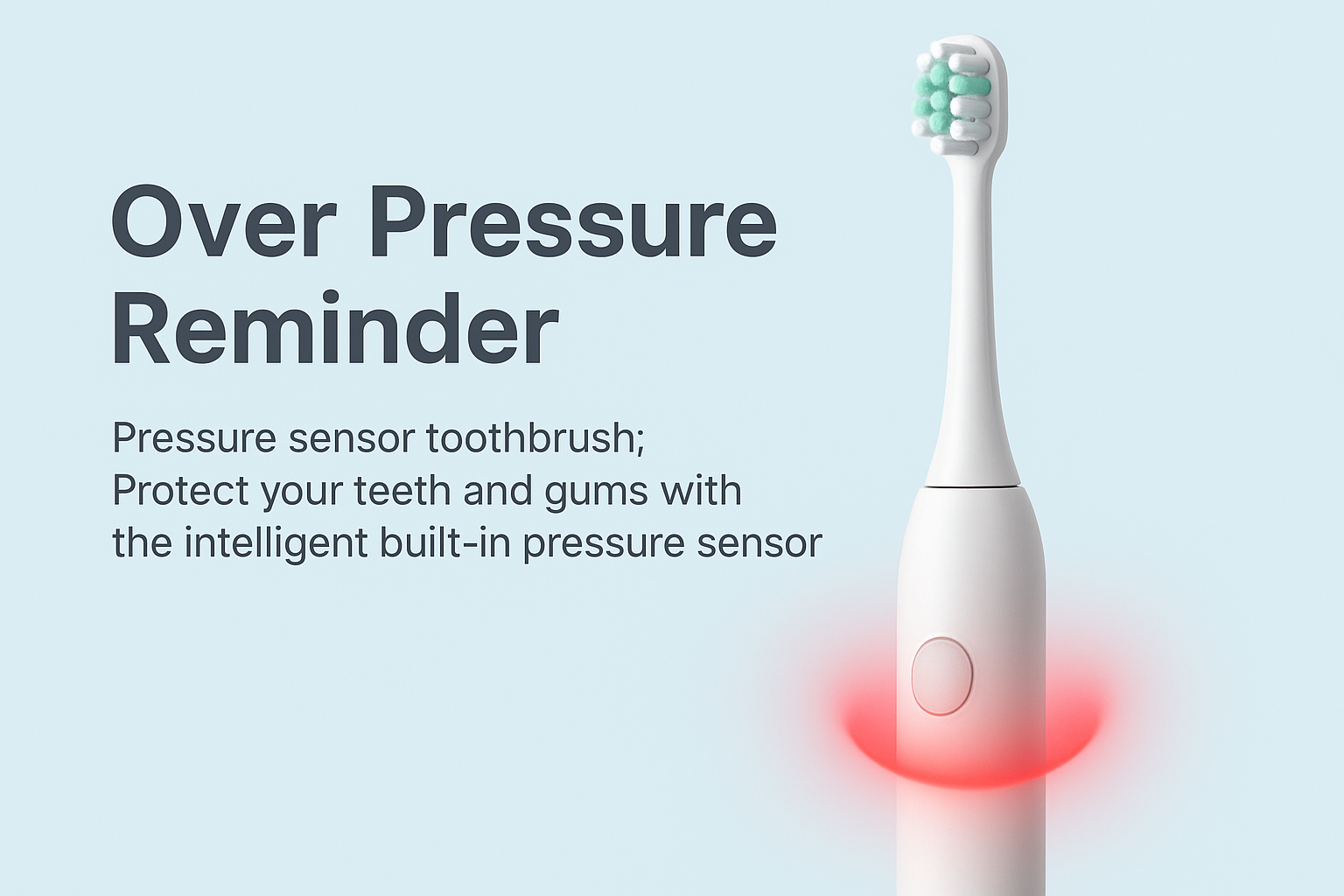
Leading B-end suppliers are incorporating advanced features to reduce the risks associated with overbrushing:
These design strategies reflect a shift from “more cleaning” to “smarter cleaning.”
In addition to device intelligence, material selection plays a key role in mitigating inflammation risks:
Combining materials science with ergonomic awareness ensures holistic protection against pulp inflammation.
From a B2B marketing standpoint, building devices that help prevent overbrush habit and its severe outcome—pulp inflammation—can be a powerful differentiator. Brands increasingly seek:
By embedding these concerns into R&D, manufacturers can lead in a category where oral health meets digital intelligence.
The link between overbrush habits and pulp inflammation is a sobering reminder that oral care technology must evolve with biology in mind. For device manufacturers and B2B partners, this represents both a challenge and an opportunity: to deliver not just hygiene, but protection—against the very behaviors our users may not realize are harmful.
Smart sensing, thoughtful materials, and user education form the triad of defense. And in this case, prevention may be the only way to ensure the damage remains reversible. Contact us
-300x300.jpg)
-300x300.jpg)

The Teeth Whitening Market Is Booming: How Can Brand Owners Connect with Reliable Teeth Whitening Device Factories?
Can a Gingival Sulcus Cleaner integrate a Thermochromic Indicator for safety monitoring?
.jpg)
Compatibility Confusion with Nozzle Replacement? What OEM Buyers Must Know
Wireless Charging Toothbrush Factory | Contactless Power for Modern Hygiene
Electric Toothbrush OEM Manufacturer for Global Brands | Custom Production & Compliance

Can Reliable Water Flosser Component Suppliers Support Cordless Water Flosser Manufacturing?
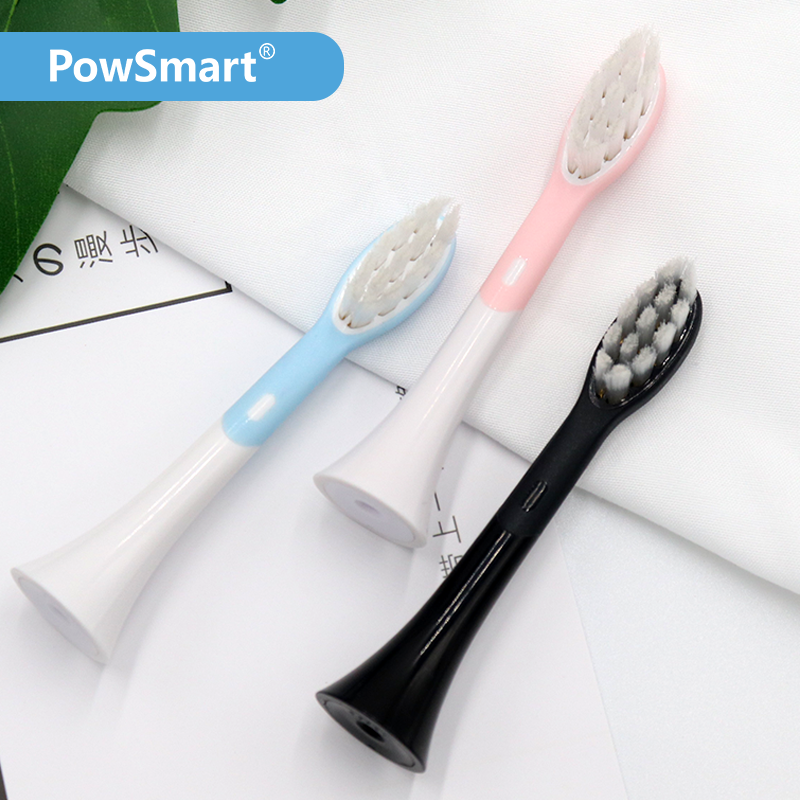
Why Is the Powsmart Ortho Head Key to the Clean Braces Technique?
replaceable brush head toothbrush supplier | OEM & Private Label Factory in China
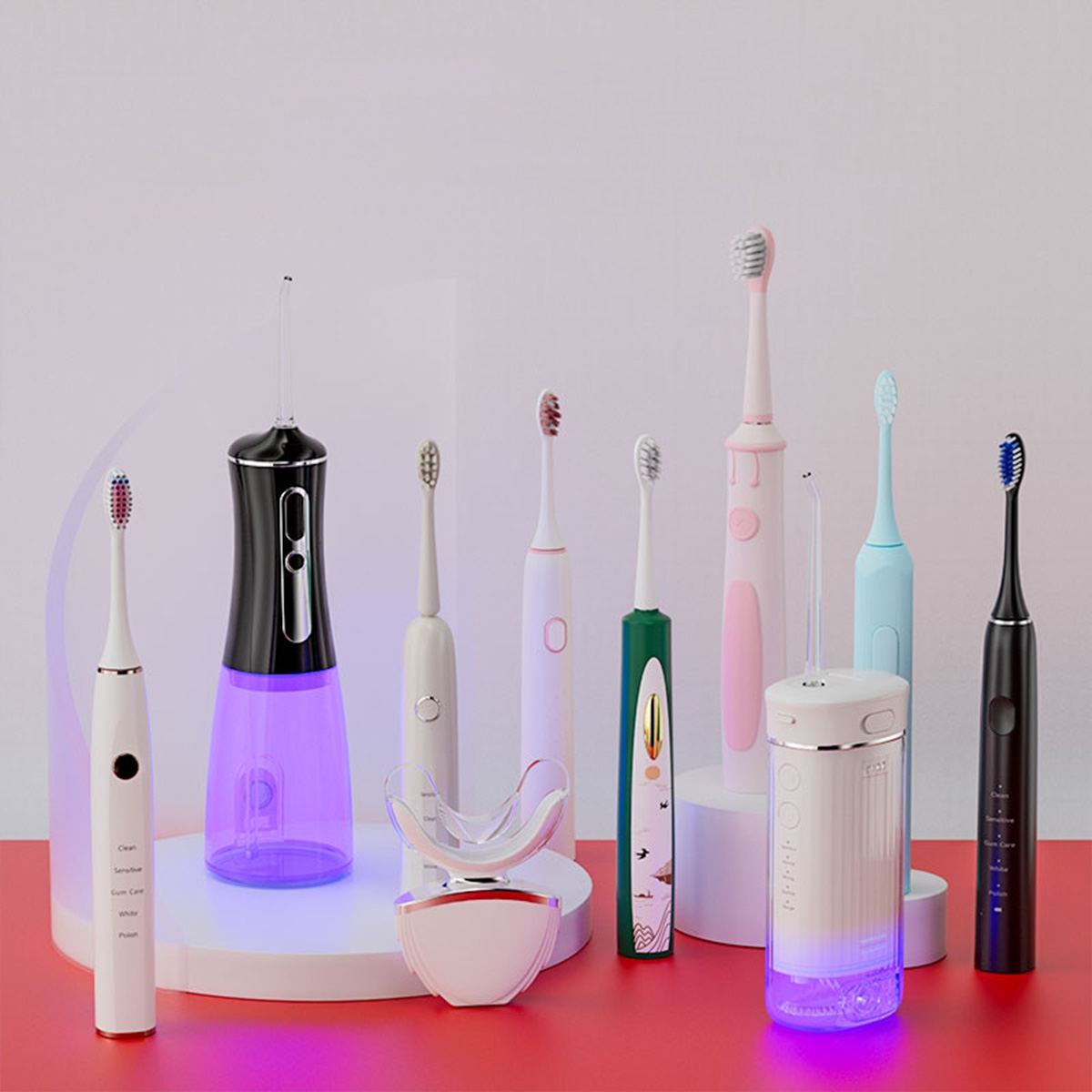
Electric Toothbrush & Water Flosser Combination Set: How to Increase the Average Transaction Value through Scenario-Based oral care products Design?
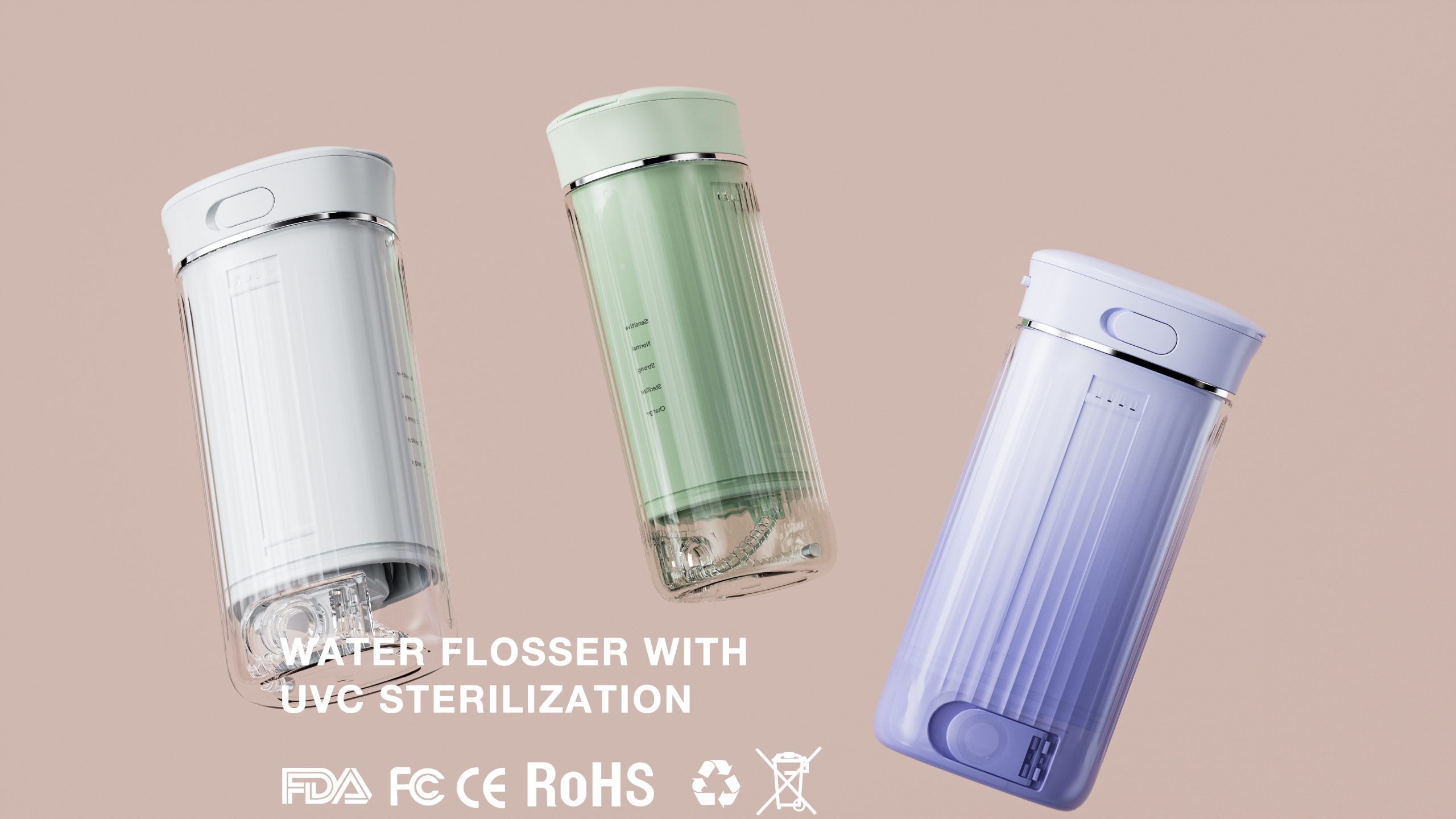
Can a Folding Toothbrush Design Make This Travel Electric Toothbrush Fit in a Wallet?
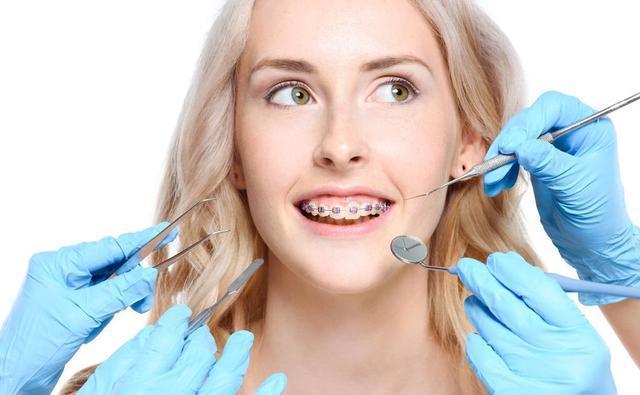
Best Dentist-Recommended Braces Cleaning Products for Braces Wearers
.jpg)
What’s the Gentlest Brush for Gums?
Why use Quad-brush Synchronization with Vortex Chamber Technology in advanced flossers?
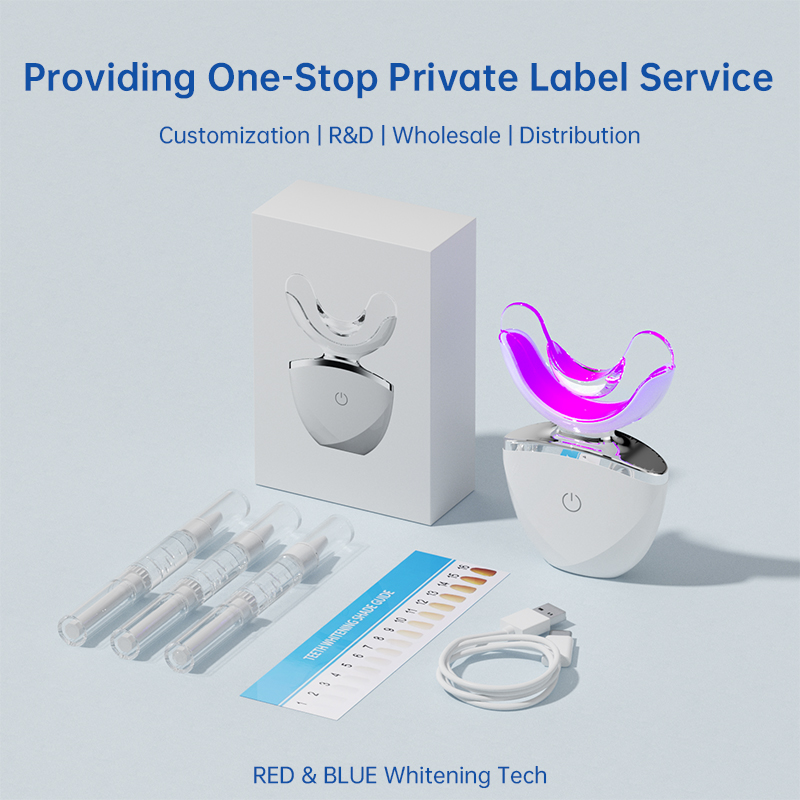
Professional vs. Home Use: Key Technical Differences in Teeth Whitening Blue Lights

Exploring electric toothbrush supplier evaluation?
.jpg)
Gum Care Electric Toothbrush Manufacturing – Clinically Proven Oral Care


.jpg)
.jpg)
.jpg)
.jpg)
.jpg)