For brands and buyers seeking to expand in the children’s oral care segment, sourcing a Non-Toxic Kids Brush OEM partner seems like a logical and safe starting point. After all, when products are labeled “non-toxic,” it should automatically imply they’re safe for children, right? However, beneath the marketing label lies a more complex reality — one that raises important questions about child safety beyond just material claims. In this article, we explore how “non-toxic” is defined, whether OEM claims are truly validated, and how manufacturers can go further to genuinely ensure child safety in every brush produced.
In the B2B manufacturing landscape, “non-toxic” is not a universally regulated term. While many Non-Toxic Kids Brush OEM suppliers claim compliance with safety standards, the depth of testing and the breadth of materials involved vary widely:
Thus, OEM buyers must clarify whether their suppliers are referring to a specific certification (like EN71, FDA, or CPSIA) or using a general, unverified marketing term.
Even with a “non-toxic” material base, multiple hidden design and production risks can compromise child safety, including:
OEM clients must ensure that the Non-Toxic Kids Brush OEM partner performs rigorous usability and mechanical testing — not just chemical composition checks. Company web: https://www.powsmart.com/product/electric-toothbrush/
True child safety involves end-to-end thinking in design, including:
When OEMs cut corners on these design elements — even with “non-toxic” components — the child safety profile deteriorates significantly.
Before placing a private-label or branded order, OEM buyers should demand the following from their Non-Toxic Kids Brush OEM partner:
A supplier that simply claims “non-toxic” without proof of these safeguards may be risking more than just their client’s trust — they could be risking end-user safety.
For brand owners in the kids’ oral care segment, child safety isn’t just a compliance issue — it’s a powerful brand value. Today’s parents are highly sensitive to:
Working with a proven Non-Toxic Kids Brush OEM that exceeds industry safety standards can become a key differentiator in a saturated market.
While sourcing from a Non-Toxic Kids Brush OEM is an essential first step, it does not guarantee child safety unless it’s backed by intelligent design, multi-layer testing, and responsible production oversight. Brands aiming to build long-term trust in the children’s segment must demand more than material labels — they must build partnerships with OEMs who prioritize the full lifecycle of safety, from material to mouth.
At POWSMART, we believe safety begins with precision and ends with accountability. If your brand values transparency and protection for the youngest users, we’re ready to support your vision with real, tested safeguards — not just labels. Contact us
.jpg)
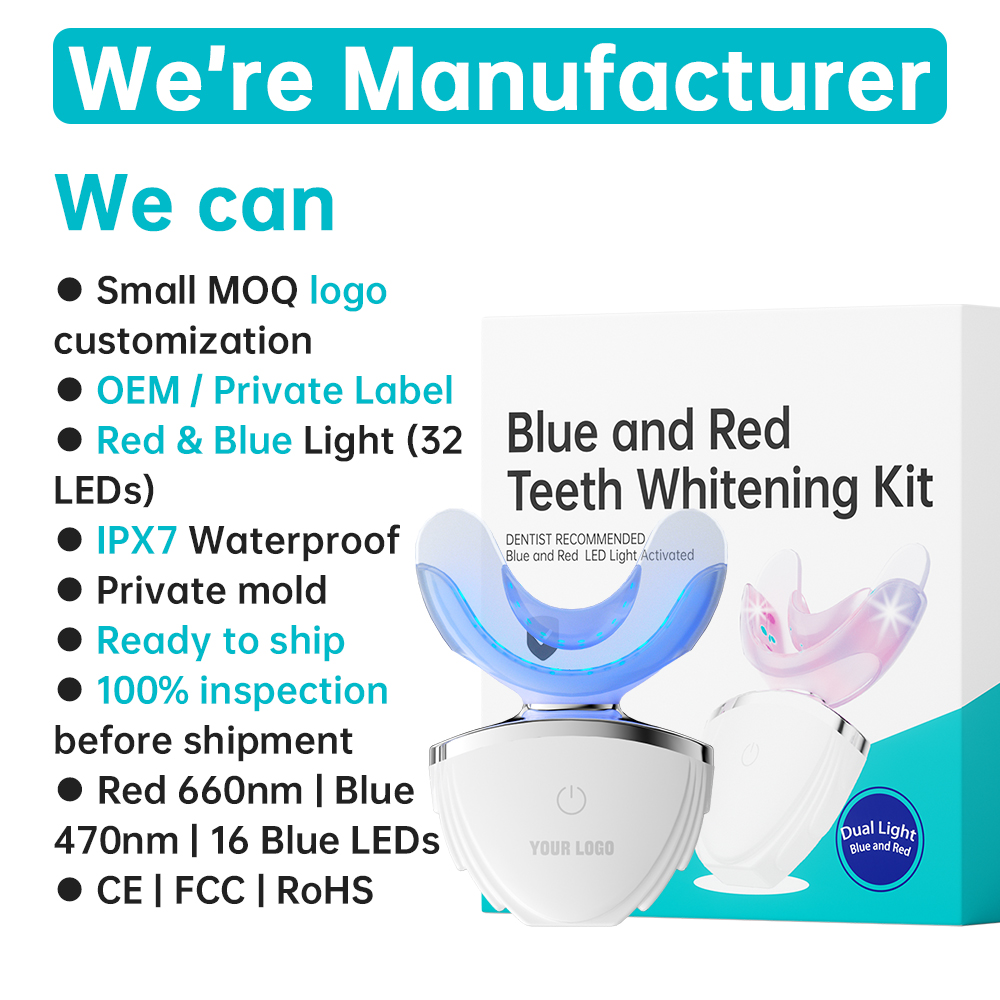
Teeth Whitening Kit Private Label Solutions for B2B Brands
Powsmart Electric Toothbrush: The Ultimate Choice for a Healthy Smile
How Does Precision Nozzle Manufacturing Impact Your Brush Head Replacement Supply Chain?
Discover the Ultimate Oral Care Solution with PowSmart Electric Toothbrushes from China
Discover the Best Electric Toothbrushes from PowSmart, the Leading Manufacturer in China
Discover the Ultimate Oral Care Solutions with PowSmart Electric Toothbrush Manufacturer in China
.jpg)
Is Your IPX8 Waterproof Toothbrush Designed for Safe Shower Use Product Labeling?
PowSmart: Top Electric Toothbrush Manufacturer in China for the US Market

How does a high-performance Water Pump OEM partnership ensure the success of Precision Nozzle Manufacturing?
Discover the Ultimate Oral Care Solution with PowSmart Electric Toothbrushes
.jpg)
Confused About Electric Toothbrush Minimum Order Quantity?
Discover the Ultimate Oral Care Solutions with PowSmart Electric Toothbrush Manufacturer in China
.jpg)
What Are Typical Electric Toothbrush Delivery Lead Time and Electric Toothbrush Payment Terms?
Discover the Best Electric Toothbrushes from Powsmart: Your Ultimate Oral Care Solution in the US
Discover the Best Electric Toothbrushes from PowSmart: Your Ultimate Oral Care Solution
Can a Rechargeable Battery Solution power an LED Display Module efficiently in flossers?


.jpg)
.jpg)
.jpg)
.jpg)
.jpg)





.jpg)
.jpg)