
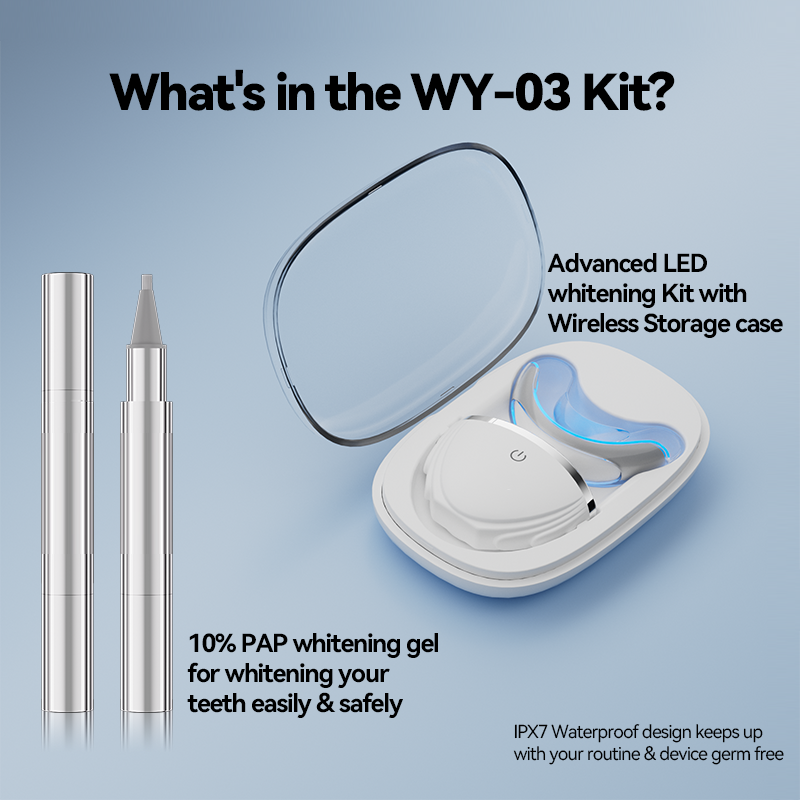
As the demand for aesthetic dental solutions grows globally, teeth whitening continues to be one of the most sought-after cosmetic procedures. For oral care brands and product developers, understanding not only the whitening agents but also the full care cycle — including teeth whitening precare and teeth whitening aftercare — is essential for product positioning, consumer education, and R&D planning. This blog outlines the best teeth whitening practices, helping brand owners create comprehensive oral care solutions that extend beyond the whitening gel or device itself. Whether you're launching a new whitening line or seeking a reliable oral care manufacturer, knowledge of pre- and post-whitening dental care can enhance your brand's credibility and customer satisfaction. How to Prepare for Teeth Whitening: Key Precare Guidelines Before any whitening treatment, a proper precare routine ensures better results and reduced sensitivity. Here are the core elements of how to prepare for teeth whitening: Professional dental cleaning: Encourage users to get a dental cleaning to remove surface stains and tartar before whitening. Desensitizing prep: Recommend the use of toothpaste with potassium nitrate or fluoride 1–2 weeks prior to reduce post-treatment sensitivity. Avoid staining foods: Cut down on coffee, tea, red wine, and tobacco before treatment for at least 48 hours.…
-3-scaled.png)
Teeth whitening has become one of the most sought-after cosmetic dental procedures worldwide. With rising demand for over-the-counter whitening products and professional kits, it's critical to focus not only on results but also on safety. Whether you are a dental care brand developing a new whitening line or a distributor seeking a teeth whitening manufacturer, understanding common teeth whitening mistakes is essential to ensure your products align with safety standards and user needs.This blog outlines key things that should be avoided during teeth whitening treatment, both for consumers and for brands aiming to produce safe and effective whitening solutions. Using Unapproved or Unregulated Whitening Agents One of the most common and dangerous teeth whitening mistakes is using unapproved or excessively concentrated whitening agents like hydrogen peroxide or carbamide peroxide. Products not tested or certified can lead to serious side effects such as gum burns, tooth sensitivity, and permanent enamel damage. Tip for Brands: When selecting a manufacturing partner, ensure they use clinically approved and ISO/GMP-certified ingredients. This ensures your product meets international safe teeth whitening treatment standards. Whitening Without a Professional Assessment Attempting whitening without a dentist’s assessment can be risky. Conditions like cavities, gum disease, or existing dental work (crowns, fillings) can complicate treatment…
.jpg)
As global populations age, the silver economy—economic activity driven by consumers aged 50 and above—continues to expand rapidly. This demographic shift presents valuable opportunities for oral care brands. While younger audiences often dominate marketing conversations, the senior oral care market is emerging as a powerful, underserved segment. In this blog, we explore why the middle-aged and elderly consumer group holds high potential for electric oral hygiene products, and how brands can partner with the right manufacturing experts to tap into this growing demand. Changing Oral Health Needs in the Aging Population As people age, their oral health challenges become more complex. Common issues include gum recession, dry mouth, tooth sensitivity, and dexterity loss. These changes call for tailored solutions—not just basic hygiene tools. For example: Older adults may struggle with manual brushing due to arthritis or reduced motor control. Dental work such as implants, bridges, or partial dentures requires gentle but effective cleaning. This is where age-friendly dental products—particularly electric toothbrushes and oral irrigators designed for elderly users—can make a meaningful difference. Electric Toothbrushes for the Elderly: A Product-Market Fit Electric toothbrushes for the elderly offer several advantages over manual brushes: Ease of use: With ergonomic handles and automated cleaning action, electric…

In today’s booming oral care market, the home teeth whitening device has become a highly sought-after product due to its convenience and effectiveness. However, one common concern reported by end-users is: “Why do my teeth feel sore after using a teeth whitening device?” For oral care product brands, understanding and addressing such feedback is essential — not only for enhancing product design and efficacy but also for choosing the right teeth whitening manufacturing partners who prioritize both safety and performance.This blog explores the most common causes of teeth feel sore during the use of whitening devices, highlights key abnormal phenomena to monitor, and provides insights for brands to consider when developing or sourcing whitening products. Why Do Teeth Feel Sore After Whitening? Tooth sensitivity or soreness is a common reaction reported after using a home teeth whitening device. While temporary, it can raise customer concerns and negatively impact brand perception. The main reasons include: Enamel dehydration: Whitening agents can temporarily remove moisture from the enamel, causing nerves to be more exposed and sensitive. High concentration of peroxide: Many over-the-counter devices use carbamide or hydrogen peroxide; higher concentrations may increase whitening speed but also cause discomfort. Improper fit of trays or strips: Ill-fitting trays…
.jpg)
In the world of personal care appliances and handheld devices, ergonomic discomfort has emerged as a silent but persistent issue affecting user satisfaction. One common consequence that arises from poor design is grip fatigue, especially during prolonged or repetitive use. When these two factors interact, the result is often diminished performance, negative user feedback, and elevated product returns—raising important questions for manufacturers and OEM partners alike. Understanding Ergonomic Discomfort in Product Design Ergonomic discomfort typically stems from poor alignment between the product’s shape and the user’s natural hand posture. Causes include: Awkward grip angles Unbalanced weight distribution Improper button placement Inflexible or overly textured materials Such discomfort doesn't just affect comfort—it actively leads users to overcompensate with tighter gripping force, setting the stage for grip fatigue. What Is Grip Fatigue—and Why It Matters Grip fatigue refers to the muscular exhaustion that results from sustained hand contraction. In electric toothbrushes, oral irrigators, or grooming tools, this can manifest as: Tingling or soreness in the hand and wrist Reduced control during use Unintended drops or slips Early product abandonment by users Grip fatigue is especially concerning for older adults or users with pre-existing joint issues, amplifying the urgency of ergonomic precision. Company…
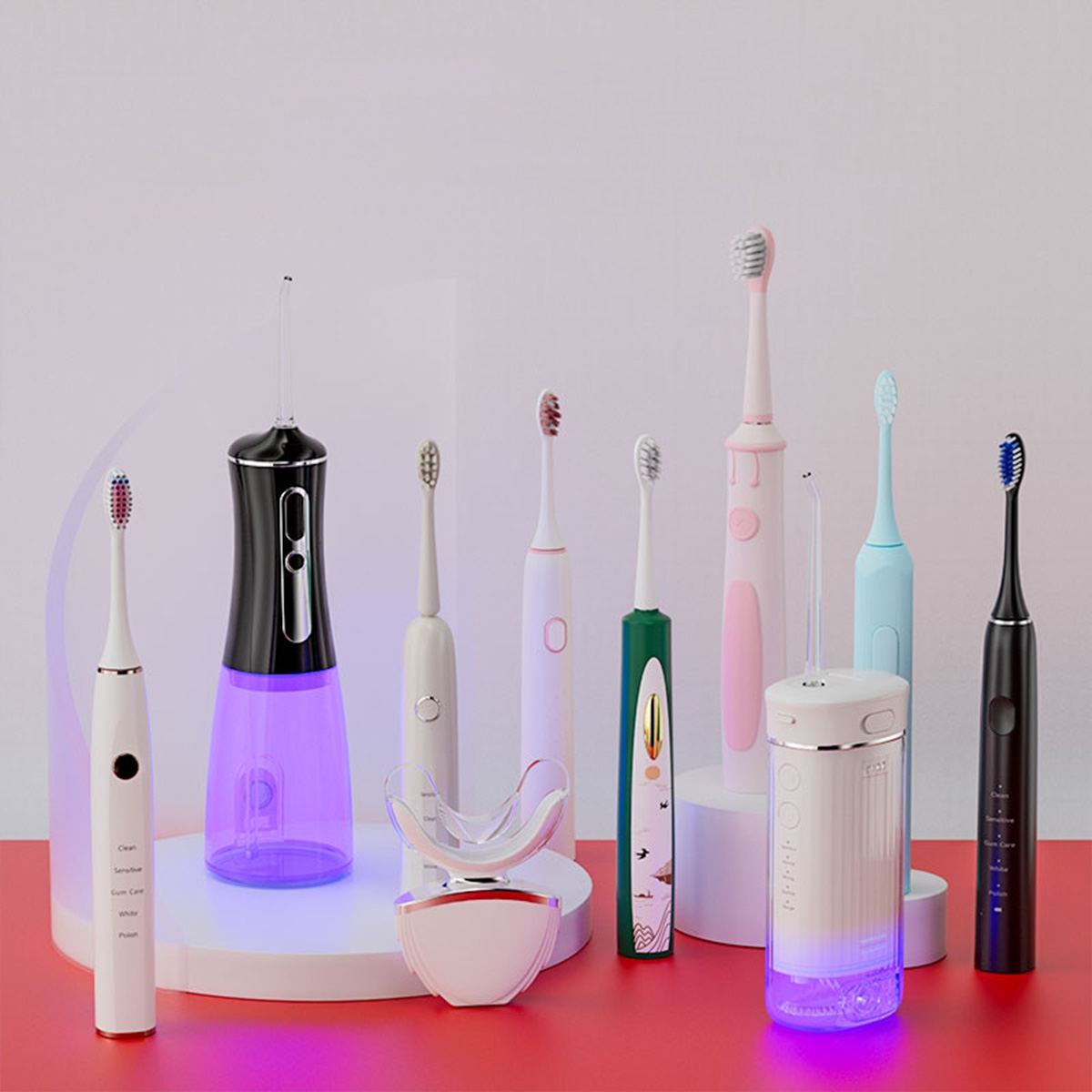
In today’s competitive personal care market, consumers are increasingly drawn to solutions that offer both effectiveness and convenience. For oral care brands, bundling products like teeth whiteners and high-quality toothbrushes into thoughtfully curated oral care combos represents a powerful strategy to deliver higher-value offerings. Not only does this approach increase consumer satisfaction, but it also opens new growth avenues for brand owners—especially when working with experienced, scalable manufacturers.This blog explores why toothbrush product bundles that include whitening kits are on the rise, and how oral care brands can leverage these bundles to gain market share and maximize customer lifetime value. Market Demand: The Rise of Whitening and Value-Driven Oral Care The global demand for teeth whitener products continues to rise, driven by consumers’ desire for a brighter smile and self-confidence. Simultaneously, users seek more comprehensive and time-efficient oral care routines. Whitening is no longer a luxury; it’s part of many consumers’ daily hygiene. Consumers prefer whitening kits that pair easily with their brushing habits. The popularity of subscription-based or e-commerce oral care brands further drives the need for oral care combos that offer visible results and routine integration. Benefits of Product Bundles: More Than Just Convenience Bundling a toothbrush with a teeth whitener delivers value on multiple levels:…

In recent years, the rising market potential of at-home teeth whitening device, driven by consumers’ increasing focus on appearance, dental aesthetics, and convenience. As professional cosmetic dentistry treatments remain expensive and time-consuming, a growing number of consumers are turning to home whitening kits as a more accessible solution. For oral care brands, this represents a significant opportunity to expand product lines and capture market share through innovative, affordable at-home solutions. Market Drivers: Why the At-Home Whitening Segment Is Booming Several factors are fueling the rapid expansion of this sector: Increased awareness of dental aesthetics, especially driven by social media and video conferencing culture. Affordability and convenience compared to in-clinic cosmetic procedures. Technological innovation in LED whitening devices and peroxide-free formulas. Wider consumer acceptance of do-it-yourself dental care. As a result, the rising market potential of home teeth whitening kit is projected to reach multi-billion-dollar figures globally in the next few years, with double-digit growth expected particularly in North America, Europe, and parts of Asia. Understanding the Product Landscape: Types of Home Whitening Kits Today's home whitening kits are more advanced than ever. The most popular product categories include: LED-powered whitening devices with blue light activation Whitening pens and strips Foaming toothpastes and gels Wireless smart devices connected to mobile…
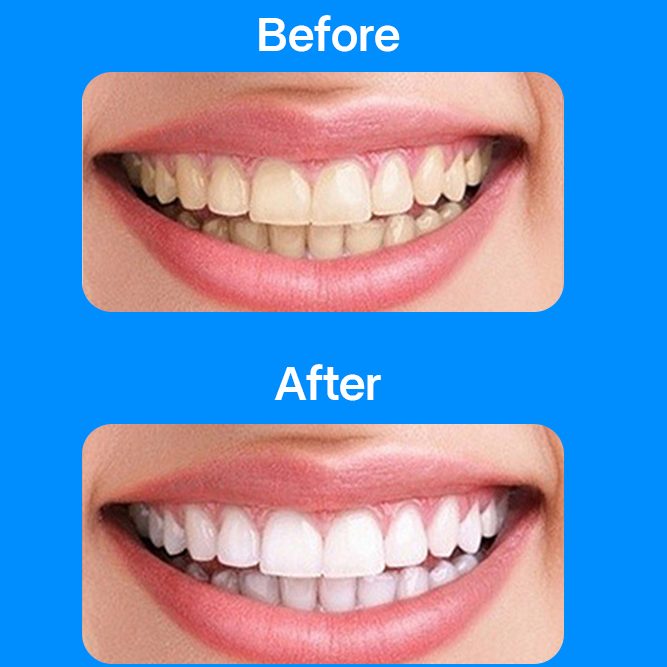
As the demand for at-home cosmetic dental solutions continues to rise, the home teeth whitening device has become one of the most sought-after tools in oral care. For oral care product brand owners, ensuring consumer satisfaction doesn't stop at manufacturing quality — it also depends heavily on how well end-users understand proper use. Therefore, communicating the correct precautions during use and guidance on how to maximize the effectiveness of the home teeth whitening device becomes a vital brand responsibility. This article provides a strategic overview for brand managers looking to ensure customer satisfaction and product performance through proper usage education. Understand the Core Mechanism Before Use Before consumers begin whitening treatments, it's essential they understand how the device works — whether it uses LED light activation, peroxide gel, or blue light technology. Without this knowledge, incorrect handling may reduce the effectiveness of the home teeth whitening device. Brand owners should work closely with manufacturers to include simple, multilingual instructions and intuitive visuals. Key Precaution: Avoid using the device without reading the product manual in full. Misuse can lead to tooth sensitivity, gum irritation, or unsatisfactory results. Timing and Frequency: Follow Guidelines Strictly Many users mistakenly assume that longer or more frequent use leads…
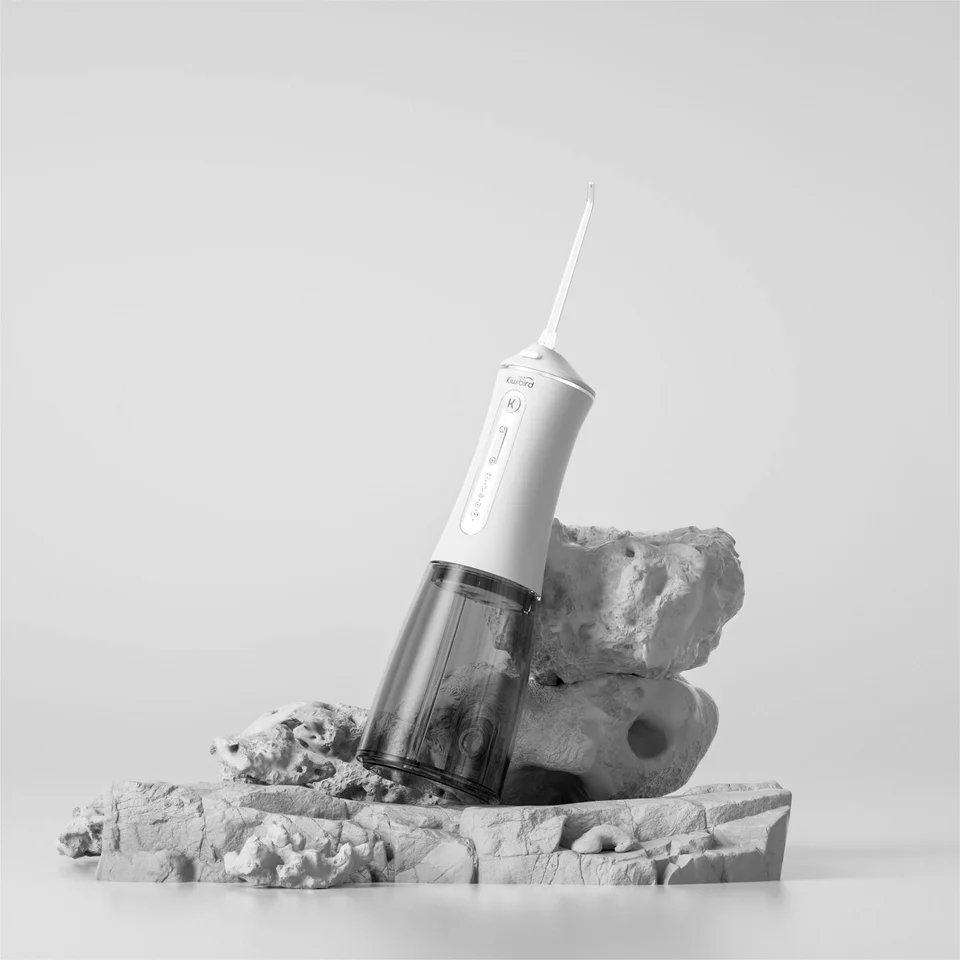
In today’s competitive oral care market, offering combinations of oral care products in well-thought-out sets has become a strategic tool for increasing brand visibility and boosting customer loyalty. Whether you're a DTC startup or a growing distributor, knowing how to structure effective bundles can be a game-changer. This article explores different sets of oral care products you can manufacture and package together, along with practical tips for promoting sales and growing your brand footprint. Why Product Combinations Drive Growth Consumers are increasingly drawn to comprehensive oral care routines. Rather than purchasing single items, they are looking for convenient, value-added sets. For brand owners, this offers a golden opportunity: Higher average order value (AOV) Increased perceived value Cross-selling and up-selling opportunities Enhanced customer retention By offering combinations of oral care products that meet diverse user needs (e.g., cleaning, whitening, gum health), brands can expand their product ecosystem and increase customer lifetime value. Popular Oral Care Product Sets to Consider Here are some proven different sets of oral care products that appeal to a broad range of consumers: A. Starter Kits Perfect for first-time buyers or gift packs. Usually include: Electric toothbrush x1 Travel toothpaste x1 Tongue cleaner x1 Optional: Mouthwash sachet x1 B. Whitening Focused Sets…
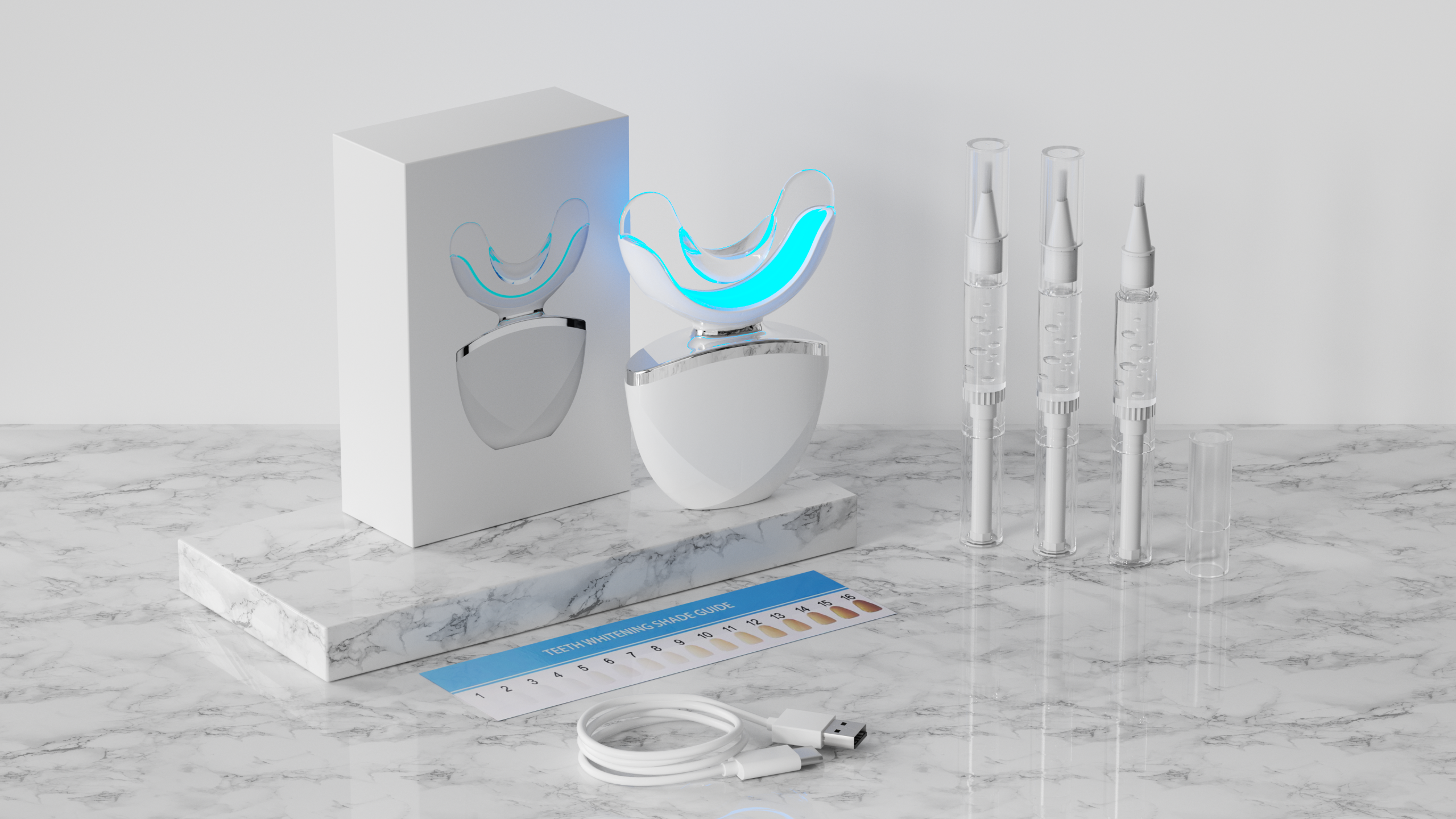
In recent years, the oral care segment has seen a surge in demand for home teeth whitening devices, driven by the consumer’s growing attention to aesthetics, health, and self-image. The market potential and growth of home teeth whitening continues to expand as consumers increasingly prefer at-home solutions that are both cost-effective and convenient. For oral care product brands, understanding what drives this trend — particularly the consumer psychology behind it — is essential. From a strategic oral care products factory perspective, aligning with these consumer needs opens up new avenues for product development, innovation, and market penetration. Understanding the Consumer Psychology: More Than Just White Teeth Personal confidence enhancement: A whiter smile is strongly associated with attractiveness, youthfulness, and professional appeal. Consumers believe that improving their teeth color can boost their self-confidence and social presence. Social media influence: In the age of selfies and video calls, visible appearance — especially smiles — has become a focus area for consumers of all ages. Health association: Many consumers equate white teeth with good health, even if that perception is largely aesthetic. These emotional motivators play a critical role in purchase decisions. Brands that tap into this mindset can better position their products for long-term success.…
When it comes to child safety, the materials used in kids' electric toothbrushes play a critical role. With increasing concern around material toxicity, parents are more cautious than ever, and brands that manufacture or supply children's oral care products must meet rising standards. For B2B buyers—whether you're sourcing for retail, OEM, or private label—understanding the safety implications of materials is no longer optional, it's essential. Why Child-Specific Material Standards Matter Children’s oral tissues are more sensitive, and their immune systems less developed than adults'. A brush head made from substandard plastic or pigment may leach harmful chemicals into the mouth during brushing. This is especially risky for children who tend to chew on brush heads. That’s why child safety begins with choosing certified, non-toxic, BPA-free, and phthalate-free materials that are compliant with FDA, LFGB, or EU EN71 standards. Common Risks: What Does “Material Toxicity” Really Mean? The term material toxicity refers to the potential for a material to release harmful substances under normal or stressed use. In kids' toothbrushes, this can involve: Plasticizers like DEHP used in flexible components Heavy metals in colored plastics or paint Low-grade adhesives that release formaldehyde Flavored coatings that don’t meet food-grade standards These substances…
Many consumers report oral ulcers, heightened teeth sensitivity, or even allergy reactions after using over-the-counter whitening kits. While whitening agents aim to brighten smiles, their chemical action and delivery methods can inadvertently damage oral tissues. Below, we explore six critical factors manufacturers should address to minimize ulcer risk and ensure partner confidence in your whitening solutions. Chemical Irritants and Tissue Breakdown Firstly, the active bleaching agents—typically hydrogen peroxide or carbamide peroxide—can irritate mucosal cells: pH Imbalance: Highly acidic or alkaline gels disrupt the oral mucosa’s protective barrier, leading to microabrasions. Free Radical Damage: Overproduction of oxidative species can injure epithelial cells, initiating oral ulcers. Prolonged Exposure: Leaving gel in contact beyond recommended 15–20 minutes exacerbates tissue breakdown. Recommendation: Formulate gels at neutral pH and include antioxidants to buffer free radicals. Delivery Method and Mechanical Trauma Next, the way whitening gel is applied influences ulcer risk: Custom Trays vs. Strips: Poorly fitting trays can press gel against non-tooth surfaces, causing friction sores. Razor-Thin Strips: Thin film may migrate under the lip or between teeth, irritating soft tissue. Brush-On Pens: Misapplied droplets on gingival margins can burn delicate mucosa. Recommendation: Develop anatomically contoured trays with soft-edge seals and clear application markers to…
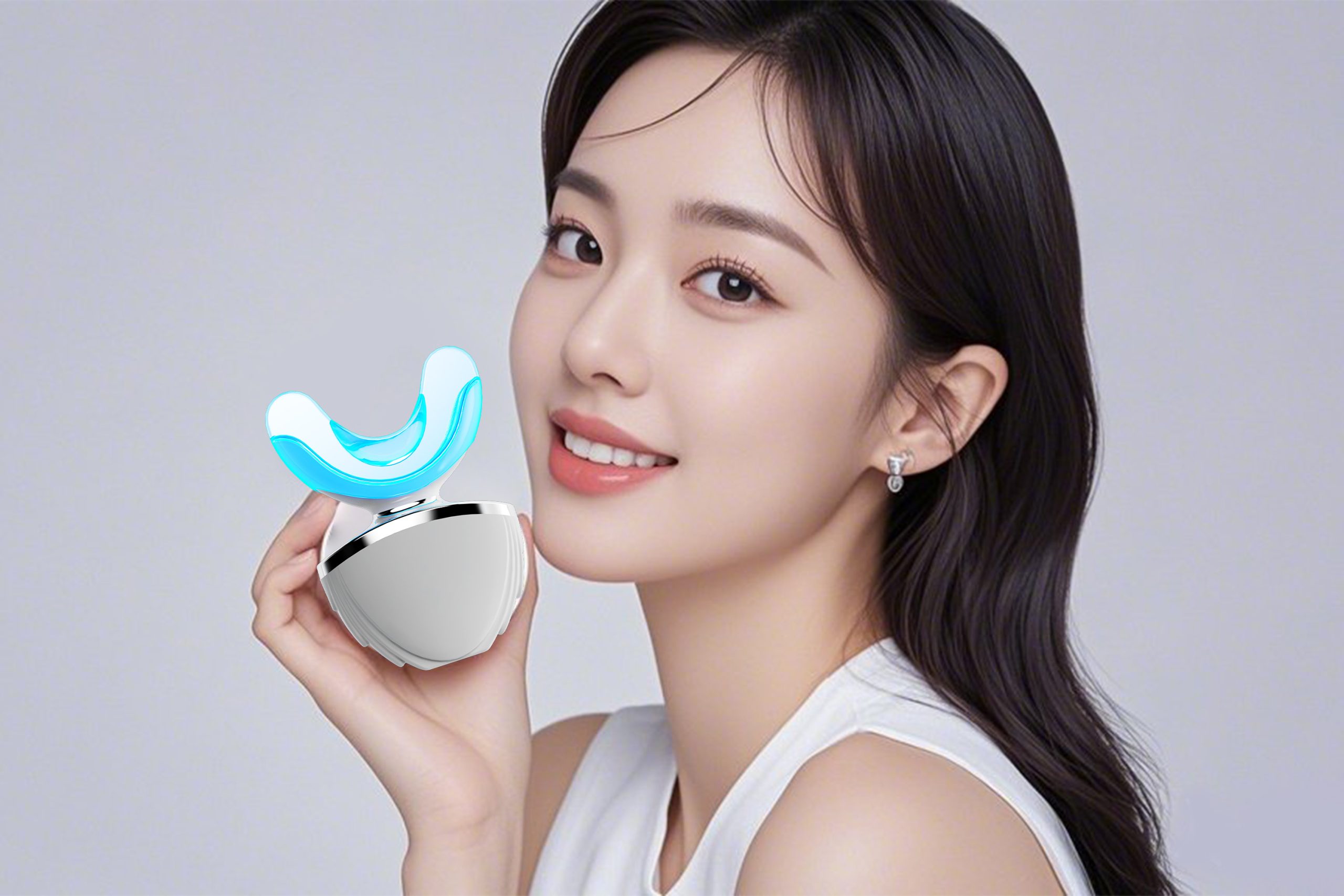
Pregnancy is a period when many women continue to prioritize their appearance and health — including oral aesthetics. However, it also raises critical questions about safety. Among them: Can blue light teeth whitening devices and whitening gels be used during pregnancy? In this blog, we explore this concern in detail, providing a well-researched perspective for dental professionals, distributors, and manufacturers looking to educate their clients responsibly. This article will cover: Key ingredients in whitening products Safety considerations specific to pregnancy Professional recommendations Market trends and user concerns We’ll also naturally include critical terms such as "precautions for using teeth whitening devices" and "teeth whitening during pregnancy." Blue light teeth whitening devices work in conjunction with whitening gels—typically containing ingredients like hydrogen peroxide or carbamide peroxide—to speed up stain removal from the tooth surface. While effective, these components penetrate enamel and dentin layers, raising concerns about their impact during pregnancy. Most over-the-counter and professional whitening kits involve: A light-activated gel (peroxide-based) A blue LED device to accelerate the whitening process Accessories like mouth trays and timers These components are generally considered safe for the general population, but teeth whitening during pregnancy requires special scrutiny due to hormonal and physiological changes. Teeth Whitening During Pregnancy: What the Science Says…
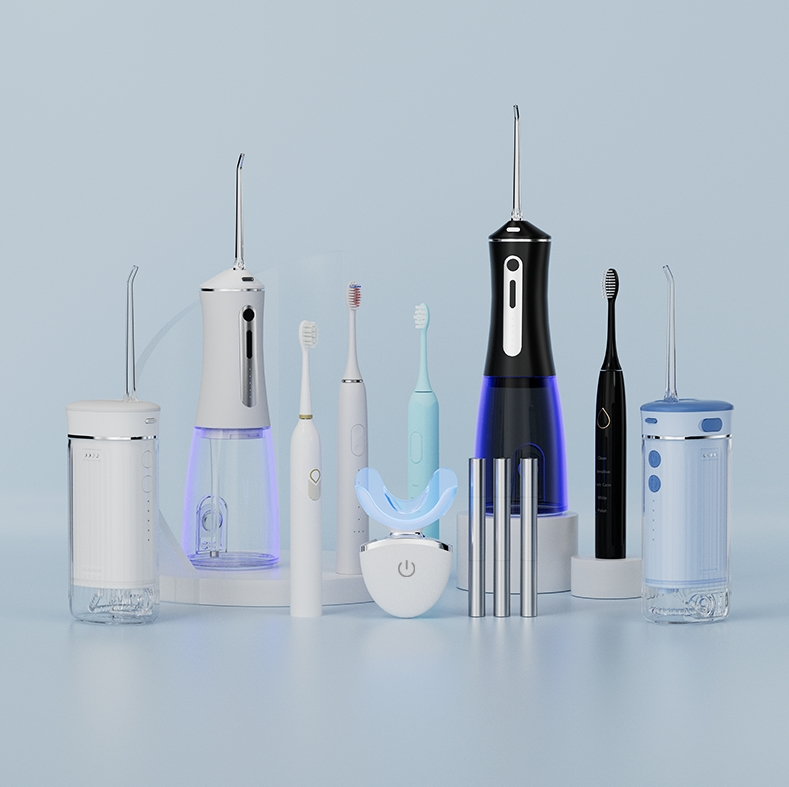
As at-home cosmetic dental care becomes more mainstream, the demand for user-friendly teeth whitening devices has surged. However, manufacturers and retailers frequently face complaints related to user errors—such as accidentally turning on the device, improper operation during use, or confusion about treatment duration. For every teeth whitening device factory, addressing these usability issues is key to both customer satisfaction and long-term product loyalty. This blog will explore how integrating smart countdown features and protection against accidental touches can reduce up to 70% of common misoperations, while significantly delivering an improved user experience. Why Misoperations Are So Common in Whitening Devices Misoperations occur due to several reasons: Lack of intuitive design (users can’t easily tell if the device is on or off) Sensitive touch buttons that react unintentionally No built-in usage feedback (users don’t know how long to use the product or when the treatment ends) These issues are especially common with entry-level or generic OEM models without smart features, damaging brand reputation and increasing return rates. The Smart Countdown Feature: Simple but Powerful A simple yet powerful solution is the integration of a smart countdown function into whitening devices. Here's how it works: Upon activation, the device automatically starts a pre-set treatment timer (e.g. 10 or 15 minutes) Visual…
Modern consumers demand both convenience and performance. In the booming beauty and personal care market, there's a clear shift toward compact, travel-friendly products that don't compromise on results. This trend has led to rising interest in the portable teeth whitening device—small enough to fit in a purse or pocket, yet powerful enough to deliver visible whitening effects. As a teeth whitening device factory, the challenge is clear: How do we create a miniature design that still guarantees 100% effectiveness? Compact Engineering: Shrinking Without Sacrificing Power Designing a lipstick-sized teeth whitening device starts with smart engineering. Key components must be miniaturized while maintaining high performance: High-intensity blue LED lights with optimized wavelength for enamel-safe whitening Micro batteries or USB-C rechargeable systems that support multiple uses Precision timers and power control chips for treatment accuracy Advanced component integration allows for full whitening power in a truly portable teeth whitening device format. Material Innovation: Lightweight but Durable Shells To maintain a small, sleek form factor, manufacturers must use premium yet lightweight materials: Medical-grade ABS or PC plastic for strength and heat resistance Aluminum alloy accents for a premium aesthetic without adding weight Silicone mouthpieces that fold or retract to save space A smart balance between form and function helps the product remain travel…

The global population is aging rapidly. By 2050, people aged 60 and above are expected to account for over 20% of the world’s population. This demographic shift presents a powerful opportunity for product innovation—especially in the health and wellness sector. For an electric toothbrush manufacturer, the challenge lies in designing oral care tools that cater to the physical and cognitive needs of older adults. One compelling solution? The voice electric toothbrush with built-in multi-language voice prompts. Understanding the Needs of the Silver-Haired Market To effectively serve the silver-haired market, it's essential to understand their unique challenges: Decreased vision and hearing Limited dexterity or reduced grip strength Cognitive impairments or memory decline Language and cultural diversity among older users worldwide Traditional electric toothbrushes often fall short in meeting these needs. However, voice guidance and multilingual support can greatly enhance usability and daily compliance for seniors. The Role of Voice Electric Toothbrushes in Enhancing Accessibility A voice electric toothbrush can deliver real-time spoken instructions, such as: When to switch brushing zones How long to brush each area Gentle reminders on pressure or technique For seniors who may struggle with reading small displays or interpreting vibrations, audible voice prompts significantly increase accessibility, making daily oral care…
When designing child-specific oral-care and whitening devices, selecting the right cold light wavelength is crucial—not only to match the sensitivity of young gums and enamel but also to integrate safely with brush head sterilization procedures. Only with both light-source safety and device disinfection can parents and clinicians confidently allow children to use these products. company web:https://www.powsmart.com/product/electric-toothbrush/ Pediatric Oral Tissue Light Tolerance Children’s oral tissues are thinner and more delicate than adults’: Wavelength Selection: The 400–420 nm range (near-UVC edge) effectively activates whitening agents while filtering out shorter UV wavelengths that could burn soft tissue. Intensity Limits: Maintain irradiance at ≤ 20 mW/cm² to avoid over-sensitivity during the transition from primary to permanent teeth. Exposure Duration: Limit sessions to under five minutes, with built-in rest periods allowing gum and mucosa recovery. Cellular Safety Across Wavelengths Different wavelengths affect cells and microbes in distinct ways: Photochemical Activation: The 430–450 nm band optimally excites peroxide breakdown, generating radicals that remove stains with minimal soft-tissue impact. Thermal Control: Filter out wavelengths above 450 nm that carry excess heat, and use onboard temperature sensors to monitor oral-surface temperatures in real time. Safety Standards: Adhere to ANSI Z136.1 thresholds to ensure irradiance stays below mucosal and…
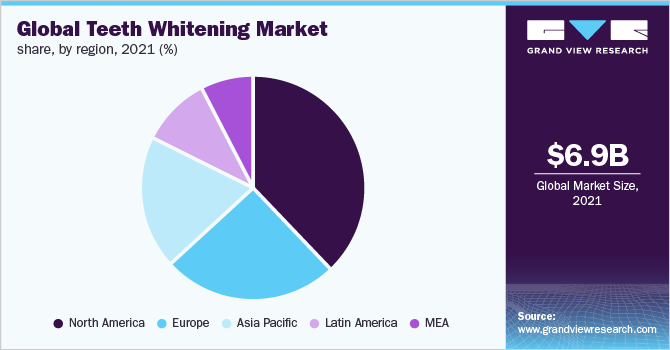
As global demand for oral beauty products surges, the whitening device markets in different regions have evolved uniquely. For any teeth whitening device manufacturer seeking to expand, understanding the nuanced consumer behaviors and certification requirements across regions is critical. In this post, we analyze how preferences differ between the European and American markets and the Asian market, helping businesses align their offerings with market demands and regional regulations. Market Demand Preferences Consumer motivations and usage habits vary dramatically between Western and Asian regions: European and American markets place a strong emphasis on high-efficacy, fast-result products. Whitening devices with high-concentration peroxide gels or LED-accelerated whitening kits dominate due to a consumer preference for visible results within days. The Asian market preference leans more toward mild, gradual-effect products. Consumers in countries like Japan, South Korea, and China tend to value gentle formulations, often free from harsh chemicals, emphasizing safety and daily usability. Western consumers frequently use at-home teeth whitening kits as part of cosmetic routines, often driven by lifestyle factors and media influence. In contrast, in many Asian countries, whitening is perceived as part of general hygiene and skin-brightening culture, with lower tolerance for potential side effects like sensitivity. Understanding these preferences…
In devices designed for children’s oral care, not only must you leverage the low vibration and quiet operation of a coreless motor, but you also need clear pediatric warnings about bleach residuals. Children’s enamel is thinner and their swallowing reflexes are immature—any leftover bleaching agent can harm oral tissues or be ingested. Below, we explore six reasons why pediatric instructions must emphasize thorough rinsing of all bleach residues. Unique Pediatric Oral Physiology Children’s mouths differ markedly from adults’: Thinner Enamel: Pediatric enamel is roughly half as thick, making it more prone to chemical erosion. Immature Swallow Reflex: Young children may accidentally ingest residual bleach, causing gastrointestinal distress. Microbiome Sensitivity: Residual oxidizers can disrupt beneficial oral flora, raising caries risk. These factors make residual removal essential in pediatric guidelines. Dangers of Bleach Residuals Even trace bleach left behind can cause: Chemical Irritation: Contact with gums or mucosa can produce burning sensations or mild inflammation. Inhibited Remineralization: Ongoing peroxide decomposition can slow enamel repair, increasing sensitivity. Taste and Microbial Imbalance: Residual chemicals alter saliva chemistry, affecting taste perception and microbiome health. Children’s developing mouths are particularly vulnerable to these effects. Key Elements of Pediatric Warnings Product labeling and instructions for children should…
As oral‐care devices evolve, ensuring child compatibility while addressing cold light sensitivity poses a unique challenge: devices must be gentle enough for young users yet powerful enough for effective phototherapy without triggering discomfort or tissue irritation. In this post, we’ll explore six key factors that B2B partners should consider when designing child-friendly, cold-light-based oral-care solutions. Special Considerations for Child Compatibility Children’s teeth and gums are still developing and therefore require extra protection: Reduced Power & Duration: Pediatric modes should operate at lower light intensity and shorter exposure times than adult settings. Choking & Ingestion Safeguards: Nozzle and applicator dimensions must meet child-safety standards to prevent accidental swallowing. Biocompatible Materials: All parts contacting the mouth must use FDA- or ISO 10993-certified, non-toxic materials free of harmful additives. Child compatibility is not just a feature—it’s a safety imperative. Cold Light Technology & Sensitivity Risks Cold light (typically 400–420 nm) is effective for whitening and disinfection but can cause cold light sensitivity if misapplied: Soft-Tissue Irritation: Blue light can provoke burning or redness on delicate pediatric gingiva. Photochemical By-Products: High-intensity exposure may generate free radicals that weaken enamel surface. Thermal Accumulation: Even “cold” LEDs can raise local temperature over prolonged use, aggravating sensitivity.…


.jpg)
.jpg)
.jpg)
.jpg)
.jpg)






.jpg)
.jpg)