.jpg)
As consumer demand for tooth-whitening intensifies, color relapse has become a core pain point—yet its consequences go beyond aesthetics. Repeated or frequent whitening treatments not only prompt users to undergo multiple bleaching cycles but can also disrupt the oral ecosystem, causing unintended oral microbiome impact. Thus, B2B manufacturers must balance long-lasting shade durability with microbiome health when formulating and designing products. Causes and Timing of Color Relapse First, it’s essential to understand why teeth revert after whitening: Re-deposition of Pigments: Chromogens from foods and beverages (coffee, tea, red wine) reattach to the now-porous enamel surface. Micro-damage to Enamel: Oxidative bleaching creates micro-pores that facilitate deeper pigment penetration. Salivary Remineralization: The rate at which saliva redeposits minerals influences how quickly pigments become trapped again. Typically, relapse becomes noticeable 2–4 weeks post-treatment, with pigment retention correlating to biofilm formation. Dual Effects of Bleaching Formulas on the Oral Microbiome Next, bleaching agents exert conflicting pressures on oral bacteria: High-Concentration Peroxides: While effective at reducing plaque bacteria short-term, they also indiscriminately kill beneficial strains (e.g., Streptococcus sanguinis). pH Shifts: Many bleaching gels are alkaline; the resulting pH swing can favor acid-tolerant species once saliva buffers return to neutral. Residue Effects: Leftover bleaching by-products can…
In the realm of smart electric toothbrushes and oral‐care devices, charging time efficiency doesn’t just shape user convenience—it can inadvertently influence oral pH alteration by shifting when people brush relative to their meals. When charging speed and patterns misalign with eating and brushing habits, the mouth’s acid–base balance may swing, impacting enamel health and the oral microbiome. Defining Charging Time Efficiency and Its Core Value First, charging time efficiency refers to how quickly a device regains usable battery life relative to the energy it consumes: Fast‐charge vs. Slow‐charge: Rapid top‐ups get users back in action quickly but raise battery temperature more sharply. Charge Profiles: The constant-current/constant-voltage stages affect both final capacity and battery longevity. User Perception: Ideal charging strikes a balance between “ready to go” and preserving the battery over hundreds of cycles. While maximizing charging efficiency is key to competitive devices, it also sets the stage for potential pH imbalances in the mouth. Mechanisms and Risks of Oral pH Alteration Next, oral pH alteration—the swings in mouth acidity—arises from several factors: Dietary Acid Load: After eating, mouth pH can drop from neutral (~7) to as low as 5.5 within 30 minutes. Brushing Timing: Brushing too soon after a meal…
In modern ultrasonic scaling and electric polishing devices, the vibration frequency impact directly influences post-treatment sensitivity. Frequencies that are too high or inconsistent can over-open dentin tubules and intensify gum and dentin irritation, compromising patient comfort and satisfaction. Therefore, understanding how vibration frequency relates to sensitivity is crucial for B2B device design and clinical protocols. Why Vibration Frequency Matters Vibration frequency determines how many oscillations your scaler or polisher delivers per second: Low Frequency (20–40 kHz): Ideal for initial loosening of soft deposits and light calculus removal. Mid Frequency (40–60 kHz): Commonly used for thorough tartar removal and surface smoothing. High Frequency (≥ 60 kHz): Enhances polishing efficacy but risks excessive mechanical stress. Finding the right band prevents unnecessary jarring while still achieving effective cleaning. Dentin Tubule Response to Vibration Post-treatment sensitivity stems from fluid movement within dentin tubules: Excessive Vibration: Provokes rapid fluid shifts that trigger hydrodynamic pain responses. Tubule Widening: High frequencies may enlarge tubule diameters, allowing thermal and chemical stimuli to penetrate more easily. Micro-Fatigue: Prolonged high-frequency vibration can induce microscopic cracks in dentin, heightening sensitivity perception. Therefore, precise frequency control is key to protecting dentin integrity. Clinical Findings on Post-Treatment Sensitivity Clinical studies demonstrate the relationship…
In today’s market, patients—especially those requiring post-surgery usage—demand gentle yet effective oral care. Coupled with flexible mode customization, devices must adapt from routine cleaning to delicate postoperative needs. In the following six sections, we explore how to build—and validate—a truly gentle oral-care solution for B2B partners. Special Requirements for Post-Surgery Usage After dental surgery or gum flap procedures, soft tissues are still healing and often tender or swollen. A gentle water flosser or toothbrush should offer: Low-Impact Cleaning: Ultra-low water pressure or fine mist mode to avoid disturbing sutures or inflamed tissue. Antimicrobial Support: Ability to blend antiseptic rinses with a soft water stream to cleanse without irritation. Non-Contact Options: “Dry-brush” or aerosol modes that disinfect without direct bristle or jet contact during the most sensitive post-surgical phase. Meeting these criteria helps reduce complications and improve patient comfort. The Value of Mode Customization Different users and conditions require adaptable settings. Mode customization should include: Multiple Pressure Levels: From very gentle (e.g., 10–20 psi) up to standard cleaning (60–80 psi) or higher for stubborn debris. Adjustable Pulse Frequencies: Tuning between 500 and 1,500 pulses per minute to shift seamlessly from massaging to deep cleaning. User Memory & One-Touch Recall: Save individual…
In high‑precision fluid systems, Jet Instability and unexpected Power Surges can each pose serious threats—and when they occur together, the risks multiply. Jet instability, characterized by chaotic fluid flow, undermines cutting or cleaning accuracy, while power surges can damage control electronics or motor drivers. In this post, we’ll examine why these phenomena are dangerous, how they interact, and what manufacturers can do to safeguard their equipment and operators. Defining Jet Instability and Power Surges First and foremost, it’s essential to understand what we mean by these terms: Jet Instability occurs when a fluid jet (water, air, or abrasive slurry) begins to oscillate, break into droplets, or wander off‑target due to pressure fluctuations, nozzle wear, or upstream turbulence. Power Surges are brief spikes in electrical voltage—often caused by lightning strikes, grid switching, or inductive loads—that exceed the nominal supply level and can overwhelm sensitive electronics. Although they arise from different domains (fluid dynamics vs. electrical systems), both issues degrade performance and can lead to costly downtime if not addressed. Operational Risks of Jet Instability Moreover, jet instability can directly impact process quality: Reduced Precision: Unstable jets spray or cut erratically, producing uneven edges in waterjet cutting or inconsistent coating thickness in…
In many industrial applications, persistent Noise Amplification and recurring Vibration Issues not only create operational inefficiencies but also potentially damage equipment and compromise product quality. These challenges often emerge from a complex interplay of design, materials, and external factors, and their impact on machinery performance can be significant. In this blog, we will delve into the root causes behind these phenomena, examine their broader effects on operations, and suggest strategic measures to mitigate them effectively. The Rising Importance of Managing Noise and Vibration As industries push toward higher productivity and precision, controlling environmental disturbances becomes critical. Unwanted noise and vibration not only disrupt workflow but can also indicate underlying problems within systems. When Noise Amplification occurs, it often signifies that sound energy is being magnified rather than dampened, leading to ergonomic and mechanical strains. Similarly, persistent Vibration Issues can cause premature wear on components and lead to costly maintenance downtime. Recognizing and addressing these challenges is vital in preserving operational reliability and ensuring safety. Unpacking the Root Causes To solve these challenges, it is important to analyze their origins. Several factors contribute to Noise Amplification: Structural Resonance: Specific frequency ranges may cause parts of a machine to resonate, amplifying noise…
In many industrial and consumer applications, maintaining water quality is crucial for both performance and safety. Issues such as Water Discoloration can indicate underlying problems, and when combined with Microbial Growth, they can compromise product integrity and user health. In this blog, we explore the causes of these phenomena and outline effective strategies to prevent water discoloration while simultaneously inhibiting microbial growth, ensuring your products remain reliable and safe. Recognizing the Importance of Water Quality The quality of water used in various processes—from cooling systems to personal care devices—is a key factor in overall product performance. Water Discoloration not only affects the aesthetic appeal but can also signal chemical changes or contamination issues. Likewise, Microbial Growth in water systems can lead to biofouling, odor issues, and even potential health hazards. Recognizing these issues early is critical to implementing effective prevention measures that will maintain both operational efficiency and product safety. Understanding the Causes of Water Discoloration Water discoloration can occur due to several factors: Chemical Reactions: Exposure to light, oxygen, or other chemicals can cause metals and other materials to leach into water, altering its color. Sediment and Particulates: Dust, rust, or other suspended particles can accumulate over time, leading…
In today’s competitive dental and personal care device market, ensuring the optimal performance of every component is crucial not only for product reliability but also for patient safety. Recently, manufacturers and dental professionals have raised concerns about how LED Light Malfunction in dental appliances might exacerbate Enamel Abrasion Concerns. This article explores the link between these issues, examines the underlying causes, and discusses practical solutions to mitigate potential risks. Market Dynamics and Evolving Consumer Expectations As dental care technologies continue to evolve, patients and professionals alike expect devices to deliver high performance with minimal side effects. With cosmetic dentistry on the rise, maintaining the integrity of tooth enamel is of utmost importance. Consequently, any malfunction—such as an unstable light source in LED-based devices—can trigger widespread concern. In a landscape where both functionality and safety are non-negotiable, understanding how LED Light Malfunction may influence Enamel Abrasion Concerns is crucial for manufacturers looking to sustain a competitive edge. Role of LED Technology in Dental Care Devices LED lights have become a popular component in many dental instruments due to their energy efficiency, longevity, and effective illumination. They are frequently integrated into devices used for tooth whitening, curing adhesives, and various diagnostic procedures.…
In the competitive personal care market, product reliability is non-negotiable. Yet one recurring issue threatens the performance and user experience of electric toothbrushes: motor vibration failure. When not properly controlled, unstable vibrations can lead directly to brush head detachment—a defect that frustrates users, inflates warranty claims, and risks damaging brand credibility. So, what’s really behind this issue, and how can manufacturers address it proactively? Understanding the Link Between Motor Instability and Brush Head Detachment The core of every electric toothbrush lies in its motor. If the motor generates inconsistent or excessive vibration, it creates strain at the connection point between the body and brush head. Over time, this leads to micro-loosening, wear of locking mechanisms, and ultimately brush head detachment during use. Such detachment not only disrupts brushing but also poses a potential safety risk. Therefore, ensuring motor vibration stability is not just about performance—it’s about trust and user confidence. Root Causes Behind Motor Vibration Failure Motor vibration failure can stem from several internal and external factors: Imbalanced rotor or worn bearings, leading to uneven motion and increased oscillation. Inferior motor materials or assembly tolerances, causing performance fluctuations under load. Overpowered or underpowered drive systems, which either overstress or inadequately…
In today's highly competitive oral care market, consumers demand high-quality products and excellent user experiences. Many manufacturers are striving to boost product competitiveness through continuous innovation, but issues such as Excessive noise and Grip failure are gradually tarnishing the reputation of electric toothbrushes. This article explores the situation from six key perspectives and offers corresponding solutions. Market Competition and Consumer Expectations Firstly, as the market becomes flooded with various smart toothbrushes and premium products, consumer expectations have risen accordingly. A high-quality toothbrush not only needs to provide excellent cleaning performance but must also deliver a quiet and comfortable experience during use. Any occurrence of Excessive noise may lead consumers to lose trust in the product and damage the brand image. Similarly, a Grip failure problem in product design can lead to inconvenience during use and lower customer satisfaction. Therefore, accurately understanding market needs becomes a primary task for manufacturers. Analyzing the Impact of Excessive Noise on Product Image Secondly, Excessive noise is one of the most immediate issues encountered during toothbrush operation. Typically, electric toothbrushes should maintain a low noise level during operation to ensure that users are not disturbed during cleaning. However, when a product produces excessive noise, it…
Evolving personal care and oral care markets drive product design to prioritize functionality and user comfort. The brush handle, often overlooked, is an essential element that can significantly impact the ergonomics and usability of products such as toothbrushes. Through the integration of Vent Design and Flow Simulation, Powsmart technology co., ltd can optimize brush handle performance, enhancing both comfort and efficiency. In this blog, we explore the importance of engineered brush handles, how Flow Simulation enhances product design, and how Vent Design contributes to ergonomic efficiency. The Importance of Brush Handle Design in Ergonomics The brush handle is the foundation of any brushing device, directly influencing how a user interacts with the product. When poorly designed, a handle can lead to discomfort, lack of control, or inefficient brushing motion. Designers must carefully engineer brush handles to improve ergonomics, ensuring ease of use, comfort, and functionality. Optimizing brush handle design by analyzing hand motions reduces strain and enhances grip comfort for long-term use. Vent Design: Optimizing Airflow for Enhanced Grip and Comfort One innovative solution to enhance brush handle ergonomics is the integration of vent design. This design element allows for better airflow around the brush handle, reducing moisture buildup and…
In today’s high-end oral care market, product durability and user experience are the keys to brand competitiveness. As a professional B2B manufacturer, we are dedicated to providing innovative and high-quality solutions to our clients. This blog focuses on the core technology behind our Power toothbrush—the Snap-Fit design—and highlights how we optimize product lifespan through rigorous Durability Testing. The following six sections detail the advantages and practical experience of this innovative design. Innovation Driving the Evolution of Power Toothbrush Technology Firstly, the rapid adoption of power toothbrushes requires manufacturers to not only ensure efficient cleaning performance but also pay attention to structural innovation and durability. Our Power toothbrush incorporates a brand-new Snap-Fit design, which simplifies the assembly process and significantly enhances overall structural integrity. Through continuous technological breakthroughs, we offer our clients a product solution that is both economically efficient and meets the demands of long-term use. Core Advantages of the Snap-Fit Design Secondly, the Snap-Fit technology plays a crucial role in our design. This design not only achieves seamless connections between components, thereby enhancing overall stability, but also significantly reduces production errors. By utilizing precise calculations and simulations, we ensure that each connection point can withstand prolonged mechanical wear while…
In today’s rapidly evolving oral care market, technological innovation and safety are paramount. As a leading B2B manufacturer, we have developed a cutting-edge sonic toothbrush that not only enhances cleaning performance but also offers a suite of smart features. By integrating Wireless Charging and Overcharge Protection technologies, we ensure a product that is as safe as it is efficient.Discover six key aspects making our sonic toothbrush the ideal modern oral care solution. Revolutionizing Oral Care with Sonic Technology Our sonic toothbrush leverages advanced sonic technology to deliver high-frequency vibrations that significantly improve plaque removal and gum stimulation. Sonic brushes outperform traditional ones with dynamic motions that deeply clean teeth and gumlines thoroughly. This innovative approach not only elevates oral hygiene but also supports the overall health of the user. Embracing Wireless Charging for Unparalleled Convenience One of the standout features of our product is its Wireless Charging capability. By eliminating the need for traditional plug-in chargers, our design offers a clutter-free and intuitive charging experience. This modern convenience not only simplifies the charging process for end users but also enhances the product's aesthetic appeal, making it an attractive option for both consumers and professional dental clinics. Overcharge Protection: Safeguarding Battery…
In the realm of oral hygiene, sonic toothbrushes have revolutionized the way we maintain dental health. Two critical engineering aspects that significantly influence the performance and user experience of these devices are Axial Clearance and dynamic balancing. Understanding these factors is essential for manufacturers aiming to deliver high-quality products. The Role of Axial Clearance in Sonic Toothbrushes Axial clearance refers to the intentional gap between rotating or oscillating components along the axis of motion. In sonic toothbrushes, this clearance is vital for several reasons: Mechanical Efficiency: Proper axial clearance ensures smooth movement of internal components, reducing friction and wear, thereby extending the device's lifespan. Vibration Control: Adequate clearance minimizes unwanted vibrations, enhancing user comfort during brushing. Noise Reduction: By preventing mechanical interference between parts, optimal axial clearance contributes to quieter operation. Factors Influencing Optimal Axial Clearance Determining the appropriate axial clearance involves considering: Material Properties: The thermal expansion characteristics of materials used can affect clearance requirements. Manufacturing Tolerances: Precision in manufacturing processes ensures consistent axial clearance across units. Operational Conditions: Variations in temperature and humidity during use can impact component dimensions, influencing the necessary clearance. Dynamic Balancing in Sonic Toothbrush Design Dynamic balancing involves distributing mass within rotating components to…
With the increasing demand for sonic toothbrushes, manufacturers must optimize production efficiency while maintaining high-quality standards. Automated assembly and ultrasonic welding have revolutionized the manufacturing process, ensuring precision, durability, and cost-effectiveness. In this blog, we explore how these advanced technologies enhance sonic toothbrush production and set new industry benchmarks. The Growing Demand for Sonic Toothbrushes Consumers worldwide are shifting towards sonic toothbrushes due to their superior cleaning efficiency and gentle gum care. This demand necessitates: Scalable production to meet market growth Enhanced durability to extend product lifespan Consistent quality control for user satisfaction Cost-effective manufacturing to remain competitive To address these challenges, manufacturers are investing in automated assembly lines and ultrasonic welding technology, which improve efficiency and maintain precision. Automated Assembly: Transforming Sonic Toothbrush Production Traditional toothbrush manufacturing involves multiple manual steps, which can result in inconsistencies and inefficiencies. Automated assembly eliminates these issues by: Enhancing production speed as robots and precision machinery accelerate the assembly process, reducing production time Minimizing human error by ensuring each toothbrush is assembled with precise alignment and component placement Reducing labor costs through less reliance on manual labor Ensuring consistency so that every unit maintains the same quality and durability, meeting global standards With…
As the demand for advanced oral care solutions grows, manufacturers are focusing on innovations that enhance hygiene, durability, and performance. Two key advancements in electronic toothbrush production are antimicrobial bristles and precision brush head molding, which significantly improve user experience and product longevity. This blog explores how these technologies optimize manufacturing and elevate oral care standards. The Importance of Antimicrobial Bristles in Electronic Toothbrushes Oral hygiene depends not only on effective brushing but also on keeping the toothbrush itself clean. Traditional toothbrushes can harbor bacteria, leading to potential oral health issues. By incorporating antimicrobial bristles, electronic toothbrushes offer: Bacteria Growth Prevention – Special antimicrobial coatings inhibit bacterial buildup between uses. Longer Hygiene Maintenance – Users can enjoy a cleaner toothbrush head for extended periods. Improved Safety for Sensitive Gums – Reducing microbial contamination lowers the risk of gum infections. Enhanced Durability – Bristles stay fresher and more effective for a longer time. Antimicrobial bristles provide a higher level of cleanliness, making electronic toothbrushes a superior choice for health-conscious consumers. Precision Brush Head Molding: The Key to Performance & Comfort The effectiveness of an electronic toothbrush depends on the quality and precision of the brush head. Brush head molding technology ensures:…
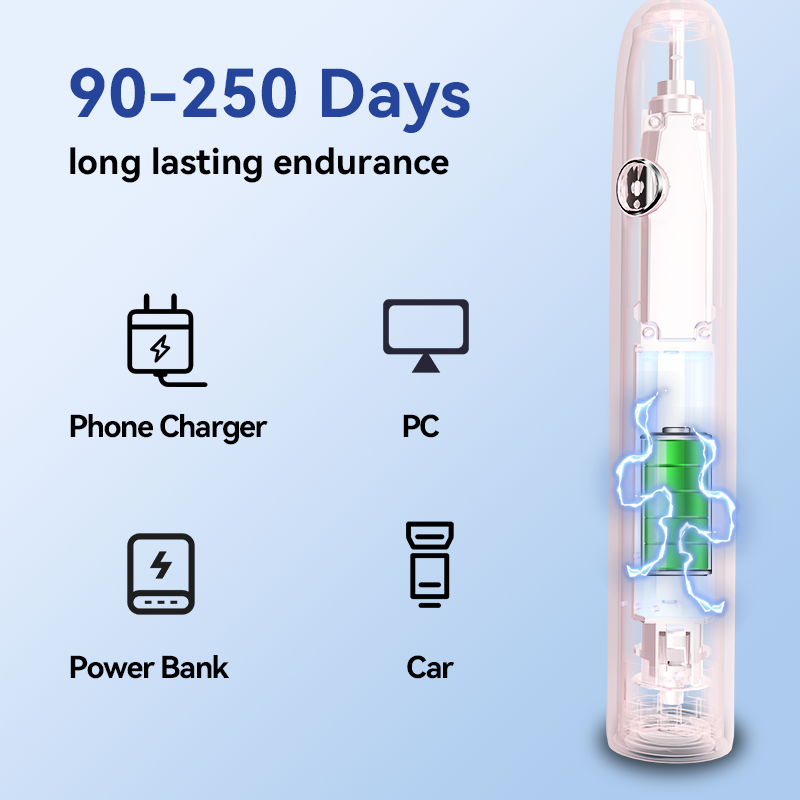
As the demand for high-performance oral care products rises, electric toothbrush manufacturers must focus on delivering long battery cycle durability, waterproof design, and advanced PCB technology to enhance user experience and product lifespan. This blog explores how these key features work together to ensure reliability, efficiency, and superior performance in modern electric toothbrushes. Extended Battery Cycle Durability: Power That Lasts One of the most critical factors influencing consumer satisfaction is battery cycle durability. A high-quality electric toothbrush should: Support Extended Usage Per Charge – Advanced lithium battery technology allows users to brush for weeks without frequent recharging. Maintain Performance Over Time – A durable battery retains charging capacity even after hundreds of cycles. Ensure Quick & Efficient Charging – Fast-charging solutions minimize downtime and enhance convenience. Improve Energy Efficiency – Intelligent power management optimizes battery use, reducing unnecessary energy loss. By integrating high-capacity rechargeable batteries, electric toothbrushes offer uninterrupted operation, making them ideal for travel and daily use. The Importance of a Waterproof PCB in Electric Toothbrushes An electric toothbrush must withstand frequent exposure to water. The integration of waterproof PCB (Printed Circuit Board) technology ensures: Protection Against Moisture & Corrosion – Specialized coatings shield electronic components from humidity and…
As oral care technology continues to advance, precision and efficiency are at the core of electric toothbrush innovation. The combination of micro-motor precision and bristle oscillation plays a crucial role in enhancing cleaning performance while ensuring a gentle yet thorough brushing experience. This blog explores how these cutting-edge technologies redefine oral hygiene, offering users a smarter and more effective way to care for their teeth and gums. The Power of Micro-Motor Precision in Electric Toothbrushes At the heart of an advanced electric toothbrush is its micro-motor precision technology. Unlike traditional motors, high-precision micro-motors ensure: Consistent Power Output – Maintaining stable brushing speed and pressure for effective plaque removal. Energy Efficiency – Optimizing battery consumption to extend usage time per charge. Minimal Noise & Vibration – Reducing mechanical noise while delivering a comfortable brushing experience. Long-Term Durability – Providing reliable performance over thousands of brushing cycles. By integrating micro-motor precision, electric toothbrushes achieve superior control over movement, ensuring users get the best possible cleaning results with every use. The Science Behind Bristle Oscillation for Effective Cleaning Bristle oscillation is another fundamental technology that enhances the brushing experience. Unlike traditional manual brushing, oscillating bristles: Loosen Plaque & Food Particles – Vibrating at…
As the demand for high-performance electric toothbrushes grows, manufacturers must ensure that their products meet the highest standards of reliability testing and align with the principles of sustainable development. Long-lasting performance, durability, and eco-conscious production are key to staying competitive in today’s market. In this blog, we will explore how rigorous reliability testing enhances product longevity and how manufacturers can adopt sustainable development strategies to minimize environmental impact while maintaining superior quality. Why Reliability Testing is Essential for Electric Toothbrushes A high-quality electric toothbrush must endure daily use while maintaining efficiency and safety. Reliability testing is crucial for ensuring: Durability – The toothbrush withstands thousands of brushing cycles without losing performance. Motor Efficiency – The internal motor maintains consistent power output over long-term usage. Battery Longevity – The rechargeable battery supports extended usage and retains charging capacity. Water Resistance – The device remains fully functional after exposure to moisture and immersion. Bristle Endurance – The brush head maintains its integrity even after months of use. By implementing stringent reliability testing protocols, manufacturers guarantee that their electric toothbrushes meet industry standards and consumer expectations. Key Reliability Tests for Electric Toothbrushes To ensure long-term performance, electric toothbrushes undergo a series of specialized…
With rising consumer expectations and an increasingly competitive market, brands need more than just high-quality products—they need innovative Customized Packaging solutions that enhance customer experience and reinforce brand identity. For sonic electric toothbrush manufacturers and suppliers, efficient packaging not only ensures product safety but also plays a crucial role in global supply chain optimization. In this blog, we will explore how customized packaging solutions for sonic electric toothbrushes can elevate brand positioning, improve logistics, and meet international market demands. The Importance of Customized Packaging for Sonic Electric Toothbrushes Packaging is more than just protection—it’s the first impression of a product. For sonic electric toothbrush brands, customized packaging delivers multiple benefits: Brand Recognition – Unique packaging designs enhance brand identity and improve market differentiation. Enhanced User Experience – Intuitive, user-friendly packaging improves customer satisfaction. Product Protection – Secure, durable packaging prevents damage during transportation and storage. Regulatory Compliance – Packaging that meets international standards ensures smooth market entry. By investing in customized packaging, brands can optimize their global supply strategy and enhance product value. Key Features of Customized Packaging for Sonic Electric Toothbrushes To meet the diverse needs of global markets, sonic electric toothbrush packaging must incorporate: Sustainable Materials – Eco-friendly…


.jpg)
.jpg)
.jpg)
.jpg)
.jpg)






.jpg)
.jpg)