Modern consumers are shifting toward gentler oral-care products, and few items exemplify this trend better than Japanese toothbrushes. Their ultra-fine bristles and delicate brushing experience have won the trust of users worldwide—especially those seeking sensitive teeth care and mild oral care solutions. But what exactly makes Japanese toothbrushes stand out? And why are so many global brands turning to Japan-inspired toothbrushes for OEM manufacturing?
This article reveals the key factors behind Japanese toothbrush softness and explains why the category is rapidly becoming a top choice for brands and manufacturers around the world.
Japanese toothbrush design begins with micro-thin bristles, often as fine as 0.01–0.02 mm. These bristles can reach deep into gum lines while remaining exceptionally gentle on enamel and gums.
The result: an unmistakable softness that sets Japanese toothbrushes apart from traditional medium-bristle or hard-bristle designs.
A growing portion of consumers struggles with tooth sensitivity caused by abrasive brushing, enamel wear, or gum recession.
The characteristic softness of Japanese toothbrushes aligns perfectly with this need, enabling effective cleaning without irritation. For brands seeking to enter the sensitive teeth care segment, this design approach is an attractive starting point for product differentiation.
Japan’s oral-care philosophy emphasizes prevention, gentle daily maintenance, and long-term gum health.
This cultural preference has shaped a product category built around mild oral care, making Japanese-style toothbrushes popular among families, seniors, orthodontic patients, and individuals with gum sensitivity.
OEM brands can leverage this trusted philosophy to tap into premium, health-conscious markets.
One reason Japanese-inspired toothbrushes are so appealing for OEM projects is the industry’s strict quality control. Whether produced in Japan or manufactured by global factories following Japanese standards, the process typically includes:
Micro-level bristle end-rounding
High-density bristle planting
Temperature-controlled bristle softening
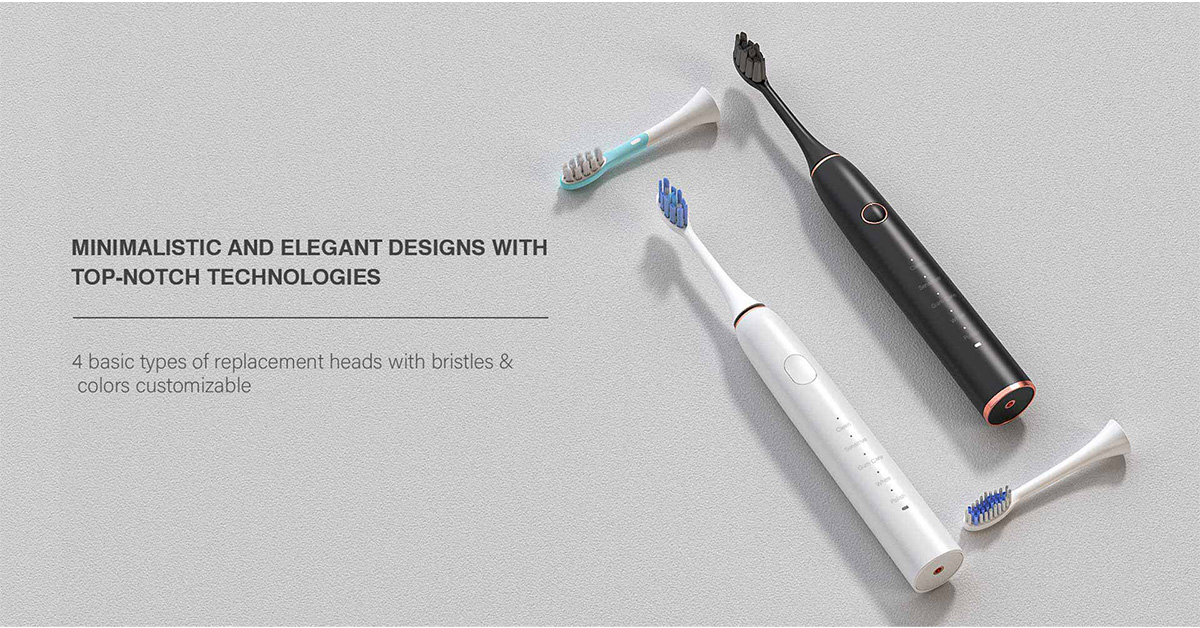
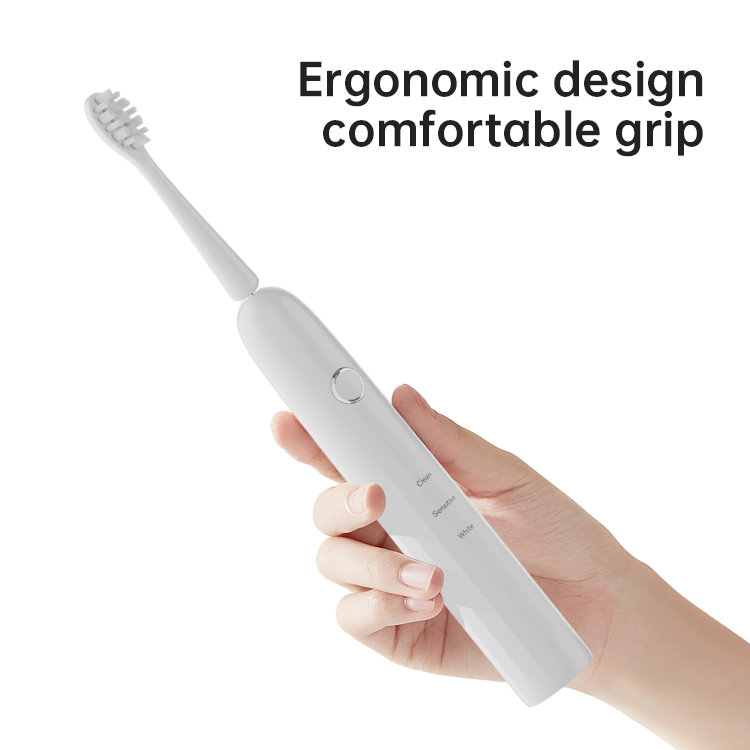
Ergonomic handle design based on user-testing
Such precision ensures the signature softness remains consistent across every batch—an important factor for brand reliability.
With more consumers prioritizing gentle oral-care solutions, retailers and beauty-care brands worldwide are seeking toothbrush manufacturers capable of producing Japanese-style softness.
This surge in demand has created strong global OEM appeal, making Japanese-inspired toothbrushes one of the most sought-after products among oral-care wholesalers, private-label brands, and direct-to-consumer startups.
For oral-care brands looking to expand their product lines, Japanese-style toothbrushes offer clear advantages:
Premium positioning with a softness-centered narrative
Compatibility with sensitive-teeth and wellness-oriented markets
Broad consumer acceptance across age groups
Strong storytelling potential for branding and packaging
Ability to differentiate in a crowded toothbrush market
By partnering with an experienced manufacturer or factory specializing in Japanese-inspired bristle technology, brands can quickly introduce a product line that resonates with global consumer trends.
The beauty of Japanese toothbrushes lies not only in their renowned softness but also in the philosophy, technology, and quality behind them. As demand continues to rise for gentle oral-care solutions worldwide, Japanese-style toothbrushes present a powerful opportunity for brands seeking effective OEM partners and differentiated products.
Why Is Bristle Configuration Design Critical for Saline Solution Compatibility in Irrigators?
.jpg)
How Does Water Flosser Tank Manufacturing Integrate with Water Flosser Accessory Production?
.jpg)
Sonic Toothbrush Frequency Control OEM Manufacturing Solutions
Refining Your Toothbrush Sourcing Strategy?
Electric Toothbrush vs Normal: Unveiling the Superior Choice for Your Brand
.jpg)
Are Water Flosser Packaging Solutions Key to Secure Water Flosser Export Packaging?
How Does the Brush Head Attachment Mechanism Influence the Overall Toothbrush Mold Design for OEM Production?
Portable Electric Toothbrush with Case OEM

Magnetic vs USB-C Charging Analysis for Oral Care Products OEM Decision Makers

LED Light in Oral Care: Safety Insights for OEM Product Development
Finding the Right Kids’ Toothbrush: An OEM Guide to U-Shaped vs. Sonic Options
Electric Toothbrush Housing Material OEM Solutions for Durable Design
.jpg)
Water Flosser vs. Hard Plaque: Setting Realistic Expectations for Your OEM Brand
Need Toothbrush Industry Insights to Navigate Toothbrush Market Trends?
.jpg)
San Francisco electric toothbrush supplier
Top Five “Must-Have” Design Features for Electric Toothbrush Customization — Plus One Bonus Insight for OEM Success


.jpg)
.jpg)
.jpg)
.jpg)
.jpg)