Info Center
Home » powsmart Electric Toothbrush blog » The Future: AI in Oral Care

The Future: AI in Oral Care

Date:2026-02-25
The artificial intelligence oral care future is no longer a distant concept—it’s already reshaping how we care for our teeth and gums. From AI-powered electric toothbrushes that track your brushing technique to machine learning models that predict gum disease before symptoms appear, AI is turning routine oral care into proactive, personalized health management. This guide breaks down the key innovations in the artificial intelligence oral care future, how they work, and what they mean for your smile. For AI-powered oral care products, visit https://www.powsmart.com/.

How AI is Transforming Brushing

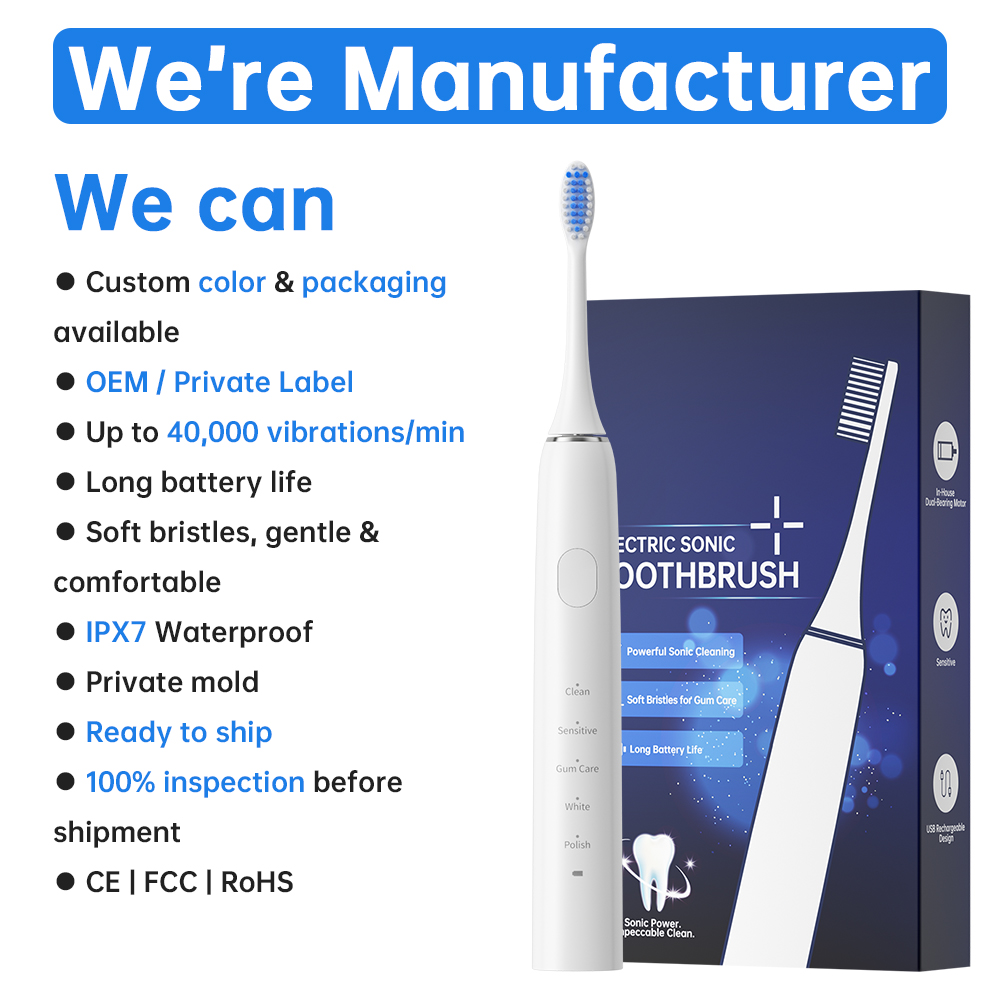
AI-powered electric toothbrushes are the first step in the artificial intelligence oral care future. These brushes use sensors and machine learning to:
  • Track brushing technique: AI detects if you’re brushing too hard, missing areas (e.g., back molars), or brushing for too short a time.
  • Provide real-time feedback: The brush vibrates or lights up to alert you to adjust your technique (e.g., “Brush the back molars more thoroughly”).
  • Personalize routines: AI learns your habits and adjusts brushing modes (e.g., “sensitive mode” if you have gum irritation) to fit your needs.
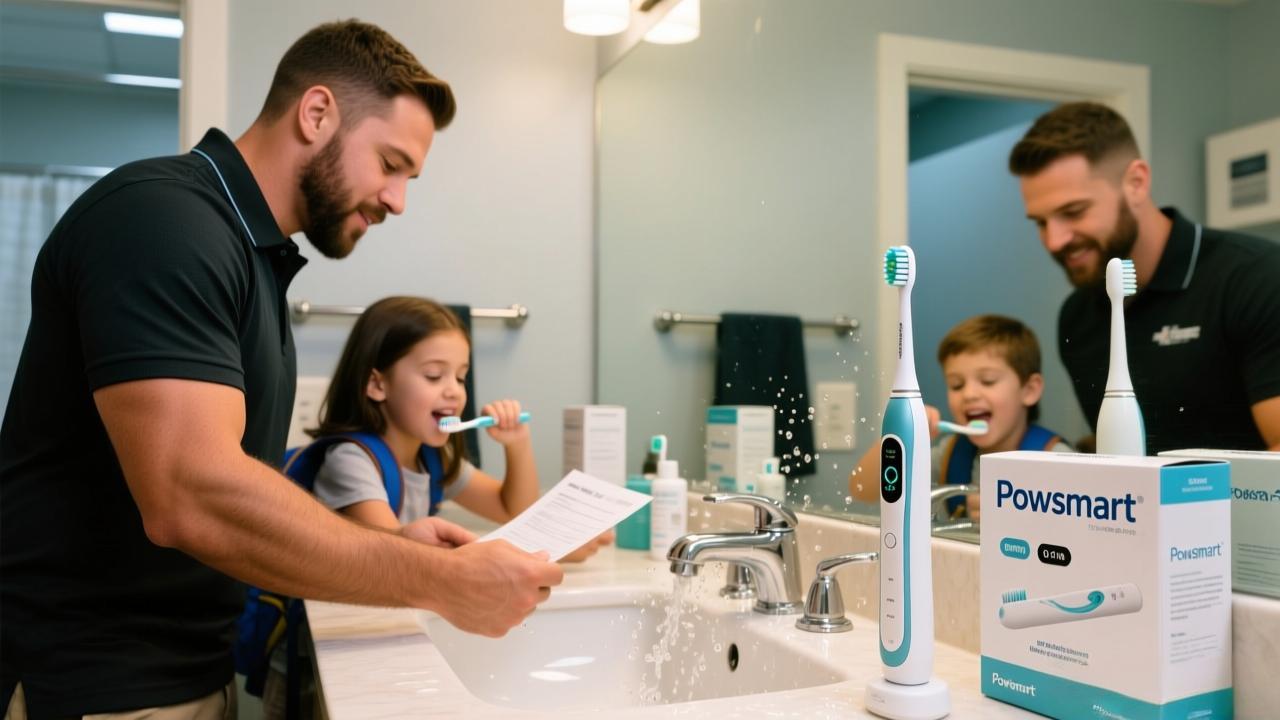
For example, Powsmart’s AI-powered PTR-E11 toothbrush uses a 3D motion sensor to track your brushing path, then generates a “brushing report” in the app—showing you which areas you missed and how to improve. This is just the start of the artificial intelligence oral care future.

Predictive AI: Preventing Issues Before They Start

The most exciting part of the oral care future is predictive AI—models that can detect early signs of gum disease, cavities, or enamel erosion before you feel pain. Here’s how it works:
  • AI analyzes sensor data: Toothbrushes and water flossers collect data on pressure, brushing time, and gum bleeding (via sensors in the brush head).
  • Machine learning identifies patterns: AI compares your data to thousands of clinical cases to spot early warning signs (e.g., “increased pressure on the gumline = early gingivitis”).
  • Proactive alerts: The app sends you a notification: “Your brushing data suggests early gum irritation—try a softer brush head and schedule a dentist checkup.”
A 2024 study found that AI models can detect early gum disease with 92% accuracy—faster than most dentists can diagnose it during a routine checkup. This is the true promise of the artificial intelligence oral care future: turning reactive care into proactive prevention.

AI-Powered Health Coaching: Beyond Brushing

The artificial intelligence oral care future isn’t just about toothbrushes—it’s about holistic health coaching. AI-powered apps will:
  • Integrate with your diet: Track your coffee, wine, or sugar intake (which cause stains and cavities) and adjust your oral care routine (e.g., “You drank 2 cups of coffee today—use a whitening toothpaste tonight”).
  • Connect to your dentist: Share your brushing data with your dentist, who can use it to create a personalized treatment plan (e.g., “Your AI data shows you’re missing the back molars—let’s focus on that at your next cleaning”).
  • Motivate consistent habits: Use gamification (e.g., “You’ve brushed for 2 minutes 5 days in a row—earn a ‘Perfect Brushing’ badge”) to keep you on track.
For example, the Philips Sonicare app uses AI to create a “oral health score” based on your brushing, flossing, and diet—then gives you actionable tips to improve it. This is the next step in the oral care future: turning oral care into a collaborative, personalized journey.

What’s Next for the Artificial Intelligence Oral Care Future?

In the next 5–10 years, the artificial intelligence oral care future will include:
  • AI-powered mouthguards: Mouthguards that track teeth grinding (bruxism) and send alerts to prevent enamel damage.
  • AI whitening kits: Kits that use AI to adjust peroxide concentrations based on your enamel sensitivity (preventing over-whitening).
  • AI dental imaging: At-home scanners that use AI to detect cavities or gum disease, so you can catch issues early.