
In the development of modern root canal irrigation systems, OEM and ODM manufacturers face the dual challenge of delivering highly effective canal debridement while ensuring that surrounding tooth structures remain unharmed. This balance becomes increasingly important as clinicians demand more predictable safety features from endodontic devices. Central to this advancement is the Apical Irrigation Tip, which is designed to deliver irrigants deep into the canal space with refined accuracy, regulated flow, and controlled pressure dynamics. Without such specialized engineering, traditional irrigation approaches can generate high-pressure fluid jets that inadvertently reach the coronal area or enamel surfaces, creating the potential for Enamel Micro-abrasion—a form of subtle surface wear that can compromise tooth vitality, aesthetics, and long-term structural resilience.
A primary factor contributing to Enamel Micro-abrasion is uncontrolled fluid pressure. The Apical Irrigation Tip incorporates micro-engineered flow restrictors that regulate output pressure, ensuring the irrigant remains strong enough to flush debris while never reaching abrasive force levels. This pressure stability protects enamel surfaces during all phases of treatment, including canal entry and withdrawal.
Advanced endodontic tips feature side-vented or multi-directional nozzles that direct fluid laterally within the canal, rather than outward toward the crown. This prevents irrigant streams from contacting enamel surfaces directly. By confining hydraulic energy to the apical region, the tip ensures efficient removal of smear layer, necrotic tissue, and biofilm without risking unintended enamel wear.
In addition to fluid-induced abrasion, mechanical contact from rigid instruments can damage tooth surfaces. The Apical Irrigation Tip often uses soft, medical-grade polymers that flex upon contact with canal walls. This prevents scraping, minimizes friction, and ensures that even in narrow or curved canals, the tip does not create mechanical pathways for Enamel Micro-abrasion.
An inconsistent flow rate may generate turbulent backflow that projects irrigant upward toward enamel surfaces. By stabilizing flow constancy, the Apical Irrigation Tip maintains predictable fluid movement. This not only enhances irrigation efficiency but prevents erratic fluid bursts that could contribute to micro-abrasive effects on enamel ridges or cavity margins.
Innovative venting channels and pressure-relief structures allow the tip to dissipate excess intracanal pressure, minimizing splashback toward the crown. Reduced back-pressure ensures that irrigants stay deep within the canal system.
For B2B manufacturers, incorporating an advanced Apical Irrigation Tip significantly elevates safety claims and product differentiation. Improved enamel protection translates into fewer clinical complications, stronger end-user trust, and better performance under regulatory requirements. By reducing the risks associated with Enamel Micro-abrasion, OEM systems position themselves as premium, patient-friendly solutions. Contact us
.jpg)
Rechargeable Teeth Whitening Device Wholesale
OEM Electric Toothbrush Kirkland | Custom Dental Solutions
.jpg)
Can Dental software transform your Practice management?
Holiday Gift Sets for Clients – Custom Oral Care Corporate Gifts
Features of Electric Oral Care Products for Outdoor Enthusiasts

If Resetting an Electric Toothbrush Can Solve Malfunction Problems

What Did the Dentist Say About Natural Ingredient Tooth-Whitening Products?
Professional Dental Water Flosser Supplier
.jpg)
Can a sonic toothbrush company provide a toothbrush with app?
Ideas for Gifts Given by Dental Clinics – Custom Patient Care Packages
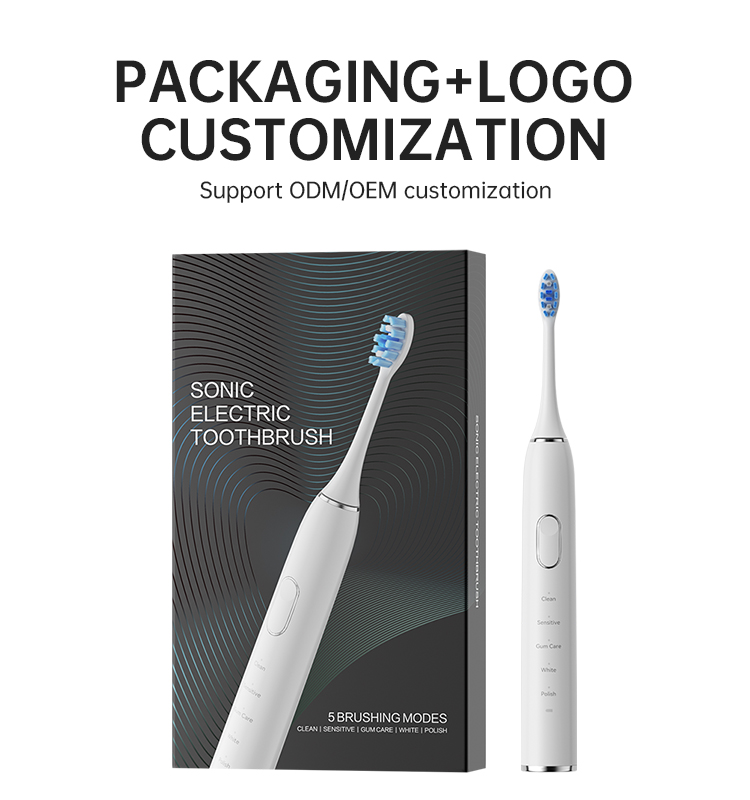
What Are the Customizable Options Available for Electric Toothbrushes?

How the Best Toothbrush Materials Enhance OEM Product Value
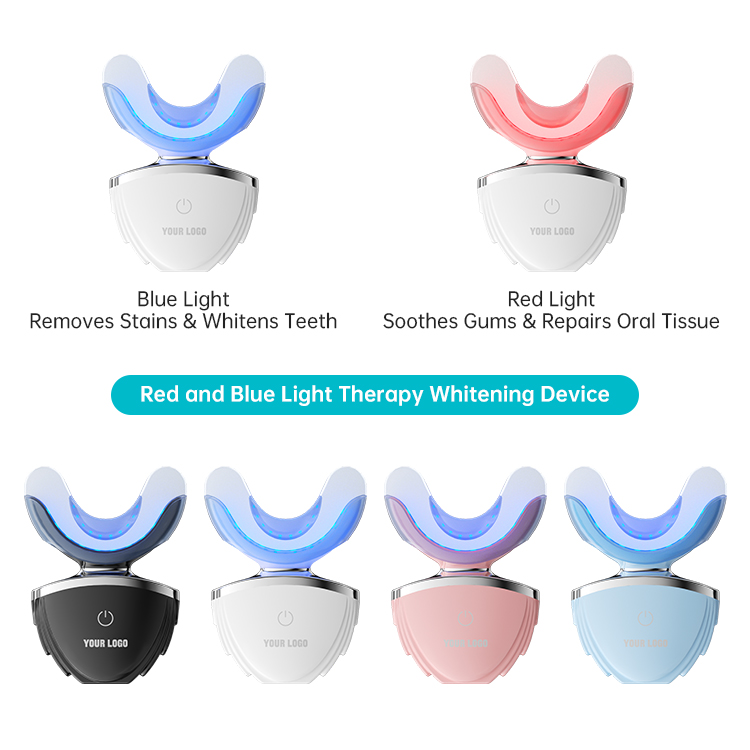
How Does an LED Whitening Light Withstand a Pressure Decay Test for Durability?
.jpg)
How Does Water Flosser Prototype Development Benefit from Water Flosser Technology Partners?
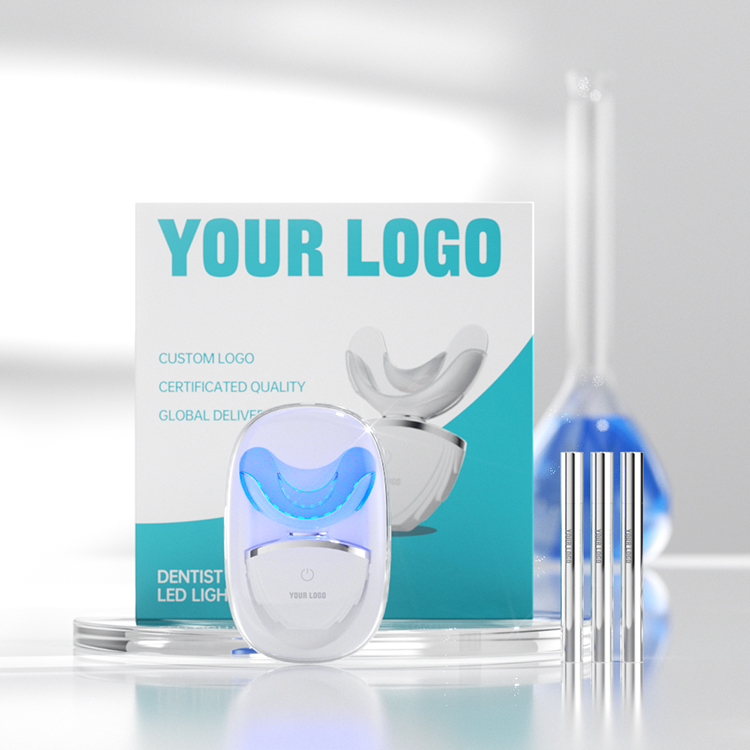
A Comparison of Different At-Home Teeth Whitening Options for OEM Product Development


.jpg)
.jpg)
.jpg)
.jpg)
.jpg)






.jpg)
.jpg)
-1.jpg)