
As professional water flossers expand into periodontal and clinical-grade applications, manufacturers are evaluating whether Saline Solution Compatibility is essential for maximizing the performance of a Calcified Deposit Remover. Saline-based irrigation is widely used in dental settings due to its tissue-friendly properties, ionic stability, and ability to maintain osmotic balance. Ensuring device components perform effectively with saline can greatly influence safety, efficiency, and overall clinical reliability.
Saline contains sodium chloride, which can corrode metals or degrade plastics if materials are not properly chosen. A Calcified Deposit Remover designed for saline use must incorporate corrosion-resistant alloys, medical-grade polymers, or protective coatings to ensure long-term durability.
Although saline has a similar viscosity to water, its ionic content can influence flow behavior. Ensuring Saline Solution Compatibility allows the device’s pump and nozzle system to maintain consistent pressure, which is critical for breaking down calcified deposits safely and efficiently.
Saline is gentler on soft tissues than pure water, especially during high-pressure plaque removal procedures. When paired with a Calcified Deposit Remover, saline minimizes irritation and supports a smoother clinical experience, particularly for sensitive or inflamed gingival areas.
The ionic composition of saline helps suspend micro-particles and debris dislodged during calcified deposit removal. Designing the system for saline use improves debris evacuation efficiency and prevents nozzle clogging.
A device not optimized for saline may experience unintended chemical reactions—such as mineral scaling or chloride buildup—within internal channels. Engineering specifically for Saline Solution Compatibility prevents these issues and extends device service life.
Clinical practitioners expect predictable and repeatable performance. Ensuring that the Calcified Deposit Remover operates seamlessly with saline irrigation strengthens overall reliability, reduces maintenance needs, and aligns with professional hygiene standards.
For manufacturers, designing a Calcified Deposit Remover with full Saline Solution Compatibility is not just beneficial—it is increasingly becoming a requirement for professional-grade flossers. By selecting corrosion-resistant materials, optimizing pump behavior, and ensuring chemical stability, OEM partners can deliver devices that meet clinical expectations for safety, performance, and longevity.Contact us

.jpg)
Conducting a Toothbrush Competitor Analysis?
.jpg)
Peroxide Free Whitening Device Supplier for Global Oral Care Brands
.jpg)
Need a Portable Water Flosser ODM that Incorporates Leak-proof Flosser Technology?
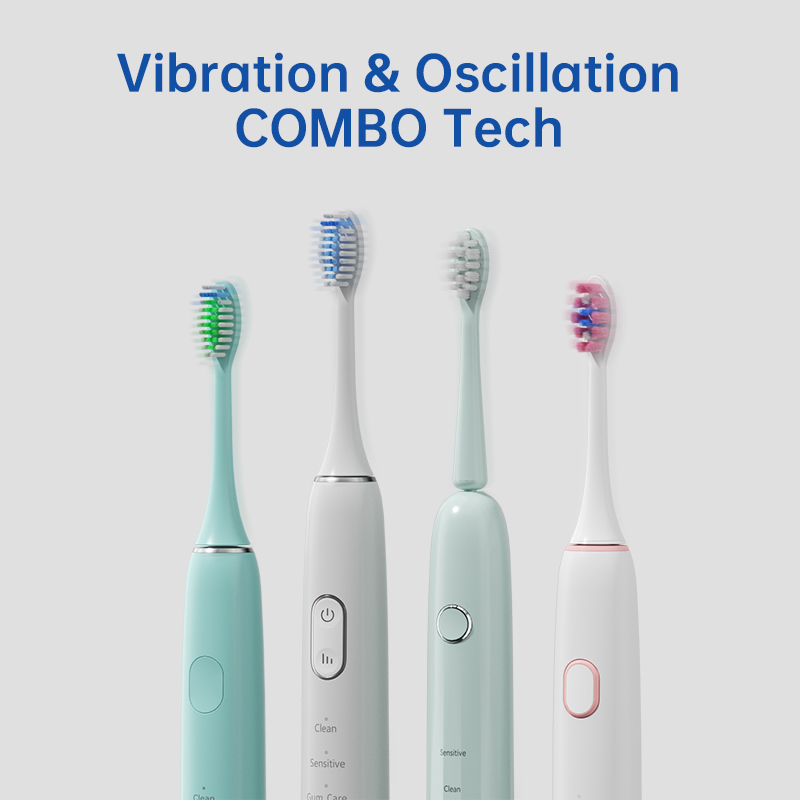
Why Is an Orthodontic Jet Tip More Effective When Controlled by a Multi-pressure Chip?
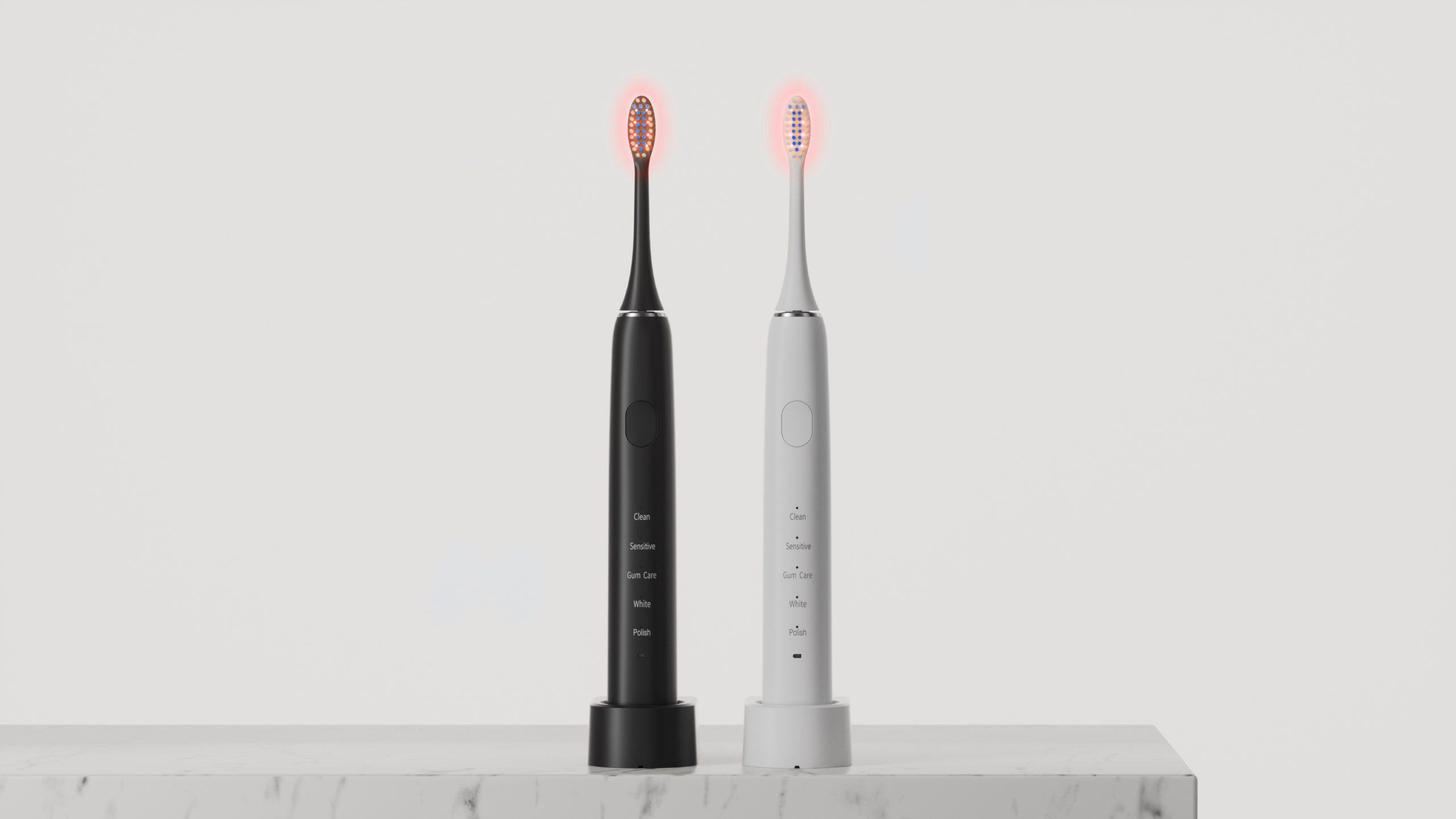
Custom Whitening Toothbrush OEM: Advanced Stain Removal Technology
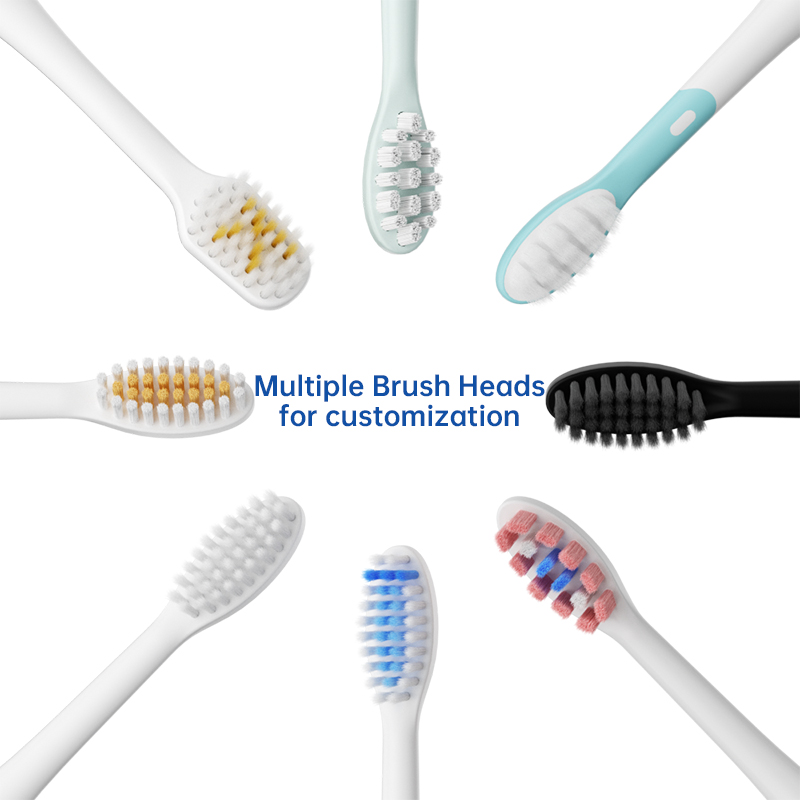
How Toothbrush Accessories Compatibility Matters to Brand Loyalty
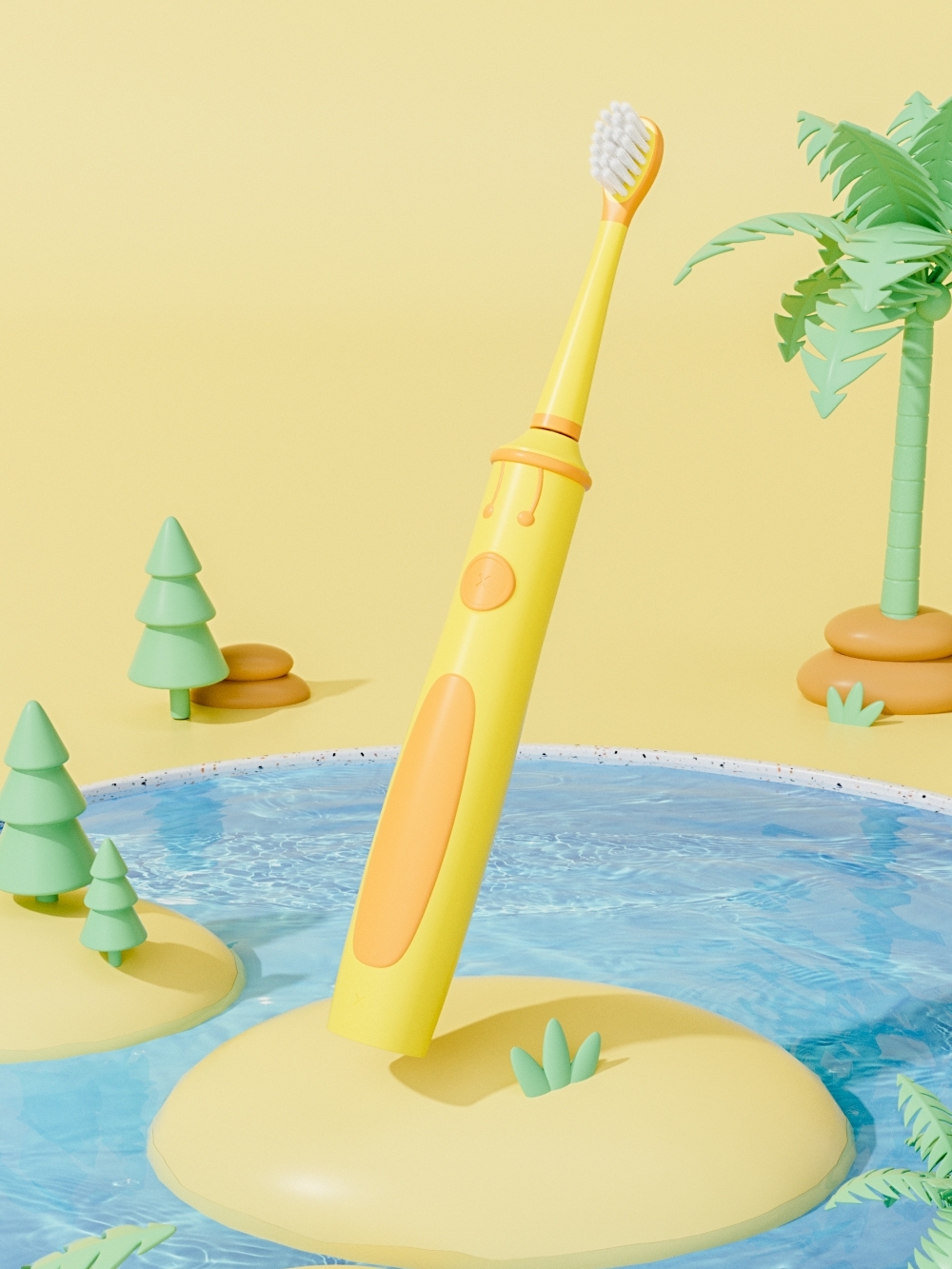
Is Kids’ Electric Brushing Really Safe?
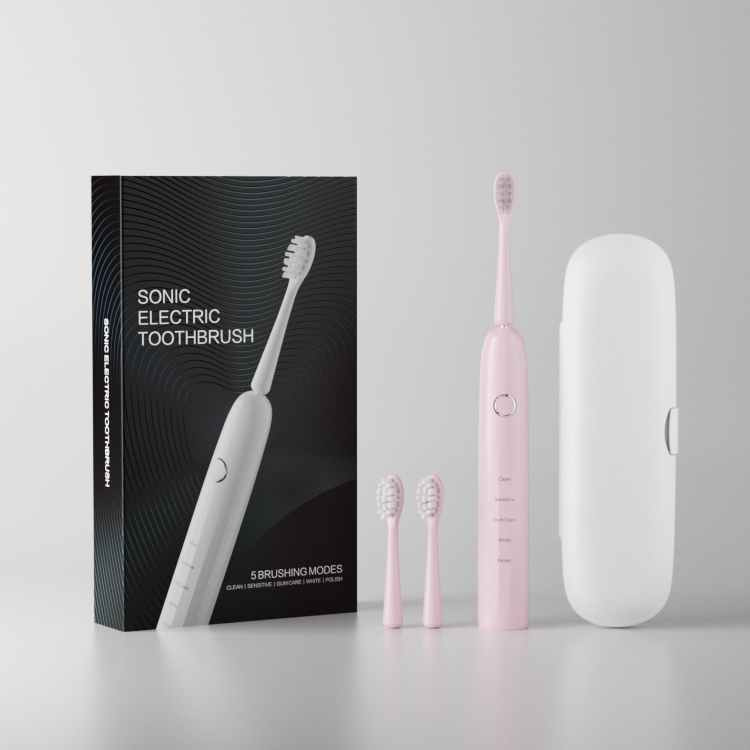
How Can I Charge My UK Electric Toothbrush in the USA? Universal Charging Solutions from an OEM Factory
How to Fix LCD Glitches and Sensor Errors?
Integrating the Best Light Therapy for Mouth into Your OEM Oral Care Products
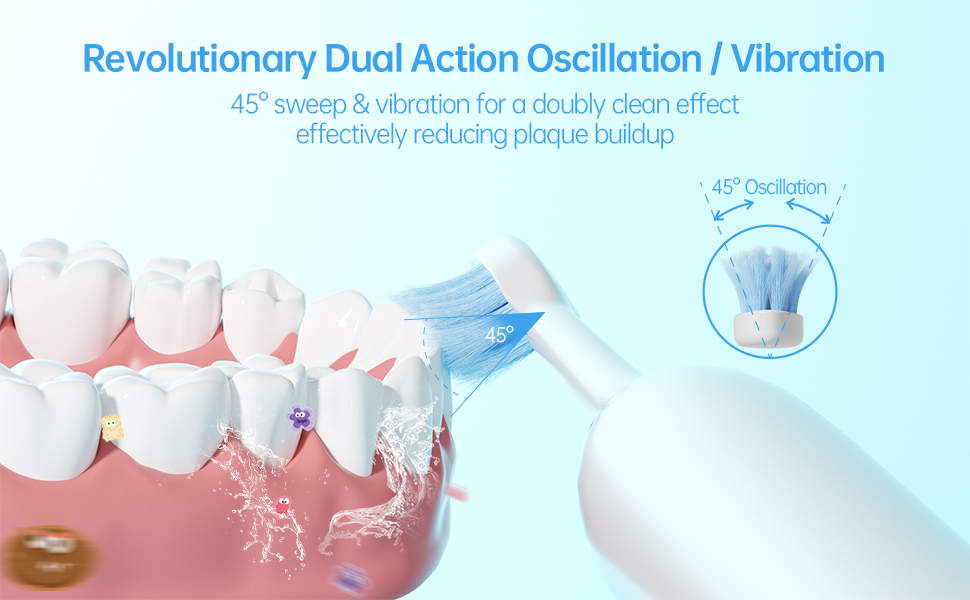
Workplace Oral Health Initiatives – Inspiration of Custom Electric Toothbrush Programs
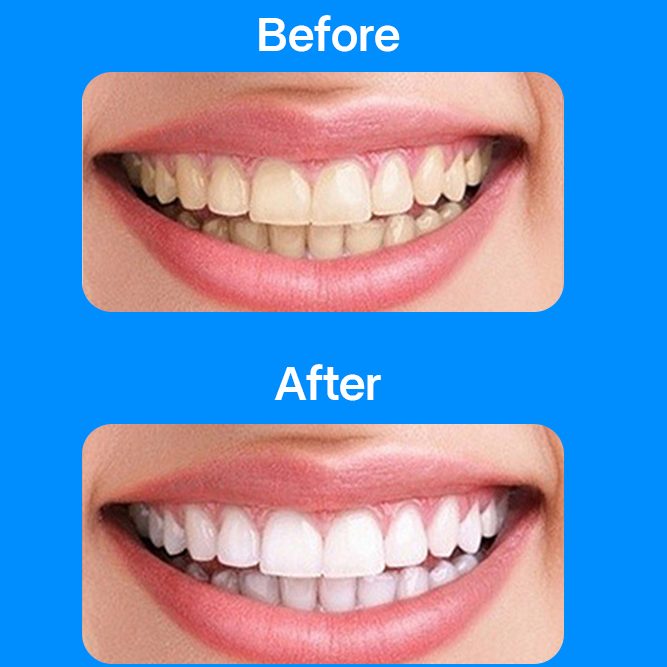
Is It True That Portable Teeth Whitening Devices Have No Effect at All?
Why Dentist Consultations Mitigate Home Treatment Risks?
Bristle Splaying Worsening Demineralization Zones – Negligence?
.jpg)
What Should Be Noted When Children Use Water Flosser?
How Much is the Quality Difference Between Different Materials of LED Teeth Whitening Devices?


.jpg)
.jpg)
.jpg)
.jpg)
.jpg)







.jpg)