Cavitation Cleaning Technology is revolutionizing the way whitening systems achieve effective and long-lasting results. By utilizing the power of controlled bubbles and pressure, this technology enhances the cleaning action, allowing for better removal of surface stains and improving the overall effectiveness of whitening treatments. When assessing these results, Hue Saturation Lightness (HSL) measurements play a critical role in evaluating the whiteness achieved, making it essential to understand how Cavitation Cleaning Technology impacts these metrics.
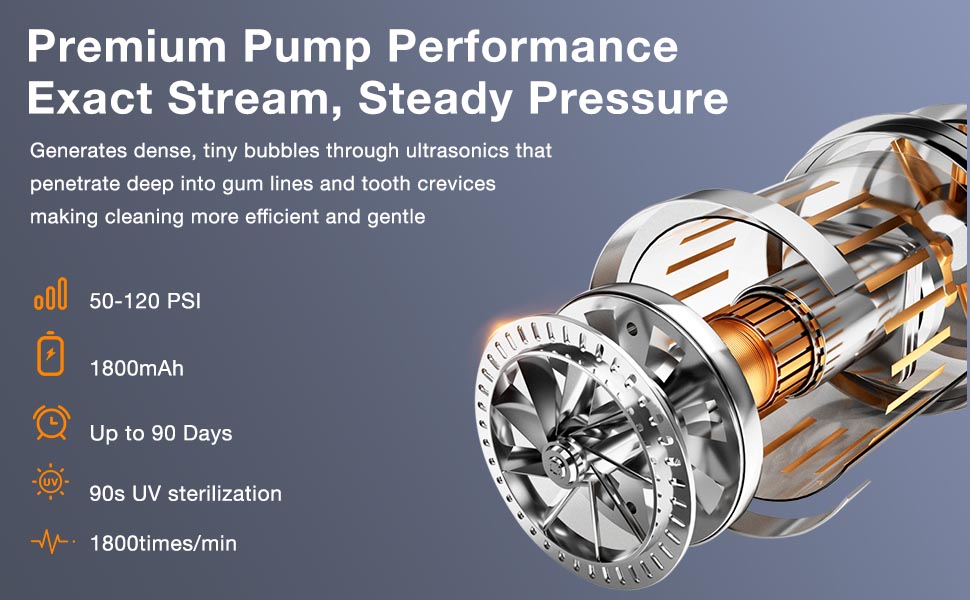
Cavitation Cleaning Technology generates rapid bubbles in a liquid medium, which implode to create intense localized energy. This energy helps break down plaque, debris, and surface stains on teeth, resulting in a cleaner and whiter appearance. By improving stain removal, this technology can lead to better results, which can then be measured accurately using Hue Saturation Lightness metrics to assess the level of whitening achieved.
Hue Saturation Lightness (HSL) is a color model used to describe color in terms of three attributes: hue, saturation, and lightness. Hue refers to the type of color, saturation to the intensity of the color, and lightness to the brightness. In the context of teeth whitening, HSL measurements used to quantify the visual change in tooth color after treatment, making it an essential metric for assessing whitening effectiveness.
By enhancing the stain removal process, Cavitation Cleaning Technology directly influences the HSL values of teeth. The more effectively stains are removed from the enamel surface, the lighter and brighter the teeth appear. This can lead to an increase in lightness (L value) on the HSL scale, which reflects a whiter appearance. As stains are broken down, the Hue and Saturation components of the tooth color may also shift.
One of the challenges in teeth whitening is achieving consistent results across various teeth types and surface conditions. Cavitation Cleaning Technology helps by ensuring that the entire surface of the teeth receives equal treatment, thereby reducing inconsistencies in the whitening process. This consistency translates to more predictable changes in HSL measurements, allowing for more accurate assessments of whitening effectiveness.
Integrating Cavitation Cleaning Technology into whitening systems allows for faster, more efficient stain removal, improving whitening outcomes. By creating a more uniform and effective cleaning action, this technology supports better performance in professional and at-home whitening products. Accurate HSL measurements post-treatment can then confirm the degree of whitening achieved.
As whitening technologies evolve, the integration of Cavitation Cleaning Technology with advanced measurement techniques like HSL will continue to play a pivotal role in enhancing the overall whitening experience. For manufacturers, understanding how this technology affects HSL readings provides critical insights into product performance. Contact us
.jpg)
Dallas Electric Toothbrush Supplier
.jpg)
Travel-Friendly Water Flosser: From Foldable Nozzles to Globally Voltage-Compatible Solutions
Chicago Electric Toothbrush Supplier – Wholesale Quality from Chinese Factory
How does a Pressure-sensitive Matrix leverage Hydro-kinetic Energy Transfer for gentle cleaning?
How Does Advanced Toothbrush Manufacturing Equipment Ensure Toothbrush Quality Certification?
Gum Recession from Pulse Inconsistency? Uncover the Overlooked Risk in Oral Care Devices
How Can oral care Brand Owners Enhance brand influenceThrough Product Expansion Strategies?
Want Electric Toothbrush Industry Insights for a Thorough Electric Toothbrush Competitor Analysis?
Does the 40000 Strokes/Min Sonic Brush Trigger Gum Recession?
Electric Toothbrush OEM Manufacturer for Global Brands | Custom Production & Compliance
Mode Failure Accelerates Enamel Cracks? Stop Using Now!
Quiet Sonic Toothbrush OEM | Whisper-Level Cleaning Technology
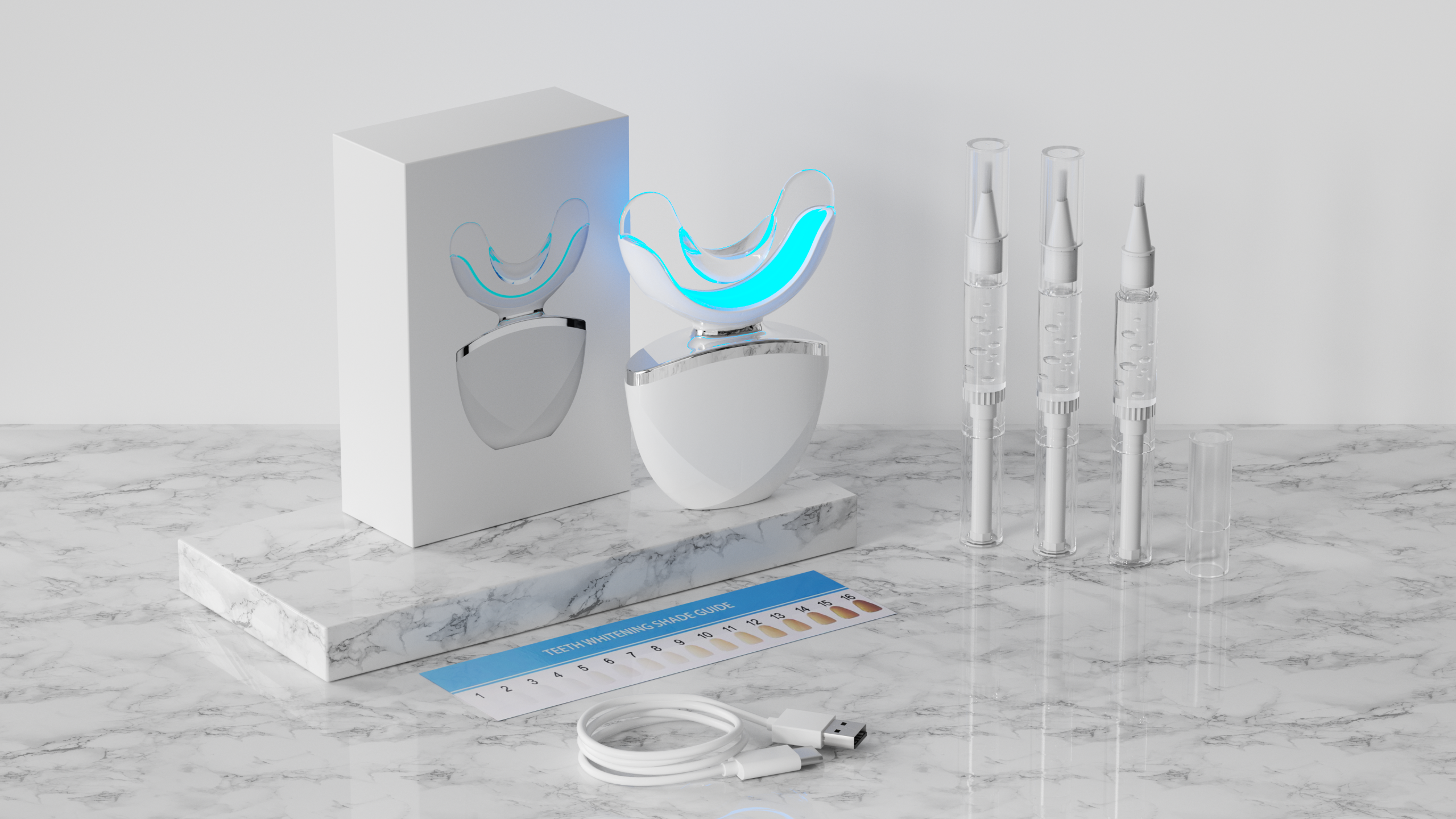
The Market Potential of Teeth Whitening: The Consumer Psychology Behind Annual Growth of Home Teeth Whitening Devices
Light Burns Cause Bite Misalignment? Whitener Safety Controversy!
Custom Electric Toothbrush Factory for B2B Brands | OEM & ODM Solutions
Long Battery Life Electric Toothbrush – OEM & Bulk Supply for Global Distributors


.jpg)
.jpg)
.jpg)
.jpg)
.jpg)





.jpg)