As water flosser technology evolves, manufacturers increasingly explore how Osmotic Pressure Regulation can be integrated to improve Jet Stream Collimation, ensuring that water delivery remains gentle enough for sensitive gum tissue while still achieving effective cleaning. By controlling solute concentration, fluid density, and internal pressure gradients, device engineers can significantly influence stream stability, flow uniformity, and tissue comfort.
Osmotic Pressure Regulation helps maintain consistent fluid density inside the reservoir, which directly affects how the water stream forms at the nozzle. Stable density results in more uniform Jet Stream Collimation, reducing turbulence and ensuring smoother gum-contact performance.
By balancing the osmotic gradient within the fluid chamber, the system avoids sudden pressure buildups. This stability supports gentle gum care by preventing sharp bursts that could irritate or damage sensitive gingival regions.
Predictable collimation relies on consistent internal pressure. When osmotic pressure is regulated, the water’s flow characteristics remain steady, enabling the nozzle to form a finely aligned jet ideal for precise interdental and sulcus cleaning.
A well-controlled osmotic system can help prevent fluid backflow into the device by stabilizing internal pressure differentials. This contributes to safer and more hygienic operation—important for premium gum-care products.
With optimized Jet Stream Collimation, the water stream becomes more laminar and less abrasive. Combined with osmotic-controlled pressure, the device can offer therapeutic gum stimulation without compromising comfort.
For B2B manufacturers, integrating Osmotic Pressure Regulation into Jet Stream Collimation systems ensures repeatable performance across production batches. This supports stronger brand reliability, lower defect rates, and higher-quality end-user experiences.
When Osmotic Pressure Regulation works in tandem with advanced Jet Stream Collimation, water flossers can deliver gentle yet highly effective gum care. For OEM partners, adopting this combined approach leads to more stable pressure management, improved cleaning precision, and enhanced user comfort—key differentiators in today’s competitive oral-care market. Contact us
.jpg)
USB Rechargeable Toothbrush Wholesale Supplier Guide
Portable LED Whitening Mouthpiece Wholesale | Flexible LED Oral Tray Supplier
Electric Toothbrush Wholesale Supplier for Global Distributors
Professional Whitening System Bulk Supply for Global Retailers
Dual Clean Electric Toothbrush OEM | 2-Action Cleaning Toothbrush Manufacturer
Water Flosser for Dental Care Programs | Clinic & Subscription Kit Supplier

powsmart-Wide Frequency Range Electric Toothbrush Manufacturers
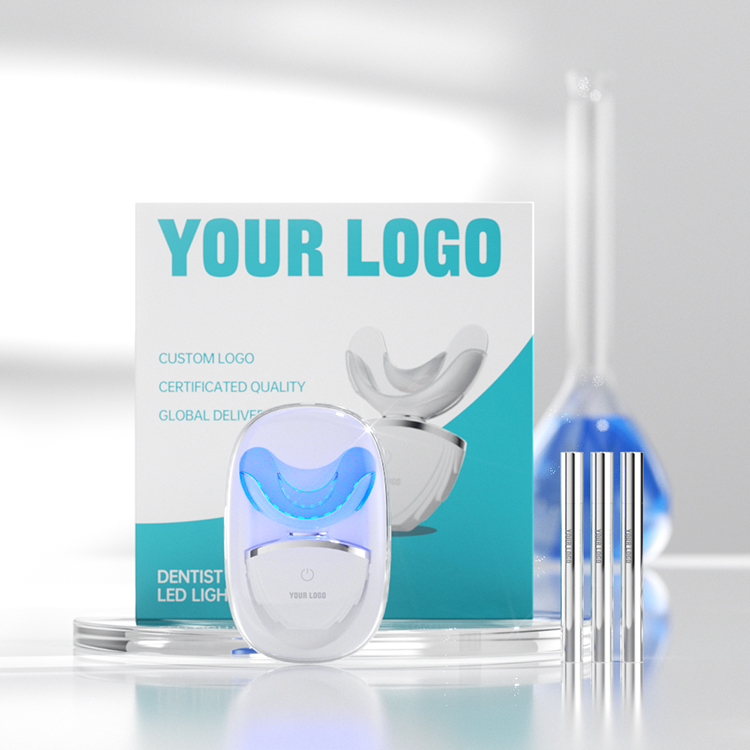
Can Minimizing Chromatic Aberration Increase Luminescence Efficiency in Whitening Devices?
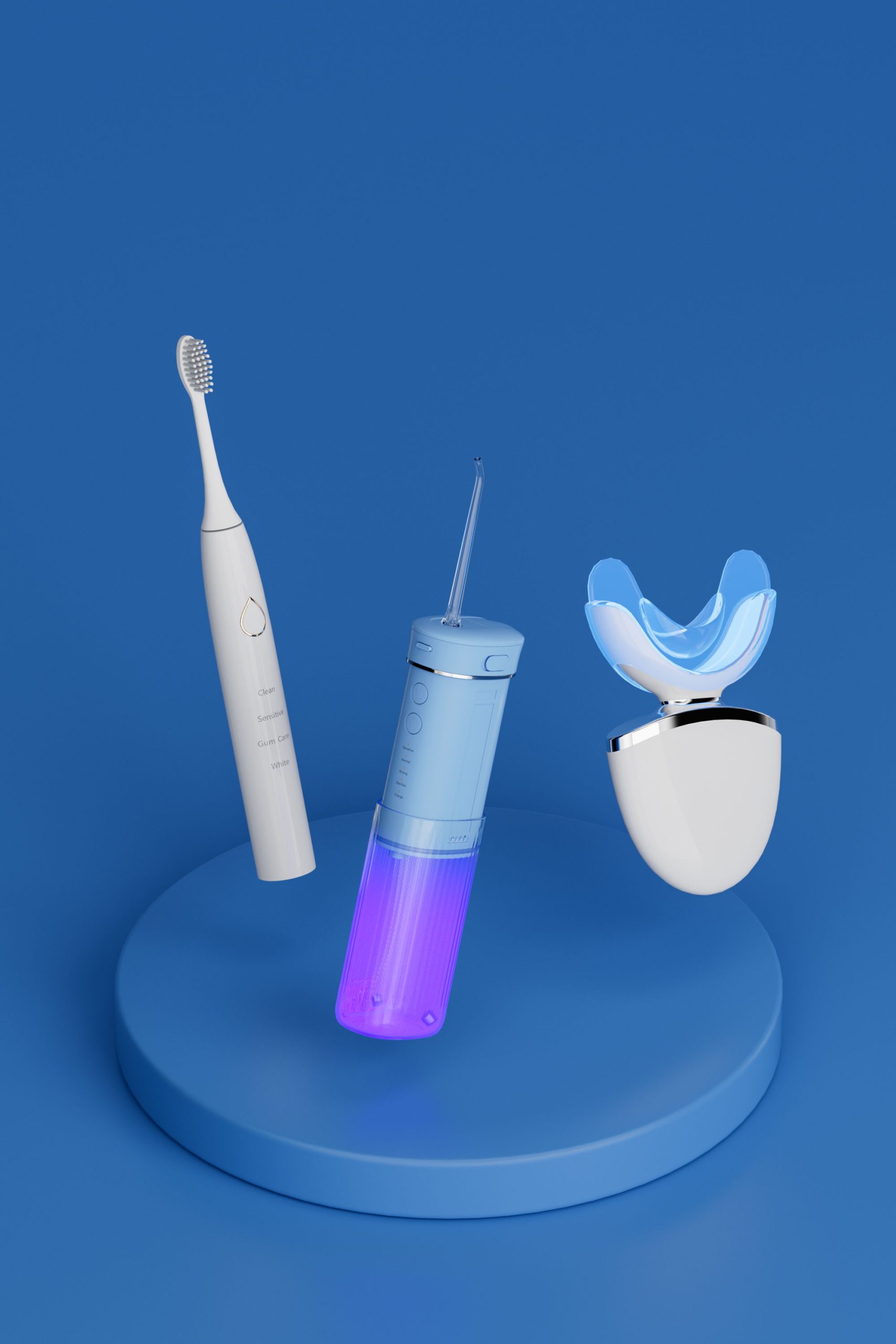
How Do Hydro-dynamic Bearings Optimize Flow Channel Geometry in Water Flossers?

Teeth Whitening at Home vs Dental Clinic: Key Differences for OEM Brands
Electric Toothbrush OEM Capabilities for Global Brands
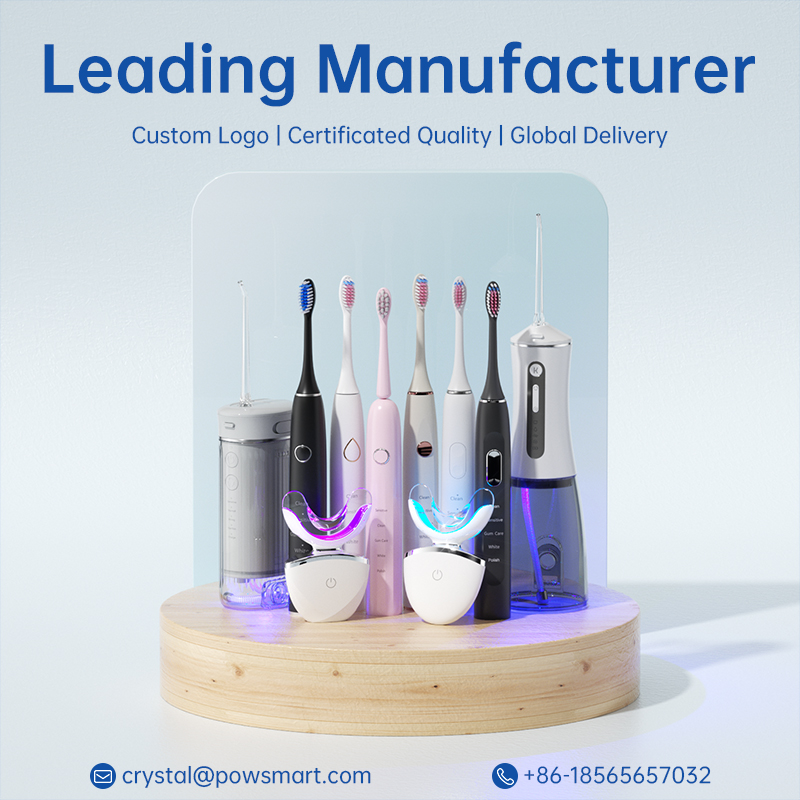
What Is the Most Profitable Oral Care Product to Manufacture and Custom Logo?
Wireless Charging Toothbrush | OEM Manufacturer for Premium Oral-Care Brands
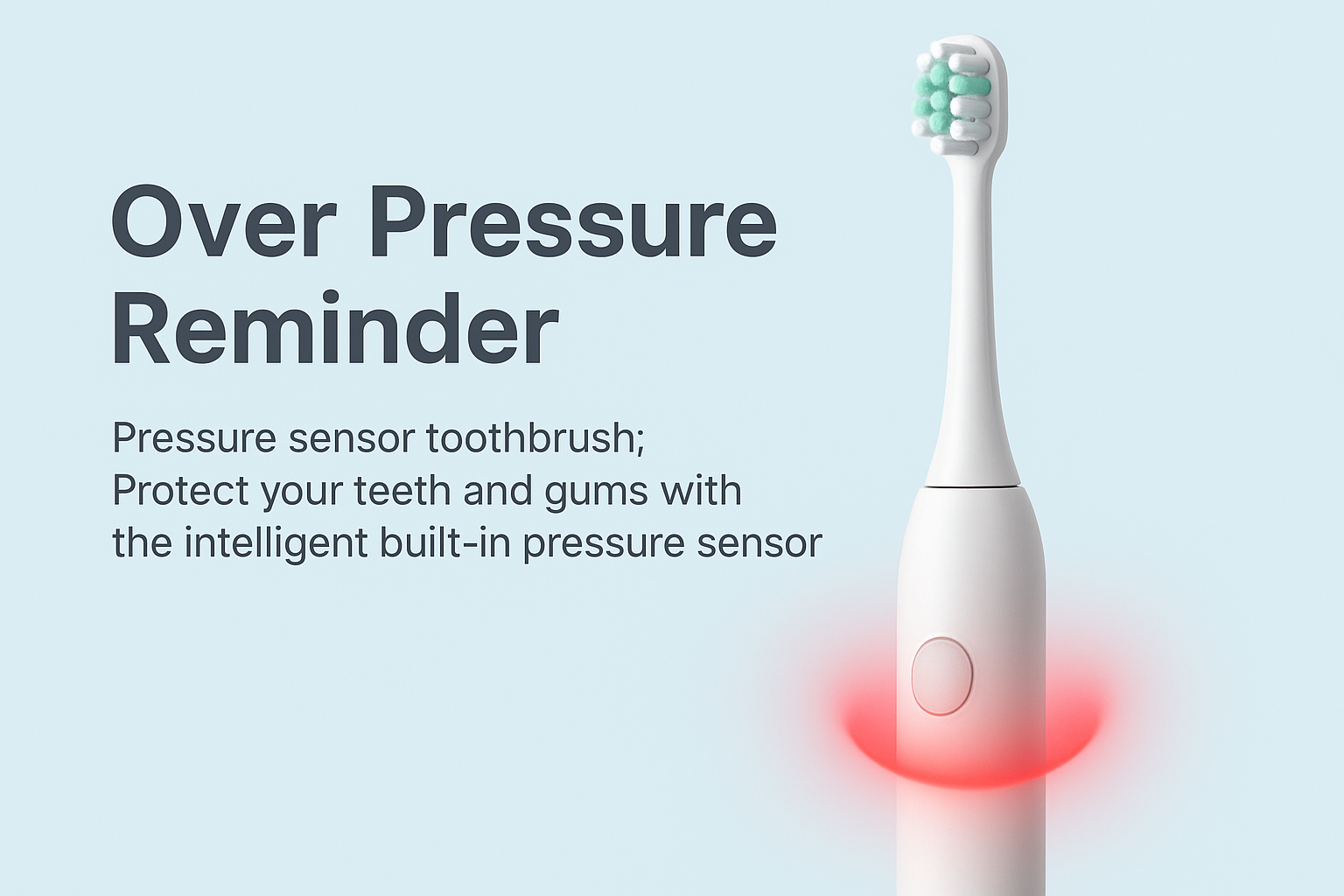
Why Is Regular Colorimeter Calibration Essential for Measuring Opalescence Enhancement in Whitening Treatments?
.jpg)
sonic electric toothbrush Miami
.jpg)
Can Osmotic Pressure Regulation Enhance Jet Stream Collimation in Oral Irrigators?


.jpg)
.jpg)
.jpg)
.jpg)
.jpg)