For modern oral-care and fluid-control devices, units built with Vortex Chamber Technology require strict quality verification to ensure stable performance. Conducting a Pressure Decay Test is one of the most reliable and cost-effective methods to confirm airtightness, pressure retention, and overall system integrity. By combining vortex-driven flow mechanics with robust leak-testing protocols, manufacturers can confidently deliver high-performance devices to global OEM/ODM partners.
Vortex Chamber Technology relies on controlled turbulence to stabilize flow direction, enhance cleaning efficiency, or improve internal fluid mixing. Any microscopic leak will compromise this effect. A Pressure Decay Test detects even minimal pressure drops within the enclosed system, ensuring every unit maintains the necessary sealing structure to support vortex-driven performance.
One challenge for B2B manufacturers is guaranteeing uniform performance across large production volumes. By integrating Pressure Decay Test procedures into the QC workflow, engineers can confirm that the vortex chamber maintains its required internal pressure parameters, helping achieve consistent flow rate, pulsation strength, and turbulence behavior across all units.
A small leak may cause pumps or motors to operate under excessive stress as they attempt to compensate for lost pressure. Pressure Decay Testing ensures that the internal Vortex Chamber Technology operates within the intended pressure range, reducing premature wear, component overload, and long-term maintenance issues for downstream partners.
Products incorporating vortex-enhanced chambers rely heavily on pressure stability to maintain efficiency. If internal pressure escapes, the device’s performance quickly declines. Through early detection of micro-leaks, manufacturers can prevent faulty units from entering the supply chain—boosting product reliability, minimizing warranty claims, and strengthening brand confidence.
OEM/ODM clients often require compliance with global quality frameworks such as ISO, GMP, or industry-specific performance benchmarks. Pressure Decay Test protocols are widely recognized and compatible with automated QC platforms.
Because Pressure Decay Testing quantifies pressure loss over time, it acts as a predictive diagnostic tool. Manufacturers can evaluate leak trends, material behavior, gasket performance, and chamber resilience.
The combination of Pressure Decay Test procedures and Vortex Chamber Technology creates a highly reliable foundation. Leak-free vortex chambers ensure consistent fluid dynamics, long-term durability, and strong confidence for global OEM/ODM clients demanding precision-engineered products. Contact us
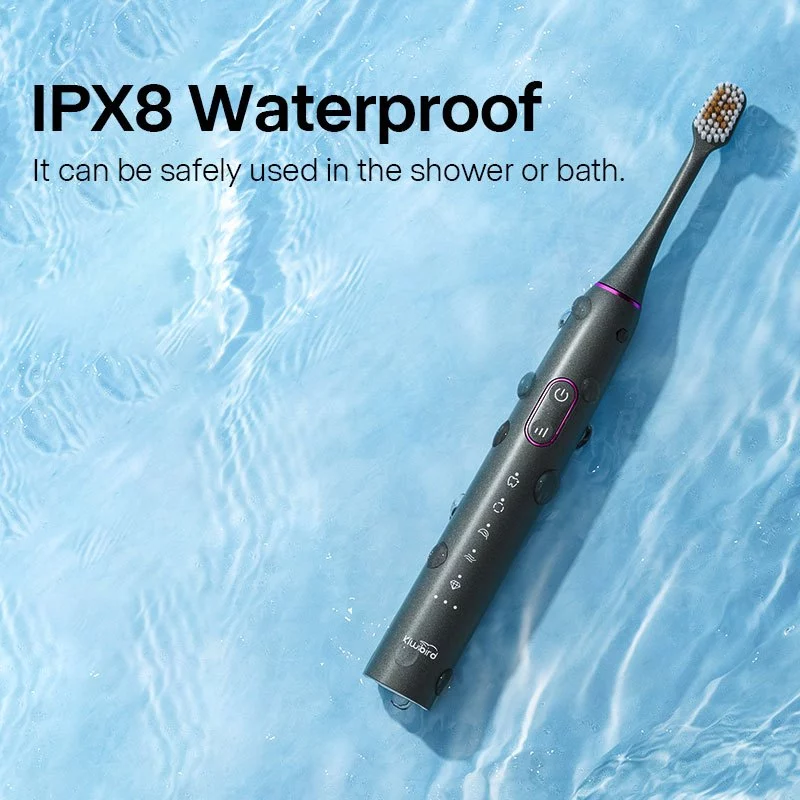
Supplier-Side Solutions and Preventive Measures for Common Negative Reviews from Electric Toothbrush Users
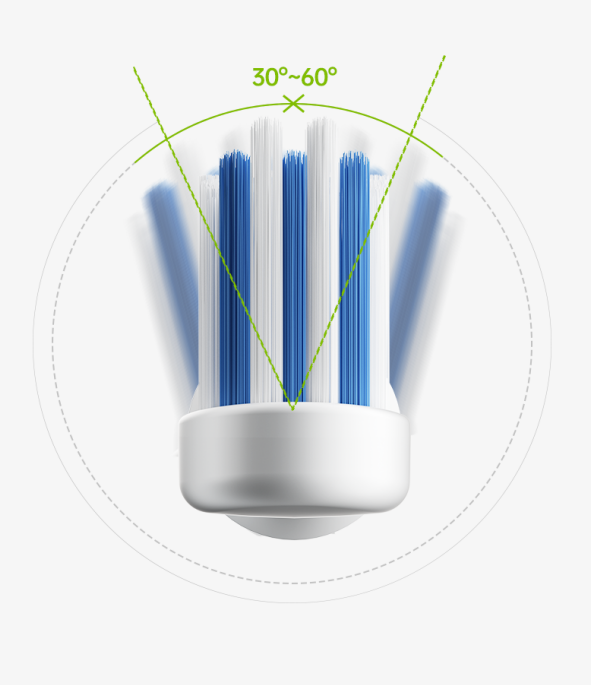
Benefits of owning your own brand of WAVE electric toothbrush
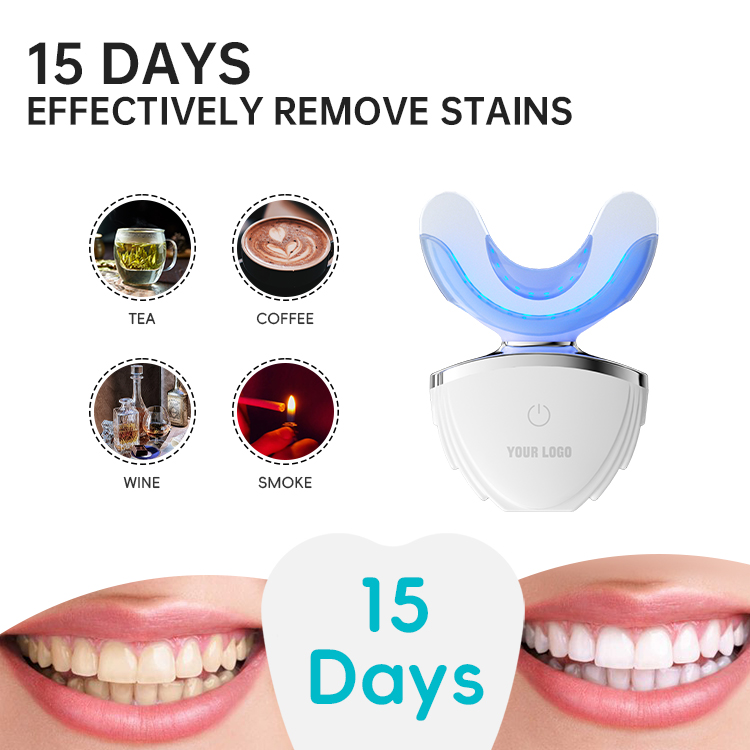
Why Must the Whitening Gel Formula Be Precisely Matched to the Custom Tray Design?
.jpg)
Do multiple cleaning modes give you more personalized choices?
.jpg)
Ultimate Guide to Whitening Electric Toothbrushes for Beginners
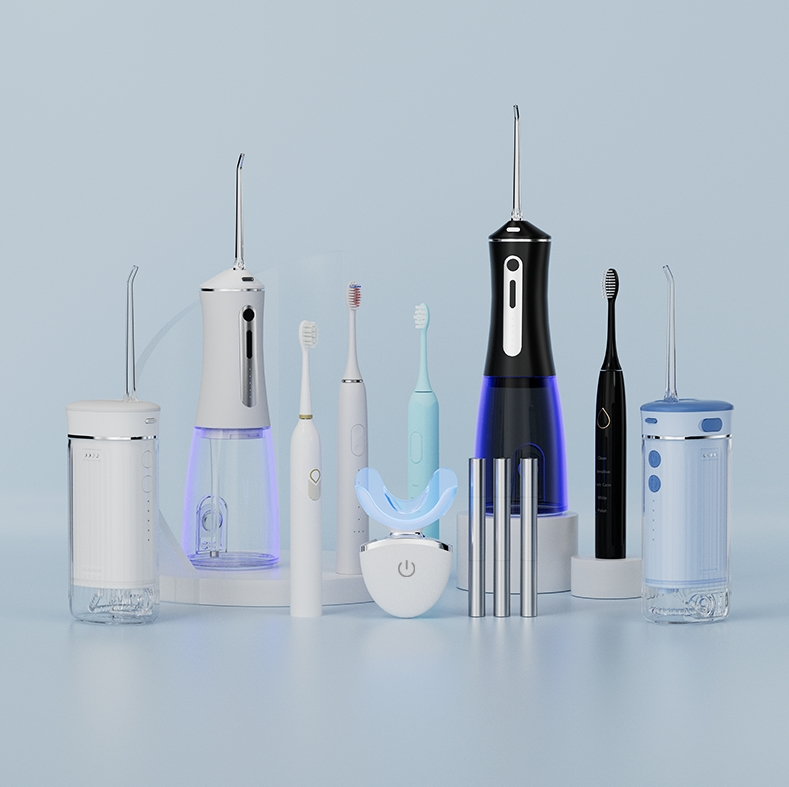
Are Oral Care Products Suitable for TK Small Businesses?
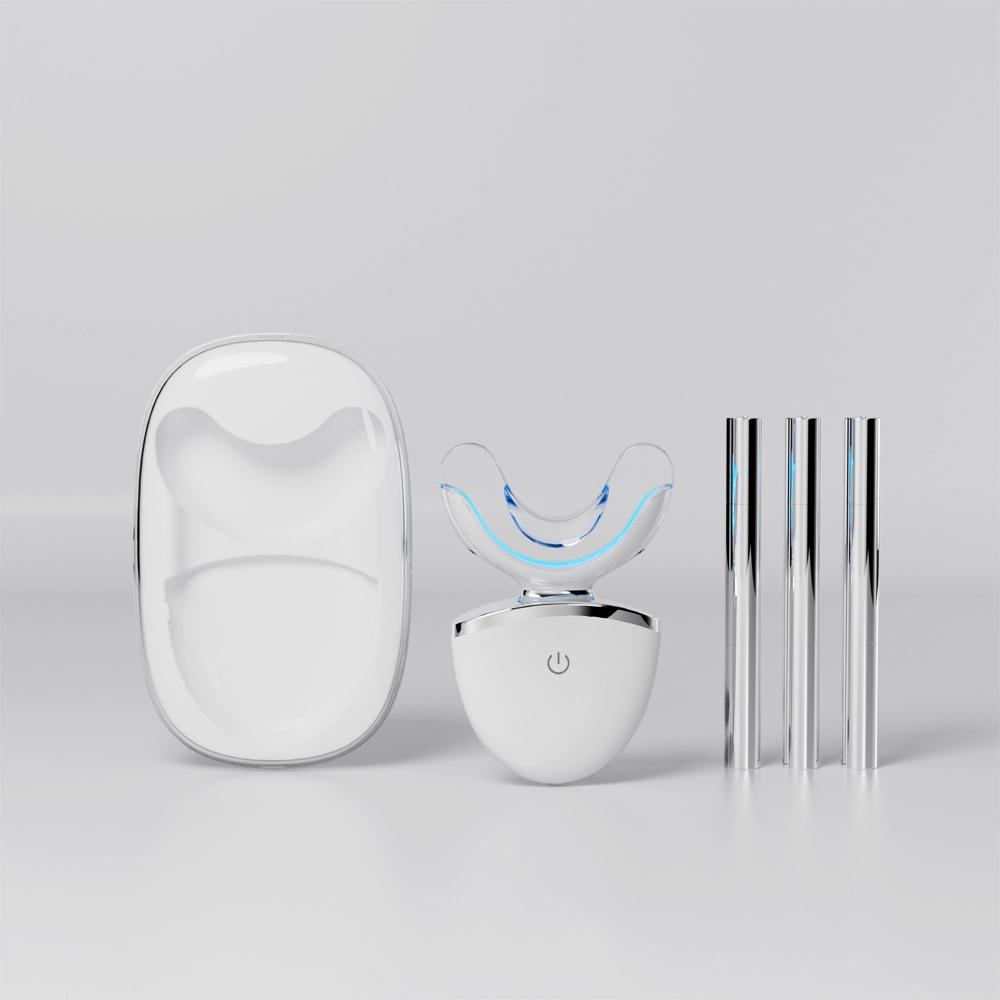
A complete guide to choosing a teeth whitening gel supplier
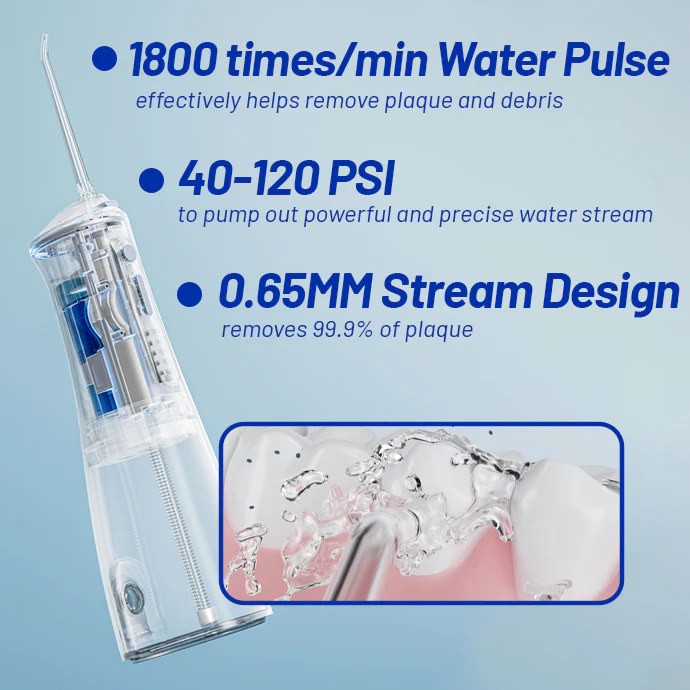
Solutions for Water Flosser Having Unstable and Intermittent Water Flow
Common Electric Toothbrush Issues & How Factories Can Prevent Them
Electric Toothbrush Travel Case Guide: Choose the Best Case for On-the-Go

Why Is Bristle Configuration Design Critical When Developing a Brush Handle Mold for Ergonomic Toothbrushes?
Are Bluetooth Disconnects Causing Battery Drain Speed?
.jpg)
How to Choose a Professional ultraviolet sterilized water flosser Manufacturer?
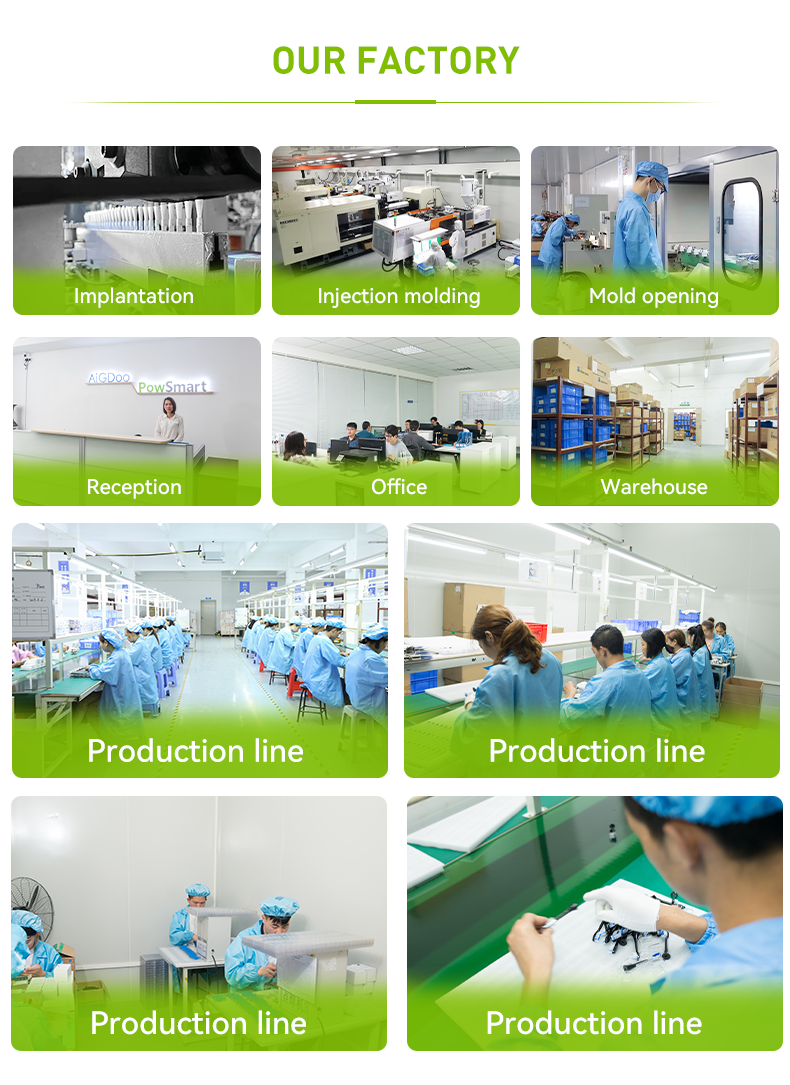
Need Packaging Customization Service for Products Containing a Lithium Battery Pack?
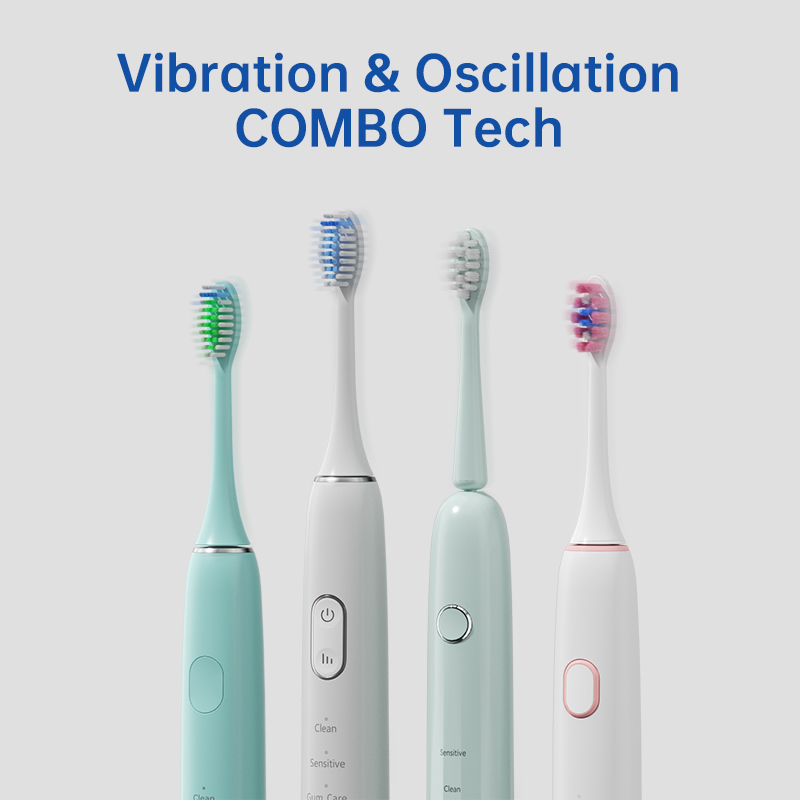
How Can a Sonic Toothbrush Manufacturer Collaborate on Portable Water Flosser Designs for Travel-Friendly Oral Care?
Can Child Lock Failure Exacerbate Tongue Cleaner Abrasion?


.jpg)
.jpg)
.jpg)
.jpg)
.jpg)




.jpg)
.jpg)