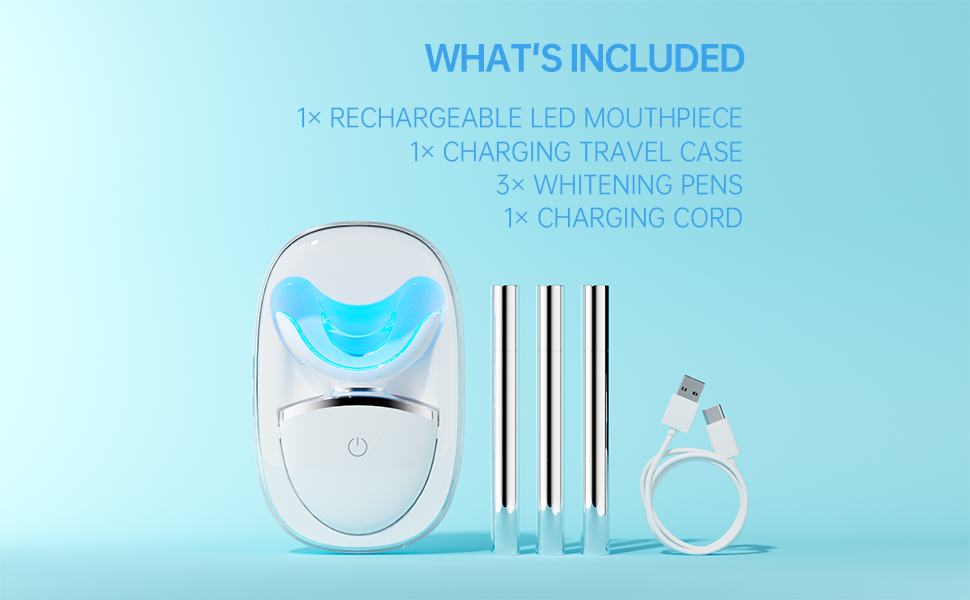
In professional and at-home whitening systems, the synergy between an LED Whitening Lamp and a tailored Whitening Gel Formulation is critical to achieving predictable and safe results. For B2B manufacturers, understanding how light energy interacts with gel chemistry helps optimize product performance, regulatory compliance, and end-user satisfaction across different markets.
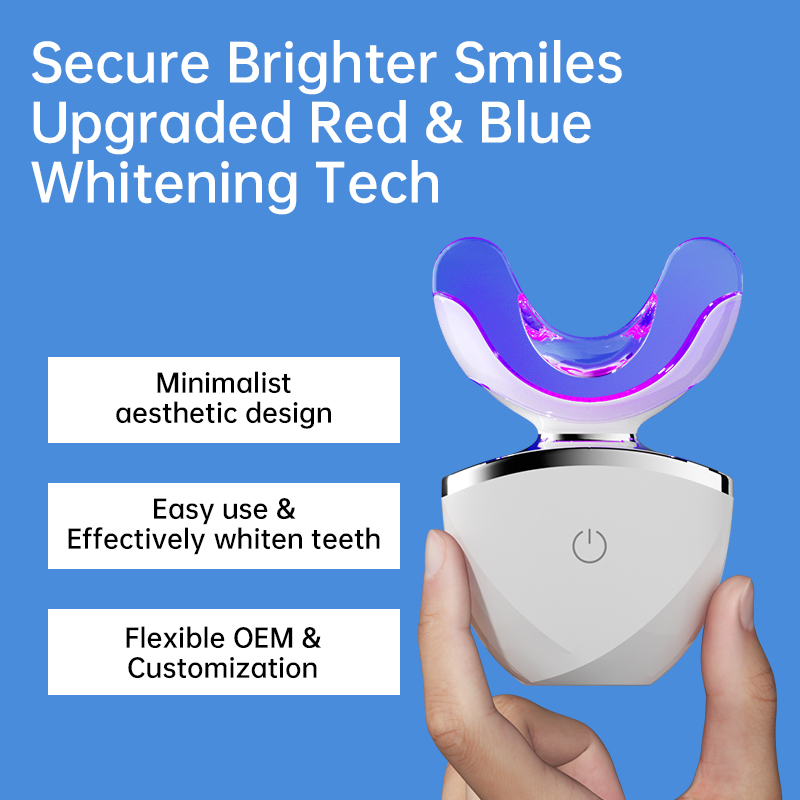
An LED Whitening Lamp emits light at specific wavelengths designed to activate the active ingredients in a Whitening Gel Formulation. Proper wavelength alignment ensures efficient energy absorption, accelerating the whitening reaction without unnecessary heat or irritation.
By activating the Whitening Gel Formulation through light exposure, the LED Whitening Lamp allows manufacturers to achieve effective whitening without relying on higher peroxide concentrations. This supports safer formulations while maintaining visible results.
An LED Whitening Lamp provides controlled exposure duration, ensuring the Whitening Gel Formulation is activated evenly throughout the treatment cycle. This consistency reduces uneven whitening and improves repeatability across different users and sessions.
When properly calibrated, the LED Whitening Lamp activates the Whitening Gel Formulation without overheating tooth surfaces. This controlled activation helps protect enamel integrity and minimizes gum sensitivity—key concerns in both consumer and professional applications.
For OEM and private-label partners, pairing a validated LED Whitening with a compatible Whitening Gel Formulation creates a complete system solution. This integration strengthens product differentiation and simplifies market positioning.
Demonstrating how an LED Whitening activates a specific Whitening Gel Formulation supports regulatory submissions and technical documentation. Clear system-level validation helps manufacturers meet regional compliance standards more efficiently.
An LED Whitening activates a specific Whitening Gel Formulation effectively by delivering controlled light energy that enhances reaction efficiency, safety, and consistency. For B2B manufacturers, this precise interaction is essential to building reliable whitening systems that meet performance expectations and regulatory demands in competitive global markets. Contact us
Houston electric toothbrush

How Does Integrated UV Sanitization Affect the Cartridge Replacement Cycle for Flossers?
.jpg)
How Does a Water Flosser OEM Implement Quiet Flosser Technology for Home Use?

Why Should an Anti-bacterial Hose Be Constructed from Medical-grade Material?
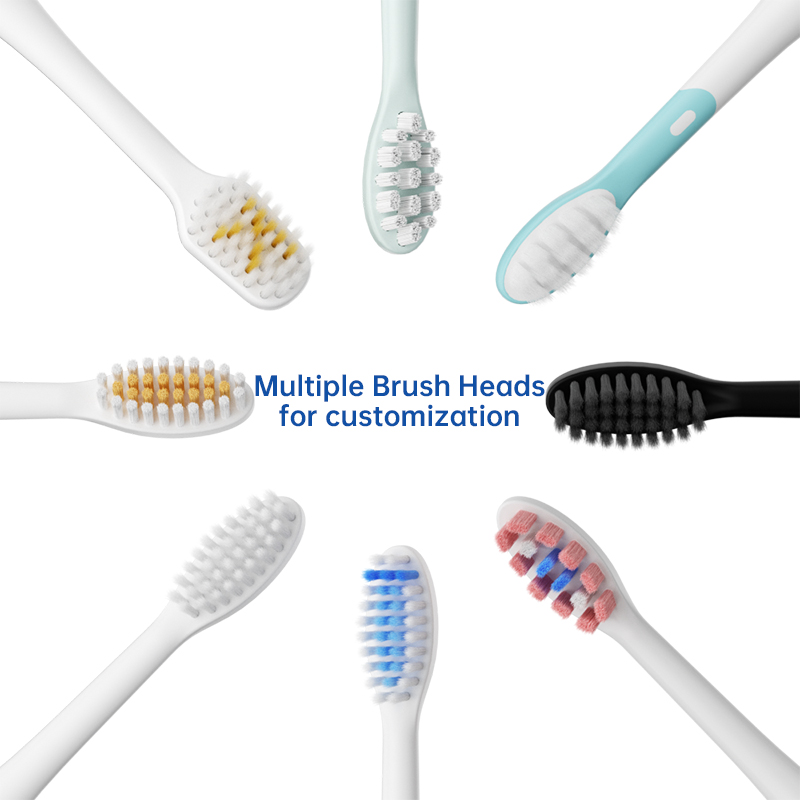
Extend Electric Toothbrush Head Life: An OEM Strategy for Customer Satisfaction
.jpg)
sonic toothbrush with smart pressure sensor
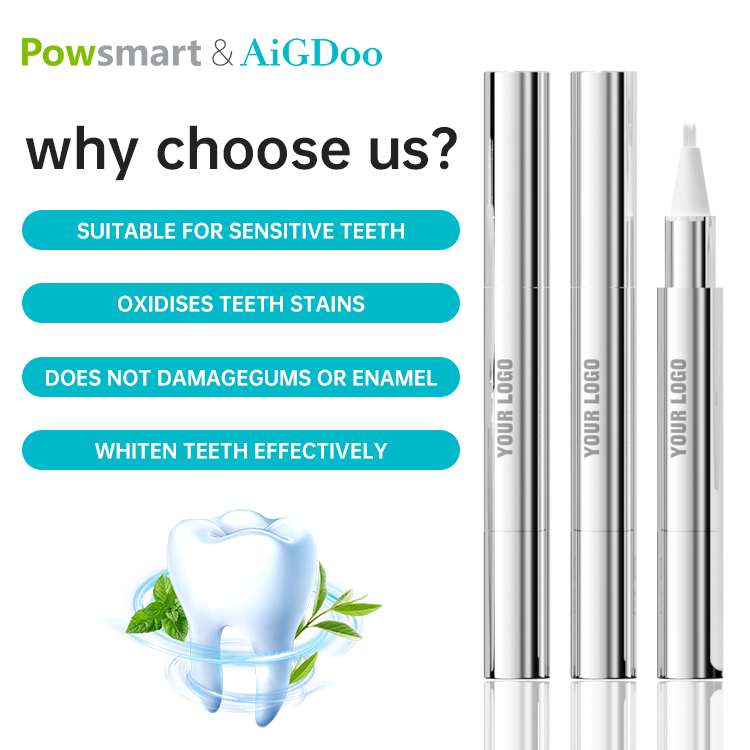
How Does Advanced Whitening Gel Formulation Cater to Sensitive Teeth Whitening Needs?
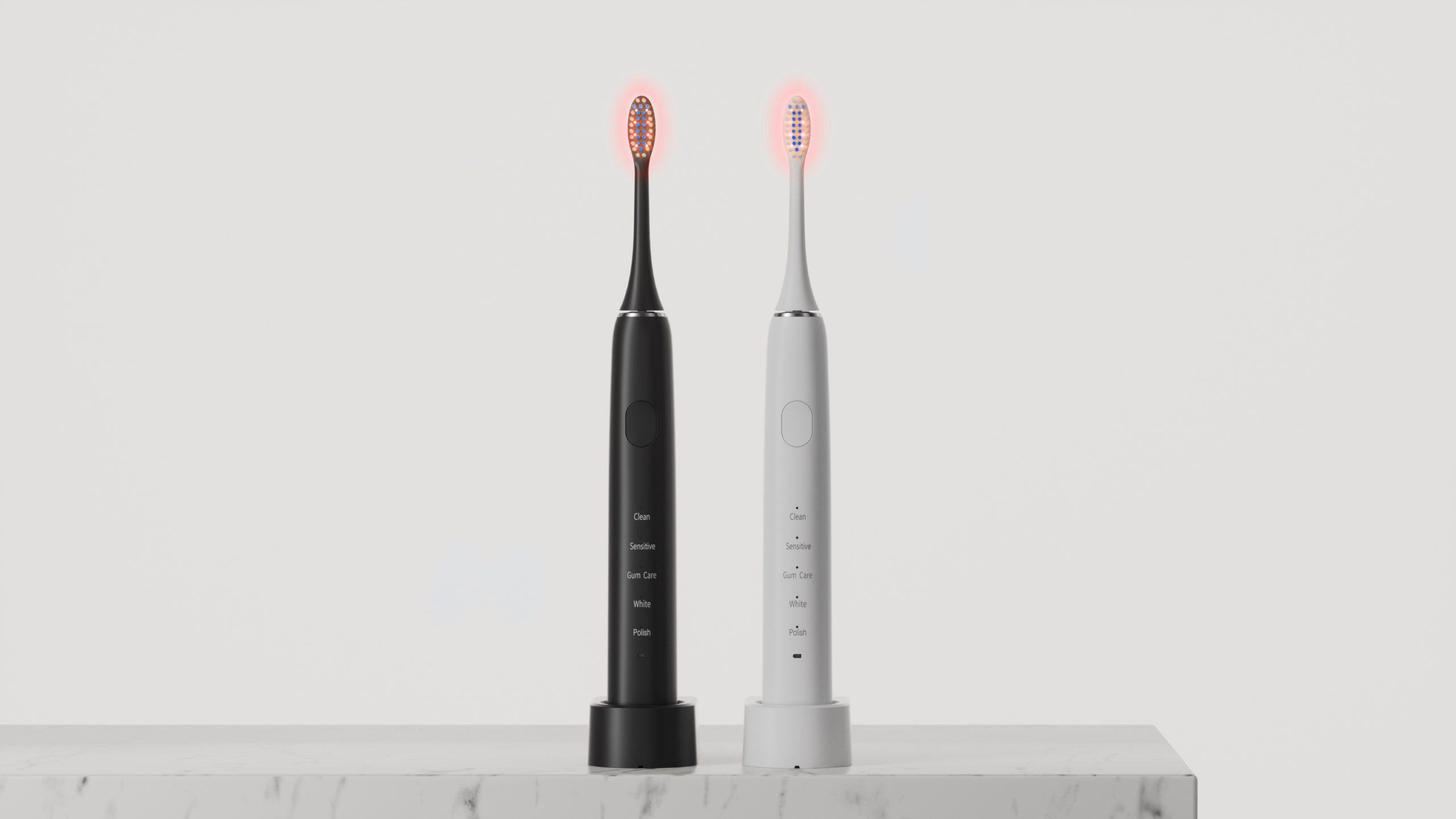
How Does Ethical Toothbrush Material Sourcing Contribute to a Sustainable Toothbrush Product?

Why Are Safe Whitening Ingredients Paramount in a Wearable Whitening Strip?
USB-C Rechargeable Oral Irrigator Manufacturer | OEM for Portable Water Flossers
.jpg)
Can a kids electric toothbrush make childrens dental care fun?
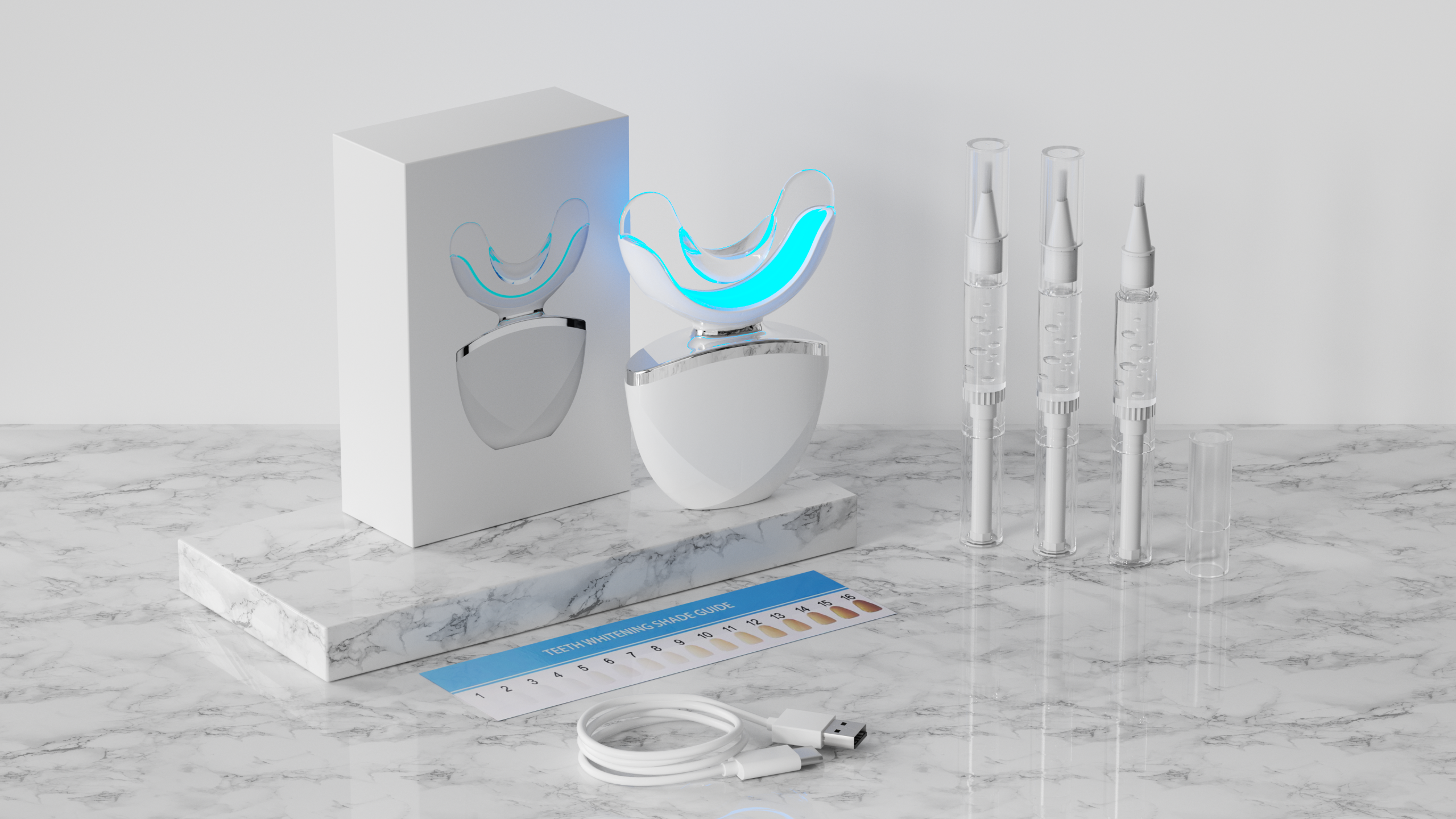
How Does a Teeth Whitening Supplier Ensure Whitening Kit Certification for Market Safety?
Cordless Water Flosser for Family Use – Portable Home Oral Hygiene Solutions
How Does a Whitening Pen Embody the Ultimate Portable Design for On-the-Go Care?
Electric Toothbrush with Competitive Features for Global Buyers
Is Clear Instruction in the User Manual Vital for Proper Pressure Stabilization Use?


.jpg)
.jpg)
.jpg)
.jpg)
.jpg)






.jpg)