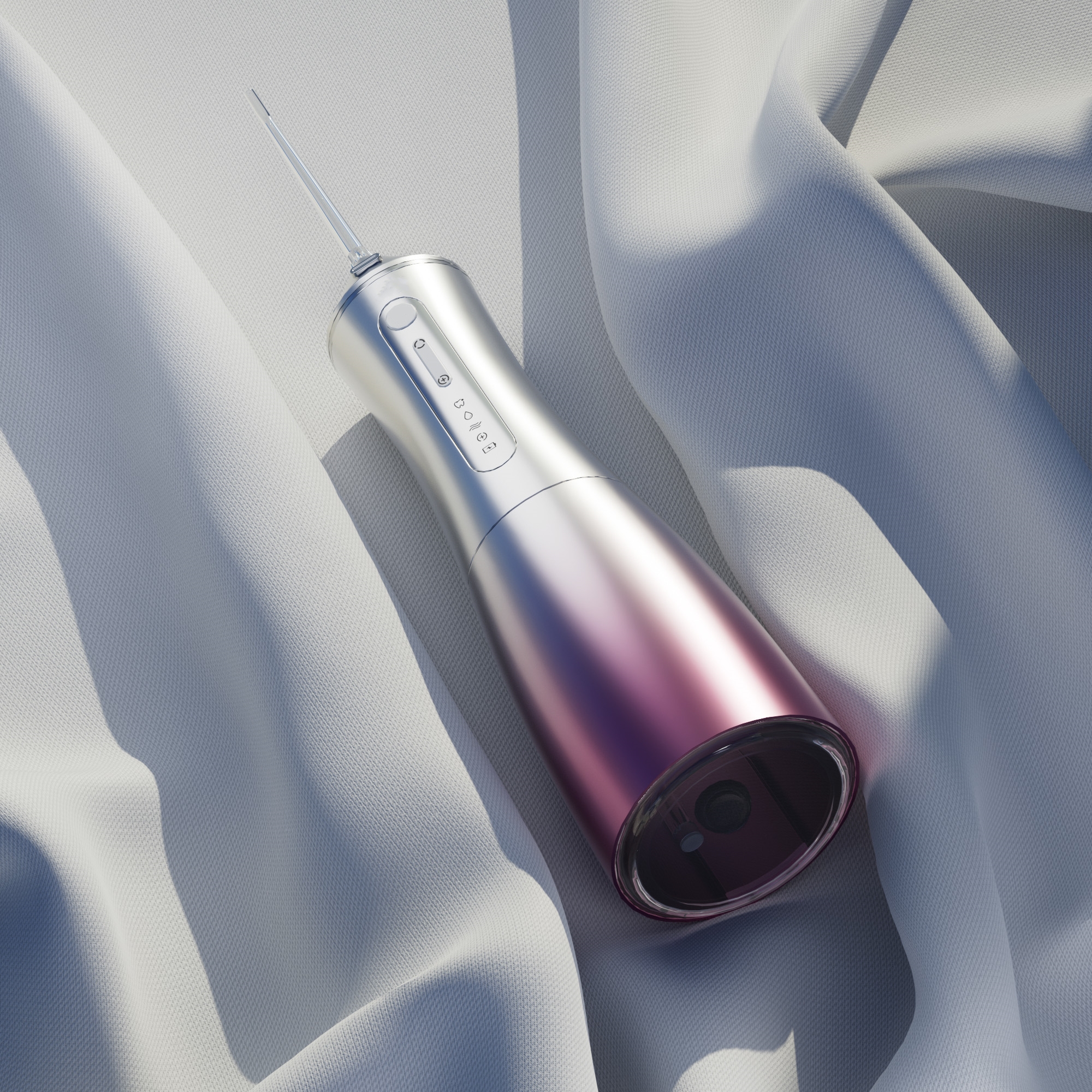
For brands seeking to upgrade oral-irrigator performance, understanding how Osmotic Pressure Regulation interacts with Jet Stream Collimation is essential. These two engineering concepts determine how efficiently water is pressurized, shaped, and delivered through the nozzle—directly influencing cleaning effectiveness, user comfort, and device reliability. As oral-care products become more sophisticated, many OEM/ODM buyers are now exploring fluid-dynamic solutions that go far beyond traditional pump optimization.
Osmotic Pressure Regulation helps maintain equilibrium within the water chamber, reducing micro-fluctuations that destabilize the jet stream. With a more controlled internal environment, Jet Stream Collimation becomes significantly more precise, resulting in a sharper and more focused water jet.
A well-collimated jet stream improves the irrigator’s ability to reach tight interproximal spaces. When combined with stable osmotic pressure, the water jet maintains sufficient momentum and coherence, enhancing its ability to remove plaque, food debris, and bacteria with fewer pulses.
Irregular pressure differentials can cause turbulence as water travels from the reservoir to the nozzle. Osmotic Pressure Regulation minimizes this instability, allowing the Jet Stream Collimation process to maintain a consistent flow geometry. This ensures smoother operation and reduces performance loss caused by turbulence.
Pressure fluctuations within the flow channel can generate noise during operation. When osmotic pressure is properly controlled, fluid oscillations are reduced. This not only stabilizes jet formation but also contributes to a quieter oral-irrigator design—ideal for premium models sold in noise-sensitive markets.
A more coherent and accurately collimated jet reduces splashing and unintended lateral dispersion. Assisted by Osmotic Pressure Regulation, this controlled water flow provides a gentler sensation on the gums while maintaining cleaning power. It also lowers the risk of irritation for users with sensitive periodontal conditions.
As OEM/ODM brands push toward miniaturized irrigators, maintaining strong jet performance in smaller pump systems becomes challenging. Integrating osmotic-pressure control mechanisms strengthens Jet Stream Collimation even with reduced pump size, helping manufacturers deliver powerful performance in compact devices without sacrificing stability.
The synergy between Osmotic Pressure Regulation and Jet Stream Collimation opens new opportunities for oral-irrigator innovation. By improving jet stability, reducing noise, enhancing cleaning precision, and supporting compact engineering, these technologies offer a clear pathway for brands aiming to differentiate their next-generation irrigator models. For B2B buyers, understanding how these mechanisms work together is crucial when evaluating OEM/ODM partners and product development capabilities. Contact us
.jpg)
What’s Next in Smart Toothbrush Technology for Advanced Dental Health Monitoring?
.jpg)
Whitening Device Production MOQ — How Importers Plan Order Strategy
Noise Amplification and Vibration Issues — Why?

Reveal the Big Brand OEM: The Manufacturing Insider of an International Brand Electric Toothbrush
Custom Oral Care Products Manufacturer for Private Label Brands
How Does a Safe Teeth Whitening Supplier Ensure Quality for Teeth Whitening Syringe OEM Production?
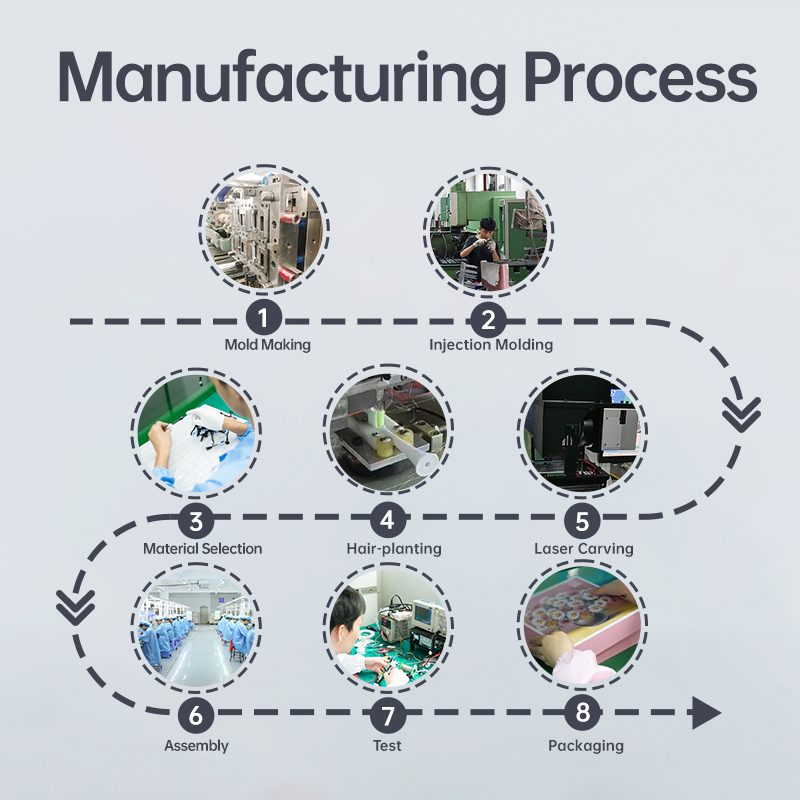
A Guide to the Entire Process of OEM Teeth Whitening Device: Detailed Explanation of Every Step from Design to Mass Production
.jpg)
Why Partner with a Water Flosser Supplier for a Multi-Function Flosser with Massage Modes?
Water Splashing plus Handle Slippage – Design Flaw?
1-scaled.jpg)
How Can Brand Owners Partner with Reliable Teeth Whitening Device Factories to Create Differentiated Products?
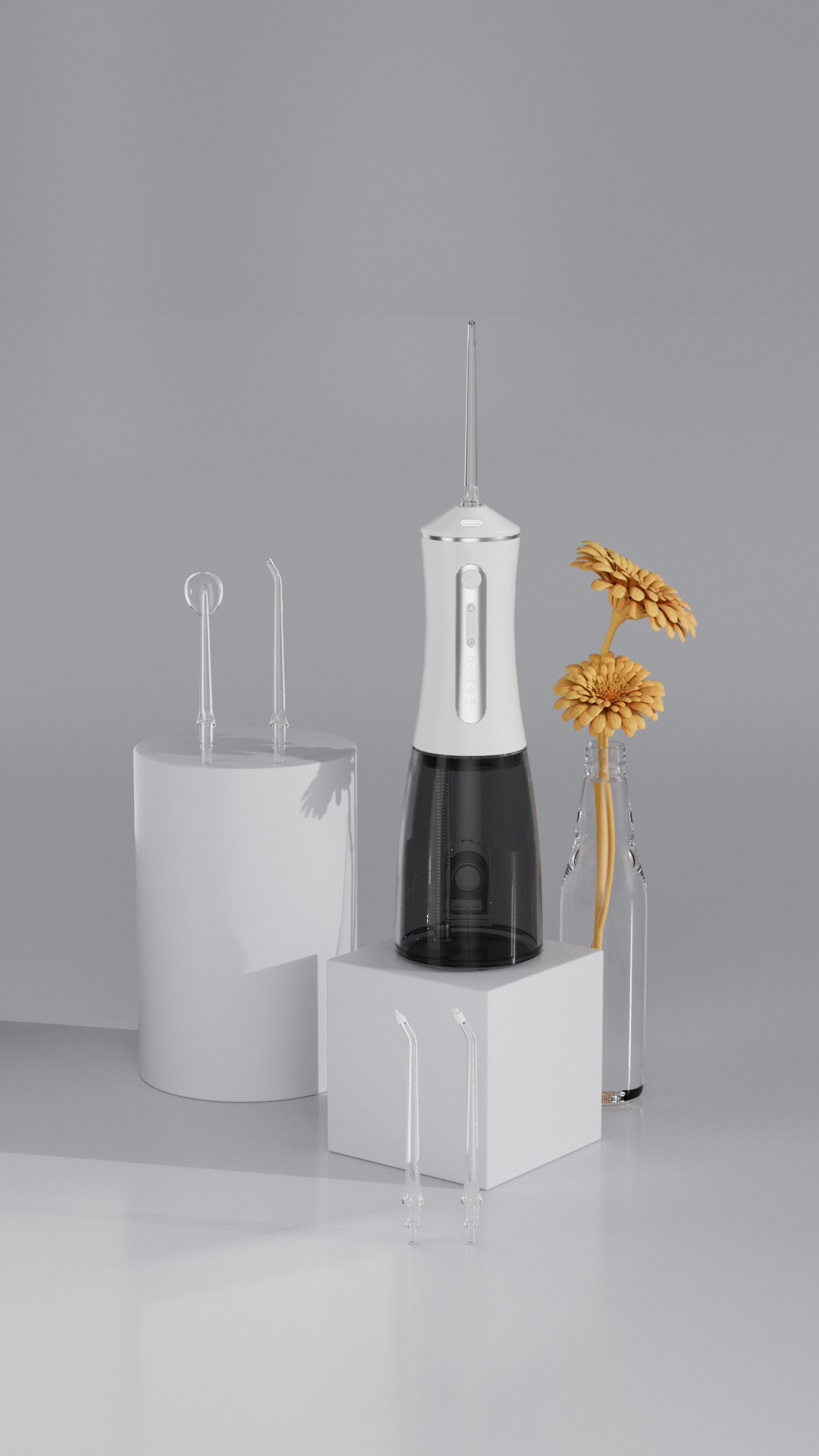
Tooth Flosser Technology Iteration and Future Development Trends
.jpg)
Why Partner with Electric Toothbrush for Braces Suppliers and Kids Electric Toothbrush Manufacturer?
Nozzle Clogging Plus Tray Deformation – Design Flaw?
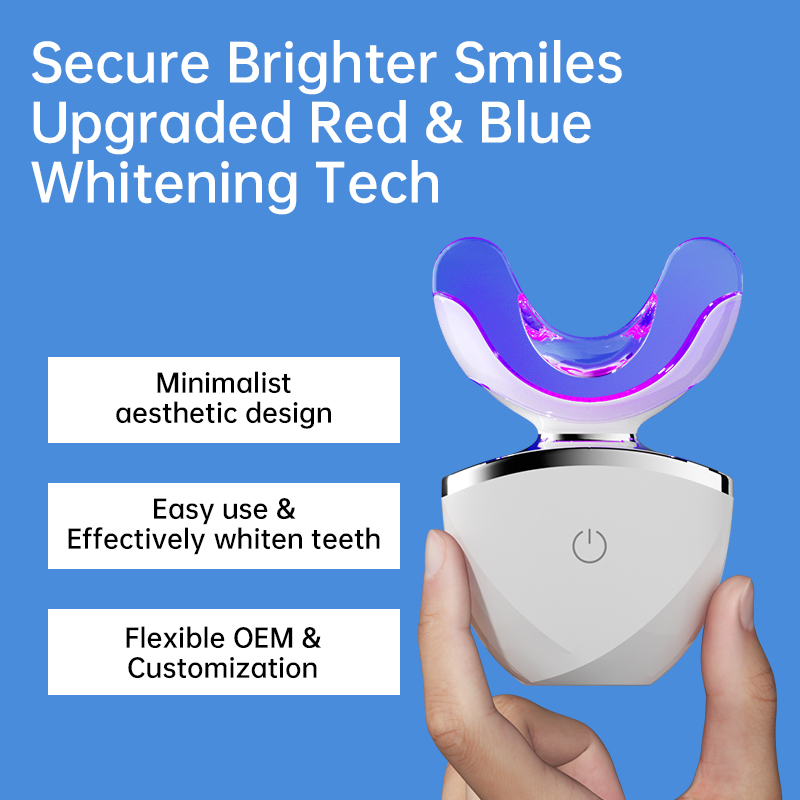
Red vs Blue Light Teeth Whitening: Choosing the Right OEM Technology for Your Brand
Electric Toothbrush Durability Testing Standards for OEM Manufacturing
Wireless Teeth Whitening Kit | Cord-Free LED Oral Beauty System for modern beauty and oral-care OEM brands.


.jpg)
.jpg)
.jpg)
.jpg)
.jpg)






.jpg)
.jpg)