
As the oral care industry continues to evolve, electric toothbrush OEM manufacturers are under increasing pressure to keep pace with consumer expectations. One of the most important shifts in recent years is the adoption of USB-C toothbrush charging. Beyond simply being a convenient charging method, USB-C integration is now a key differentiator for brands aiming to stand out in the global market. Below are the six essential considerations for brands and OEM partners when integrating USB-C charging into electric toothbrush design and production.
Today’s consumers expect universal compatibility. From laptops to smartphones, USB-C is becoming the global charging standard. By offering USB-C electric toothbrush seamless integration, brands can reduce user frustration and align with the devices consumers already own. This not only enhances user satisfaction but also builds long-term brand loyalty.
Charging speed is a major deciding factor for many buyers. OEM partners that deliver fast charging oral care solutions can help brands position their products as premium and innovative. Shorter charging cycles mean users are less likely to experience downtime, making the toothbrush a practical part of their daily routine.
Safety is non-negotiable in oral care products. USB-C toothbrush charging requires strict testing to ensure compliance with global standards for both electrical safety and water resistance. OEMs should focus on waterproof charging ports, overcharge protection, and certifications (such as CE, FCC, or RoHS) to safeguard users and protect brand reputation.
For seamless adoption, charging technology must complement toothbrush design. Leading electric toothbrush OEM suppliers work to balance ergonomics, waterproofing, and durability while embedding USB-C charging systems. The goal is USB-C electric toothbrush seamless integration without compromising aesthetics or usability.
Consistency in component sourcing is essential. Considerations of USB-C Charging need strong relationships with reliable suppliers of USB-C connectors, charging modules, and batteries. This minimizes delays, reduces warranty claims, and ensures every production batch meets the same high-quality standards.
With growing adoption of USB-C, brands that embrace this technology early can differentiate themselves in a crowded market. This is also one of the key Considerations of USB-C Charging. Working with an OEM that specializes in USB-C toothbrush charging positions brands to adapt quickly as consumer demands evolve—making their products both relevant today and competitive tomorrow.
Integrating USB-C charging into electric toothbrushes is more than just a technical upgrade—it’s a strategic decision that can define a brand’s success in the oral care industry. By partnering with the right electric toothbrush OEM, brands can deliver fast charging oral care solutions that prioritize user convenience, safety, and design excellence.

Is a Texas travel toothbrush with a Texas tax-free advantage — worth it?
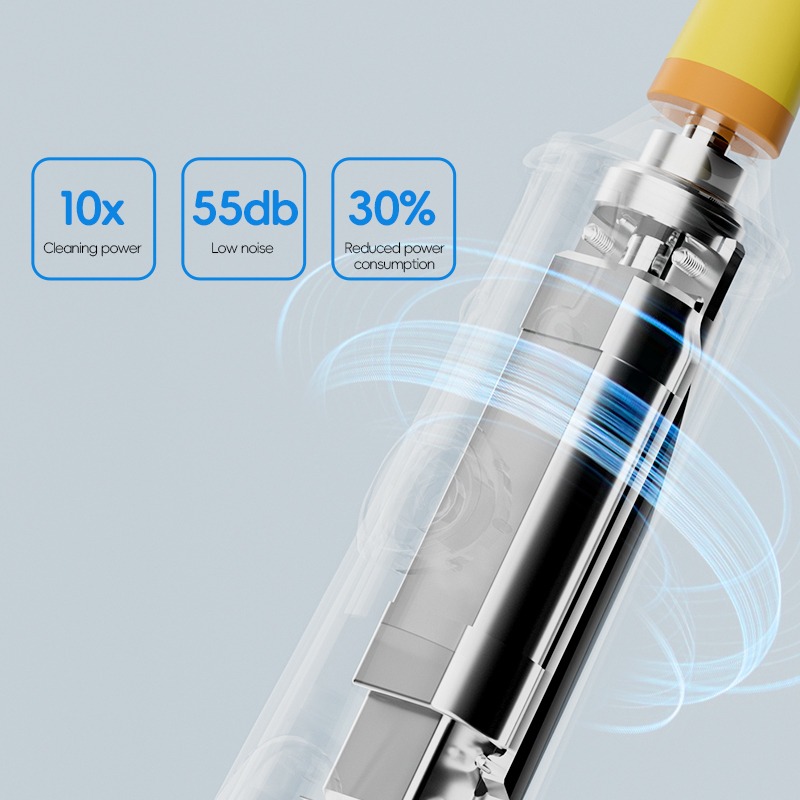
How does low-noise design let you care for your Quiet Operation in the early morning or late at night?
.jpg)
Teeth Whitening Device OEM Manufacturer

How to Become a Distributor of Electric Toothbrushes – A B2B Guide
Practical Mother’s Day Gifts Smart Toothbrush | Powsmart
Camouflage Electric Toothbrush Texas
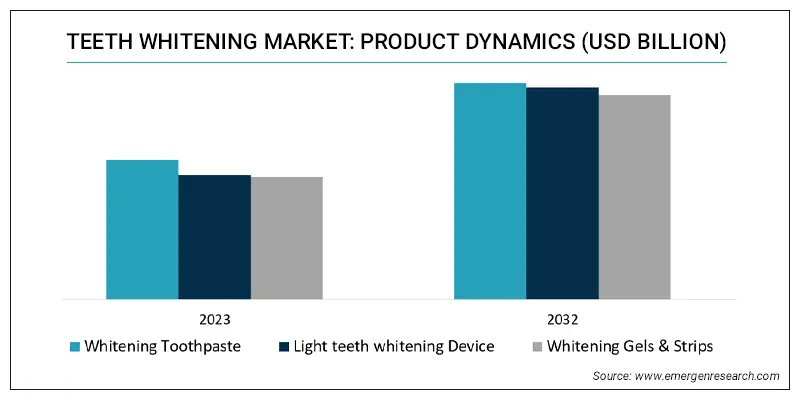
Analysis of Teeth Whitening Device Market Trends: The Functions and Designs That Consumers Will Pay Most Attention to in 2025
Brush + Flosser Combo Electric Toothbrush Wholesale | 2-in-1 Oral Care
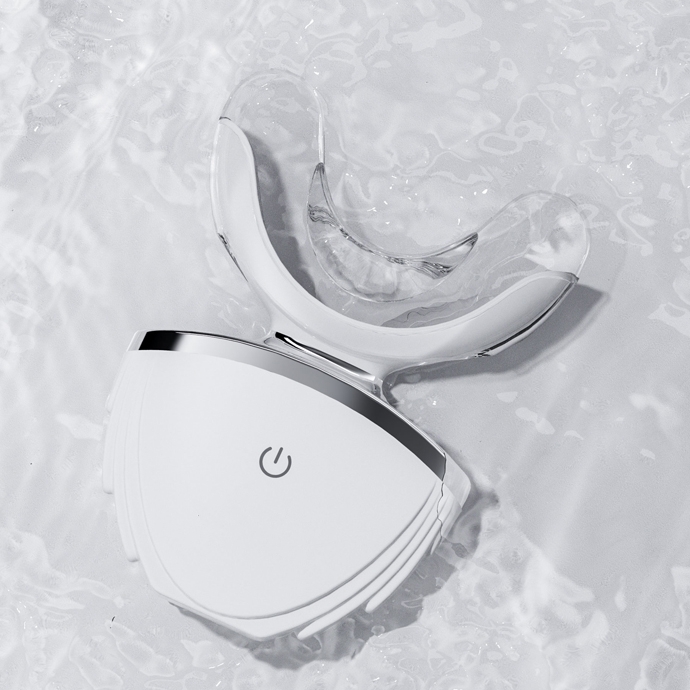
Can a Teeth Whitening Gel Factory Seamlessly Supply an LED Teeth Whitening Kit OEM?
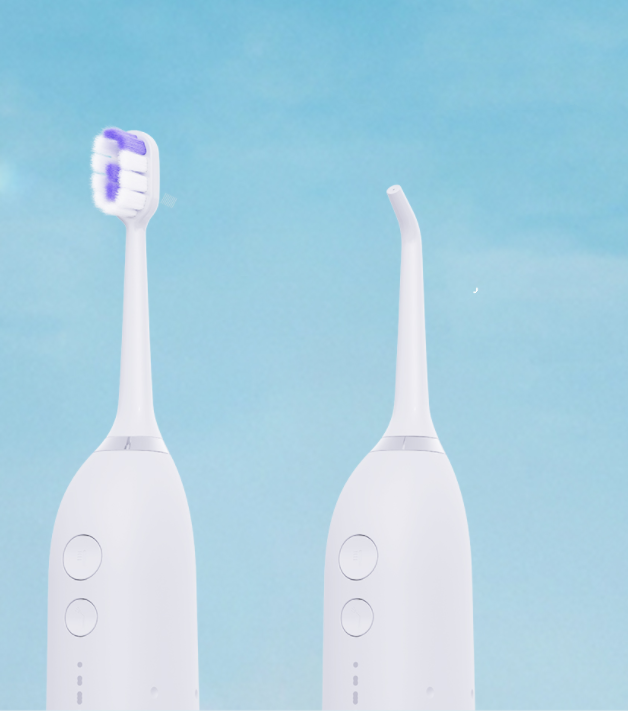
Orthodontic Electric Toothbrush for Braces – Deep Cleaning Bristle Design
Blue Light Whitening Device OEM Solutions for Global Brands
Chicago Electric Toothbrush Subscription Service
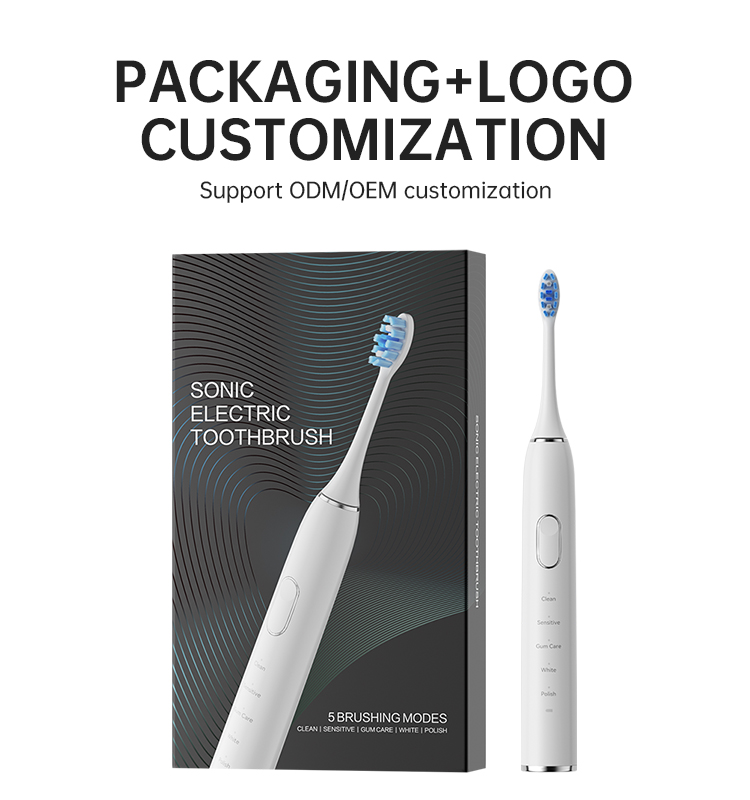
What Options Are Available for Customizing the Logo on Electric Toothbrushes?
Sonic Electric Toothbrush OEM Manufacturer
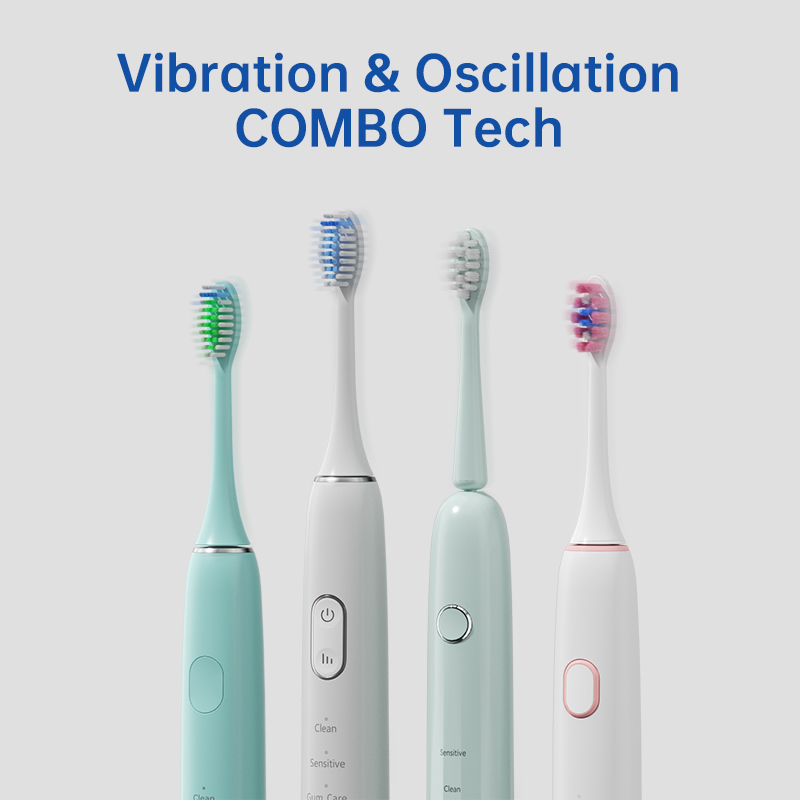
Is Your Toothbrush Manufacturer Also a Toothbrush Wholesaler?
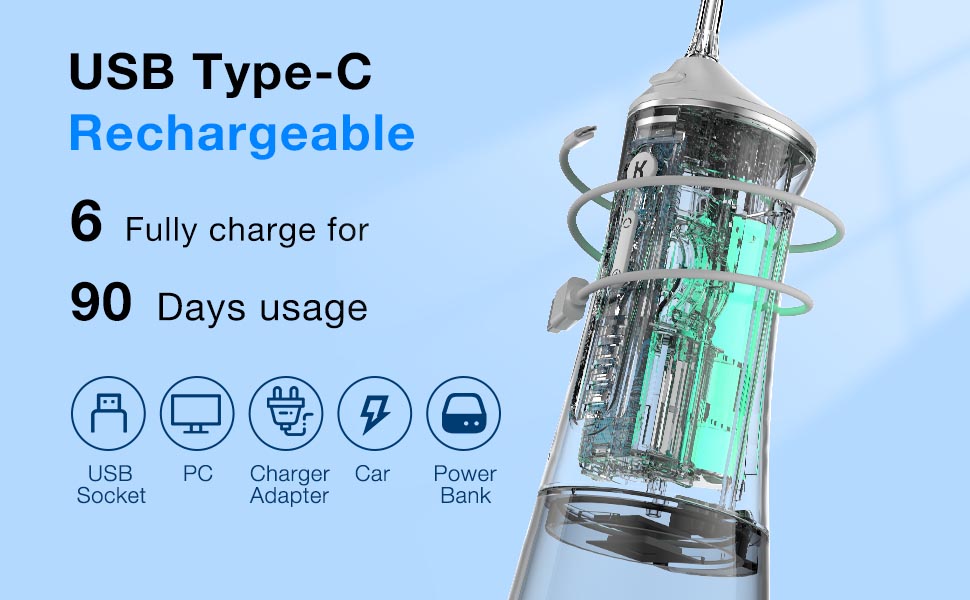
How Does a Smart Timer Water Flosser Enhance the Functionality of a Home Countertop Irrigator?


.jpg)
.jpg)
.jpg)
.jpg)
.jpg)







.jpg)
.jpg)