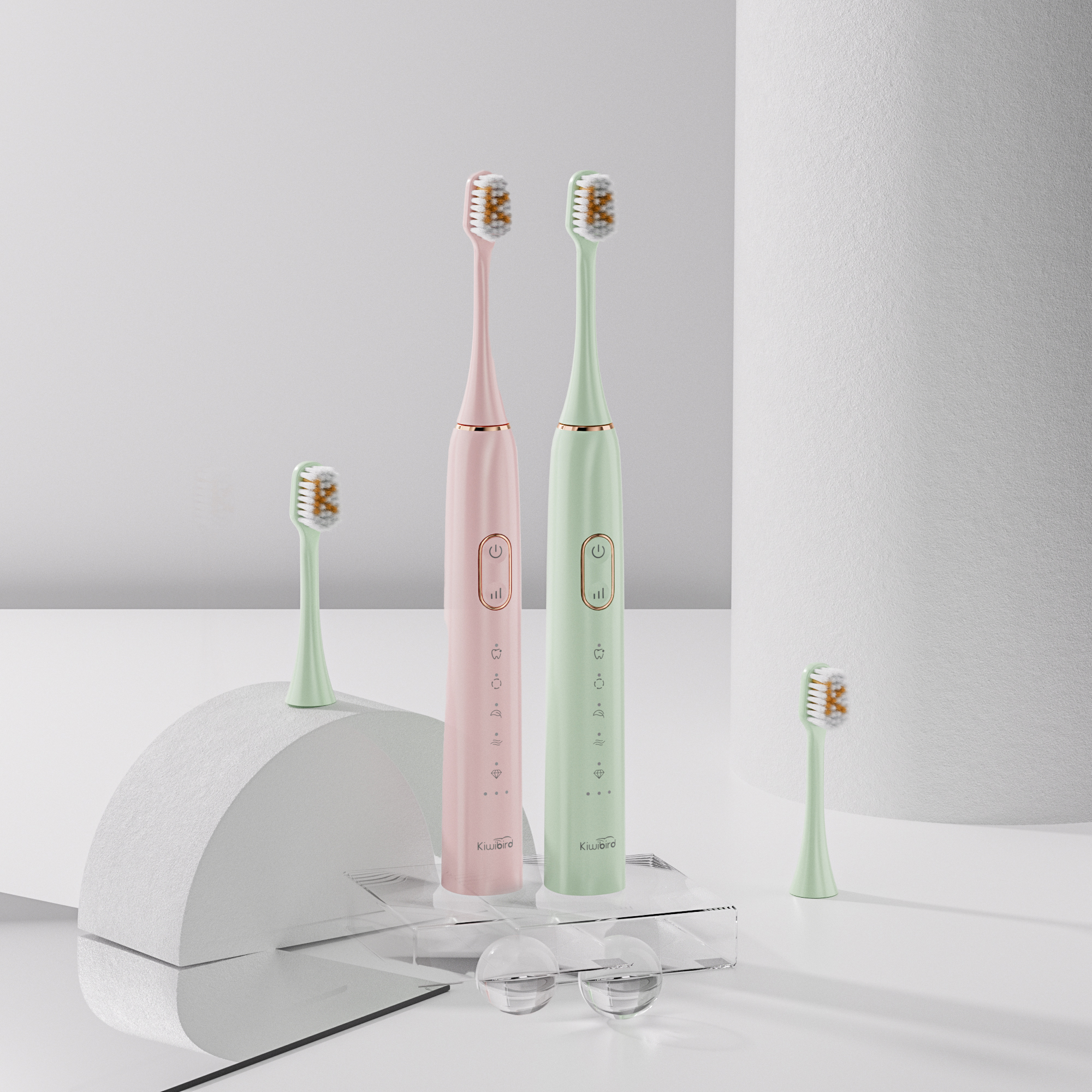
The functional electric toothbrush market has been evolving rapidly in recent years. For oral care brands, the challenge is no longer just about offering an electric toothbrush, but about integrating innovation, functionality, and market differentiation. This is where a strong partnership with a competitive oral care OEM becomes essential. In this article, we’ll explore how brands building Market Competitiveness, work with manufacturing partners, and implement strategic steps to gain an edge in the crowded oral care industry.
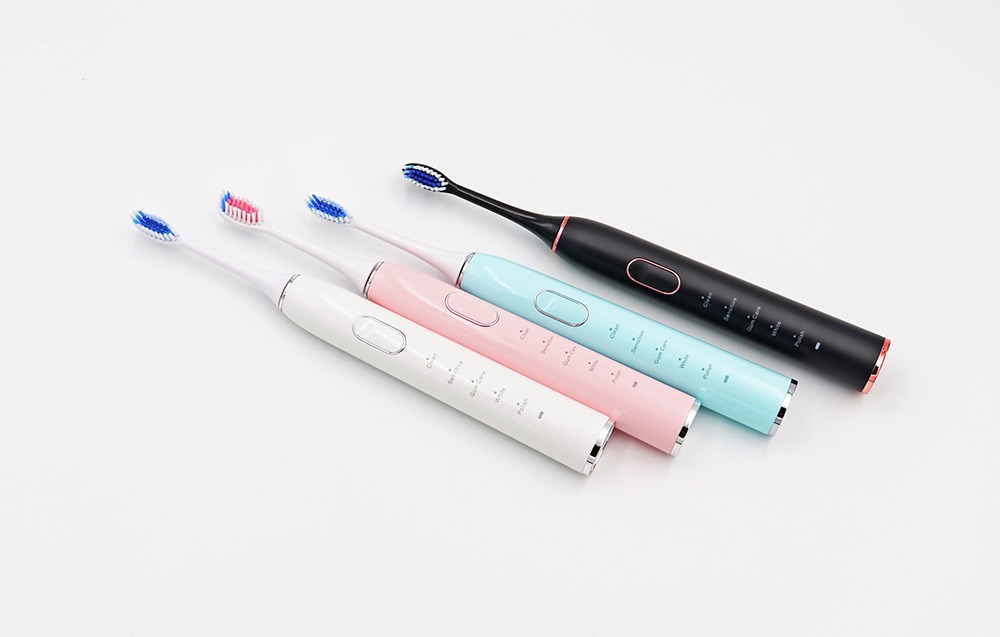
Consumers today expect toothbrushes to go beyond basic cleaning. From gum care and whitening modes to pressure sensors and mobile app connectivity, the functional electric toothbrush market is setting new standards. Brands that want to stand out must keep pace with these evolving expectations, and OEM collaboration is a practical path toward achieving this.
A competitive oral care OEM is more than a production partner—it’s a source of innovation. By leveraging advanced R&D capabilities, cost-effective manufacturing, and scalable production, OEMs allow brands to bring functional toothbrushes to market faster and more efficiently. Choosing the right OEM partner can directly influence product quality, pricing, and ultimately, consumer trust.
One of the biggest advantages of working with OEMs is the ability to discover innovative features that elevate a product beyond the standard offering. For example:
Sonic vibration technologies for deeper cleaning.
AI-driven brushing feedback via smartphone apps.
Sustainable designs with recyclable materials.
Customizable brushing modes for different oral health needs.
These advancements not only differentiate a brand’s portfolio but also strengthen long-term consumer loyalty.
For brands aiming to thrive in the functional electric toothbrush market, here are some essential Tips of Building Market Competitiveness:
Focus on differentiation: Partner with OEMs that offer unique technology and patented features.
Balance cost with innovation: Ensure products remain accessible while offering high-end value.
Leverage design flexibility: Customize aesthetics, ergonomics, and branding to resonate with target audiences.
Stay ahead of trends: Monitor consumer feedback and market shifts to anticipate new demands.
Eco-conscious consumers are pushing brands to rethink product design. OEMs that can integrate biodegradable materials, energy-efficient charging, or recyclable packaging provide brands with opportunities to strengthen their competitive edge while aligning with global sustainability goals.
The path to success in the functional toothbrush market is rooted in strategic collaboration. By partnering with a competitive oral care OEM, brands can discover innovative features, streamline production, and implement actionable strategies to stand out. In a market where innovation drives loyalty, OEM innovation isn’t just an option—it’s the foundation of building market competitiveness.
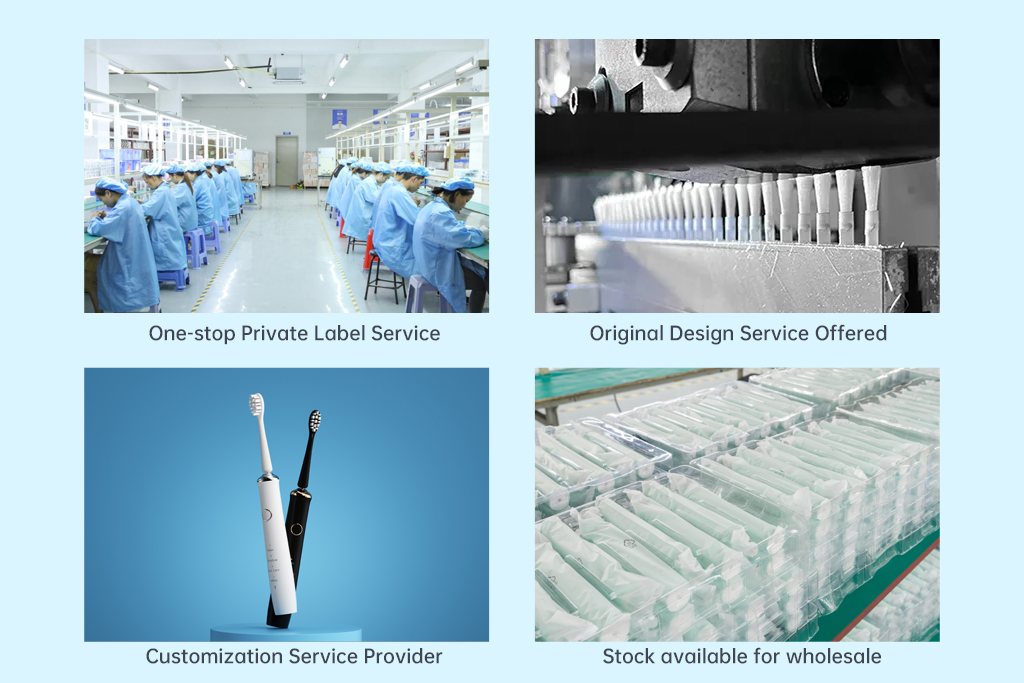
How Oral Care Brands Can Expand Product Line Strategically
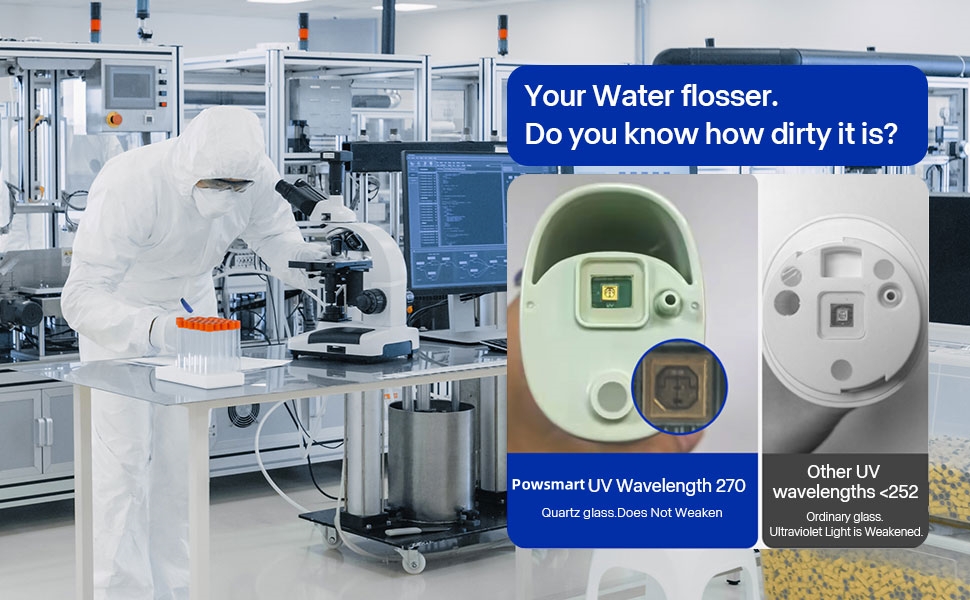
Water Flosser vs. Traditional Dental Floss: A Manufacturing Perspective
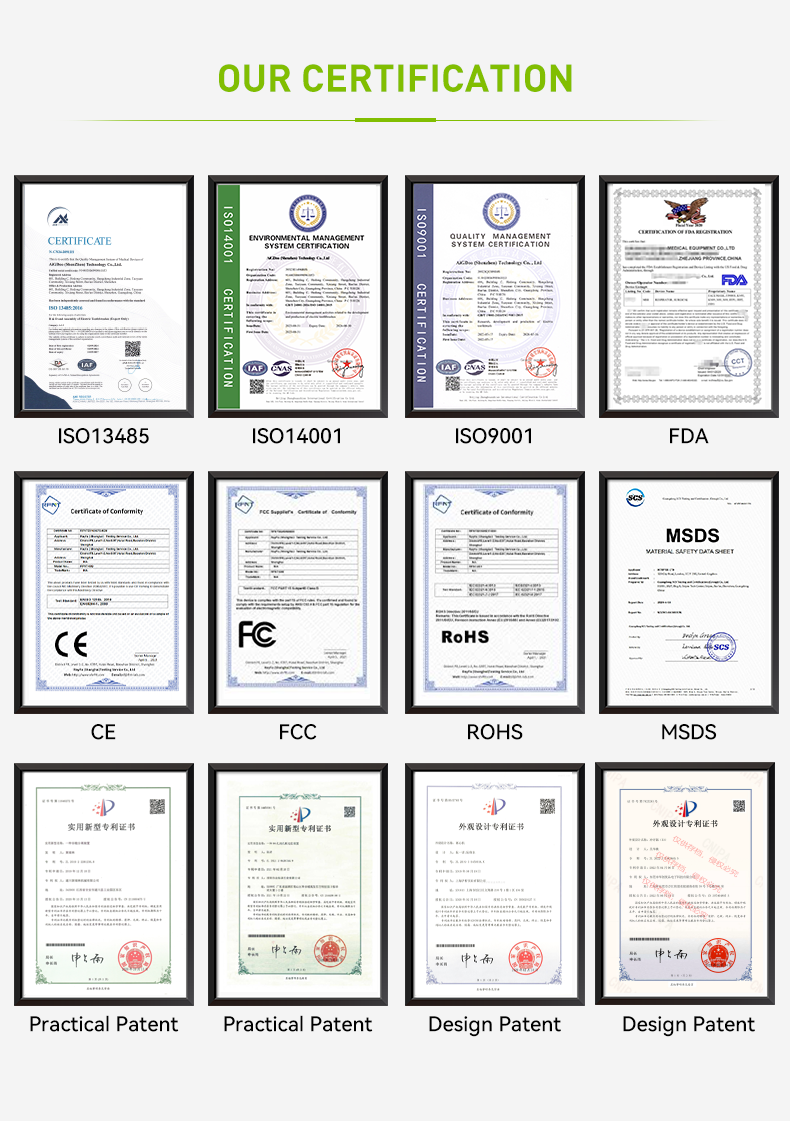
How Can Dental Clinic Partnerships Promote Your Professional Whitening Kit?
.jpg)
Smart Pressure Sensor Toothbrush Supplier | Intelligent Brushing Solutions
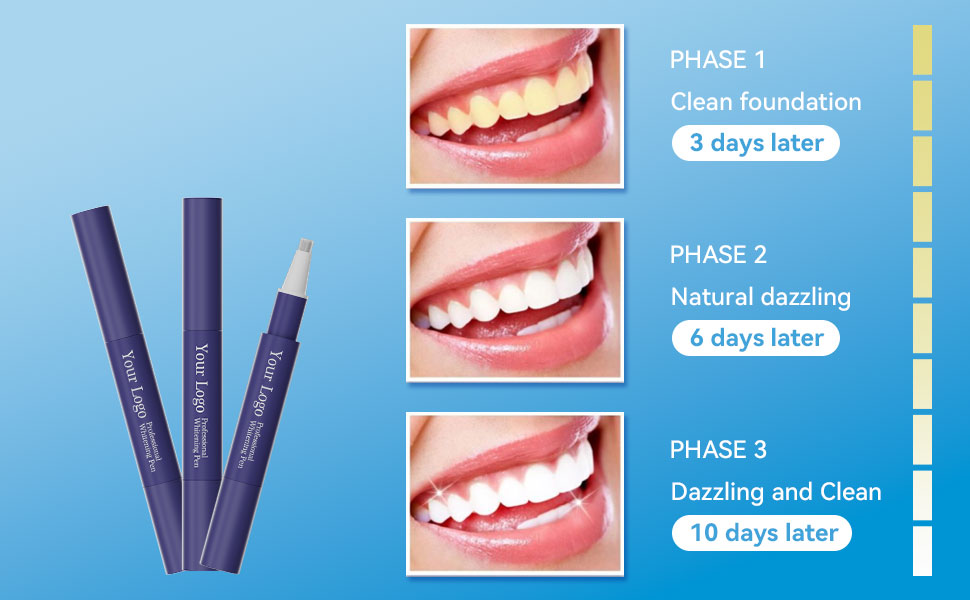
Hydrogen Peroxide vs. Carbamide Peroxide: Which Whitening Gel Formula is Right for You?
Do You Know How Much Damage a Rotating Electric Toothbrush Can Do to Your Teeth?
Does Texas Tax-Free Weekend Benefit Electric Toothbrush Buyers?
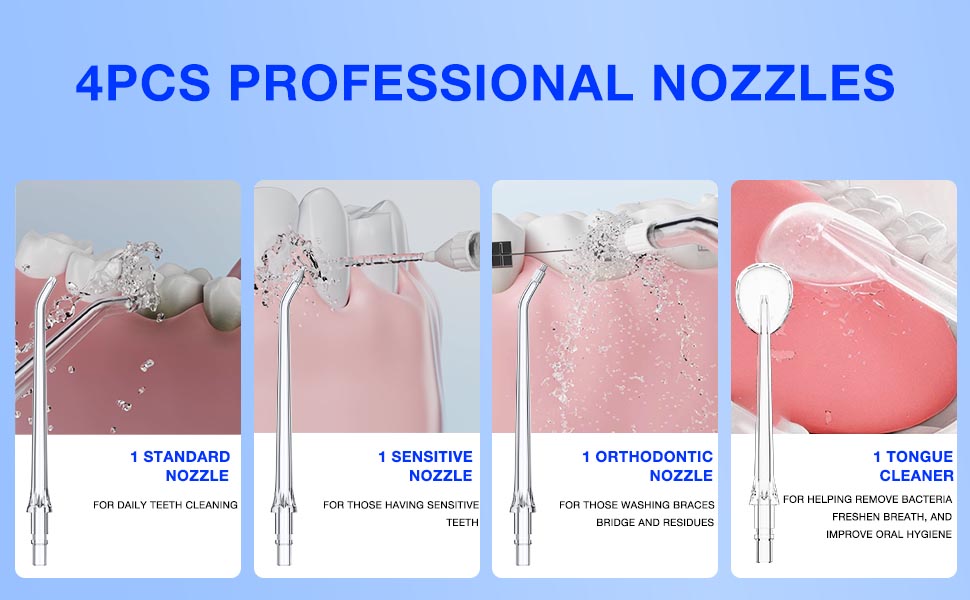
Different types of water flosser nozzles and how to choose the right nozzle?
.jpg)
Is a Saltwater-Resistant Electric Toothbrush Necessary in Hawaii?
Electric Toothbrush Kit for Dental Offices | Professional Oral Care Supply
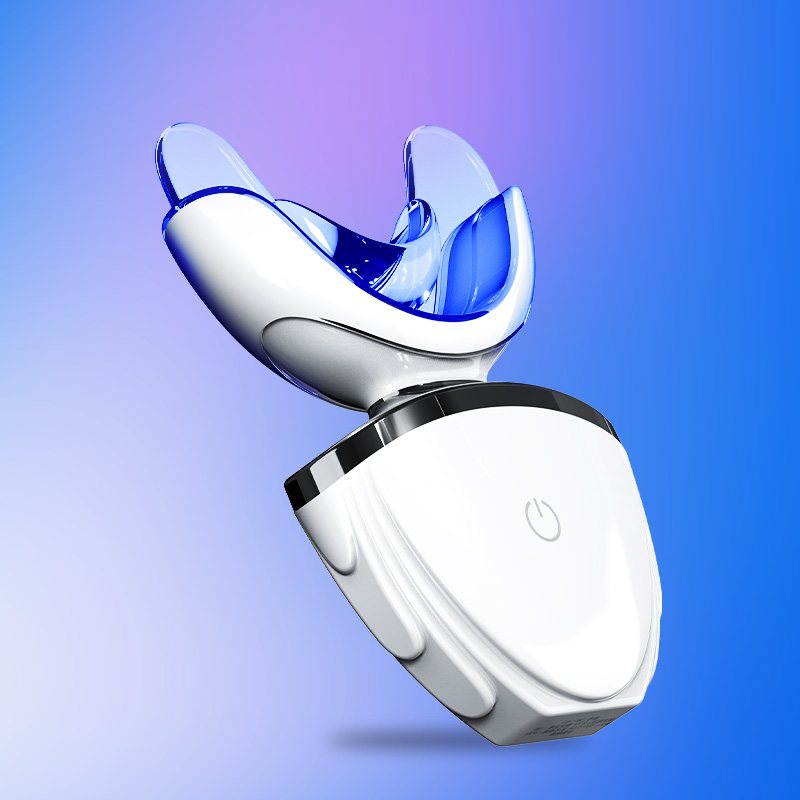
How blue LED teeth whitening work?
.jpg)
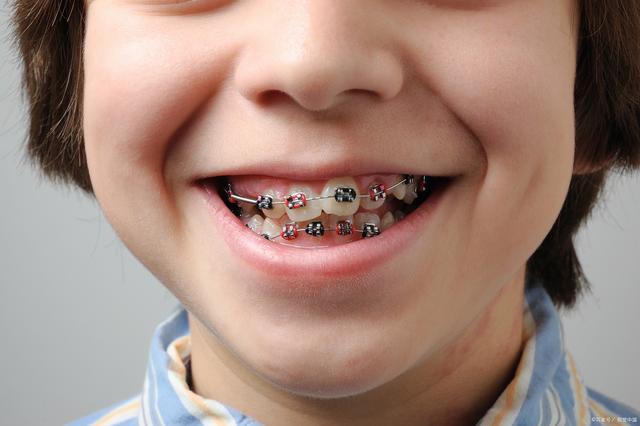
Best Electric Toothbrush for Braces in San Antonio?
.jpg)
Best Electric Toothbrush for Sensitive Teeth in New York?
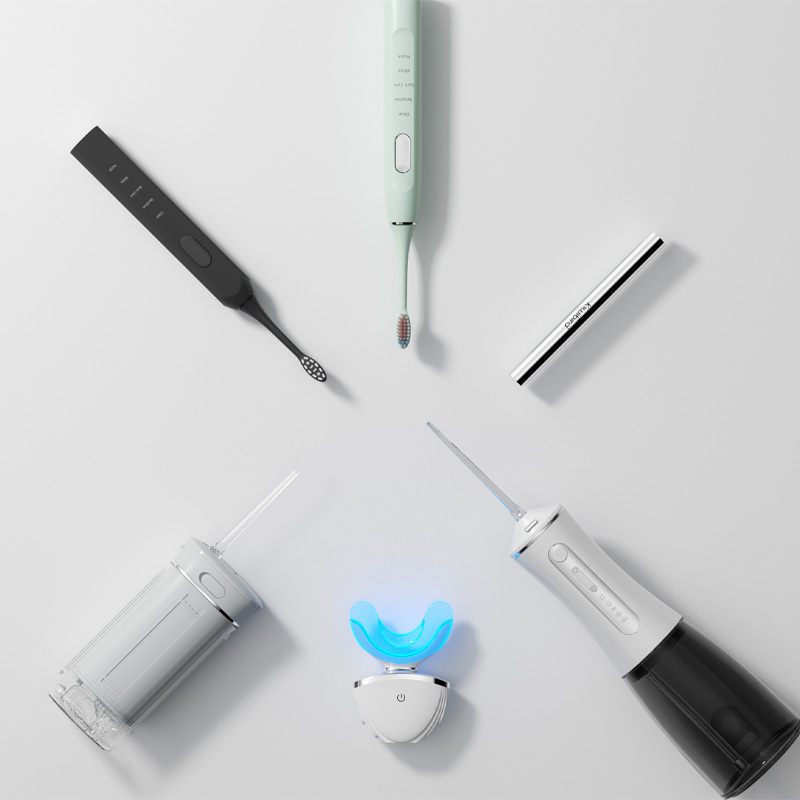
Does POWSMART Toothbrush Wholesale Order Involve Material Degradation?
How Does Effective Tartar Control Lead to Gum Health Improvement?
Electric Toothbrush for Orthodontists Wholesale | Professional Dental Supply


.jpg)
.jpg)
.jpg)
.jpg)
.jpg)






.jpg)

.jpg)