
In recent years, concerns about filter blockage in oral care devices such as water flossers and smart rinsing units have increased—especially as users report unintended side effects like dry mouth or elevated mouth acidity. Could these mechanical issues be contributing to saliva acidification? While seemingly unrelated at first glance, deeper analysis suggests a potential link between filtration efficiency and oral pH imbalance. This blog dissects the relationship in six key sections and provides suggestions for device manufacturers to mitigate this emerging risk.
Filter blockage occurs when built-in mesh or cartridge filters—typically used in water flossers, irrigators, or advanced electric rinsers—become clogged with impurities such as minerals, biofilm, or residual bacteria. Blocked filters disrupt the water flow, reduce cleansing pressure, and can harbor microbial buildup. Over time, this can create an environment conducive to microbial imbalance in the user’s oral cavity, leading to unexpected consequences.
Saliva acidification refers to a decrease in oral pH, which makes the saliva more acidic. Normally, saliva maintains a slightly alkaline pH (6.5–7.5) to neutralize food acids and protect enamel. When saliva becomes too acidic, the result may include enamel erosion, increased risk of caries, bad breath, and oral inflammation. For manufacturers of oral hygiene devices, preventing acidification is crucial to preserving product credibility and user trust.
How exactly might filter blockage trigger saliva acidification? The mechanism can be indirect but significant:
These factors can jointly disturb the oral microbiome, tipping the balance toward an acidic environment. Company web: https://www.powsmart.com/product/electric-toothbrush/
Not all filters are created equal. Devices using low-grade mesh materials or poorly sealed cartridges are more prone to blockage. In addition, improper filter positioning and lack of self-cleaning functions may accelerate buildup. Manufacturers must pay special attention to:
Inadequate attention to these elements can unintentionally contribute to saliva acidification in long-term users.
To prevent filter blockage and its associated risks, manufacturers can integrate the following engineering and quality control strategies:
By adopting a proactive approach, manufacturers can ensure their devices actively contribute to oral health rather than unintentionally compromising it.
While filter blockage and saliva acidification may not seem directly related, the connection becomes clearer upon examining the oral microbiological ecosystem. When water-based oral devices fail to rinse effectively due to clogged filters, harmful bacteria can flourish—leading to acid byproducts and lowering saliva pH. For manufacturers, this highlights the importance of holistic product design, combining functional performance with biological impact consideration. In the age of precision health and informed consumers, even small oversights can have big implications. Contact us
.jpg)
Why Partner with a Toothbrush ODM Company for Toothbrush Innovation?
How a specialized Orthodontic Brush Head better cleans around braces and brackets
Why Choose Our Electric Toothbrush ODM as Your Premier Teeth Whitening Kit Supplier?
.jpg)
Kids Electric Toothbrush Buying Guide: Make Brushing Fun & Effective
Do Water Flosser Battery leakage and Overheat Dangerously?
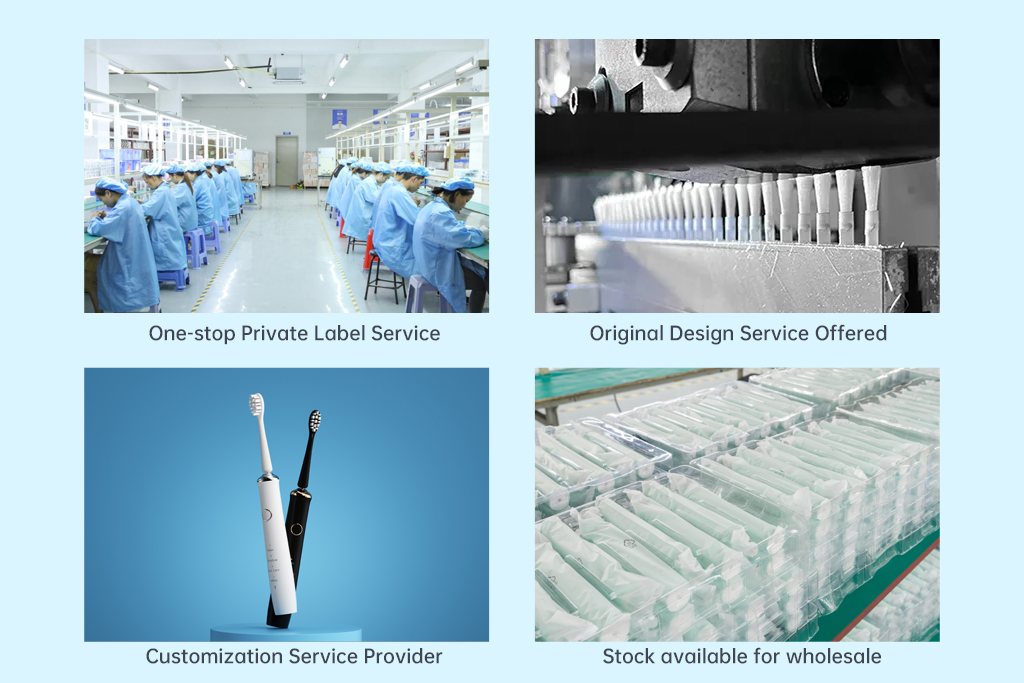
Custom Design OEM Services for Texas Style Pattern Toothbrush Manufacturing
Travel-Friendly Sonic Electric Toothbrushes: Compact, Long-Lasting for European & US Travelers
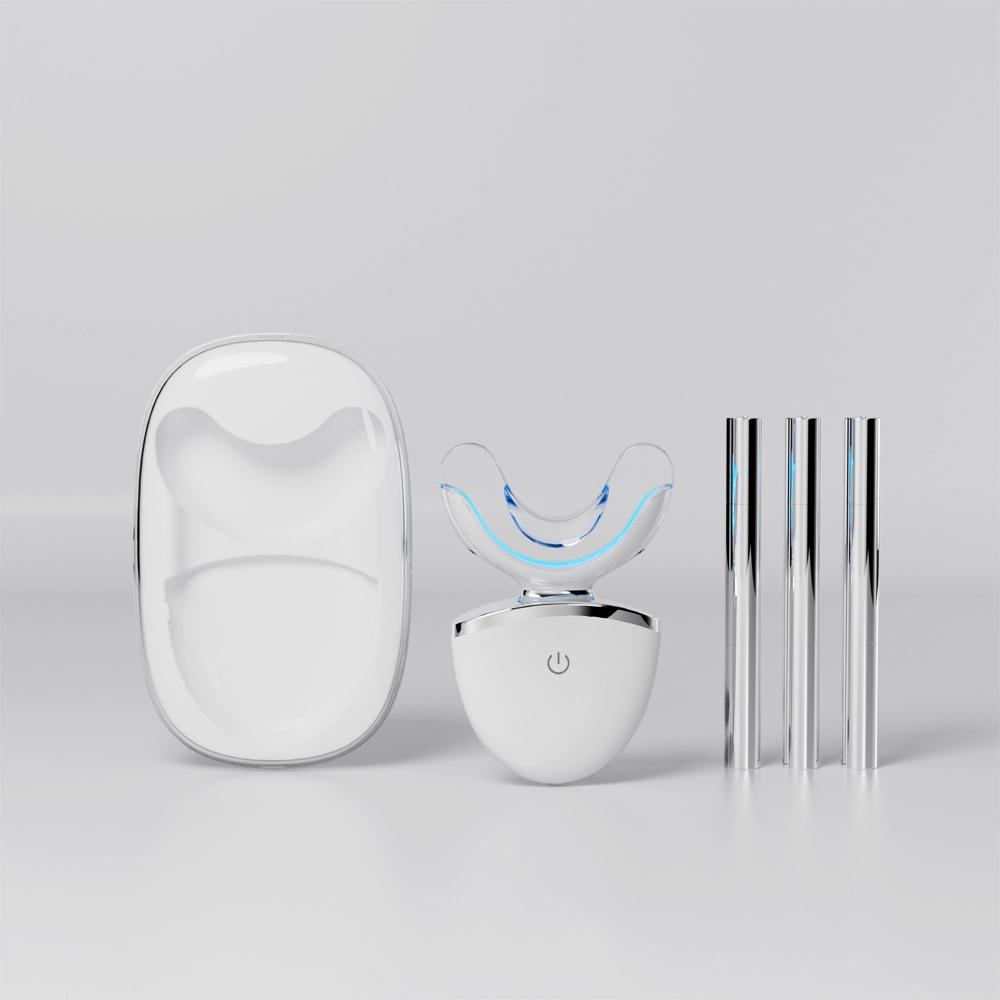
A complete guide to choosing a teeth whitening gel supplier

Why Should You Cover Your Toothbrush in the Bathroom? Hygiene Insights from Manufacturers
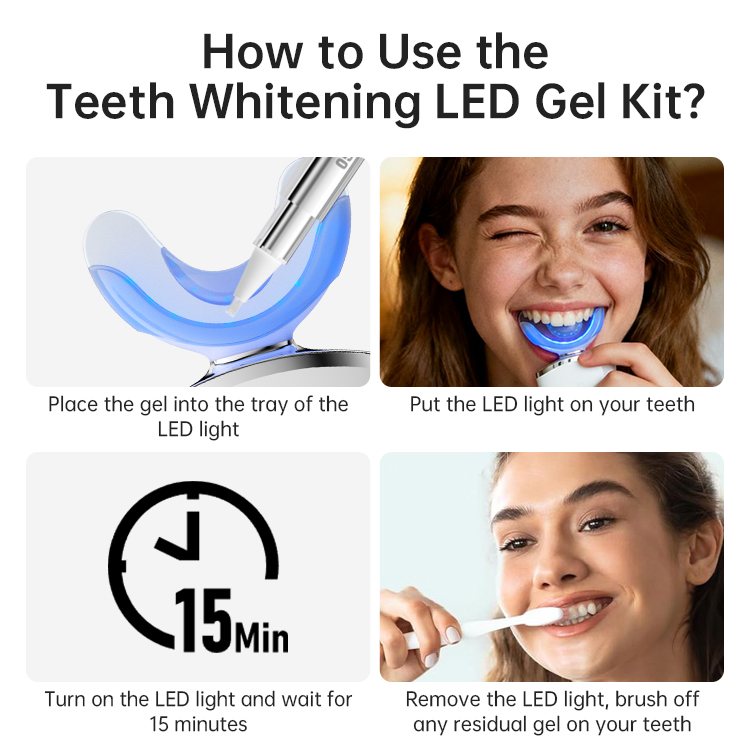
How does Cavitation Cleaning Technology affect Hue Saturation Lightness measurements in whitening?
Environmentally-conscious Electric Toothbrush Production Manufacturers in Austin
Orthodontic Care Electric Toothbrush OEM
Can Surface Reflectance and Subsurface Scattering Data Improve Whitening Efficacy Evaluations?
Is High-Frequency Vibration Harmful to Gums?
Are Water Flossers Bad for You? Safety Evaluation

Sustainable Materials for Eco-Conscious Oral Care OEM Manufacturing


.jpg)
.jpg)
.jpg)
.jpg)
.jpg)






.jpg)

.jpg)