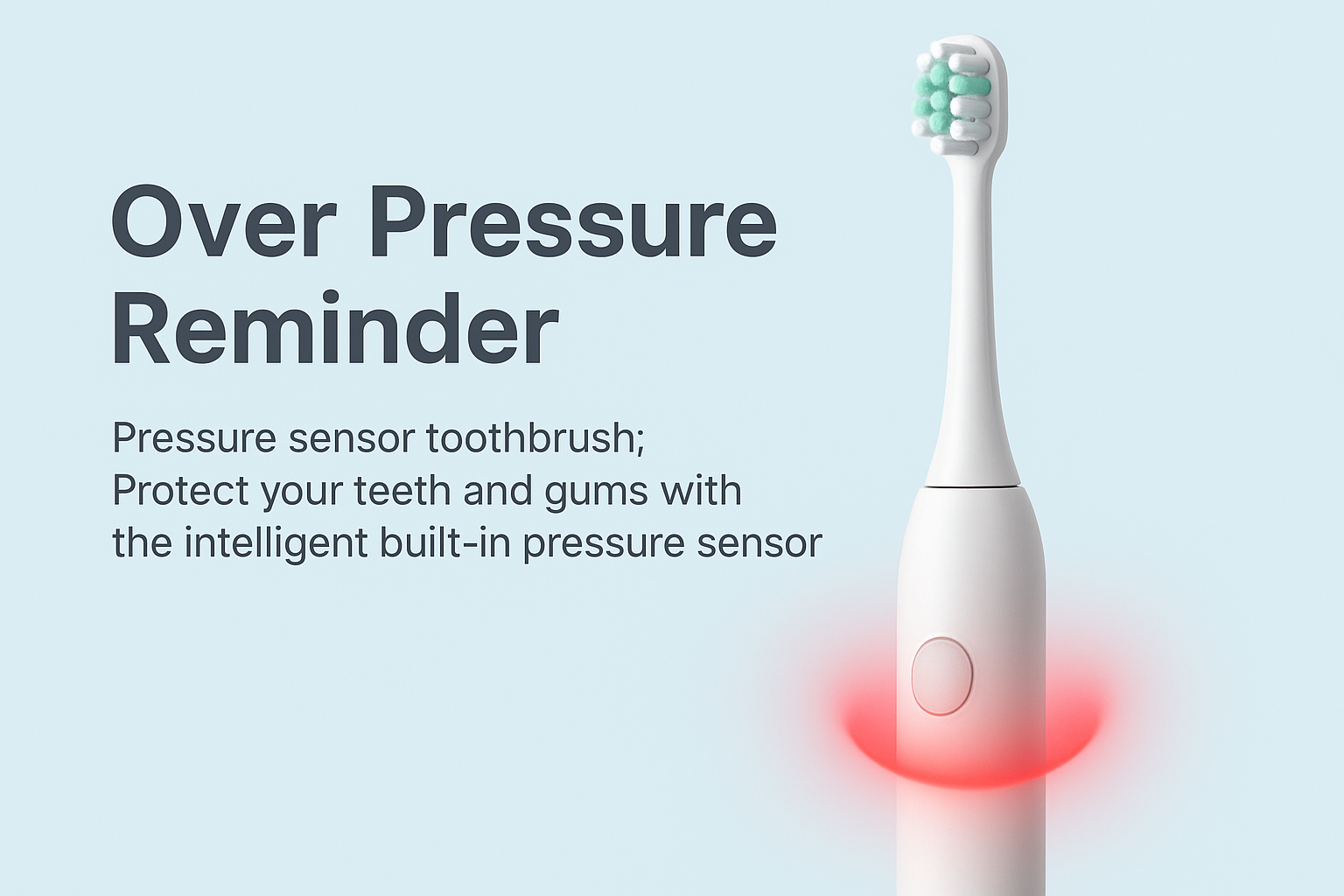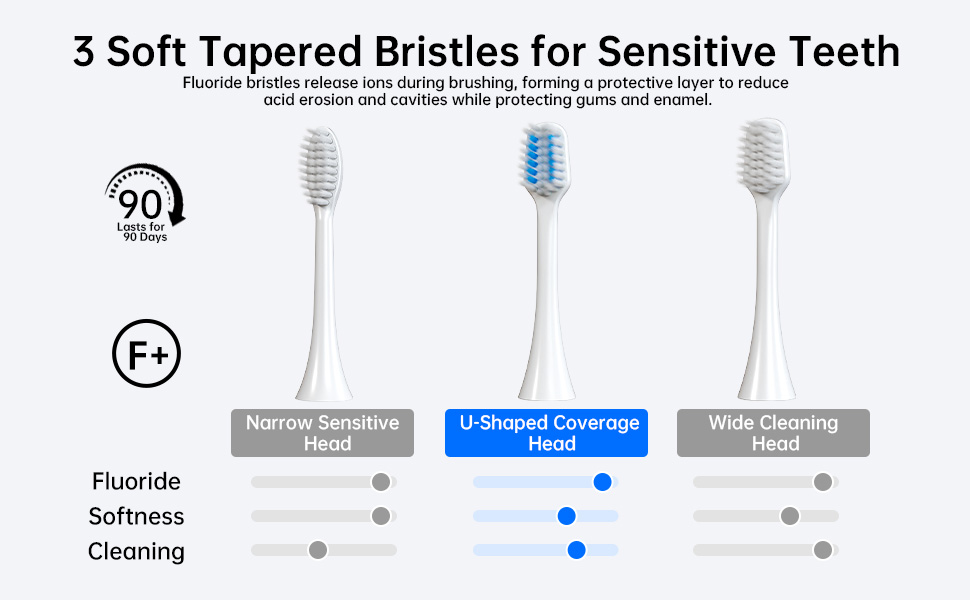
Strong electric toothbrush OEM capabilities are essential for international distributors and private-label brands seeking long-term competitiveness in oral-care markets. When selecting an OEM partner, buyers often evaluate technical strength, manufacturing scale, design flexibility, and regulatory compliance. As markets continue to expand, choosing an experienced supplier becomes even more important for brand differentiation.
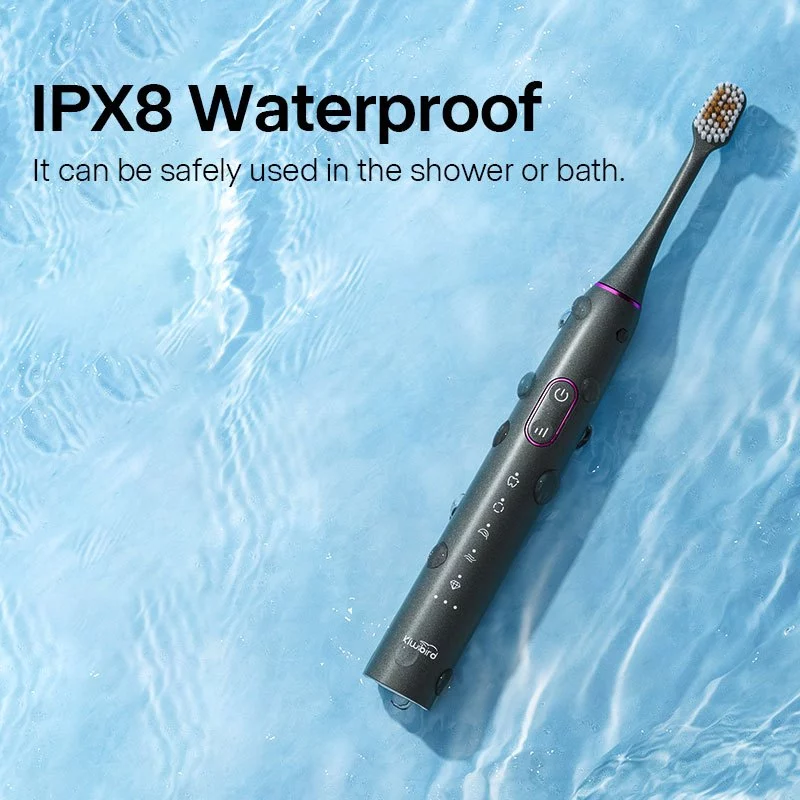
Leading OEM manufacturers typically offer full in-house engineering services. These include structural design, PCB development, motor selection, vibration optimization, waterproof engineering, and testing protocols. Since toothbrushes operate in humid environments, waterproof integrity is crucial. Therefore, professional factories implement ultrasonic sealing processes and strict IPX7/IPX8 verification.
Additionally, strong factories also optimize noise performance, motor lifespan, and brushing-mode algorithms. These engineering capabilities allow brands to establish higher product positioning and meet regional compliance requirements.
Check more OEM-ready components on:
https://powsmart.com/oem-electric-toothbrush
OEM projects often require custom handle shapes, LED layouts, and surface-treatment options. A factory with comprehensive design capabilities allows buyers to create products that reflect brand aesthetics without requiring major technical adjustments. Furthermore, experienced suppliers maintain ID design libraries that accelerate development cycles and ensure compliance with internal structural layouts.
Design flexibility also extends to packaging. Since packaging affects retail visual impact, especially in Europe and the U.S., OEM suppliers often provide dielines and carton templates for quick adaptation.
Production capacity remains a major decision factor in selecting OEM partners. Automated bristle-planting, SMT lines, and intelligent assembly stations ensure consistency and reduce quality variations. For global brands preparing retail launches, this stability directly affects order planning and supply-chain predictability.
Because international buyers often require multiple brushing modes, stable PCB programming and vibration consistency become key. Factories with complete testing stations ensure every item meets performance standards before shipping.
You may consult additional certification references on:
https://www.ada.org
When selecting an OEM partner, long-term technical support matters. Whether adjusting motor performance or upgrading battery technology, a strong supplier offers sustained engineering assistance. This stability allows distributors to continuously update their product portfolio and maintain competitive advantage.
To remain competitive, brands must collaborate with suppliers that demonstrate strong electric toothbrush OEM capabilities, from engineering design to automated manufacturing and compliance support.
.jpg)
.jpg)
Mouth Ulcers After Allergic Rashes – Coincidence?

Need ADA Certified Toothbrush Products for Dental Clinic Supply?
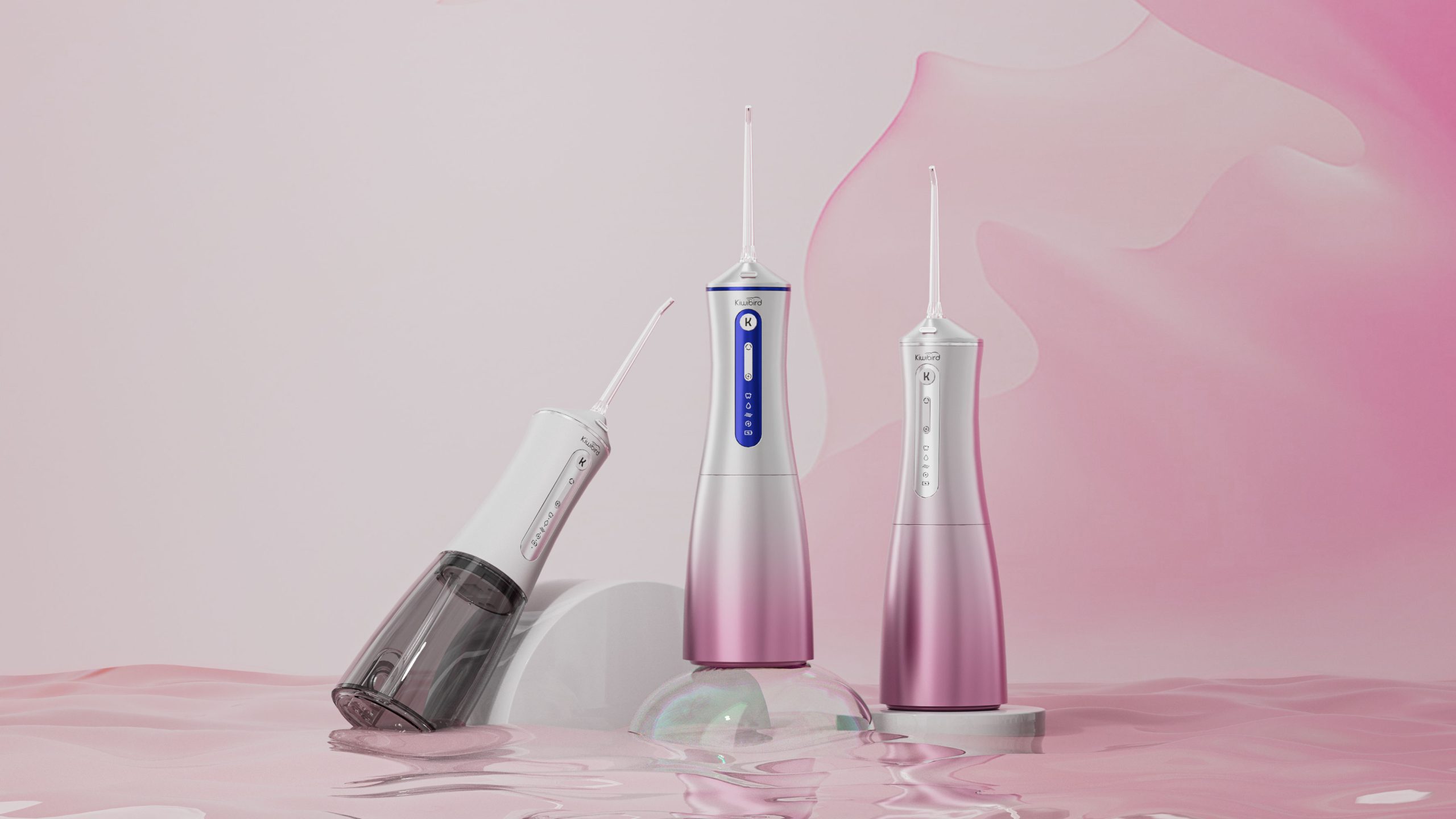
How to Solve the Common Charging Problems When Using a Water Flosser?
Sync Disruption with Lip Sensitivity – Design Flaw?
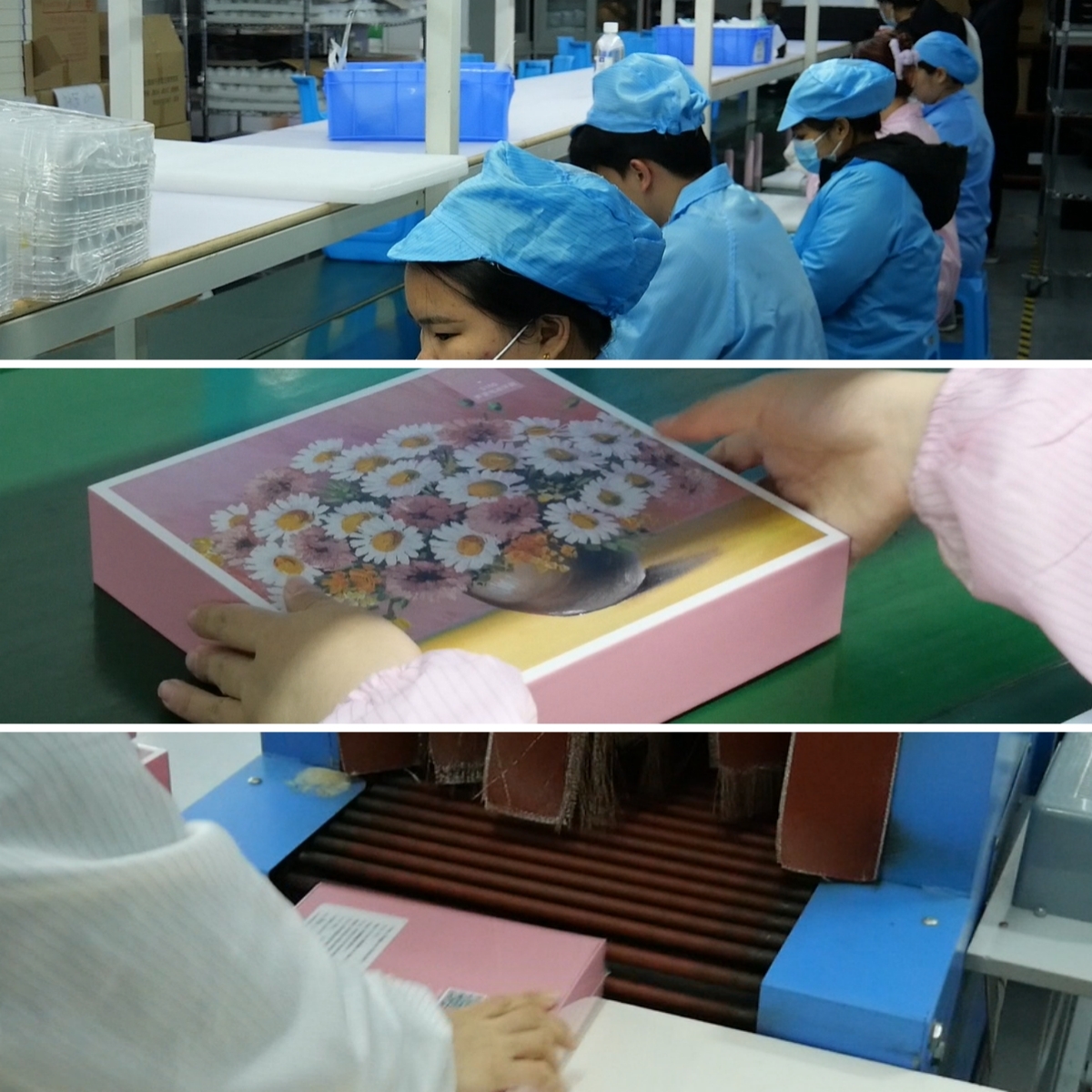
The Workmanship of Electric Toothbrushes
Difference between sonic toothbrush and sweeping electric toothbrush
Cheap vs High-End Electric Toothbrushes : 5 Key Differences You Should Know

Should Nozzle Material Always Be Medical-grade Material for Safety?
.jpg)
Confused About Electric Toothbrush Minimum Order Quantity?

How to Choose an Electric Toothbrush for Children?
From a Chemical Perspective, Do Teeth Whitening Products Really Work?
When North Campus budget meets a Delhi festival offer?
.jpg)
The Secret of the Cross-Sectional Shape of Electric Toothbrush Bristles: The Difference Between Diamond, Round and Cone in Protecting Gums
Why Is 45-Degree Cleaning Critical for the Clean Braces Technique?
.jpg)
Why Choose an Orthodontic Water Flosser Featuring Multi-pressure Setting Flosser Capabilities?
How to Choose the Right Electric Toothbrush: A Comprehensive Guide


.jpg)
.jpg)
.jpg)
.jpg)
.jpg)






.jpg)

.jpg)