Orthodontic care requires more than just daily brushing—it demands precision. One of the most overlooked yet crucial practices is the 45-degree cleaning method, especially when applied to the clean braces technique. For brands and manufacturers developing oral care solutions for orthodontic users, understanding this technique isn’t just about performance—it’s about building trust in technical design. Let’s explore why this specific brushing angle is so essential and how it impacts product development.
Orthodontic appliances, including metal and ceramic braces, create multiple plaque retention zones—around brackets, under archwires, and between teeth. Regular horizontal brushing is not enough. Without targeted cleaning, users often face:
That’s why the clean braces technique must be more than just stronger vibration—it must mimic how dentists clean manually, with angling and precision.
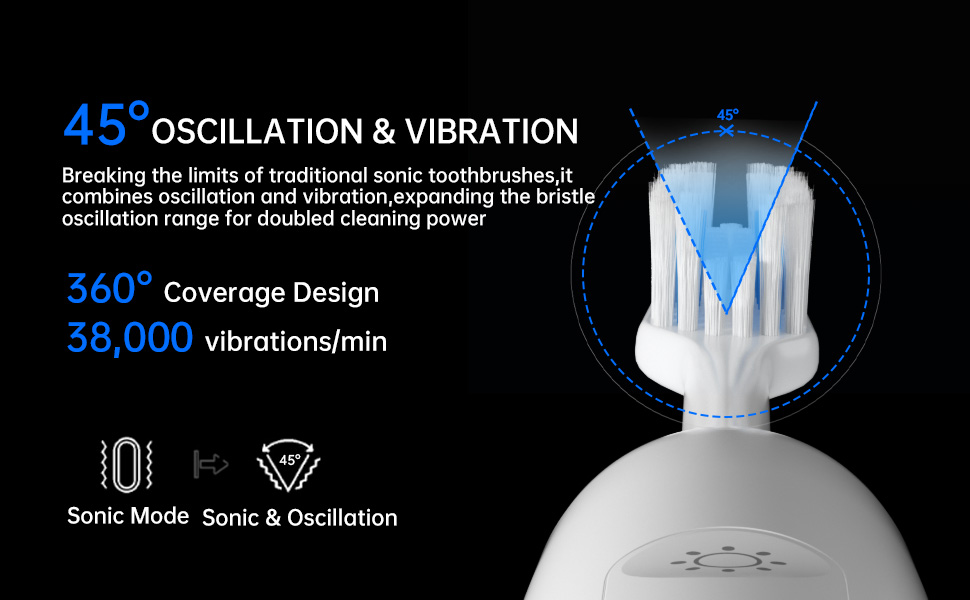
The 45-degree cleaning method refers to angling the toothbrush bristles at a 45° angle to the gum line and the bracket surface. This technique helps:
This angle allows users to clean around braces more effectively than straight-on brushing, especially with compact bristle heads and tapered filaments.
For B2B manufacturers serving orthodontic care markets, embedding the 45-degree cleaning concept into product features is essential. Consider integrating:
These design details turn an everyday toothbrush into a targeted clean braces technique tool. Company web: https://www.powsmart.com/product/electric-toothbrush/
Multiple dental studies confirm that brushing at a 45-degree angle significantly reduces gingival inflammation and plaque accumulation in orthodontic patients compared to flat brushing techniques. This research supports:
Therefore, brands emphasizing evidence-backed designs gain trust in dental distribution channels.
To help users apply the 45-degree cleaning technique consistently, some OEM partners are investing in:
This modular ecosystem enhances the value proposition of any clean braces technique product line.
The 45° cleaning method isn’t just a technique—it’s a design imperative for companies targeting the orthodontic oral care sector. By embedding this angle into product ergonomics, app experience, and instructional design, B2B brands can:
In short, the future of effective clean braces technique solutions depends on how intelligently manufacturers adapt to 45-degree cleaning. Contact us
How Do Hydro-dynamic Bearings Optimize Flow Channel Geometry in Water Flossers?
.jpg)
Whitening for Underwire Braces | Braces Whitening While Straightening
Custom Electric Toothbrush Factory for OEM and Private Label Brands
Dry Mouth Medications Toothbrush Guide: Protect Teeth from Drug-Induced Dryness
Dental Gift Ideas: Unique and Thoughtful Gifts for a Healthy Oral Cavity
.jpg)
How Does Powsmart App Connectivity Turn Real-Time Brushing Data into Actionable Insights?
High Frequency Sonic Toothbrush Factory: OEM Manufacturing & Performance Guide
Travel-Friendly Electric Toothbrush | OEM Compact Sonic Brush for Global Brands
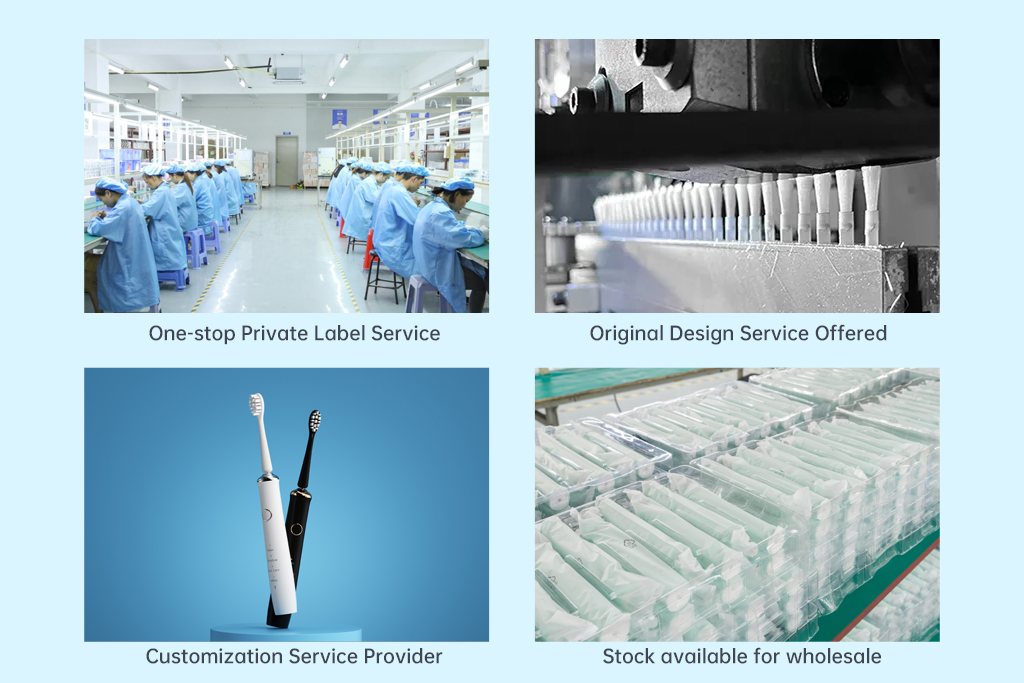
Targeting Niche Markets with Customized Oral Care: OEM Strategies for Brands
DuPont Nylon Bristle Toothbrush OEM: Premium Material Selection for High-Quality Brush Heads
Electric Toothbrush Export Factory China for Global B2B Supply
Executive Gift Electric Toothbrush Box Set for Diwali

What’s the Synergy Between a Neuromorphic Computing Chip and a Holographic User Interface?
Smile & Confidence: OEM Electric Toothbrushes for Enhanced Dental Aesthetics
.jpg)
Must-Have Features for a Market-Leading Water Flosser
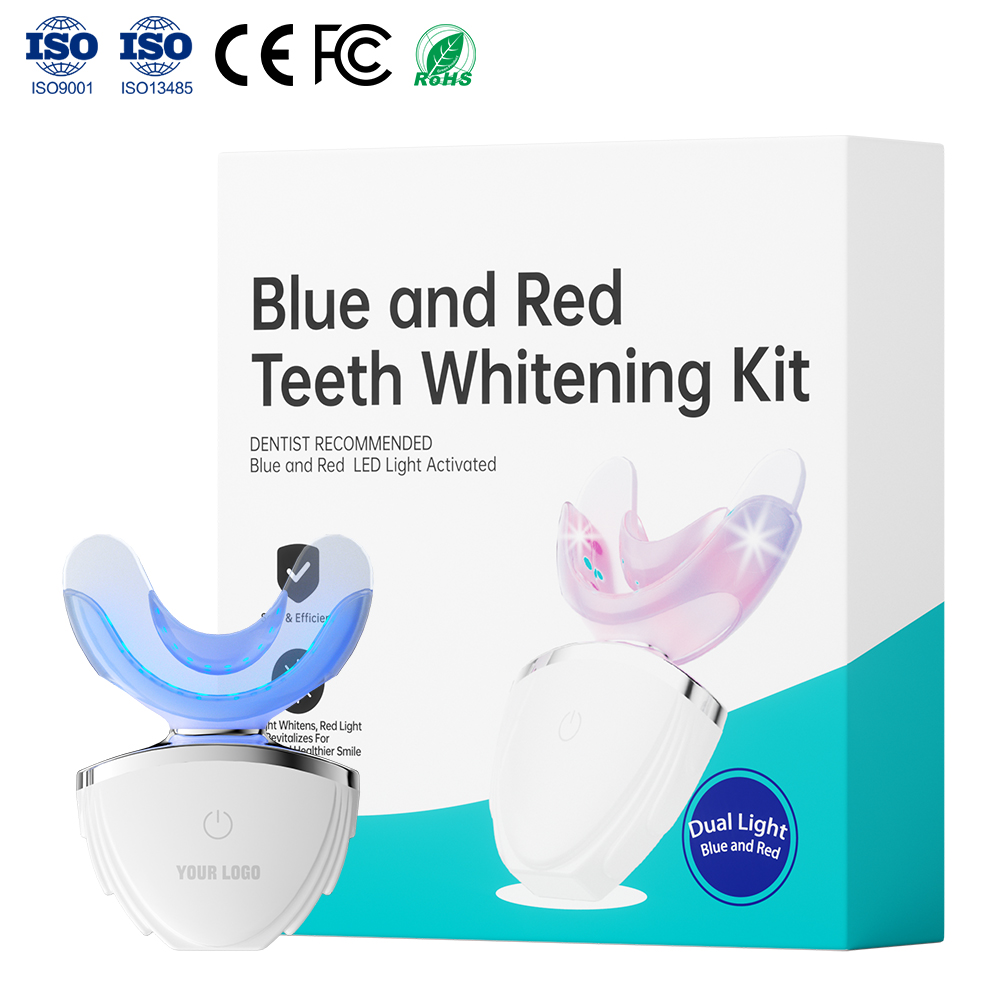
How Does an LED Whitening Lamp Activate an Accelerated Whitening Solution Effectively?


.jpg)
.jpg)
.jpg)
.jpg)
.jpg)