
Electric toothbrush cost breakdown analysis is essential for B2B buyers planning OEM sourcing, private label launches, or long-term distribution strategies. Understanding cost structure helps brands price products accurately while protecting margins.
For international buyers, transparent cost evaluation also supports negotiation and supplier comparison.
A typical electric toothbrush cost breakdown includes materials, electronics, labor, tooling amortization, and compliance-related expenses.
Core components such as motors, batteries, PCBA, and brush heads account for a significant portion of unit cost. Housing materials and surface finishing further influence pricing.
Packaging, documentation, and logistics should also be included when evaluating total landed cost.
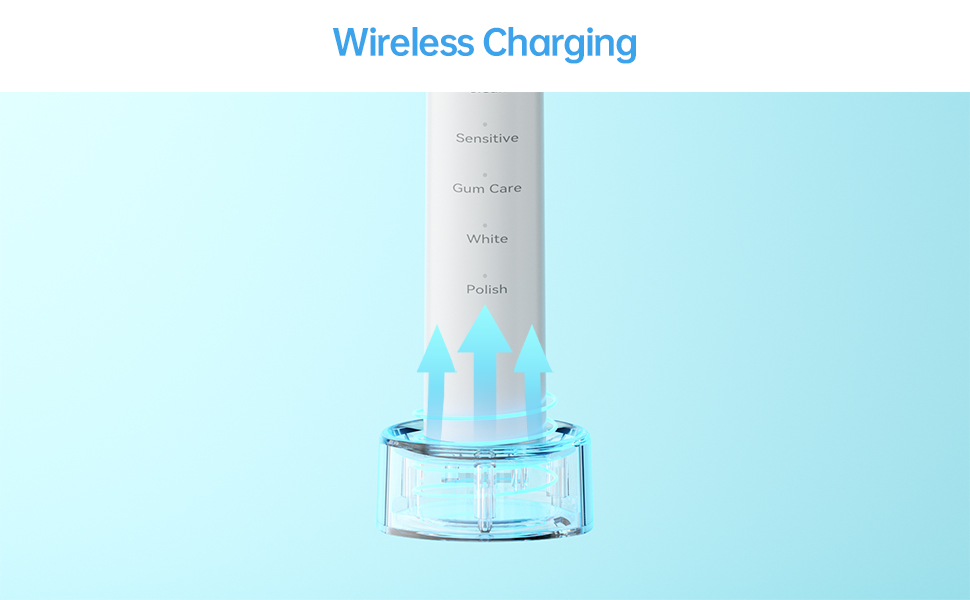
Assembly complexity directly affects labor cost. Products with multi-mode control systems or wireless charging require more assembly steps and testing.
Moreover, automated assembly lines can reduce unit labor cost at scale. However, initial setup investment may influence early-stage pricing.
Experienced manufacturers optimize assembly workflows to balance cost efficiency and quality.
Powsmart provides transparent OEM cost structures to support buyer planning and scalable sourcing. Related manufacturing services can be reviewed at:
https://www.powsmart.com/
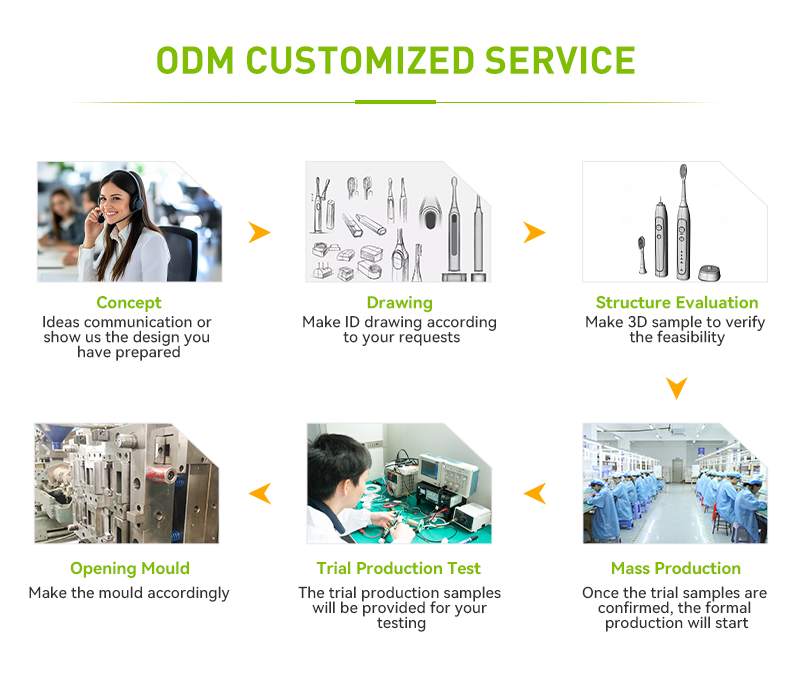
ODM or customized projects involve tooling and development costs. Injection molds, test fixtures, and firmware development represent upfront investment.
These costs are typically amortized across production volume. Higher order quantities reduce per-unit impact.
Understanding tooling allocation helps buyers evaluate long-term sourcing economics.
Compliance testing represents a necessary cost element. Certification fees, test samples, and documentation preparation add to initial expenses.
However, compliance investment protects against regulatory risk and market entry delays.
Regulatory references for electrical products can be found through the American Dental Association:
https://www.ada.org/
From a strategic perspective, buyers can optimize cost by standardizing components, reducing SKU complexity, and planning forecast volumes.
Long-term supplier partnerships often lead to improved pricing stability and reduced overhead.
In conclusion, a clear electric toothbrush cost breakdown empowers B2B buyers to make informed sourcing decisions, maintain margin control, and build sustainable product strategies.
.jpg)
Powsmart-San Diego electric toothbrush supplier B2B
.jpg)
Toothbrush Molding Factory China for OEM & Private Label Projects
Can a Wearable Whitening Strip Be Part of a Home Use Whitening System?
Can a Rechargeable Battery Solution Efficiently Power an LED Display Module?
Factory Supplier for Waterproof Sonic Toothbrushes

Retail Merchandising Tactics for Oral Care Products: Strategies for Brands Seeking Manufacturing Partners

Why Pair a Sonic Vibration Core with Food-grade Bristle Material for Safe Oral Care?
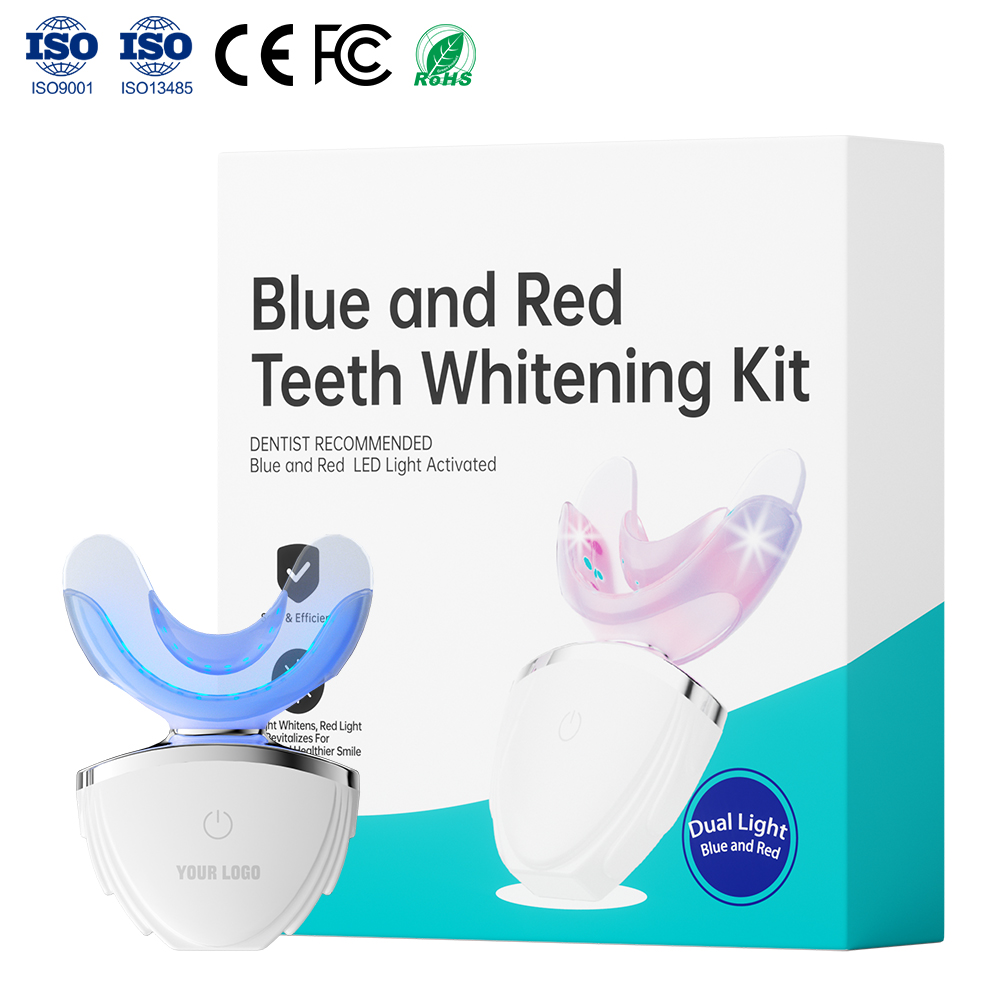
Is Whitening Kit Certification Necessary for Marketing a Portable Whitening Kit Globally?
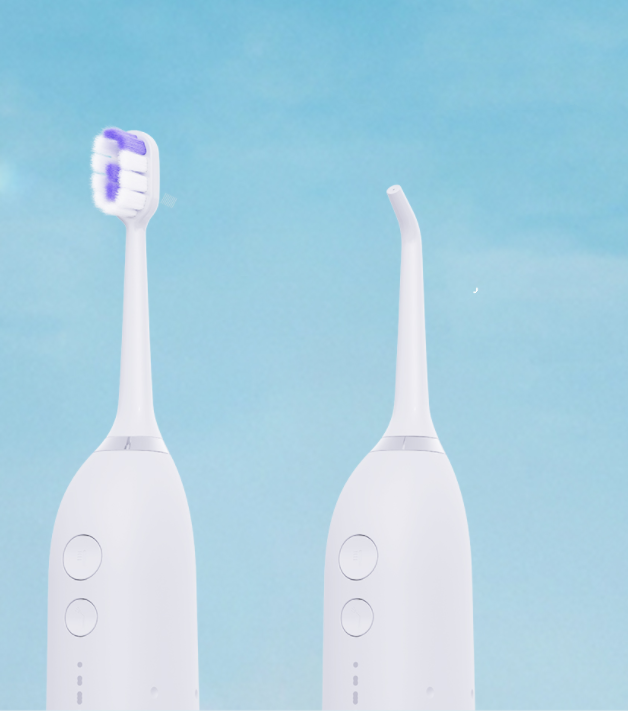
Orthodontic Electric Toothbrush for Braces – Deep Cleaning Bristle Design
Sonic Toothbrush ODM Service for Global Oral Care Brands
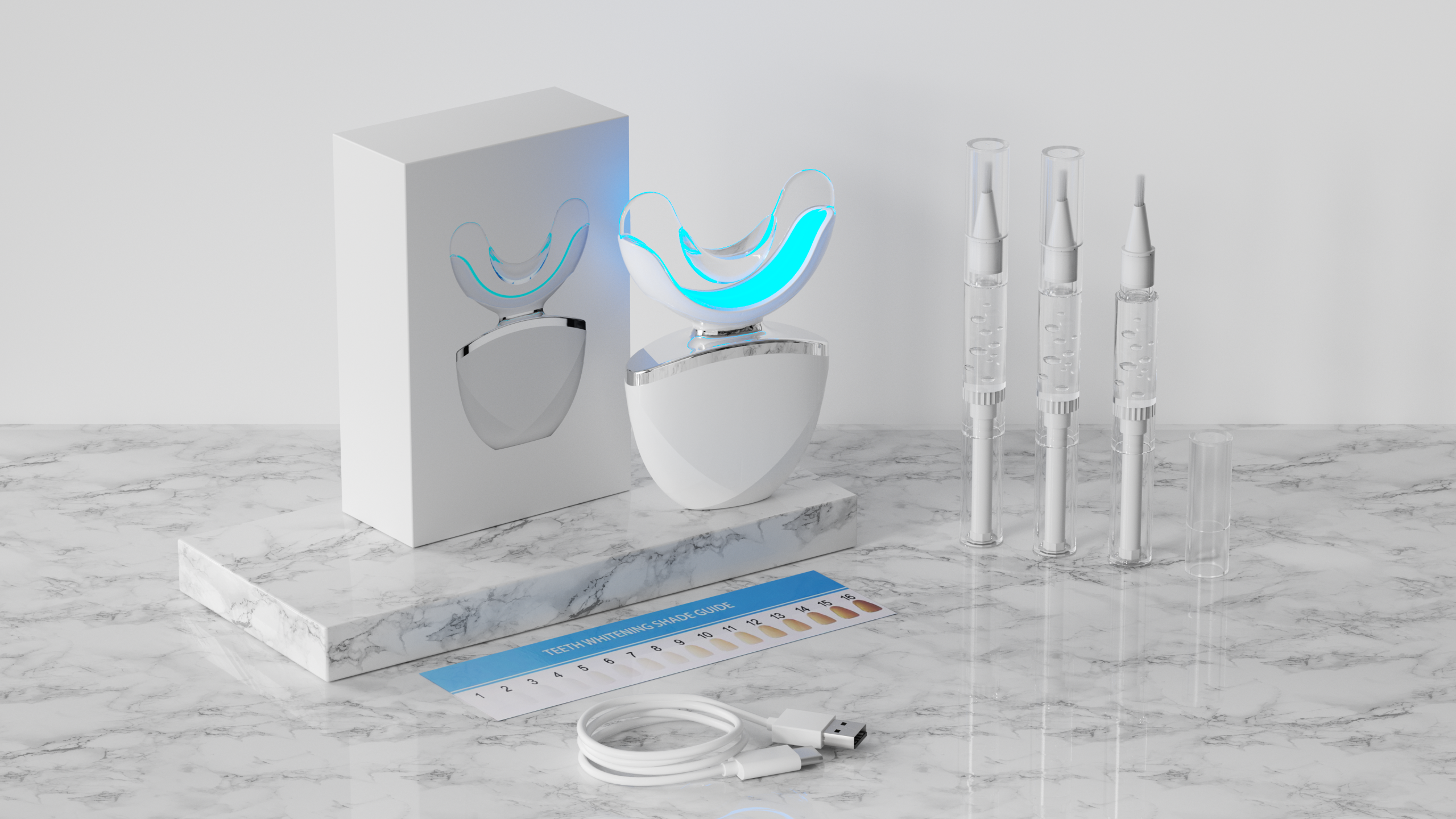
Can a Toothbrush Truly Rebuild Gum Health? Discover Powsmart’s Dual-Action Gum Shield Tech!
powsmart adult electric toothbrush
Kids Electric Toothbrush Private Label Manufacturer for Global Brands
Electric Toothbrush Compliance Standards for OEM & Global Distributors
How Does Supply Chain Logistics Affect the Integration of a Battery Management System?
Why Is Pressure Sensor Calibration Important After Brush Head Injection Molding?


.jpg)
.jpg)
.jpg)
.jpg)
.jpg)





.jpg)