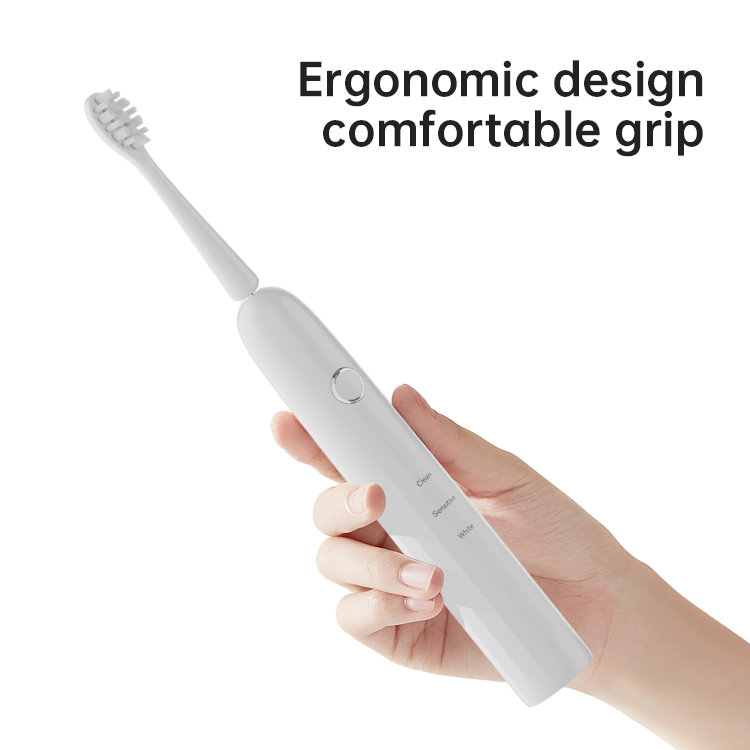
As the demand for advanced oral care technology grows, the POWSMART Ultrasonic Toothbrush has gained attention for its precision cleaning and ergonomic design. However, concerns have surfaced within certain procurement and compliance circles about chemical residue levels in these devices. Are the materials used during manufacturing or post-processing leaving behind residue levels that surpass regulatory limits? This article examines whether these concerns are substantiated and how B2B clients can evaluate material safety with confidence.
Chemical residue refers to trace amounts of solvents, adhesives, coatings, or cleaning agents that may remain on product surfaces after production. In the context of the POWSMART Ultrasonic Toothbrush, this could potentially involve:
While these materials are essential for product functionality, improper processing or insufficient rinsing can lead to residual buildup.

In most major markets—including the U.S., EU, and parts of Asia—oral hygiene products are subject to strict material safety standards. Regulations typically cover:
If chemical residue levels on the POWSMART Ultrasonic Toothbrush exceed these thresholds, it could pose risks such as skin irritation, allergic reaction, or long-term toxicity. However, compliance documentation and third-party testing reports from certified labs help clarify actual safety status. Company web:https://www.powsmart.com/product/electric-toothbrush/
POWSMART employs a multi-step manufacturing and quality assurance protocol to minimize chemical residue:
These efforts ensure the toothbrushes are safe for everyday use, particularly for sensitive groups like children and seniors.
For OEM/ODM clients concerned about chemical residue, POWSMART offers access to comprehensive test documentation, including:
These reports are available during the procurement phase, enabling B2B partners to make data-driven sourcing decisions that align with their brand’s safety standards.
One key reason POWSMART Ultrasonic Toothbrush models consistently meet residue limits is the adoption of cleanroom assembly environments. These controlled zones reduce contamination risk from airborne particles and chemical vapors. Additionally, trained technicians conduct:
This provides an extra layer of assurance that finished goods shipped to B2B partners are contamination-free.
While concerns about chemical residue in the POWSMART Ultrasonic Toothbrush are understandable—especially in today’s health-conscious market—the evidence supports that these products are engineered with safety and compliance at the forefront. Through rigorous material selection, cleanroom practices, and transparent third-party testing, POWSMART ensures all toothbrushes meet or exceed international residue safety standards.
For businesses seeking reliable, compliant oral care products, partnering with POWSMART means prioritizing both innovation and peace of mind. Contact us
.jpg)
How Does Gum Recession Relate to Maintenance Complexity?
Can Short Tank Runtime Delay Oral Ulcer Care?
Does Children’s Cavity Prevention Brush Have App Connectivity Flaws?
Wholesale Smart Electric Toothbrushes: Bulk Order Advantages
Rechargeable Whitening Device OEM for Global B2B Brands

Cost Structure Analysis and Risk Avoidance of Small Batch Trial Production for Whitening Teeth Devices

Wavelength of Whitening Teeth Device Blue Light (460–490nm) and Red Light (620–660nm)Configuration Guide
.jpg)
Research on Consumers’ Preferences for the Functions and Prices of Electric Toothbrushes – From the Perspective of Suppliers
Why Is Enamel Vulnerability Linked to Staining Residuals?
Why Is Allergen Testing Critical for Post-Whitening Diets?

How Do High-Quality Electric Toothbrushes Enhance the Brand Image of Oral Care?
Why Do Whitening Cycles Cause Efficacy Debates?
Ultra-Quiet Sonic Toothbrush Manufacturing: <60dB Technology
Handle Grip Design Affecting Mucosal Irritation?
How Do Handle Cracking and Connector Corrosion Affect Device Lifespan?
Comparison of Sonic Vibration and Rotary Electric Toothbrush Technology


.jpg)
.jpg)
.jpg)
.jpg)
.jpg)









.jpg)