As professional whitening devices continue to evolve, many manufacturers are exploring how a Plume Evacuation System can support safer and more efficient Photo-accelerated Oxidation during teeth whitening treatments. By removing aerosolized by-products and maintaining a clean irradiation environment, plume control directly influences whitening performance, light distribution, and user safety—key factors in premium whitening system design.
During whitening sessions, evaporated gel components and micro-plumes can scatter or absorb light energy. A Plume Evacuation System keeps the treatment area clear, allowing LEDs or lasers to deliver uninterrupted energy to the tooth surface, which is essential for maximizing Photo-accelerated Oxidation efficiency.
High-performance whitening gels release active oxygen radicals. If the surrounding environment becomes saturated with vapors, oxidation efficiency can drop. By continuously removing airborne by-products, the evacuation system helps sustain optimal oxygen exchange at the enamel surface, improving stain breakdown.
A plume often contains volatile organic compounds, gel residues, and micro-particulates. Efficient plume evacuation reduces inhalation risks for clinicians and clients, ensuring the whitening system meets health and safety expectations—especially in professional or high-frequency environments.
Heat generated during Photo-accelerated Oxidation can accelerate gel evaporation, forming additional plume. Controlled air extraction stabilizes temperature and humidity around the treated teeth, helping maintain gel hydration and ensuring consistent whitening results across the full treatment cycle.
Scattered plume particles can create uneven light distribution, reducing the uniformity of whitening coverage. Incorporating a Plume Evacuation System allows the device to maintain constant optical clarity, ensuring every tooth receives the same level of energy for predictable and repeatable outcomes.
Manufacturers can integrate compact evacuation channels, UV-safe filters, and intelligent airflow control into future whitening devices. This allows brands to offer premium systems where Photo-accelerated Oxidation is enhanced through controlled environmental conditions—an appealing selling point for clinics seeking top-tier results.
Integrating a Plume Evacuation System into teeth whitening devices can significantly boost the efficiency and consistency of Photo-accelerated Oxidation. By ensuring clearer optics, safer operation, and improved chemical performance, manufacturers can deliver advanced whitening solutions. Contact us
.jpg)
Mother’s Day Dental Care Gift Packages WA | Wholesale Supply
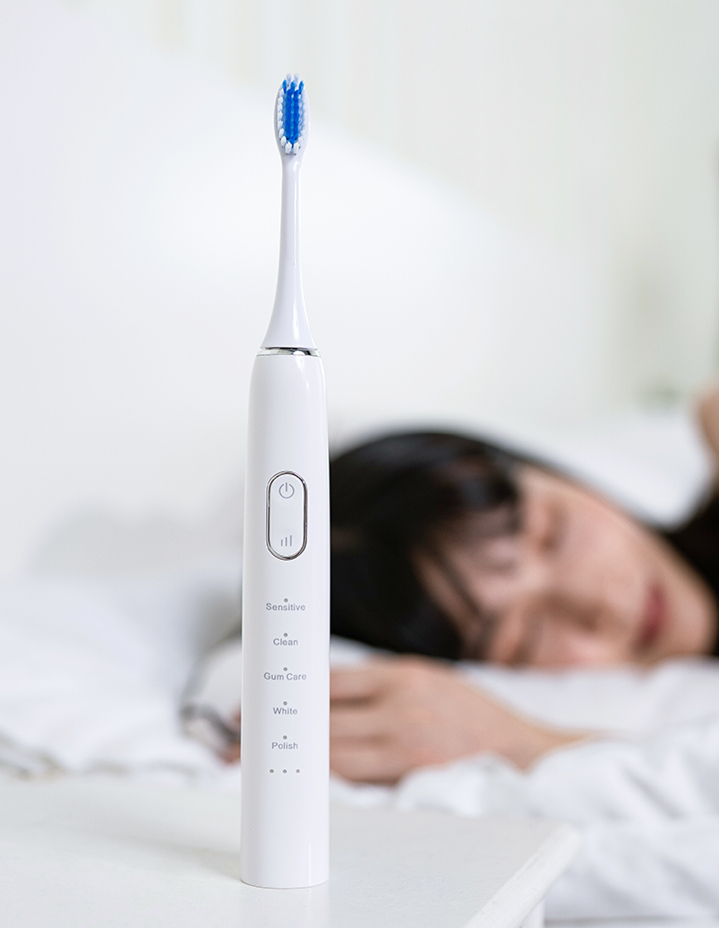
Solutions for Electric Toothbrushes noisy problem

How Do Toothbrush Custom Packaging Solutions Enhance a Dental Toothbrush Supplier Network?
Mouth Taping Sleep Oral Care: Brushing Routine Guide
Black & White Smart Toothbrushes: Minimalist Design for Bulk Orders
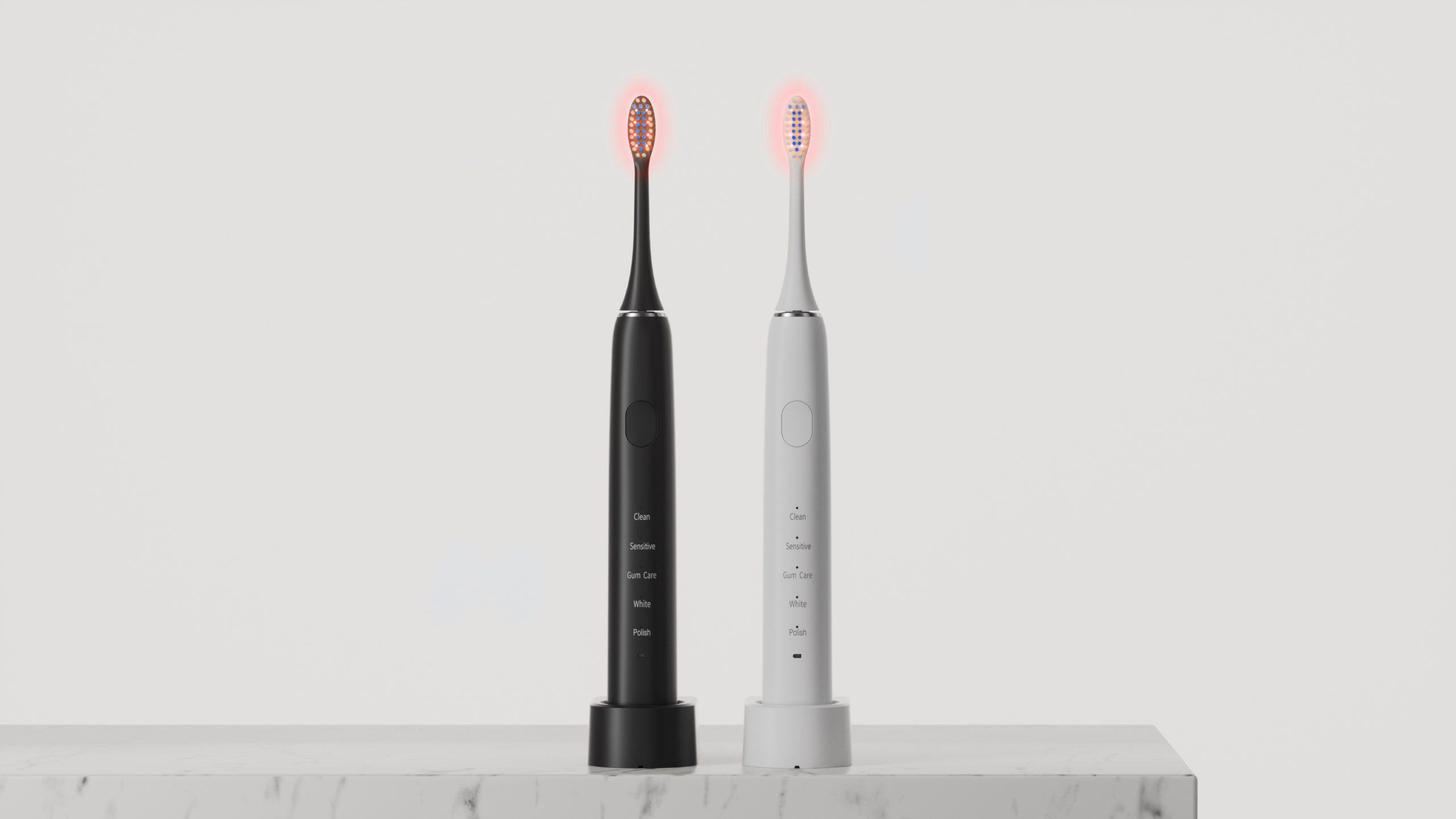
Why Choose Our Electric Toothbrush ODM as Your Premier Teeth Whitening Kit Supplier?
Tank Mold with Bacterial Regrowth – Health Crisis?
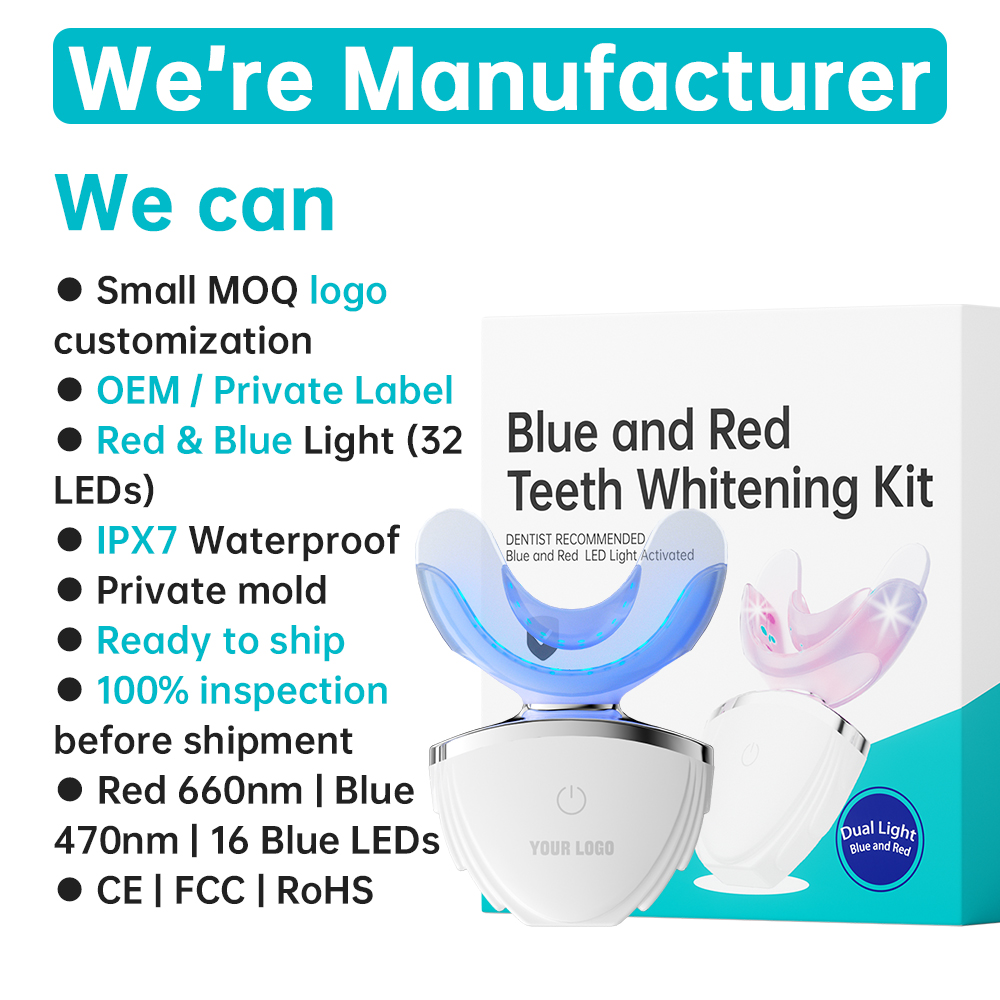
How Does Packaging Customization Service Assist with Aesthetic Device Compliance?
Water Flosser Pressure Adjustment Guide: Find the Right Setting for Comfort
Silent Electric Toothbrush for Hotels | Luxury Amenity Supplier
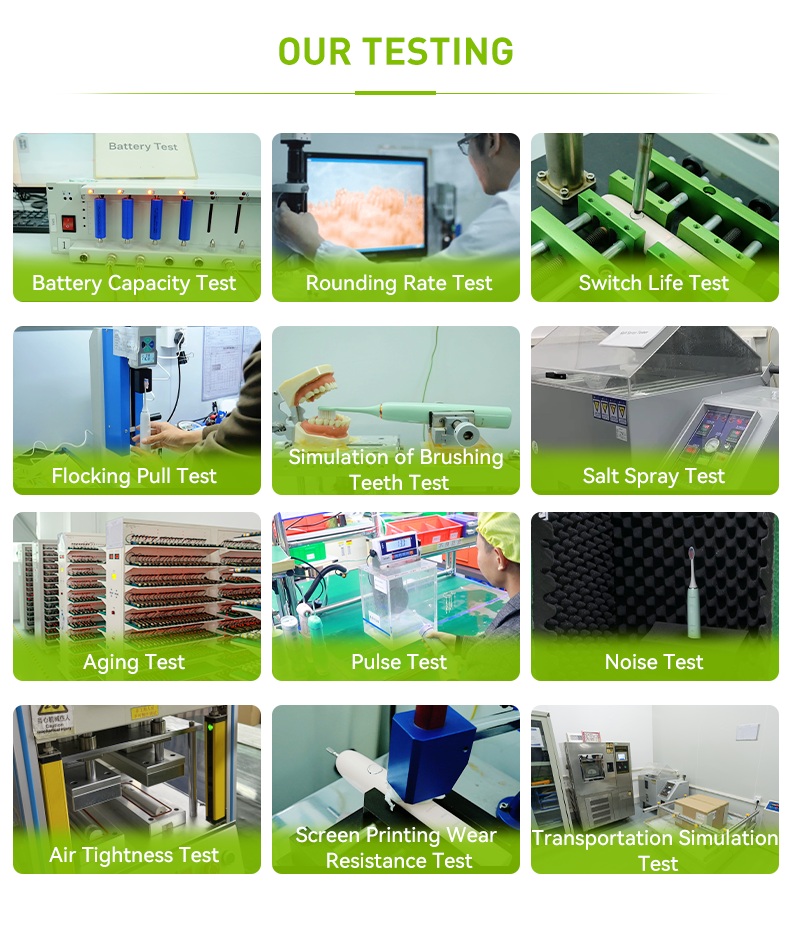
Can a Rechargeable Battery Solution Efficiently Power an LED Display Module?
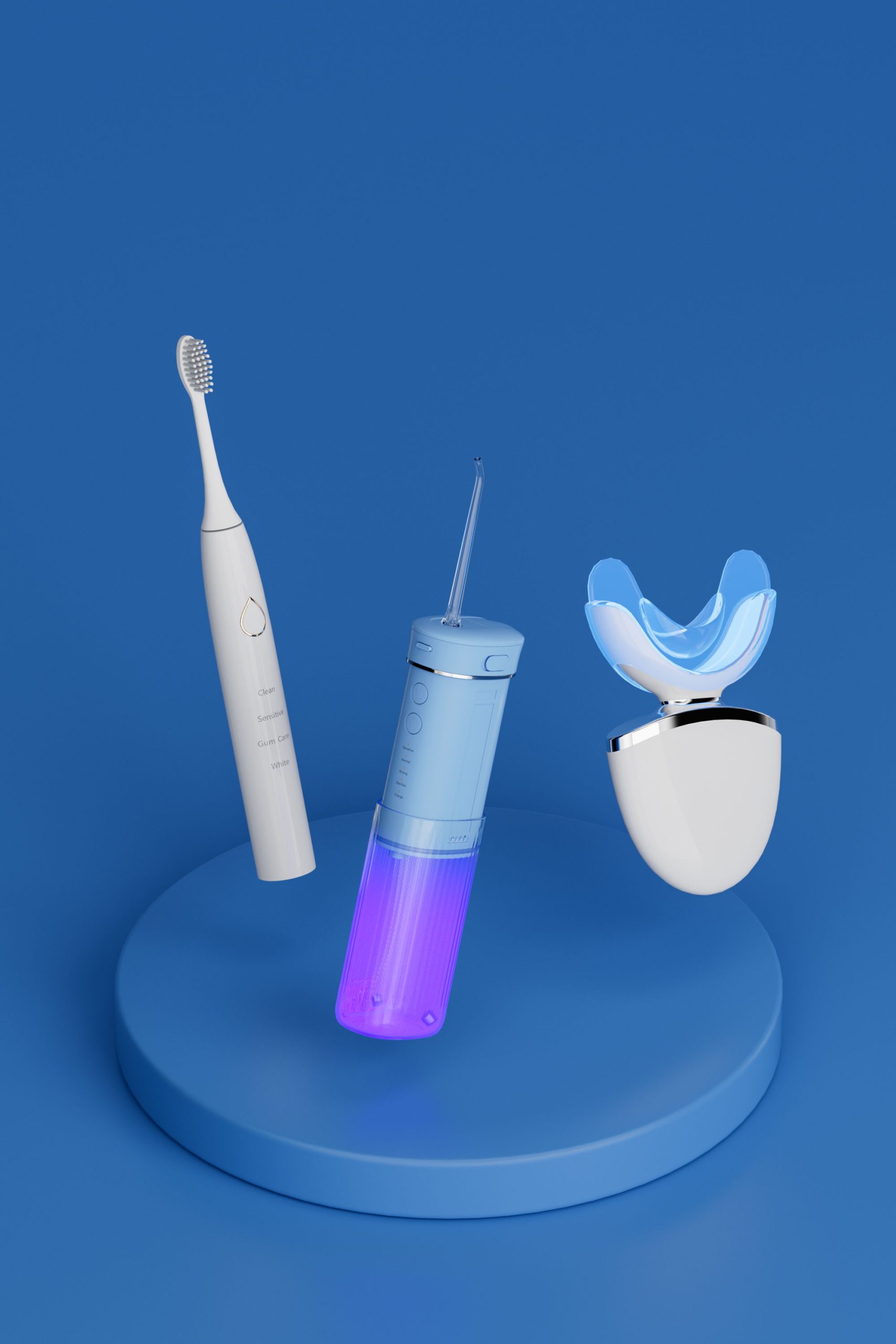
Wholesale Electric Toothbrush Suppliers in San Antonio
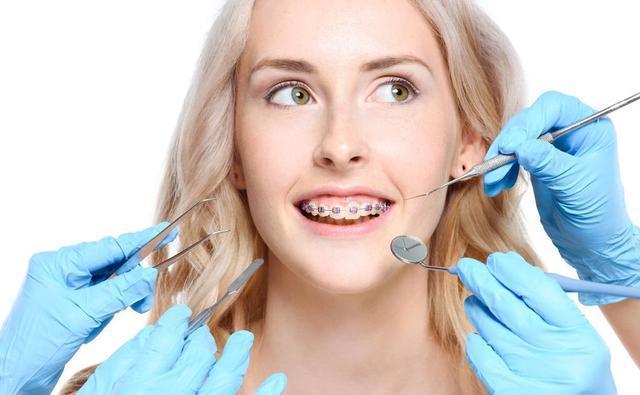
Essential orthodontic Oral Care Products for Orthodontic Patients: Key Elements & Solutions
Water Flosser Disadvantages: What Your OEM Factory Isn’t Telling You?
Moldy Water Flosser Tank? It Harms Users and Your Brand Reputation
electric toothbrush odor cleaning fix: eliminate bad smells


.jpg)
.jpg)
.jpg)
.jpg)
.jpg)