
Before diving into the various methods to whiten teeth, it’s essential to understand why teeth become discolored. Common causes include consuming certain foods and drinks (like coffee, tea, and red wine), smoking, poor dental hygiene, and aging. Identifying the cause of discoloration can help determine the most effective whitening method.
In-office whitening treatments are performed by dental professionals and offer the quickest and most dramatic results. These treatments typically use a high concentration of peroxide gel applied to the teeth, which is then activated by a special light or laser. This method can make teeth several shades whiter in just one visit. It’s ideal for individuals looking for immediate and noticeable results.
At-home whitening kits are a popular alternative for those who prefer to whiten their teeth in the comfort of their own home. These kits usually include custom-fitted trays and a peroxide-based whitening gel. Users fill the trays with the gel and wear them for a specified period, typically a few hours daily or overnight. While results may take longer to achieve compared to in-office treatments, they are still highly effective and more affordable.
For a more gradual approach to teeth whitening, whitening toothpaste and rinses can be an excellent option. These products contain mild abrasives and low concentrations of peroxide to help remove surface stains over time. They are easy to incorporate into a daily dental routine and can help maintain the results of more intensive whitening treatments.
Some individuals prefer natural remedies to whiten their teeth. Popular methods include brushing with baking soda, using hydrogen peroxide as a mouth rinse, or oil pulling with coconut oil. While these methods are generally safe, they may not provide results as quickly or effectively as professional treatments or whitening kits.
If you have sensitive teeth, it’s essential to choose a whitening method that minimizes discomfort. Professional in-office treatments often include desensitizing agents to reduce sensitivity. At-home kits designed for sensitive teeth also use lower concentrations of peroxide to avoid irritation. Whitening toothpaste for sensitive teeth typically contains potassium nitrate or stannous fluoride to help soothe sensitivity.
Once you’ve achieved your desired level of whiteness, maintaining your smile is crucial. Regular brushing and flossing, avoiding stain-causing foods and beverages, and scheduling routine dental cleanings can help keep your teeth white. Additionally, using a whitening toothpaste or rinse can help prolong the results of your whitening treatment.
In summary, there are various ways to whiten teeth, from professional in-office treatments to at-home kits, whitening toothpaste, and natural remedies. Each method has its benefits and considerations, so it’s essential to choose the one that best suits your needs and lifestyle. By understanding the causes of teeth discoloration and selecting an appropriate whitening method, you can achieve a brighter, more confident smile.
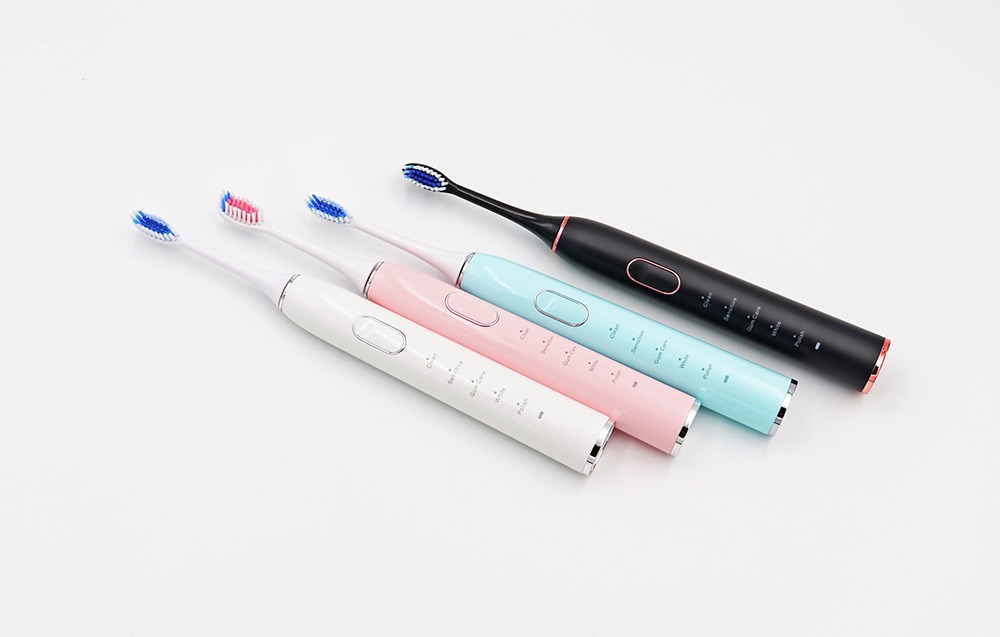
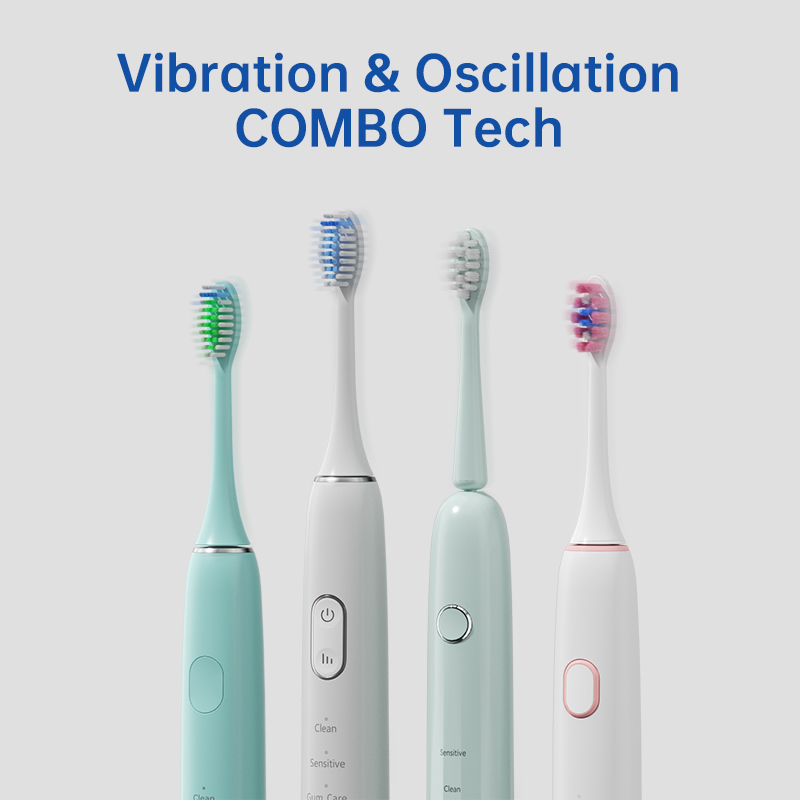
From manual to electric toothbrushes: a revolution in changing toothbrush habits
.jpg)
Is Battery Swelling Causing Pressure Loss?
How to Optimize Jet Instability and User Discomfort?
How to Clean Dirty Ports and Seal Deterioration?

Is Blue Light Under 480nm Safe for Teeth Whitening Devices?
Beginner’s Guide to Water Flosser Pressure Settings

Ways Having Whiter Teeth Can Help Boost Your Confidence
Are Filter Degradation and Voltage Drops Linked?
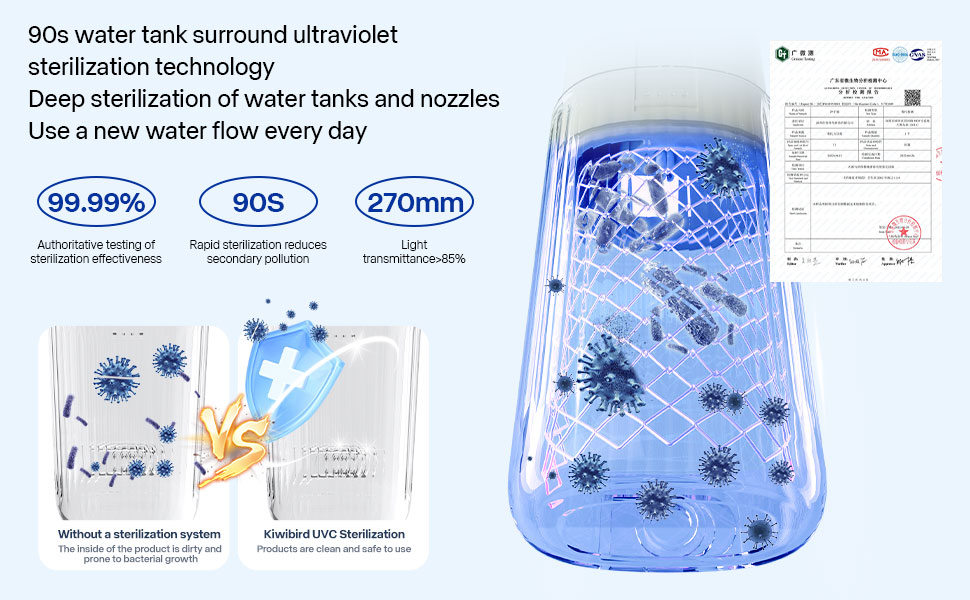
Preventing Mold in Water Flosser Tanks: Silver Ion vs. UV Sterilization
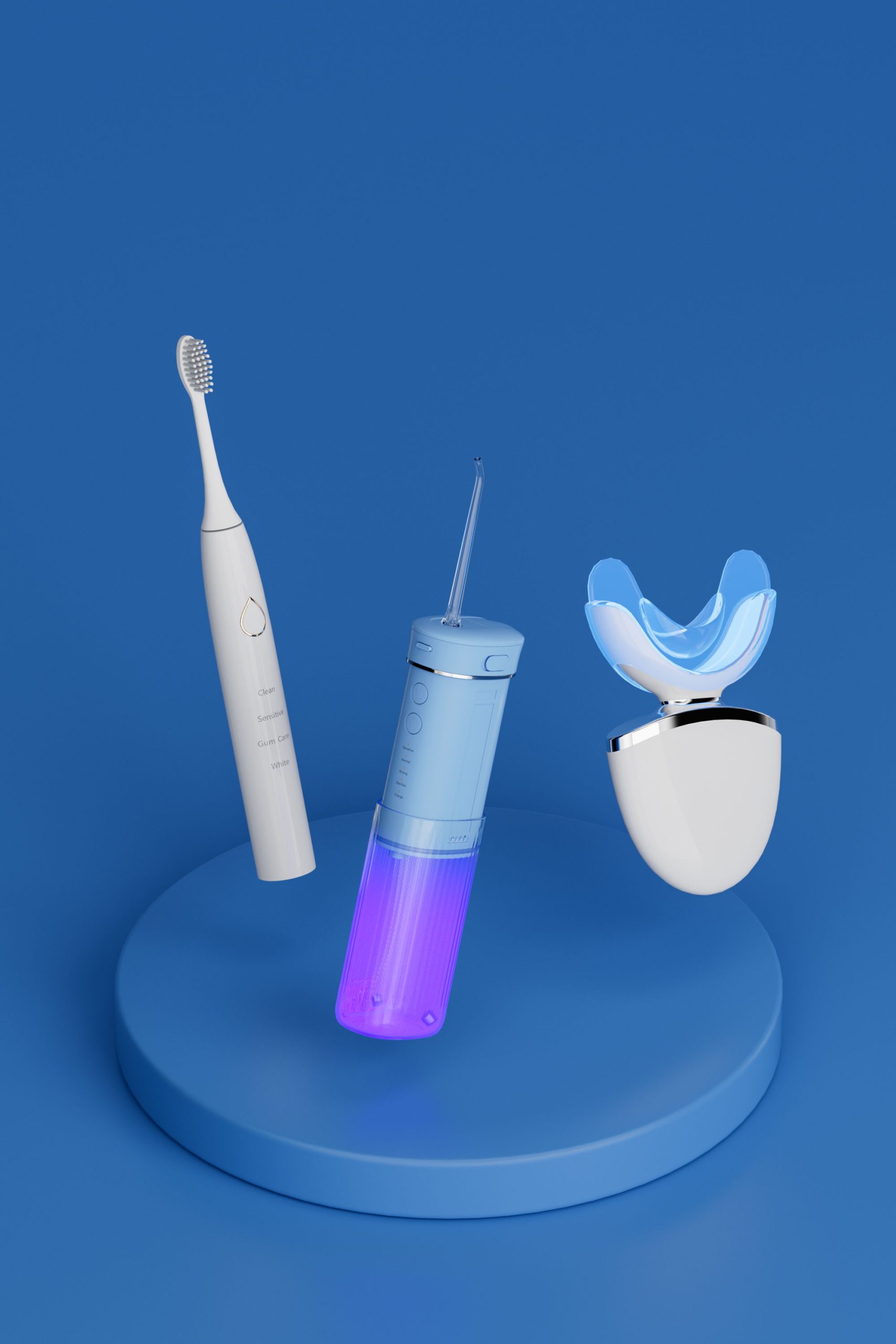
Why a Hindi brushing guide is essential for your First-time user guide
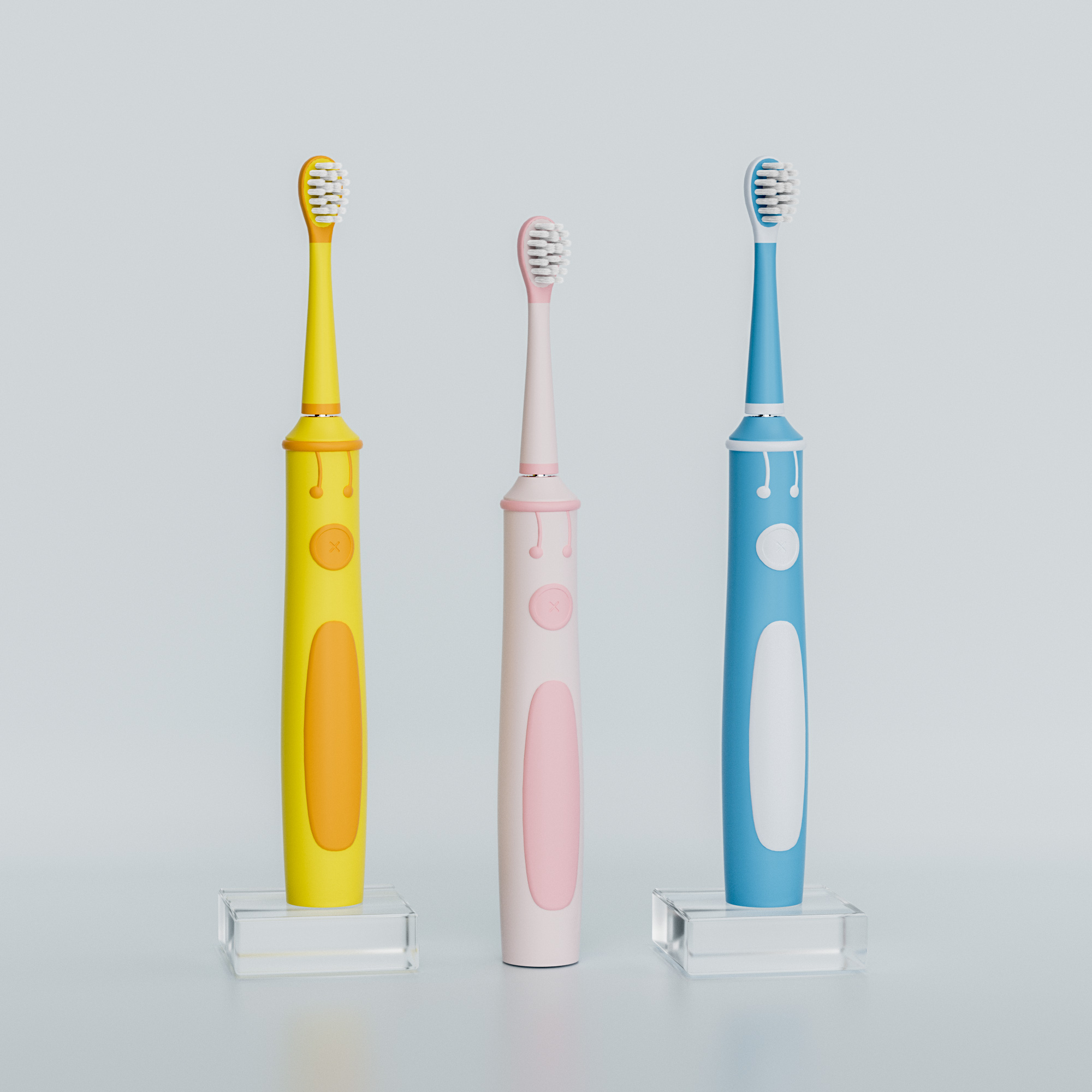
Children’s Oral Care: Developing Good Oral Habits at an Early Age
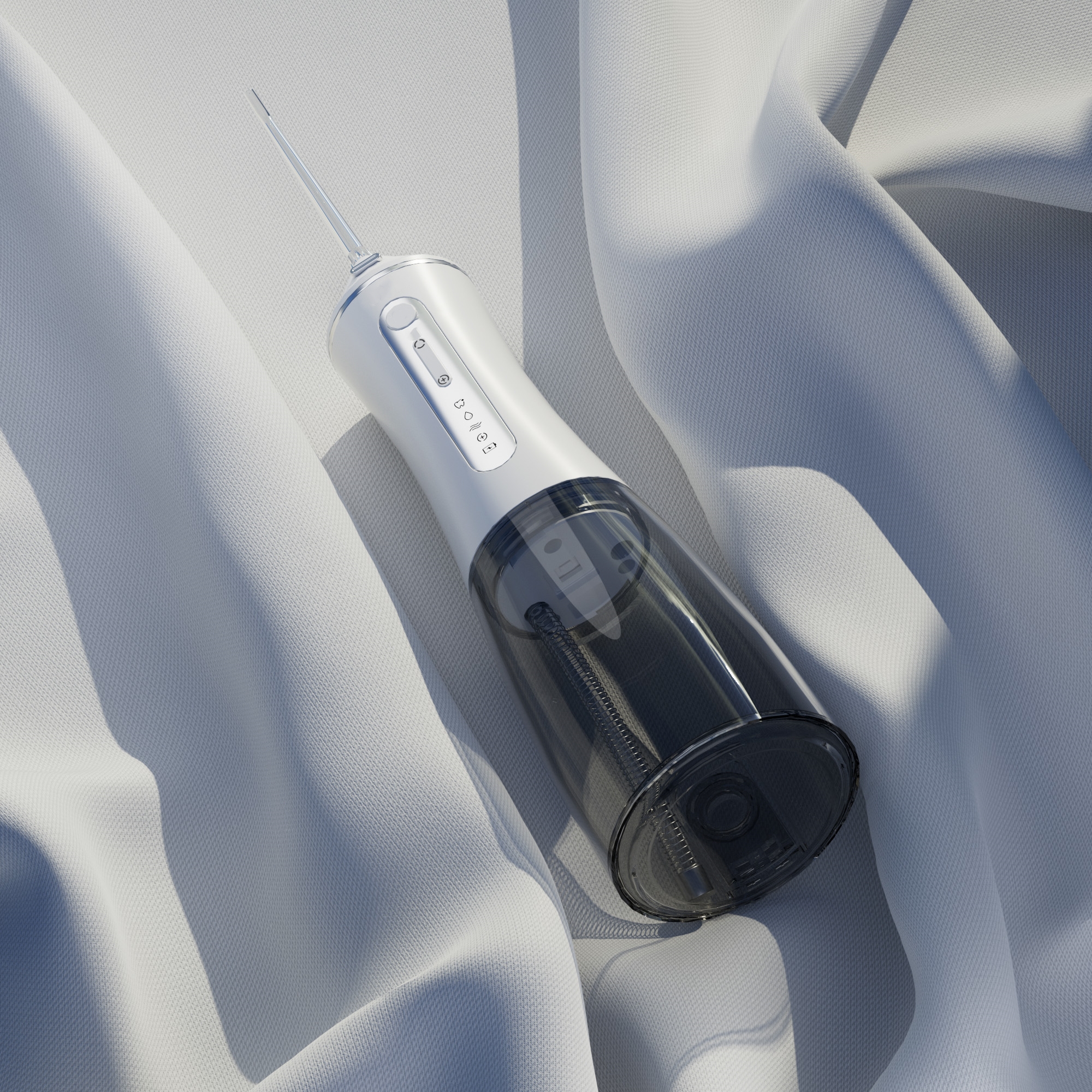
Travel Water Flosser Design: Power Compatibility, Storage & Waterproofing
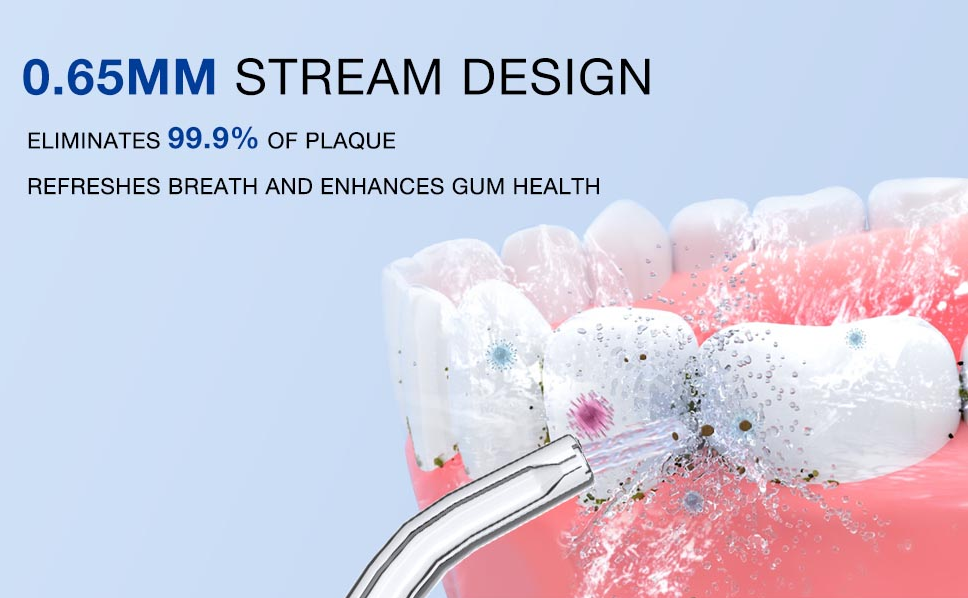
Ideal Pressure Settings for Sensitive Gums: Dentist Recommendations for Water Flosser Users
Advanced AI Electric Toothbrush with App Review Bangalore
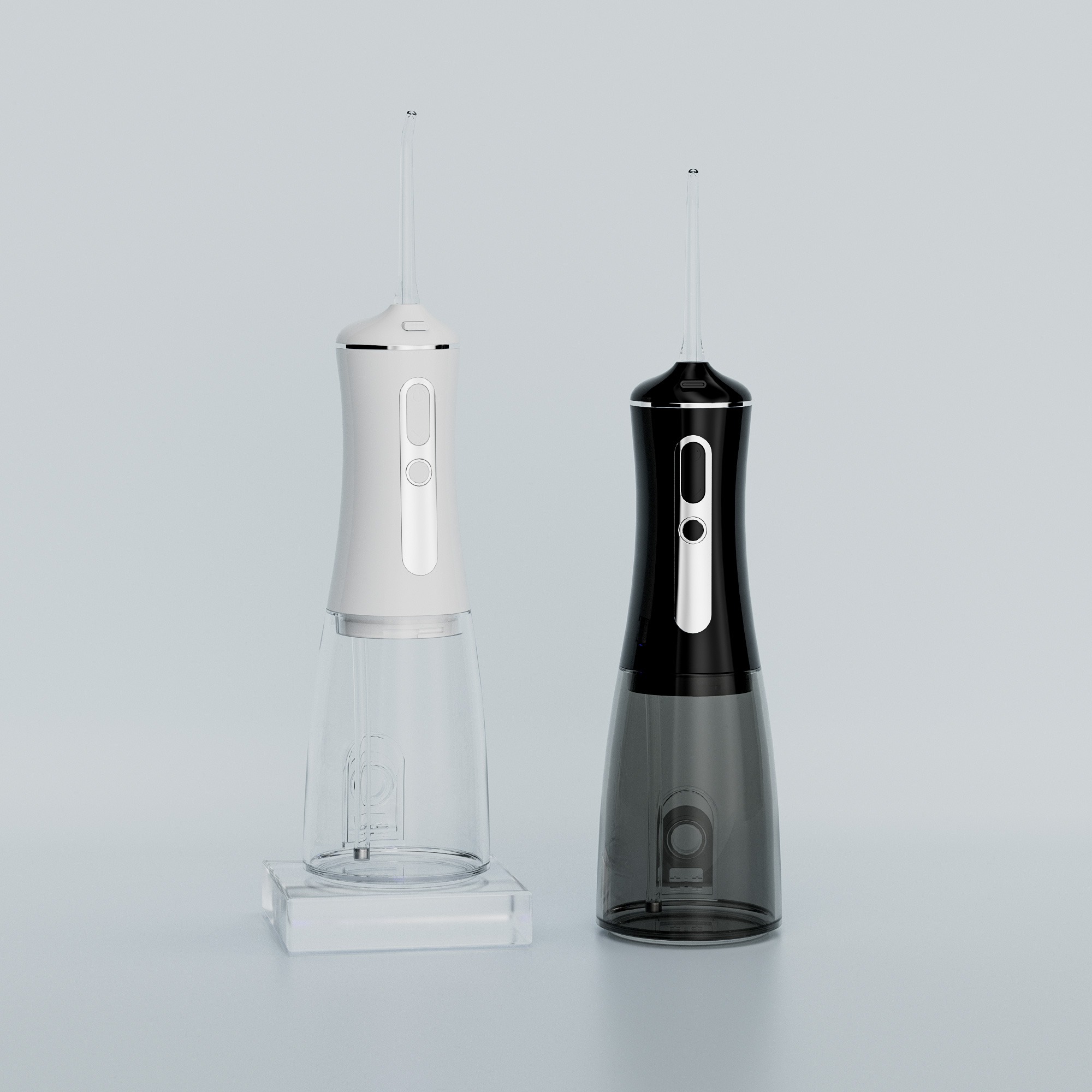
Modern technology in oral care: innovative products and services
How Dangerous Are Jet Instability and Power Surges?


.jpg)
.jpg)
.jpg)
.jpg)
.jpg)






.jpg)
-1.jpg)